

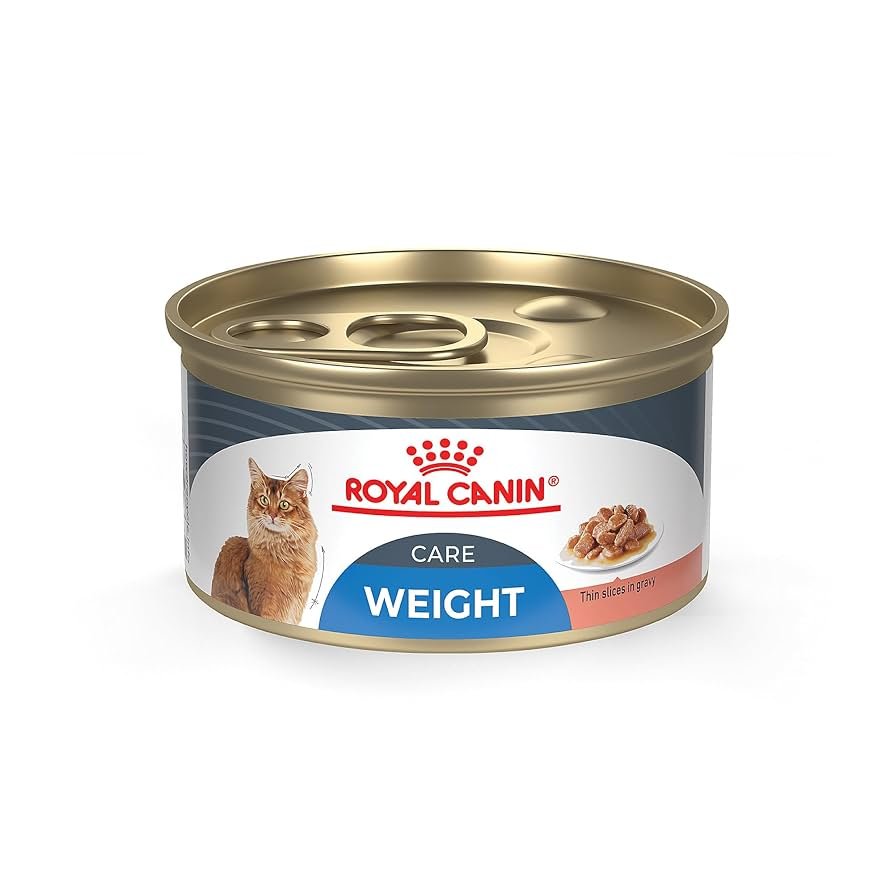
Are you looking for the best way to keep your cat happy and healthy? Choosing the right wet food can make a big difference in your furry friend’s life.
But with so many options, it’s easy to feel overwhelmed. What should you look for in a cat wet food can? How can you be sure it meets your cat’s needs? Keep reading, and you’ll discover simple tips to help you pick the perfect wet food for your cat—so you can feel confident that you’re giving them the nutrition they deserve.

Credit: www.meijer.com
Benefits Of Wet Food For Cats
Wet food offers many benefits for cats that dry food cannot provide. It supports their health and well-being in several ways. Cats enjoy the texture and moisture content of wet food, which helps meet their dietary needs effectively.
Improved Hydration
Wet food contains a high percentage of water. This helps keep cats hydrated without needing extra water bowls. Proper hydration supports kidney health and prevents urinary problems. Cats that eat wet food often drink less because they get water from their meals.
Enhanced Palatability
Wet food has a strong aroma and soft texture. These qualities make it more appealing to cats. Picky eaters often prefer wet food over dry kibble. The rich taste encourages cats to eat more and maintain a healthy weight.
Better Nutrient Absorption
Wet food is easier to digest. It allows cats to absorb nutrients more efficiently. The moisture helps break down proteins and fats. This improves overall health and energy levels. Cats benefit from vitamins and minerals that are more available in wet food.
Credit: www.chewy.com
Key Nutrients In Wet Cat Food
Wet cat food provides essential nutrients that support your cat’s health. It supplies moisture and balanced nutrition in every serving. Cats need a blend of proteins, fats, vitamins, and minerals for strong muscles, healthy skin, and energy. Understanding these key nutrients helps choose the best wet food for your cat’s needs.
High-quality Protein Sources
Protein is vital for cats because they are obligate carnivores. Their bodies rely on animal proteins for muscle repair and growth. Wet cat food usually contains meat, fish, or poultry as primary ingredients. These sources provide amino acids that cats cannot make themselves. Good protein supports a healthy immune system and keeps cats active.
Essential Fatty Acids
Fatty acids like omega-3 and omega-6 keep a cat’s skin and coat shiny. These fats also help with brain function and inflammation control. Wet cat food often includes fish oils or animal fats rich in these fatty acids. Balanced fat levels provide energy and help absorb fat-soluble vitamins.
Vitamins And Minerals
Vitamins and minerals are critical for overall health and body functions. Wet cat food supplies vitamins A, D, E, and B-complex. Minerals like calcium, phosphorus, and taurine support bones, teeth, and eyesight. Taurine is especially crucial since cats cannot produce enough naturally. Proper vitamin and mineral balance maintains vitality and prevents deficiencies.
Choosing The Right Wet Food Can
Choosing the right wet food can for your cat is essential for their health and happiness. Cats need a diet rich in nutrients and moisture. Wet food helps keep them hydrated and supports their urinary tract health.
Not all wet food cans are the same. Quality varies widely. Understanding what to look for makes feeding easier and safer.
Reading Ingredient Labels
Always check the ingredient list carefully. The first ingredients should be meat or fish, not fillers like corn or wheat. Protein is vital for cats. Avoid vague terms like “meat by-products.” Look for named meat sources such as “chicken” or “salmon.”
- High protein content
- Named animal proteins
- Limited fillers and grains
Avoiding Harmful Additives
Many wet foods contain additives that can harm cats. Avoid artificial colors, flavors, and preservatives. These can cause allergies or digestive issues. Natural preservatives like vitamin E or C are safer choices. Always read the label for additives.
- No artificial colors
- No artificial flavors
- Natural preservatives preferred
Considering Age And Health Needs
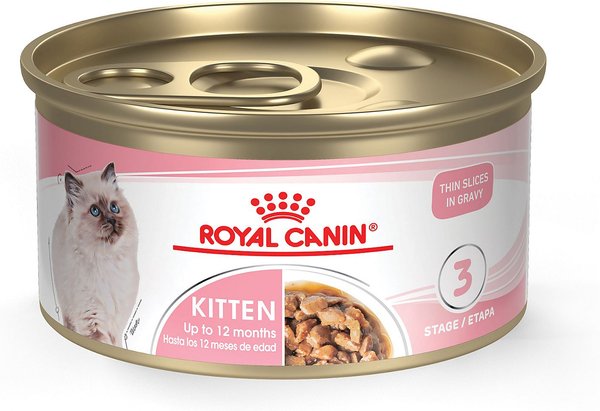
Wet food must match your cat’s life stage. Kittens need more calories and nutrients than adult cats. Senior cats may require food with joint support or lower calories. Cats with health problems like kidney disease need special diets. Consult your vet for the best choice.
| Life Stage | Key Nutritional Needs |
|---|---|
| Kitten | High protein and calories |
| Adult | Balanced nutrients |
| Senior | Joint support, lower calories |

Credit: www.amazon.com
Feeding Tips For Optimal Nutrition
Feeding your cat the right wet food can enhance their health and happiness. Understanding how to feed wet food properly ensures your cat gets all needed nutrients. Proper feeding helps maintain weight, hydration, and energy levels. Here are key tips for optimal nutrition with wet cat food.
Portion Control And Frequency
Serve wet food in measured portions to avoid overeating. Follow feeding guidelines on the can as a starting point. Adjust portions based on your cat’s size, age, and activity. Feed smaller meals multiple times a day for better digestion. Avoid leaving wet food out too long to prevent spoilage.
Combining Wet And Dry Food
Mixing wet and dry food can balance texture and nutrition. Wet food boosts moisture intake, helping with hydration. Dry food supports dental health by reducing plaque buildup. Offer wet food during main meals and dry food as snacks. Ensure both types complement each other nutritionally without overfeeding.
Monitoring Your Cat’s Response
Observe your cat’s appetite and energy after feeding wet food. Watch for changes in weight, coat condition, and litter box habits. Note any signs of allergies or digestive upset like vomiting or diarrhea. Adjust food type or portions based on your cat’s reactions. Consult a vet if negative symptoms persist.
Common Myths About Wet Cat Food
Wet cat food often faces many myths that can confuse pet owners. These myths affect how people feed their cats. Understanding the facts helps make better choices for your cat’s health. Here are some common myths about wet cat food and the truth behind them.
Wet Food Causes Dental Issues
Many believe wet food harms a cat’s teeth. Actually, wet food does not cause dental problems. Dry food can sometimes leave hard crumbs that stick to teeth. Wet food is softer and less likely to cause buildup. Regular brushing and vet check-ups keep teeth healthy.
Cats Don’t Need Wet Food
Some say cats only need dry food. Cats naturally get most water from their food. Wet food has high moisture, helping cats stay hydrated. It supports kidney and urinary health better than dry food alone. Wet food is a good choice for many cats.
Wet Food Is Less Convenient
People think wet food is messy and hard to store. Wet food can be served quickly and cleaned easily. Many cans and pouches come in small portions. Store leftovers in the fridge for a day or two. Wet food can fit well into any feeding routine.
Storing And Handling Wet Food Cans
Storing and handling wet food cans properly is essential to keep your cat’s meal fresh and safe. Wet food can spoil quickly if not stored right. This affects your cat’s health and the food’s taste. Follow simple tips to extend freshness and avoid waste.
Proper Storage Techniques
Store unopened cans in a cool, dry place. Avoid direct sunlight or heat sources. After opening, transfer leftover food to a separate airtight container. Keep the container in the refrigerator. Use a clean spoon to serve food. Do not leave wet food out for more than two hours. This prevents bacteria growth and keeps food safe.
Shelf Life After Opening
Once opened, wet food should be used within 24 to 48 hours. The exact time depends on the brand and ingredients. Always check the label for specific guidance. Throw away any leftover food if it smells bad or looks unusual. Eating spoiled food can cause stomach problems in cats.
Maintaining Freshness
- Cover the container tightly to avoid air exposure.
- Keep the food chilled at about 4°C (39°F).
- Use small portions to reduce leftovers.
- Clean the feeding bowl daily to prevent bacteria buildup.
- Do not mix old food with fresh servings.
These simple habits help maintain wet food’s quality. Fresh food tastes better and supports your cat’s health.
Frequently Asked Questions
What Are The Benefits Of Cat Wet Food Cans?
Cat wet food cans provide hydration, essential nutrients, and are easier to chew. They help maintain urinary tract health and support weight management in cats.
How To Choose The Best Cat Wet Food Can?
Look for high-quality protein, minimal fillers, and no artificial additives. Check the ingredient list for real meat and consult your vet for dietary needs.
Can Cat Wet Food Cans Cause Digestive Issues?
Some cats may experience digestive upset if they switch suddenly. Introduce wet food gradually to avoid stomach discomfort or diarrhea.
How Long Can Cat Wet Food Cans Be Stored?
Unopened cans last up to two years. Once opened, refrigerate and use within 2-3 days to maintain freshness and prevent spoilage.
Conclusion
Cat wet food cans offer hydration and nutrition in one. They keep cats happy and healthy every day. Choose the right wet food for your cat’s needs. Always check the ingredients for quality and safety. Feeding wet food can support your cat’s urinary health.
It also helps with picky eaters who need tasty meals. Remember to store cans properly after opening. Wet food can be a great part of your cat’s diet. It gives variety and keeps meals interesting. Healthy cats mean happy homes.
