

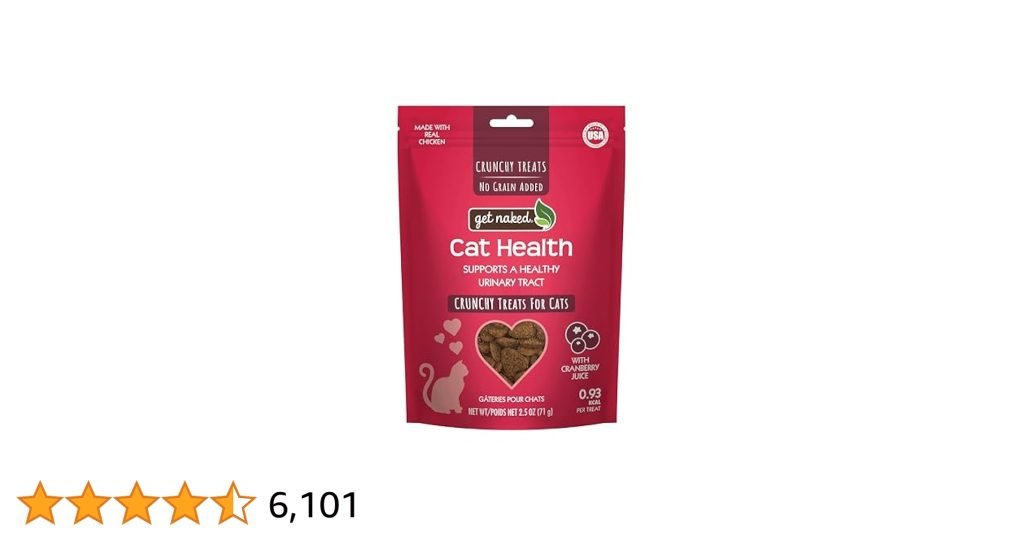
If you care about your cat’s happiness and health, you know how important it is to keep their urinary tract in good shape. Urinary problems can cause your furry friend pain and discomfort, and sometimes lead to serious health issues.
But did you know that the right cat treats can actually support your cat’s urinary tract health? You’ll discover how choosing the right treats can make a big difference in your cat’s well-being. Keep reading to find out what to look for and how to help your cat feel their best every day.
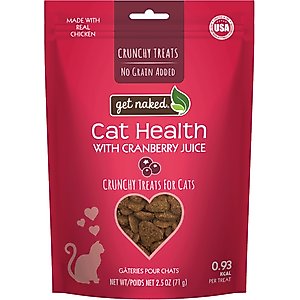
Credit: www.chewy.com
Cat Urinary Tract Basics
The urinary tract in cats plays a crucial role in keeping them healthy and comfortable. It includes organs like the kidneys, bladder, and urethra, all working together to filter waste and expel urine. Understanding these basics helps you recognize when something might be wrong and take action early.
Common Urinary Issues
Many cats face urinary problems during their lives, some more serious than others. One frequent issue is urinary tract infections (UTIs), which occur when bacteria enter the urinary system. Another common problem is urinary crystals or stones, which can block urine flow and cause pain.
Male cats are especially at risk of blockages because of their narrower urethras. This condition can be life-threatening if not treated quickly. Have you noticed how some cats suddenly stop using the litter box? It might be a warning sign related to these issues.
Signs Of Urinary Discomfort
Recognizing signs of urinary discomfort early can save your cat from severe pain and complications. Look out for frequent trips to the litter box with little or no urine production. Your cat may also strain or cry while urinating, indicating distress.
Other signs include licking the genital area excessively, blood in urine, or sudden changes in behavior such as hiding or irritability. If you see any of these symptoms, it’s important to visit your vet promptly. Have you ever noticed your cat acting differently around the litter box? That could be your first clue to urinary trouble.
Role Of Diet In Urinary Health
Diet plays a major role in maintaining a cat’s urinary tract health. Feeding the right foods helps prevent infections and stones. A balanced diet supports proper urine pH and hydration. This lowers the risk of urinary problems. Cat treats can influence urinary health too. Choosing treats with the right ingredients is important.
Key Nutrients For Urinary Support
Some nutrients help keep the urinary tract healthy. These include:
- Water:Encourages frequent urination to flush the system.
- Magnesium:Too much can cause crystals; balance is key.
- Calcium:Helps regulate urine acidity and prevent stones.
- Omega-3 Fatty Acids:Reduce inflammation in the urinary tract.
- Taurine:Essential for overall cat health, including kidneys.
Ensuring these nutrients are in the diet supports urinary health. Avoid excess minerals that cause crystal formation.
How Treats Affect Urinary Health
Treats can add extra nutrients or harmful elements. Some treats contain high levels of minerals like magnesium. These increase the chance of urinary crystals. Others have additives that irritate the bladder. Choosing treats designed for urinary health is safer.
Treats with added moisture help keep cats hydrated. Lowering dry treats reduces risk of urinary issues. Reading labels helps pick the best treats for your cat.
Choosing The Right Cat Treats
Choosing the right cat treats for urinary tract health can feel overwhelming. You want something your cat will enjoy, but also something that supports their delicate urinary system. Picking treats with the right balance of nutrients and without harmful ingredients is key to keeping your feline friend happy and healthy.
Ingredients To Look For
Start by checking the label for ingredients that promote urinary tract health. Look for treats containing cranberry extract, which can help prevent urinary infections by reducing bacteria buildup. Ingredients like omega-3 fatty acidsand vitamin Ecan also support a healthy immune system, which plays a role in urinary health.
Low magnesium content is another important factor. Magnesium can contribute to urinary crystals, so treats with reduced magnesium levels can lower this risk. Also, moisture-rich treats can encourage hydration, which is essential for flushing out toxins from the urinary tract.
Avoiding Harmful Additives
Not all cat treats are created equal, and some contain additives that may harm your cat’s urinary health. Steer clear of treats with artificial colors, flavors, and preservatives, as these can irritate the urinary tract or cause allergic reactions.
Watch out for high levels of salt or sugar, which can upset your cat’s balance and lead to urinary problems. It’s also wise to avoid treats with excessive fillers like corn or wheat, as these provide little nutritional benefit and may contribute to inflammation.
Have you ever checked the ingredient list on your cat’s treats? Sometimes the simplest change in what you offer can make a big difference in their urinary health and overall well-being.
Homemade Treats For Urinary Care
Homemade treats can play a key role in supporting your cat’s urinary tract health. Crafting treats at home lets you control the ingredients, ensuring they promote urinary care. These treats often include natural, gentle components that help maintain a healthy urinary system.
Homemade options also allow you to avoid harmful additives and preservatives. You can customize treats to suit your cat’s tastes and health needs. This approach makes snack time both safe and enjoyable for your feline friend.
Simple Recipes
Creating homemade treats for urinary health is easy with a few basic ingredients. Here are some simple recipes to try:
- Boiled chicken mixed with a bit of pumpkin puree
- Steamed fish flakes combined with cooked carrot
- Plain cooked egg yolk blended with a small amount of low-sodium broth
Use fresh, high-quality ingredients. Avoid spices, salts, and artificial flavors. These treats should be small, soft, and easy to digest.
Benefits Of Homemade Options
- Full control over ingredients and nutrient balance
- Reduced risk of harmful chemicals or fillers
- Ability to tailor treats to specific dietary needs
- Encourages hydration with moisture-rich components
- Supports overall urinary tract health naturally
Homemade treats offer a wholesome way to care for your cat’s urinary tract. They blend nutrition with delicious flavors your cat will love. This makes urinary health care simple and rewarding.
Hydration And Treats
Hydration plays a key role in maintaining urinary tract health for cats. Treats can support this by encouraging water intake and providing moisture. Choosing the right treats helps keep cats hydrated and reduces the risk of urinary problems.
Encouraging Water Intake
Many cats do not drink enough water daily. Treats can help increase their fluid intake. Offering treats with high moisture content can make hydration easier. Present fresh water in multiple bowls around the house. Some cats prefer running water, so a cat water fountain can attract them. You can also mix water with wet food or treats to boost hydration.
Wet Vs. Dry Treats
Wet treats contain more moisture than dry treats. This extra water helps keep the urinary tract healthy. Dry treats have less water but last longer and are easy to store. Wet treats are softer and often more appealing to cats. Both types can fit into a balanced diet, but wet treats give better hydration support. Choose treats with natural ingredients and low salt to protect your cat’s urinary health.

Credit: www.amazon.com
When To See The Vet
Knowing when to take your cat to the vet for urinary tract health issues is crucial. Early detection can prevent serious complications and help your furry friend stay comfortable. Ignoring signs might lead to painful infections or blockages, which can be life-threatening.
Monitoring Symptoms
Watch your cat closely for changes in bathroom habits. Signs like frequent attempts to urinate, straining, or blood in the urine should never be ignored.
Also, note if your cat is licking their genital area excessively or seems restless. These behaviors often signal discomfort or pain linked to urinary problems.
Have you noticed your cat avoiding the litter box or vocalizing while urinating? These are urgent signals that require a vet’s attention right away.
Medical Treatments And Diet
If your vet diagnoses a urinary tract issue, they may prescribe antibiotics or other medications to clear infections or dissolve crystals.
Diet plays a powerful role in preventing future problems. Special cat treats and foods designed for urinary health can help maintain proper pH levels in the bladder.
Don’t hesitate to ask your vet about which treats or diets suit your cat best. Tailoring nutrition to your cat’s needs can reduce the risk of recurring urinary issues significantly.
Maintaining Long-term Urinary Health
Maintaining long-term urinary health in cats is essential for their overall well-being. Urinary tract issues can be painful and recurring, but with consistent care and attention, you can help your cat avoid these problems. Small, daily habits often make the biggest difference in keeping your feline friend comfortable and healthy.
Routine Care Tips
Keeping an eye on your cat’s litter box habits is a simple way to catch urinary issues early. Changes in frequency, color, or discomfort during urination can signal a problem. Make sure your cat always has access to fresh water, as staying hydrated helps flush the urinary tract.
Regular check-ups with your vet are crucial. They can perform tests to detect urinary health problems before symptoms appear. Don’t wait for obvious signs—prevention often starts with early detection.
Lifestyle Adjustments
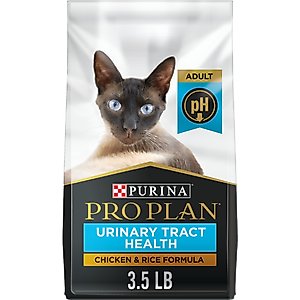
Diet plays a key role in urinary health. Feeding your cat specially formulated treats or food that supports urinary tract health can reduce the risk of crystal formation and infections. Have you noticed how some cats prefer wet food? Increasing wet food intake can improve hydration naturally.
Stress can also affect your cat’s urinary tract. Creating a calm environment with plenty of hiding spots and playtime can reduce anxiety. Have you tried using pheromone diffusers or calming treats? They might help your cat feel more relaxed, which supports urinary health.
Credit: www.chewy.com
Frequently Asked Questions
What Are The Best Cat Treats For Urinary Tract Health?
Look for treats with low magnesium, added cranberries, and natural ingredients. These help reduce urinary crystals and support bladder health effectively.
How Do Cat Treats Improve Urinary Tract Health?
Specially formulated treats balance urine pH and reduce crystal formation. They promote hydration and support healthy bladder function in cats.
Can Urinary Tract Health Treats Prevent Infections In Cats?
Yes, treats with cranberry extracts and antioxidants help prevent urinary tract infections. They support a healthy urinary system and reduce infection risks.
Are There Any Side Effects Of Urinary Health Cat Treats?
Most treats are safe when given as directed. Overfeeding may cause digestive upset or weight gain. Always follow package guidelines for best results.
Conclusion
Cat treats can support your pet’s urinary tract health well. Choosing treats with natural ingredients helps keep cats comfortable. Regular treats designed for urinary care reduce risks of infections. Always watch your cat’s behavior and health closely. Healthy treats are a small step for big benefits.
Your cat’s happiness and health go hand in hand. Keep treats as part of a balanced diet for best results. Small changes can make a big difference over time. Caring for your cat’s urinary health shows your love.
