


Have you ever wished your cat could do more than just nap and chase toys? Imagine teaching your furry friend simple tricks that amaze your guests and make daily life easier.
Cat training tricks aren’t just for dogs—they can strengthen the bond between you and your pet while adding fun to your routine. If you want to unlock your cat’s hidden talents and enjoy a smarter, more interactive companion, keep reading.
This guide will show you easy, effective ways to train your cat and transform your relationship.

Credit: www.youtube.com
Why Train Your Cat
Training your cat might sound unusual at first, but it can bring surprising benefits to both you and your furry friend. Cats are intelligent creatures capable of learning many tricks and commands, making their daily life more stimulating and enjoyable. Have you ever wondered how training could improve your bond with your cat and make living together smoother?
Benefits For You And Your Cat
Training helps your cat stay mentally sharp and physically active. It reduces boredom, which can lead to unwanted behaviors like scratching furniture or excessive meowing.
You gain a deeper connection with your cat through consistent interaction and positive reinforcement. Teaching tricks such as “sit” or “high five” can turn training sessions into fun bonding moments.
Additionally, trained cats are easier to manage during vet visits or grooming. Commands like “stay” or “come” can make these stressful situations calmer and safer for everyone involved.
- Improves communication and understanding
- Enhances mental stimulation and physical activity
- Reduces behavioral problems
- Makes vet visits and grooming easier
Common Misconceptions
Many people believe cats cannot be trained or that they are too independent to learn tricks. This is not true—cats respond well to positive reinforcement and clear cues.
Another common myth is that training requires a lot of time and effort. Short, regular sessions of just a few minutes can be very effective and fit easily into your day.
Some think training is only about tricks, but it’s also about teaching good behavior and helping your cat feel secure. Have you tried rewarding your cat for simple tasks like using the scratching post?
- Cats are trainable with patience and consistency
- Training sessions can be short and fun
- Training improves behavior, not just tricks
Getting Started With Training
Training your cat can be a fun and rewarding experience. It builds trust and helps your cat learn good habits. Starting right is key to success.
Patience and consistency make training easier for both you and your cat. Keep sessions short and sweet to hold your cat’s attention. Create a calm space free from distractions to help your cat focus.
Choosing The Right Time
Pick a time when your cat feels relaxed and alert. Avoid training after meals or during nap times. Short sessions of five to ten minutes work best. Regular daily sessions keep progress steady and clear.
Creating A Positive Environment
Make training a happy moment for your cat. Use a calm voice and gentle touch. Avoid punishment or harsh words to keep trust strong. Smile and praise your cat often to encourage effort.
Essential Tools And Treats
- Use small, soft treats your cat loves.
- Try clicker training to mark good behavior clearly.
- Have toys ready to reward play and attention.
- Keep training tools close for quick access.
Basic Commands To Teach
Teaching your cat basic commands not only strengthens your bond but also makes daily life easier. Cats are more capable learners than many people think. With patience and the right approach, you can train your feline friend to follow simple commands that improve their behavior and responsiveness.
Sit And Stay
The sitcommand is a great starting point because it’s easy for cats to understand and useful in many situations. Use a treat to lure your cat into a sitting position, then say “sit” clearly. Reward them immediately to reinforce the behavior.
Once your cat masters sitting, add the staycommand by gradually increasing the time they remain seated before receiving a treat. This teaches patience and self-control, which can prevent unwanted jumping or running during busy moments.
Come When Called
Getting your cat to come when called can be a lifesaver, especially if your cat likes to explore outdoors or hide during visitors. Choose a consistent word or sound, like their name or a whistle, and pair it with a reward like a favorite treat.
Start training in a quiet room with minimal distractions. Call your cat gently, and when they come, give them the treat right away. Repetition and positive reinforcement build this habit over time, making your cat more responsive to your calls.
High Five And Paw
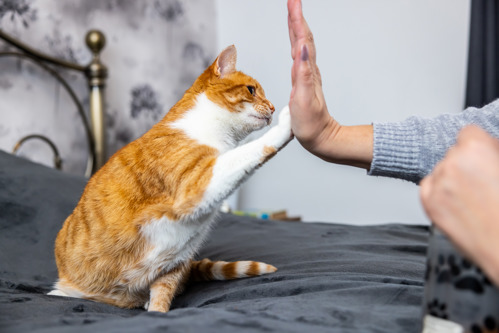
Teaching your cat to give a high fiveor pawis fun and shows off their intelligence. Hold a treat just above their paw level and wait for them to touch your hand with their paw. The moment they do, say “high five” or “paw” and reward them.
This trick encourages your cat to engage actively with you and can be a great way to redirect their energy into positive interactions. Do you think your cat would enjoy showing off this cool skill to your friends?

Credit: www.youtube.com
Advanced Tricks For Cats
Advanced tricks take your cat’s training to the next level. These fun activities challenge your cat’s mind and body. Training advanced tricks builds a strong bond between you and your cat. It also keeps your cat active and happy.
Jump Through Hoops
Start with a small, lightweight hoop. Hold it near the ground and encourage your cat to step through. Use treats or toys as a reward. Gradually raise the hoop higher as your cat gains confidence. Practice regularly for smooth and safe jumps.
Fetch And Retrieve
Choose a small, cat-friendly toy for fetching. Toss the toy a short distance. Praise your cat when it chases and picks up the toy. Encourage your cat to bring the toy back to you. Reward your cat with treats or affection.
Spin And Roll Over
Use a treat to guide your cat in a circle. Move the treat slowly to encourage a spin. After mastering the spin, try rolling your cat gently on the floor. Reward each successful roll and spin. Repeat often to build muscle memory and fun.
Troubleshooting Training Challenges
Training your cat can be rewarding but also challenging. You might find that your feline friend gets distracted, loses interest, or just doesn’t respond to your usual methods. Troubleshooting these issues is key to making progress and keeping both you and your cat motivated.
Dealing With Distractions
Distractions can easily break your cat’s focus during training. Your cat might notice a bird outside or hear noises that pull their attention away. Try to choose a quiet, calm environment to train, free from sudden movements or loud sounds.
If distractions still happen, keep training sessions short and sweet. Reward your cat immediately when they focus back on you. Have you noticed what kinds of distractions pull your cat away the most?
Handling Lack Of Interest
Sometimes your cat just isn’t interested in training, and that’s okay. Cats have moods, and forcing them can backfire. Try using different rewards like new treats, toys, or extra petting to spark their enthusiasm.
Switch up the timing of training too; your cat may be more responsive when they’re not hungry or sleepy. What rewards have you found make your cat’s eyes light up?
Adjusting Training Techniques
If one technique isn’t working, change it up. Some cats respond better to clicker training, while others prefer hand signals or verbal cues. Notice how your cat reacts and tailor your approach accordingly.
Use clear, consistent commands and be patient. Small, frequent sessions often work better than long ones. Could a different approach unlock your cat’s potential?
Keeping Training Fun And Effective
Keeping training fun and effective is key to building a strong bond with your cat while helping them learn new tricks. Cats respond best when the experience feels like play, not a chore. This approach keeps their interest high and makes training a positive part of their daily routine.
Short Sessions And Consistency
Cats have short attention spans, so keeping training sessions brief helps maintain their focus. Aim for 5 to 10 minutes per session to avoid frustration for both you and your cat.
Consistency is just as important as session length. Try to train your cat at the same time every day. This routine helps your cat know what to expect and look forward to the activity.
Using Positive Reinforcement
Reward-based training works best with cats. Use treats, gentle petting, or verbal praise to reinforce good behavior.
Timing your rewards immediately after the desired action helps your cat link the behavior with the positive outcome. Avoid punishment, as it can create fear and reduce your cat’s willingness to participate.
Celebrating Progress
Every small step your cat takes toward learning a trick deserves recognition. Celebrate these moments to keep motivation high for both of you.
Have you noticed your cat doing something new and impressive? Take a moment to celebrate with extra treats or playtime. This not only rewards your cat but also makes training a joyful experience for you.
Credit: www.cats.org.uk
Frequently Asked Questions
How Can I Teach My Cat Tricks?
Training a cat requires patience and consistency. Start with simple commands like ‘sit’ using treats as rewards. Use positive reinforcement and short, regular sessions. Gradually introduce more complex tricks, maintaining a calm environment. Always be patient and celebrate small successes to encourage learning.
What Are The Easiest Tricks For Cats?
Simple tricks include ‘sit,’ ‘high five,’ and ‘fetch. ‘ Cats can learn to respond to names and come when called. Use treats and praise as motivation. Start with easy commands and gradually introduce new ones. Consistency and patience are key to successful cat training.
How Long Does Cat Training Take?
Training duration varies by cat and trick complexity. Simple tricks may take a few sessions. More complex tricks could require weeks of consistent practice. Be patient and maintain a regular training schedule. Always reward progress, no matter how small, to encourage continued learning.
Can Older Cats Learn New Tricks?
Yes, older cats can learn new tricks. Training older cats requires patience and understanding of their pace. Use gentle methods and positive reinforcement. Start with simple tricks and gradually increase difficulty. Consistency in training sessions helps older cats adapt and learn effectively.
Conclusion
Training your cat can build trust and make life easier. Small steps work best for both you and your pet. Patience and consistency help your cat learn new tricks. Each success brings joy and a stronger bond. Keep sessions short and fun to keep your cat interested.
Enjoy the process and celebrate every little win. Your cat can learn more than you think. Try these tips and see the difference today.
