

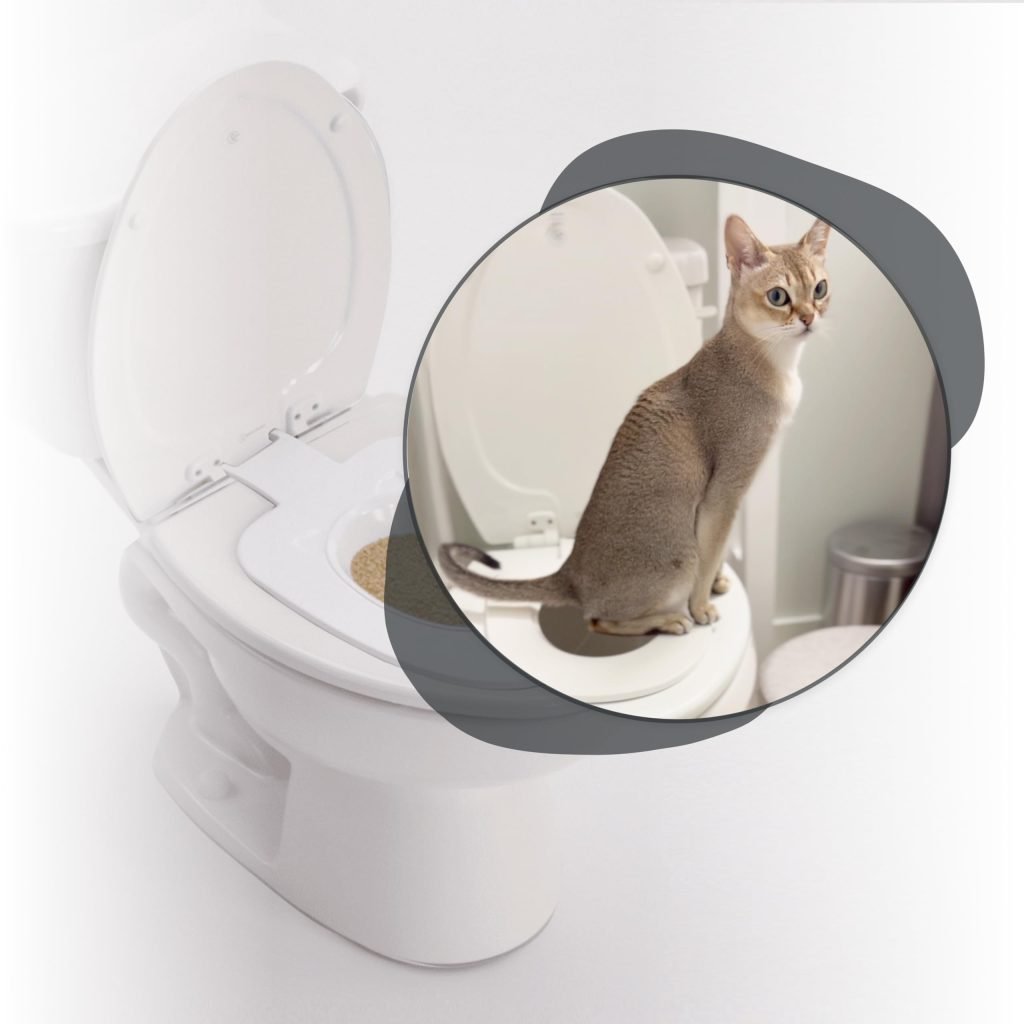
Are you tired of constantly cleaning up after your cat? Imagine having a clean, fresh-smelling home without the stress of accidents or messy litter boxes.
Training your cat to use the potty might sound impossible, but it’s easier than you think—and it can transform your daily routine. You’ll discover simple, effective tips that make cat training potty a reality. Keep reading to learn how you can save time, reduce odors, and enjoy a happier, cleaner home with your furry friend.
Credit: www.walmart.com
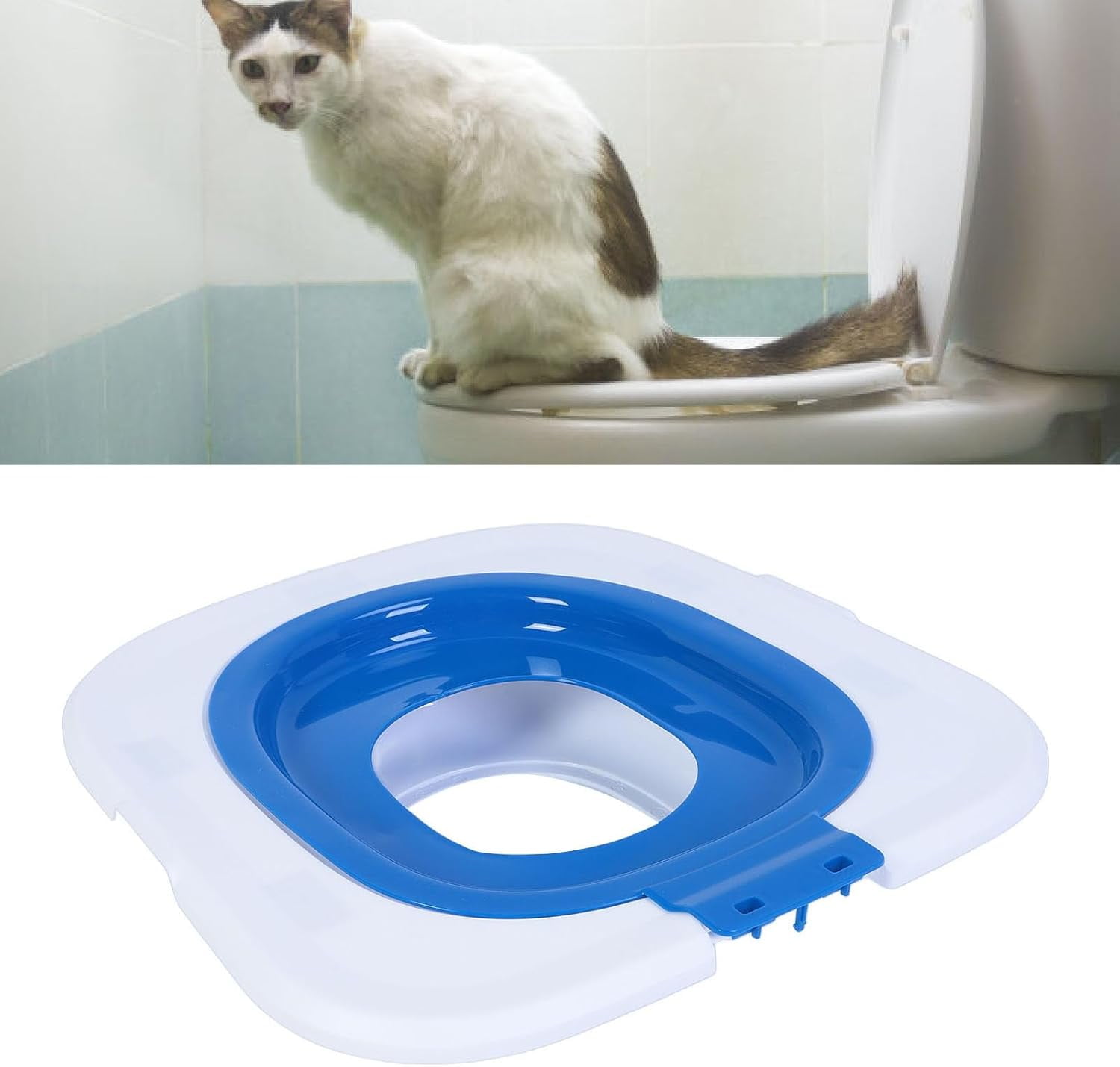
Choosing The Right Litter Box
Choosing the right litter box is essential for successful cat potty training. The right box can make a huge difference in your cat’s comfort and willingness to use it consistently. If your cat avoids the litter box, it might be due to the box itself rather than behavior issues.
Types Of Litter Boxes
There are various types of litter boxes designed to suit different cats and homes. Open litter boxes give your cat plenty of space but might allow odors to spread more easily. Covered litter boxes help contain smells and litter scatter but some cats find them cramped or stressful.
Self-cleaning litter boxes can save you time but may not suit cats sensitive to noise or movement. Consider your cat’s personality and habits before choosing a style. Have you noticed your cat’s preference for privacy or openness during potty breaks?
Size And Placement Tips
Size matters. Your cat should comfortably turn around and dig without feeling cramped. Larger cats especially need bigger boxes to feel secure. If you have multiple cats, provide one box per cat plus an extra to reduce territorial issues.
Placement is just as important. Avoid noisy or high-traffic areas where your cat might feel vulnerable. Quiet corners or bathrooms often work well. Think about your cat’s routine—where do they feel safest when they need privacy?
Litter Material Options
The type of litter you use affects your cat’s willingness to use the box. Clumping litter is popular because it makes cleaning easier and controls odor well. However, some cats prefer non-clumping or natural litters made from materials like corn, wheat, or paper.
Texture matters too. If your cat dislikes the feel of the litter under their paws, they might avoid the box altogether. Try different types to see what your cat prefers. Have you tested various litters to find what your cat feels most comfortable with?
Credit: www.amazon.com
Setting Up A Cat-friendly Bathroom Space
Setting up a cat-friendly bathroom space is essential for your cat’s comfort and hygiene. A well-organized area encourages your cat to use the potty regularly. It also helps keep your home clean and odor-free.
Creating A Comfortable Environment
Choose a quiet, low-traffic spot for the bathroom space. Cats prefer privacy and calm when using their potty. Use a litter box that fits your cat’s size and habits. Place soft mats or rugs nearby to catch stray litter. Keep the area well-ventilated but draft-free to avoid discomfort.
Maintaining Cleanliness
Clean the litter box daily to prevent buildup. Remove waste and clumps often to keep the space inviting. Wash the litter box with mild soap weekly. Avoid strong-smelling cleaners that may deter your cat. Provide fresh litter regularly, ensuring it is deep enough for digging.
Minimizing Odors
Use odor-absorbing litter types, like clumping or silica gel. Place baking soda under the litter to neutralize smells. Change litter fully every one to two weeks. Keep a small air purifier or charcoal filter nearby. Regular cleaning reduces odors and keeps the bathroom fresh.
Training Techniques For Potty Success
Training a cat to use the potty takes patience and the right approach. Clear techniques help your cat learn quickly. Focus on making the litter box inviting and use rewards to encourage good habits. Handling accidents calmly keeps training smooth and stress-free. These steps build a strong foundation for potty success.
Introducing The Litter Box
Place the litter box in a quiet, easy-to-access area. Avoid noisy or busy spots. Show your cat where it is by gently placing them inside after meals and naps. Use a litter type your cat likes, soft and unscented. Keep the box clean by scooping daily. Cats prefer a fresh environment for potty time.
Using Positive Reinforcement
Reward your cat with treats or gentle praise after using the litter box. This encourages repeat behavior. Use soft tones to make your cat feel safe. Avoid punishment, which can cause fear and confusion. Consistent rewards help your cat associate the litter box with positive experiences. Small rewards work best to keep your cat motivated.
Handling Accidents
Accidents happen. Clean the area well to remove odors and prevent repeat accidents. Never scold your cat for mistakes. Instead, gently guide them back to the litter box. Observe if the location or litter type needs changing. Adjust your routine to fit your cat’s needs. Patience and calmness help your cat learn faster.
Addressing Common Challenges
Training your cat to use the potty can be rewarding, but it’s not without its hurdles. Many cat owners face challenges that can make the process frustrating. Understanding these common issues can help you stay patient and adjust your approach effectively.
Dealing With Litter Box Aversion
Some cats refuse to use the litter box because of its location, cleanliness, or type of litter. Have you noticed your cat avoiding the box after you switched the brand of litter? Cats are sensitive to texture and smell, so try experimenting with different litters or moving the box to a quieter spot.
Keep the litter box spotless by scooping at least once daily. A dirty box can quickly turn your cat away. Adding an extra box around the house can also reduce stress and encourage use.
Managing Multi-cat Households
Having more than one cat adds complexity to potty training. Cats can be territorial and may not want to share a litter box. Do you provide enough boxes for each cat plus one extra? This rule often prevents conflicts and accidents.
Observe your cats for any signs of bullying around the litter area. If one cat is intimidating others, separate boxes in different rooms can help. Creating a peaceful environment is key to successful training.
Recognizing Health Issues
Sometimes, potty problems are linked to health, not behavior. If your cat suddenly stops using the box, it could be a sign of urinary tract infection or other medical problems. Have you checked with your vet to rule out illness?
Pay attention to changes in your cat’s bathroom habits or any signs of discomfort. Early detection and treatment can save your cat from pain and prevent setbacks in training.
Advanced Potty Training Tips
Advanced potty training helps cats adapt to new habits smoothly. It builds on basic training and improves consistency. Patience and clear steps guide cats through new toilet routines. These tips help with changing environments and preferences. Follow simple techniques to make training easier and more effective.
Transitioning To Alternative Toilets
Switching your cat to a different type of toilet requires care. Gradually move the litter box closer to the new toilet spot. Use the same litter to keep familiar smells. Slowly reduce litter depth until your cat uses the new surface. Reward your cat with treats and praise for using the new toilet.
Teaching Outdoor Bathroom Habits
Introduce your cat to an outdoor potty spot with patience. Choose a quiet, safe area with soft soil or grass. Bring your cat there after meals or naps to encourage use. Watch for signs your cat needs to go outside. Praise and reward your cat when it uses the spot correctly.
Using Training Aids And Tools
Training aids make potty training easier and faster. Use litter attractants to encourage your cat to use the box. Consider training pads for indoor use during transition periods. Place barriers or mats to protect floors around the toilet area. Use timers or reminders to keep a regular potty schedule.
Credit: www.amazon.com
Frequently Asked Questions
How Long Does Cat Potty Training Take?
Cat potty training usually takes 2 to 6 weeks. It depends on your cat’s age and consistency. Patience and positive reinforcement speed up the process.
What Supplies Are Needed For Cat Potty Training?
You need a litter box, training pads, and a suitable cat potty seat. Cleanliness and comfort are key for success. Use non-toxic, unscented litter to avoid irritation.
Can All Cats Be Trained To Use A Potty?
Most cats can learn with proper guidance and patience. Some older or anxious cats may take longer. Consistent training and rewards increase the chances of success.
How To Handle Accidents During Cat Potty Training?
Clean accidents immediately with enzymatic cleaner to remove odor. Avoid punishment to prevent fear or confusion. Encourage your cat gently to use the potty area.
Conclusion
Training your cat to use the potty takes time and patience. Stay calm and consistent with your approach. Celebrate small successes along the way. Cats learn best through gentle encouragement. Keep the potty area clean and inviting. Remember, each cat is unique and learns differently.
With steady effort, your cat can adapt well. Enjoy the process and bond with your pet. This training helps keep your home fresh and tidy. Simple steps lead to great results in cat potty training.
