

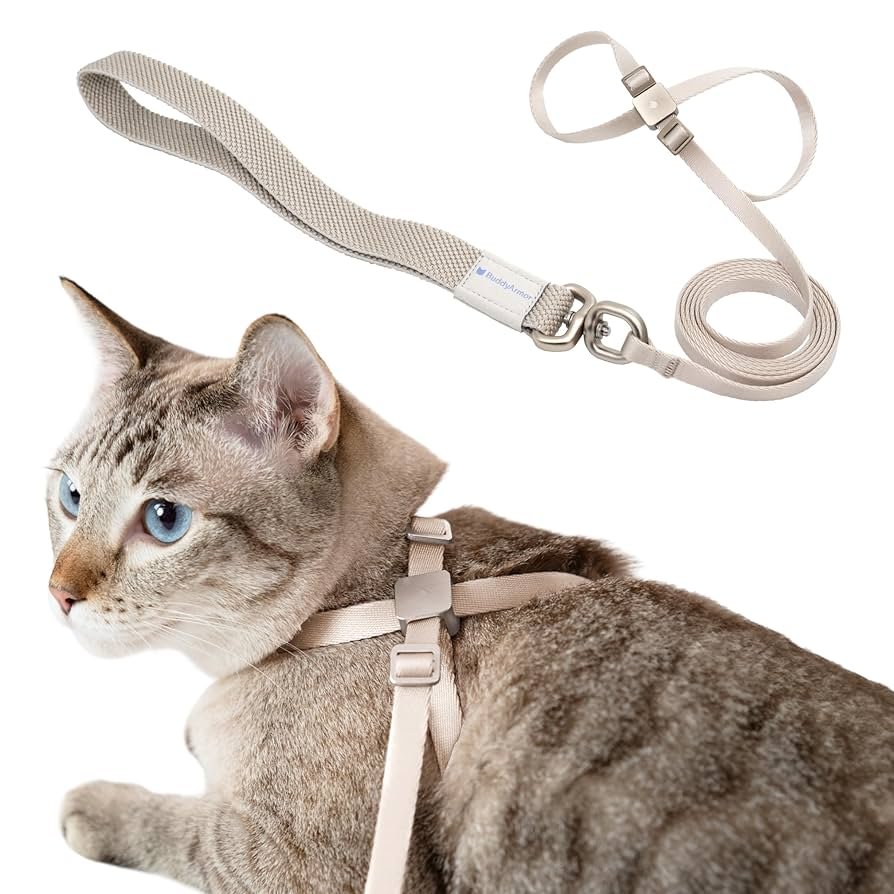
If you’ve ever tried to take your cat outside, you know it’s not always easy. Cats can be curious but also cautious, and keeping them safe while exploring is a big concern.
That’s where a cat training harness comes in. With the right harness, you can give your furry friend the freedom to explore while staying secure. You’ll discover how to choose the perfect harness, tips to train your cat comfortably, and why this simple tool can change your outdoor adventures forever.
Ready to make your cat’s outdoor time safer and more enjoyable? Keep reading!

Credit: www.amazon.com
Benefits Of Using A Cat Harness
Using a cat harness offers many benefits for both cats and their owners. It allows safe outdoor adventures while keeping cats secure. Harnesses help cats enjoy fresh air and new sights without risks. They also promote physical activity and mental health. Most importantly, harness walks create special moments that build trust and deepen bonds.
Safety During Outdoor Walks
A cat harness prevents escapes and injuries. It keeps cats close and under control. Harnesses reduce risks from cars, other animals, and getting lost. Cats can explore safely without stress for owners. The secure fit stops sudden jumps or slips. This protection is key for peaceful outdoor time.
Exercise And Mental Stimulation
Outdoor walks with a harness give cats needed exercise. Physical activity helps maintain healthy weight and muscles. New surroundings stimulate their senses and curiosity. Exploring different smells, sounds, and sights keeps their mind sharp. Regular walks reduce boredom and destructive behavior at home.
Strengthening Cat-human Bond
Walking a cat on a harness builds trust and friendship. Spending time outside together creates positive shared experiences. Cats learn to enjoy their owner’s company in new settings. Training and patience during walks improve communication. This connection helps cats feel safe and loved.
Choosing The Right Harness
Choosing the right harness for your cat is more than just picking something that looks cute. It’s about ensuring safety, comfort, and ease of use for both you and your furry friend. A well-chosen harness can turn outdoor adventures into enjoyable experiences instead of stressful ones.
Types Of Cat Harnesses
There are several types of harnesses designed specifically for cats, each with its own benefits.
- H-Style Harness:This design has two loops that go around the neck and chest, connected by a strap along the back. It’s simple and easy to put on but may not offer the best security for escape artists.
- Vest Harness:Often made of soft fabric, this harness covers a larger part of your cat’s body. It’s more secure and comfortable, especially for cats who dislike pressure on their neck.
- Figure-8 Harness:This one forms a figure-eight shape around the neck and chest, offering a snug fit that’s harder for cats to slip out of.
Think about your cat’s personality and activity level when choosing. Does your cat tend to pull or wriggle? That might steer you toward a vest harness for extra control.
Material And Comfort
The material of the harness affects how your cat feels wearing it. Soft, breathable fabrics like nylon or mesh reduce irritation and keep your cat cool.
Hard plastics or metal parts can add durability but may cause discomfort if they press against your cat’s body. Look for harnesses with padded areas to protect sensitive spots.
Have you ever noticed your cat scratching or trying to remove the harness? That’s a clear sign the material isn’t comfortable enough. Comfort should always come first to encourage your cat to accept the harness.
Proper Fit And Size
A harness that fits well keeps your cat safe and prevents escape attempts. Measure your cat’s neck and chest carefully before buying.
| Size | Neck Circumference (inches) | Chest Circumference (inches) |
|---|---|---|
| Small | 7 – 10 | 10 – 14 |
| Medium | 10 – 12 | 14 – 18 |
| Large | 12 – 14 | 18 – 22 |
Check that you can fit two fingers comfortably between the harness and your cat’s body. Too tight can cause chafing; too loose means your cat might slip out.
Have you ever struggled with a harness that just wouldn’t stay put? The right fit saves you from that frustration and keeps your cat secure.
Getting Your Cat Used To The Harness
Getting your cat used to a harness takes patience and care. Cats do not naturally accept wearing something new on their bodies. The goal is to make the experience calm and positive. Start slow and watch your cat’s reactions. The following tips can help your cat feel comfortable wearing a harness.
Introducing Harness Gradually
Let your cat see and sniff the harness first. Place it near their favorite resting spot. Allow your cat to explore it without pressure. Next, gently place the harness on your cat for a few seconds. Remove it before your cat feels stressed. Repeat this process daily, increasing the time slightly. This helps your cat get used to the feel of the harness.
Positive Reinforcement Techniques
Use treats and praise to encourage your cat. Give a small treat every time your cat allows the harness. Speak softly and use a calm voice. Play with your cat during and after harness time. This builds a good association with the harness. Keep sessions short and fun to avoid frustration.
Dealing With Resistance
Some cats resist at first. Stay calm and patient. Avoid forcing the harness on your cat. If your cat struggles, take a break and try again later. Use gentle petting to soothe your cat. Try distracting with toys or treats during harness time. Slowly increase the wearing time only when your cat seems relaxed.
Training Tips For Successful Walks
Training your cat to walk with a harness needs patience and care. It is important to help your cat feel safe and comfortable during each step. Use small, positive experiences to build trust and excitement about walks.
Starting Indoors
Begin by letting your cat wear the harness inside the house. Let your cat explore while wearing it for short periods. Watch how your cat reacts and adjust the fit if needed. Praise your cat gently to create a positive feeling. Do not rush to go outside too soon.
Short Outdoor Sessions
Start with brief outdoor visits to avoid overwhelming your cat. Choose quiet, familiar areas for these first walks. Keep the sessions short, around 5 to 10 minutes. Gradually increase the time as your cat gains confidence. Stay calm and patient to help your cat relax.
Using Treats And Toys
Use treats to reward your cat during training. Offer them when your cat stays calm or follows your lead. Toys can also keep your cat interested and motivated. Play gently to avoid startling your cat. Positive rewards build a happy connection with walks.
Common Challenges And Solutions
Training a cat to wear a harness can be tricky. Many cats resist at first and cause frustration. Knowing common challenges helps to prepare and respond better. Simple solutions make the process smoother for both you and your cat.
Escape Attempts
Cats often try to slip out of their harnesses. They feel trapped or uncomfortable. Check the harness fit carefully. It should be snug but not tight. Use a harness with secure clips and adjustable straps. Distract your cat with treats or toys during harness time. Practice indoors first before going outside.
Fear And Anxiety
Some cats get scared when wearing a harness. They may freeze or hide. Speak softly and move slowly around your cat. Let them sniff and explore the harness before putting it on. Offer treats to create a positive feeling. Keep sessions short and calm. Patience is key to reduce stress.
Adjusting To Different Environments
New places can overwhelm your cat. Sounds and smells are unfamiliar. Start in quiet, safe spots like your backyard. Gradually visit busier areas over time. Carry favorite toys or treats for comfort. Always watch your cat’s behavior. Stop if they show signs of stress or discomfort.

Credit: supakit.co
Maintenance And Care For Harnesses
Keeping your cat’s harness in good shape is key to ensuring both comfort and safety during your outdoor adventures. A well-maintained harness not only lasts longer but also prevents any accidental escapes or discomfort for your furry friend. Let’s look at how you can keep your cat’s harness clean, safe, and ready for every outing.
Cleaning Instructions
Regular cleaning removes dirt, odors, and bacteria that can build up on the harness. Most fabric harnesses can be hand washed with mild soap and warm water. Avoid harsh detergents—they can irritate your cat’s skin.
After washing, rinse thoroughly to remove all soap residue. Air dry the harness away from direct sunlight to prevent material fading or weakening. If your harness has metal parts, dry them carefully to avoid rust.
Regular Inspection
Take a few moments before each walk to check the harness for signs of wear and tear. Look closely at the stitching, buckles, and straps. Are there any frays, loose threads, or broken clips?
Damaged areas can compromise your cat’s safety. Catching these issues early helps you avoid unexpected escapes or injuries. Have you noticed any spots that seem weaker after a few weeks of use?
When To Replace
Even the sturdiest harness won’t last forever. Replace your cat’s harness if you see cracks in plastic parts, stretched-out straps, or persistent odors that don’t go away after washing.
Also, if your cat has grown or lost weight, the harness might no longer fit properly. An ill-fitting harness can cause discomfort or allow your cat to slip out. How often do you check if your cat’s harness still fits snugly but comfortably?

Credit: www.temu.com
Frequently Asked Questions
What Is A Cat Training Harness Used For?
A cat training harness helps safely introduce cats to outdoor walks. It prevents escapes and keeps cats secure. It also aids in leash training and reduces stress during outdoor adventures.
How To Choose The Best Cat Training Harness?
Choose a harness that fits snugly but comfortably. Look for adjustable straps, breathable material, and secure fastenings. Consider your cat’s size and temperament for the best fit.
Can All Cats Be Trained With A Harness?
Most cats can adapt to harness training with patience. Some cats may resist initially but can learn gradually. Consistent positive reinforcement improves success rates.
How Do You Introduce A Cat To A Harness?
Start by letting your cat sniff and wear the harness indoors. Reward calm behavior and gradually increase wearing time. Slowly introduce leash walking in a quiet space.
Conclusion
Training your cat to wear a harness takes time and patience. Start slow and let your cat explore at its own pace. Choose a comfortable harness that fits well and feels safe. Daily practice helps your cat get used to outdoor walks.
Enjoy the bonding moments and fresh air together. A trained cat with a harness can have fun outside safely. Keep sessions short and positive to build trust. Remember, every cat learns differently. Stay calm and encouraging throughout the process. This simple step opens new adventures for you and your pet.
