

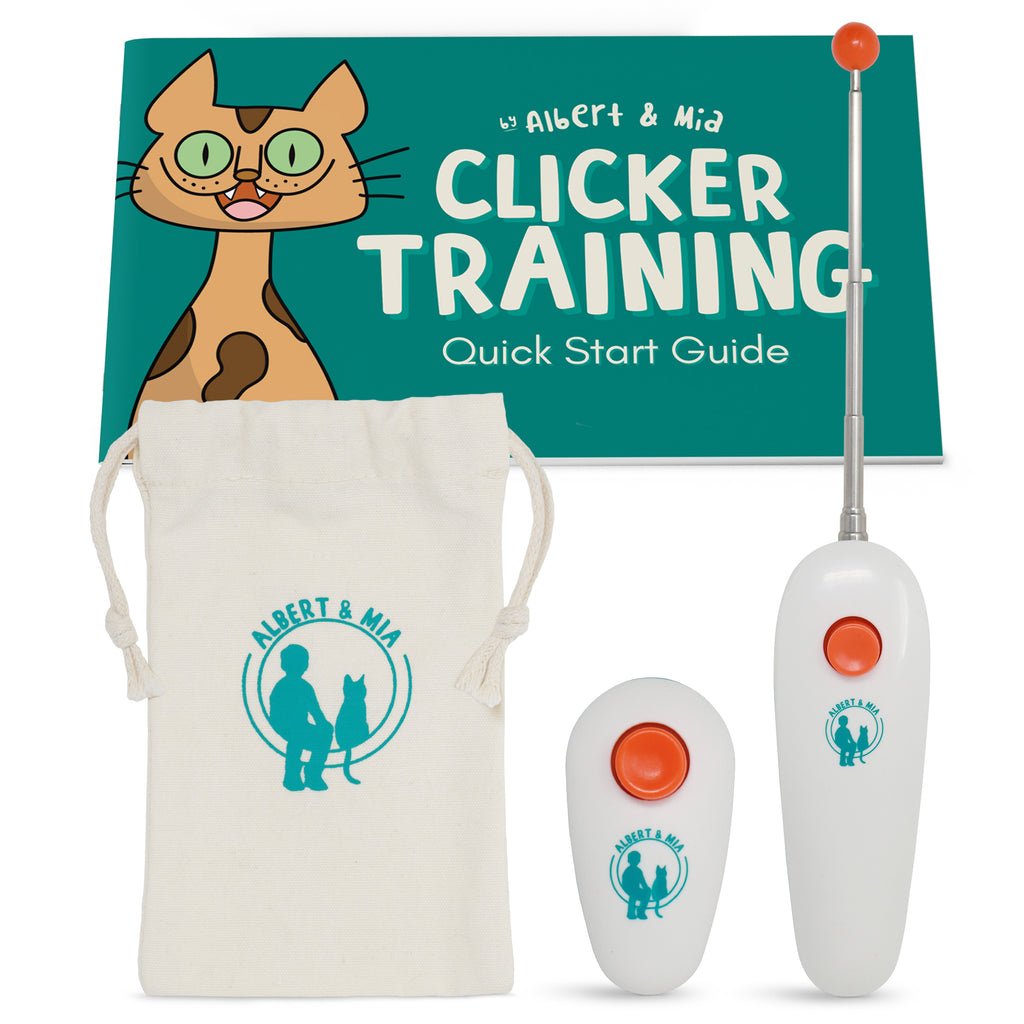
If you want to teach your cat new tricks or improve their behavior, a cat training clicker could be your best friend. Imagine communicating clearly with your furry companion in a way they understand instantly.
With the right clicker, you can turn frustrating moments into fun, rewarding experiences for both of you. Curious how this simple tool can transform your cat’s training and strengthen your bond? Keep reading, because what you’ll discover might just change the way you and your cat connect forever.
Why Use A Clicker For Cats
Training cats can be tricky. Cats respond differently from dogs. Using a clicker helps communicate clearly with your cat. It marks the exact moment your cat does something right. This makes training faster and less frustrating for both.
Benefits Of Clicker Training
- Creates clear communication between you and your cat
- Encourages positive behavior through rewards
- Strengthens the bond between you and your pet
- Makes training sessions short and fun
- Helps cats learn new skills quickly
- Reduces stress for shy or anxious cats
How Clicker Training Works
The clicker makes a sharp, consistent sound. This sound tells your cat exactly when it did the right thing.
First, you teach your cat to link the click sound with a treat. After that, each click means a reward is coming.
When your cat performs a behavior you want, click immediately. Then give a treat. Repeat this often to help your cat learn.

Credit: www.amazon.ca
Choosing The Right Clicker
Choosing the right clicker for cat training can make a big difference in how quickly your feline friend learns new behaviors. Not all clickers are created equal, and picking one that suits both you and your cat’s needs is key. Think about what will be easiest for you to use and what will catch your cat’s attention most effectively.
Types Of Clickers
There are several types of clickers designed for pet training, each with its own style and sound. The most common is the classic plastic clicker that makes a sharp, consistent “click” sound.
Some clickers have a button you press, while others use a lever or switch. You might also find electronic clickers that produce a beep instead of a click, which can be useful if your cat responds better to different sounds.
Consider how loud the clicker is. If your cat is shy or easily startled, a softer click might work better. On the other hand, if your cat has trouble hearing, a louder click could be more effective.
Features To Consider
- Size and Shape:Choose a clicker that fits comfortably in your hand. You’ll be using it often, so it should feel natural to hold and press.
- Sound Consistency:The click sound should be clear and the same every time. Inconsistent sounds can confuse your cat and slow down training.
- Durability:Look for clickers made from sturdy materials. If you drop it or carry it in your pocket, you want it to last without breaking.
- Ease of Use:Some clickers require more pressure than others. Test a few if possible to see which is easiest for you to operate quickly.
- Additional Features:Some clickers come with built-in treat dispensers or wrist straps. These extras can make training smoother but aren’t necessary for everyone.
Have you ever noticed how a small change in the tool you use can speed up your cat’s learning? The right clicker doesn’t just make training easier for you; it helps your cat understand what you want faster. What type of clicker feels right for your training style?
Getting Started With Clicker Training
Starting with clicker training for your cat can build a strong bond. It uses a small sound to mark good behavior. This helps cats learn fast and enjoy training sessions. Patience and practice are key to success.
Introducing The Clicker To Your Cat
First, let your cat hear the clicker sound several times. Click once, then immediately give a treat. Repeat this to help your cat link the sound with rewards. Keep sessions short and positive. Avoid overwhelming your cat with too many clicks.
Timing And Consistency
Click right when your cat does the correct action. This helps your cat know exactly what earns a treat. Be consistent with your timing every time. Train in the same quiet place to reduce distractions. Regular, short sessions work better than long, rare ones.
Basic Commands To Teach
Teaching your cat basic commands with a clicker can transform your daily interactions. These commands help build trust and make communication clear. They also keep your cat mentally stimulated and more responsive to your cues.
Sit And Stay
Start by holding a treat above your cat’s head and moving it slightly back. Your cat will naturally sit to keep its eyes on the treat. The moment your cat’s bottom touches the ground, click the clicker and give the treat.
Once your cat sits reliably, add the word “stay” and take a small step back. Click and reward if your cat remains seated. This command strengthens patience and focus, which are useful in many situations.
Come When Called
Choose a simple word like “here” or “come.” Use the clicker and treat when your cat approaches you after hearing the cue. Keep initial distances short to avoid frustration for your cat.
Increase the distance gradually and always reward success. This command can be crucial for safety and is surprisingly easy to teach with consistent practice.
Using The Litter Box
Clicker training can help reinforce litter box habits. Click and reward your cat immediately after it uses the box correctly. Timing is key to making the connection clear.
If your cat is new to litter training, place it in the box after meals or naps. Encourage with the clicker when it shows interest or uses the box. This reduces accidents and makes litter training smoother for both of you.
Advanced Training Techniques
Advanced training techniques with a cat training clicker can take your cat’s skills and behavior to the next level. These methods require patience and consistency but reward you with a deeper bond and a more responsive pet. You might find yourself surprised at what your cat can learn once you start using these targeted approaches.
Trick Training
Using a clicker for trick training is a fun way to challenge your cat’s intelligence. Start with simple tricks like “sit” or “high five” and use the clicker to mark the exact moment your cat performs the action. This precise timing helps your cat understand what behavior earns the reward.
Once your cat masters basic tricks, try combining them into sequences. For example, you can teach your cat to “sit,” then “spin,” and finally “jump” on command. Breaking down complex tricks into smaller steps makes training manageable and enjoyable for both of you.
Have you noticed how quickly your cat picks up a new trick? Keep sessions short and positive to maintain their interest. A few minutes a day can lead to impressive progress without overwhelming your feline friend.
Addressing Behavioral Issues
Clicker training isn’t just for tricks; it’s also effective for correcting unwanted behaviors. If your cat scratches furniture or jumps on counters, use the clicker to reward alternative behaviors like using a scratching post or staying on the floor.
Consistency is key. Every time your cat chooses the right behavior, click and reward immediately. This clear communication helps your cat understand what you expect and reduces frustration for both of you.
Have you tried redirecting your cat’s behavior with positive reinforcement instead of punishment? It often leads to faster, longer-lasting changes. Try pairing the clicker with distractions or environmental changes to support your training efforts.
Common Challenges And Solutions
Training a cat with a clicker often brings unique challenges. Cats have short attention spans and can be easily distracted. Staying patient and consistent helps overcome these hurdles. Understanding common problems helps trainers adjust their approach for better results.
Dealing With Distractions
Cats notice sounds, movements, and smells around them. These distractions can break their focus during training. Choose a quiet room for sessions. Remove toys or other animals that may divert attention. Short training sessions work best to keep your cat engaged. If your cat loses focus, pause and try again later.
Keeping Your Cat Motivated
Motivation is key to successful clicker training. Use small, tasty treats your cat loves. Avoid feeding too many treats at once. Change rewards often to keep things interesting. Praise your cat gently with a calm voice. Keep sessions brief and fun to maintain interest. Watch your cat’s body language for signs of boredom or stress.
Maintaining Long-term Success
Maintaining long-term success with your cat training clicker requires consistency and thoughtful strategies. It’s not just about teaching tricks once; it’s about keeping your cat engaged and motivated over time. How do you ensure your cat stays eager to learn and respond to the clicker months or even years down the line?
Regular Practice
Practice regularly but keep sessions short and fun. Cats have short attention spans, so 5 to 10 minutes a day works best. Consistency helps your cat remember what the clicker means and keeps the behavior sharp.
Try to fit training into your daily routine. For example, use clicker sessions before mealtime or during playtime. This builds a habit and makes training a natural part of your day.
Don’t worry if progress seems slow sometimes. Even brief, frequent practice beats long, rare sessions. What small steps can you add to your schedule today?
Reward Strategies
Rewards are the heart of clicker training. Always follow the click with something your cat loves, like a tasty treat or affection. This creates a clear connection between the click and positive outcomes.
Mix up the types of rewards to keep your cat interested. Use small treats, playtime, or gentle petting. This variety stops training from feeling repetitive and keeps your cat curious.
Watch your cat’s reactions closely. If a reward no longer excites them, try something new. Have you noticed what truly motivates your cat to respond eagerly?

Credit: www.catschool.co

Credit: www.amazon.ca
Frequently Asked Questions
What Is A Cat Training Clicker?
A cat training clicker is a small handheld device. It makes a consistent clicking sound to mark desired behaviors. It helps cats quickly associate actions with rewards during training sessions.
How Does Clicker Training Benefit Cats?
Clicker training provides clear communication between cats and owners. It encourages positive behavior through immediate reinforcement. This method reduces stress and speeds up learning compared to traditional training.
Can All Cats Learn With A Clicker?
Yes, most cats can learn using a clicker. Patience and consistency are key factors. Some cats may take longer but usually respond well to clicker training.
What Rewards Work Best With Clicker Training?
Treats, affection, and playtime are effective rewards. Choose high-value treats your cat loves. Immediate rewards after the click reinforce positive behaviors efficiently.
Conclusion
Using a clicker helps teach cats new behaviors quickly. It creates clear communication between you and your pet. Patience and consistency will bring the best results. Cats enjoy learning when it feels fun and rewarding. Small training sessions fit well into daily routines.
Remember, every cat learns at its own pace. Keep the experience positive and simple for success. Training with a clicker builds trust and strengthens your bond. Try it and see how your cat responds. Training can be an enjoyable part of life together.
