


Have you ever wished your cat would listen to you just a little more? Imagine a home where your furry friend follows simple commands, uses the litter box consistently, and stops scratching the furniture.
Cat training might sound impossible, but it’s easier than you think. With the right approach, you can build a stronger bond with your cat and enjoy a more peaceful, happy home. Keep reading to discover simple, effective tips that will transform your cat’s behavior—and your daily life.
Basics Of Cat Behavior
Understanding the basics of cat behavior is key to successful training. Cats have unique ways of communicating and acting that often puzzle their owners. By paying attention to these patterns, you can guide your cat more effectively and build a stronger bond.
Instincts And Natural Habits
Cats are born with instincts that shape much of their behavior. Hunting, climbing, scratching, and marking territory are natural habits you’ll see often. These instincts aren’t just random; they help your cat feel safe and satisfied.
Recognizing these instincts helps you provide the right outlets. For example, giving your cat a scratching post satisfies their need to mark territory and keep claws healthy. Without such outlets, your cat might direct these behaviors toward your furniture or curtains.
Have you noticed your cat’s sudden bursts of energy, often called “zoomies”? This is their way of releasing built-up energy, especially if they don’t get enough playtime during the day.
Common Behavioral Issues
Cats can develop behaviors that frustrate owners, but most have simple causes. Scratching furniture, spraying, or refusing to use the litter box are common issues you might face.
Often, these behaviors signal unmet needs or stress. For instance, a cat avoiding the litter box might be reacting to a dirty tray or a medical issue. Observing your cat’s environment and routine can reveal triggers you hadn’t considered.
What’s your cat’s most challenging behavior? Understanding the root cause can turn frustration into opportunity. Instead of punishing, try to redirect or adjust the environment to encourage better habits.
Essential Training Tools
Training your cat becomes much smoother when you have the right tools on hand. These essentials not only make learning fun but also help your cat stay motivated and engaged. Picking the right items can mean the difference between frustration and success in your training journey.
Choosing The Right Treats
Treats are powerful motivators for cats, but not all treats work equally well for training. Opt for small, soft treats that your cat can eat quickly without interrupting the flow of the session.
Consider your cat’s preferences and dietary needs. Some cats prefer fish-flavored bites, while others go crazy for chicken or cheese. You might need to try a few types to discover what excites your cat the most.
Have you noticed your cat’s enthusiasm fade during training? Switching to higher-value treats can reignite their interest and keep them focused.
Using Clickers And Toys
Clickers offer a clear, consistent signal that your cat associates with a reward. This precise communication helps your cat understand exactly which behavior earned the treat.
Not every cat responds immediately to a clicker. Be patient and pair the click sound with treats several times before expecting results.
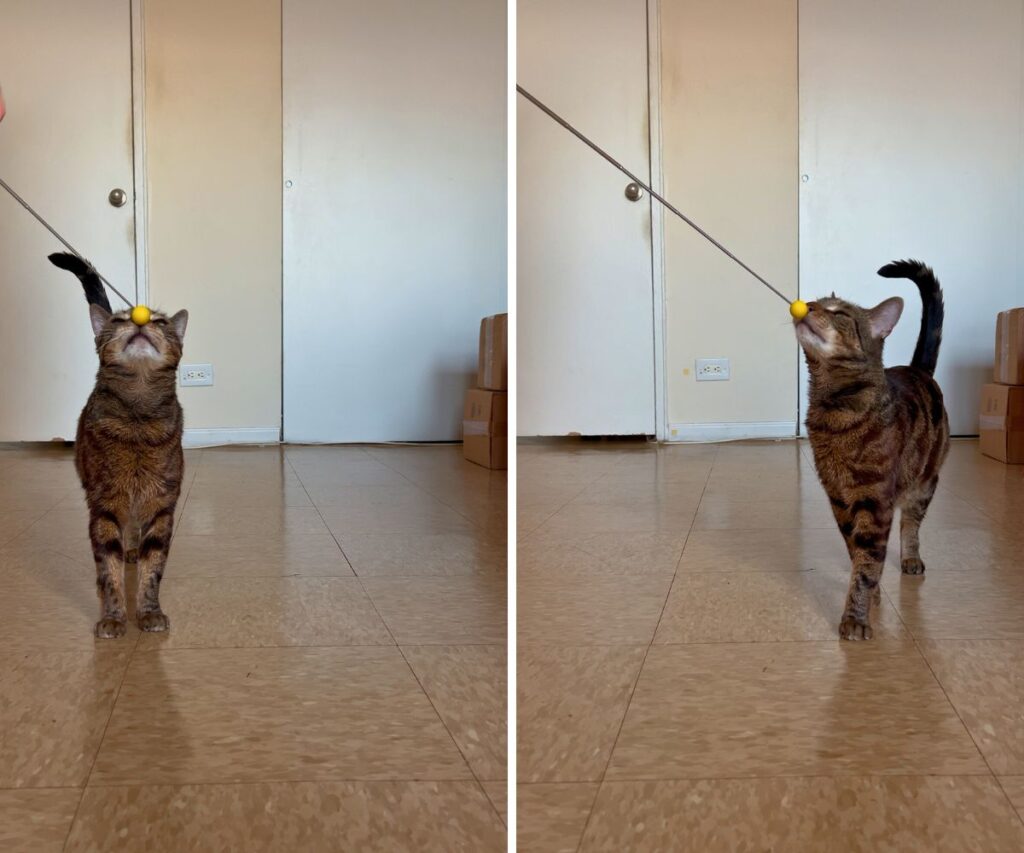
Toys add an element of play that can make training sessions more enjoyable. Use feather wands or laser pointers to capture your cat’s attention and channel their energy positively.
Think about your cat’s favorite type of play. Does your cat chase, pounce, or bat at objects? Tailor your toy selection to fit their natural instincts for better engagement.
Positive Reinforcement Techniques
Positive reinforcement techniques are powerful tools to shape your cat’s behavior gently and effectively. Instead of focusing on what your cat does wrong, these methods reward good actions, encouraging your feline friend to repeat them. This approach builds trust and makes training a fun experience for both of you.
Rewarding Good Behavior
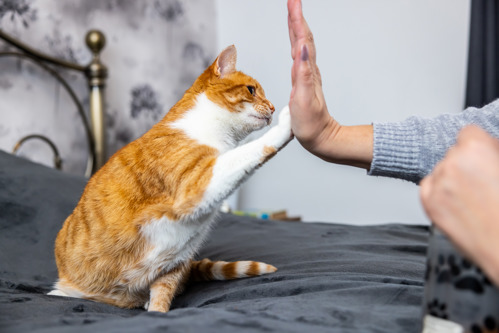
Rewarding your cat immediately after they perform a desired behavior helps them connect the action with the positive outcome. Use treats, praise, or petting—whatever your cat prefers—as a reward. For example, if your cat uses the scratching post instead of the couch, give a small treat right away to reinforce that choice.
Keep a variety of rewards on hand to maintain your cat’s interest. Some cats respond better to playtime or affection than food. Pay attention to what motivates your cat most, so you can make training sessions more successful.
Timing And Consistency
Timing is crucial in positive reinforcement. Deliver the reward within seconds of the good behavior to make the connection clear. If you wait too long, your cat may not understand what they’re being rewarded for.
Consistency also plays a key role. Reward the same behavior every time, especially in the beginning. If you only reward sometimes, your cat may become confused or less motivated to repeat the behavior.
Ask yourself: Are you ready to be patient and consistent? Cats learn best when you stick to a routine, so plan short, regular training sessions. This steady approach can turn small wins into lasting habits.
Credit: www.cats.org.uk
Litter Box Training Tips
Getting your cat comfortable with the litter box is a key part of a happy home. The right approach makes training smoother for both of you. Let’s look at some practical tips that can help your cat use the litter box confidently.
Selecting The Best Litter
Choosing the right litter can make a huge difference. Cats have sensitive noses and paws, so pick a litter that feels soft and smells neutral or unscented. Avoid clumping litters with strong fragrances; many cats find them off-putting.
Think about your cat’s preferences too. Some cats like fine-grained litter, while others prefer coarser textures. If your cat avoids the box, try switching to a different type to see if that helps.
Maintaining Cleanliness
Cleanliness is crucial for encouraging your cat to use the box regularly. Scoop waste at least once a day and wash the box with mild soap weekly. Cats are clean animals and won’t use a dirty box.
Place the litter box in a quiet, low-traffic area where your cat feels safe. Have you noticed your cat avoiding the box after a messy accident? It might be time to clean more often or add an extra box in your home.
Handling Aggression And Scratching
Handling aggression and scratching in cats requires patience and clear strategies. These behaviors can be signs of stress, fear, or natural instincts. Addressing them helps keep your home safe and your cat calm. Understanding why your cat acts this way is the first step toward better behavior.
Redirecting Negative Actions
Redirecting aggression and scratching helps protect your belongings. When your cat shows signs of aggression, calmly distract it with a toy. Avoid yelling or punishing, as this may increase stress.
Use gentle redirection by:
- Offering a toy to bite or chase
- Moving your cat away from people or fragile items
- Using a soft voice to soothe your cat
Consistency is key. Redirect every time negative behavior starts. This teaches your cat what is acceptable.
Providing Appropriate Outlets
Cats need proper outlets for their energy and instincts. Scratching is natural and helps keep claws healthy. Provide multiple scratching posts or pads in different areas.
Choose posts made of materials cats enjoy, like sisal or carpet. Place them near favorite resting spots or windows.
Other outlets include:
- Interactive toys to encourage play
- Climbing trees to explore and exercise
- Regular playtime sessions with you
These outlets reduce frustration and aggressive behavior by keeping cats engaged.
Teaching Basic Commands
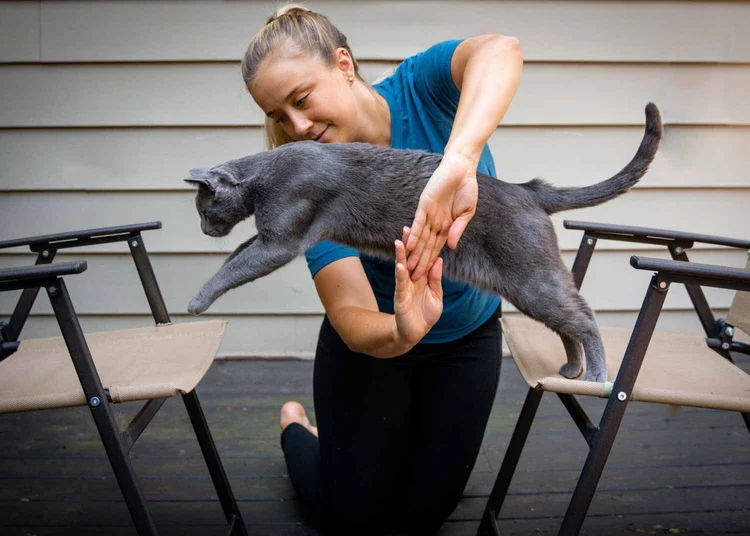
Teaching basic commands to your cat builds good behavior and strengthens your bond. Cats are smart and can learn simple words and actions. Patience and consistency are key during training sessions. Use treats and praise to motivate your cat. Keep training short and fun for better results.
Sit
Start by holding a treat close to your cat’s nose. Slowly move the treat upward and backward over their head. The cat will naturally sit to follow the treat with their eyes. As soon as they sit, say “sit” clearly and give the treat. Repeat this several times a day. Reward each successful sit to reinforce the behavior.
Stay
Ask your cat to sit first. Hold your hand up like a stop sign and say “stay” in a calm voice. Take a step back and wait a few seconds. If the cat remains still, reward with a treat and praise. Gradually increase the distance and time you ask your cat to stay. Always return to your cat to give the reward before they move.
Come
Use a happy tone to say “come” while showing a treat. Start close to your cat and gently call their name with the command. When your cat approaches, immediately give the treat and pet them. Practice this in different rooms for better learning. Avoid calling your cat for negative reasons to keep the command positive.
Leash Training Your Cat
Leash training helps your cat explore safely outside. Begin by letting your cat wear a harness indoors for short times. Let them get used to the feel without pressure. Attach the leash and follow your cat calmly as they move. Use treats to encourage walking beside you. Take it slow; some cats take longer to adjust. Always supervise outdoor time for safety.
Dealing With Anxiety And Stress
Many cats suffer from anxiety and stress. These feelings can affect their behavior and health. Helping cats cope is important for their happiness. Cats respond best to calm, stable surroundings and gentle care. Understanding how to reduce stress improves their wellbeing and your bond.
Creating A Safe Environment
A calm space helps cats feel secure. Provide quiet areas away from noise and activity. Use soft bedding and familiar scents to comfort them. Keep food, water, and litter boxes easily accessible. Avoid sudden changes in the home layout. Regular routines build trust and reduce fear.
Using Calming Aids
Calming aids ease anxiety without side effects. Pheromone diffusers release natural scents that relax cats. Herbal supplements like chamomile or valerian may help. Soft music or white noise can block scary sounds. Interactive toys distract and reduce nervous energy. Always check products are safe for cats before use.
Credit: caticles.com
Consistency And Patience
Training a cat demands both consistency and patience. Cats respond best when you stick to a routine and maintain calm persistence. Rushing or changing your approach too often can confuse your feline friend and slow down progress.
Think about your own habits—would you make lasting changes if the rules kept changing every day? The same applies to cats; steady repetition helps them understand what you expect.
Setting Realistic Goals
Start by defining clear, small goals for your cat’s training sessions. Instead of aiming for perfect behavior immediately, focus on simple achievements like responding to their name or using a scratching post.
Breaking down training into manageable steps prevents frustration for both you and your cat. It’s easier to celebrate tiny wins, which keeps motivation high.
Ask yourself: What can my cat realistically learn this week? Adjust your expectations based on their personality and past reactions.
Tracking Progress
Keep a journal or use a simple checklist to note your cat’s behavior during each session. This helps you see patterns and adjust your methods if needed.
Recording progress also highlights improvements that might seem small day-to-day but add up over time. It’s a great way to stay motivated and patient.
- Note the time of day your cat is most responsive.
- Track which rewards work best—treats, play, or affection.
- Write down any setbacks and how you handled them.
How often do you reflect on your pet’s learning journey? Tracking progress turns training into a collaborative effort between you and your cat.
Credit: www.catschool.co
Frequently Asked Questions
How Can I Start Training My Cat?
Begin with simple commands like “sit” using treats as rewards. Cats respond well to positive reinforcement. Short, daily sessions work best. Always be patient and consistent. Over time, your cat will learn to associate commands with rewards.
What Is Clicker Training For Cats?
Clicker training uses a small device to make a clicking sound. This sound marks desired behaviors. Pair the click with a treat to reinforce learning. It’s an effective way to communicate and train cats, enhancing their learning experience.
How Do I Stop My Cat From Scratching Furniture?
Provide scratching posts and place them near furniture. Use deterrents like double-sided tape on furniture. Reward your cat for using scratching posts. Regularly trim your cat’s nails to minimize damage. Consistency is key in redirecting their behavior.
Can Older Cats Be Trained Effectively?
Yes, older cats can learn new behaviors with patience. Use positive reinforcement techniques. Short, consistent training sessions work best. Be patient and understanding of their pace. Tailor training to suit their needs and abilities.
Conclusion
Training your cat takes time and patience. Small steps lead to big progress. Use treats and praise to encourage good behavior. Stay consistent and calm during each session. Cats learn best in a quiet, safe space. Training builds trust and improves your bond.
Enjoy the journey of teaching your furry friend. Keep your expectations realistic and celebrate every success. With care and effort, your cat will learn well.
