

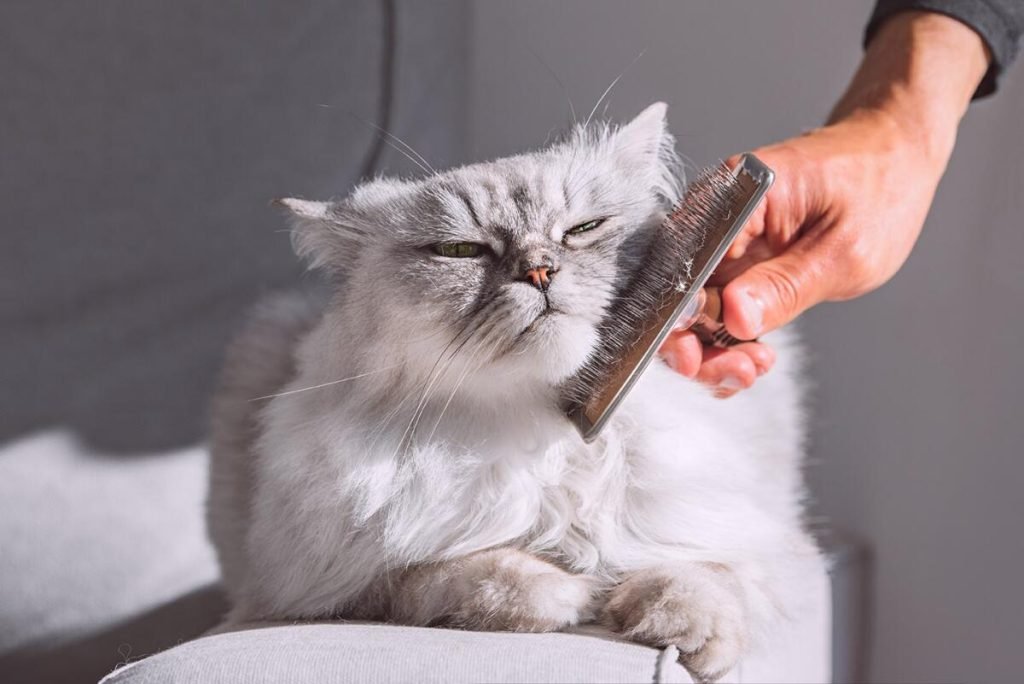
Have you noticed your cat licking itself more than usual? That constant grooming might seem harmless, but it could be a sign of stress.
When your furry friend starts over-grooming, it’s not just about keeping clean—it’s their way of coping with anxiety. Understanding why your cat is stressed and how grooming fits into the picture can help you protect their health and happiness. Keep reading to discover what triggers cat stress grooming, how to spot it early, and simple steps you can take to calm your beloved pet.
Your cat’s well-being depends on it.

Credit: www.latimes.com
Signs Of Stress Grooming
Stress grooming in cats shows through several clear signs. Recognizing these helps protect your cat’s health. Cats use grooming to calm themselves. But too much grooming signals stress or anxiety. Watch for changes in their usual behavior. Early detection can prevent skin damage and discomfort.
Excessive Licking
Cats normally groom to stay clean. Excessive licking means more than normal care. It happens in one spot or many areas. This behavior can cause redness or soreness. Cats may lick until the skin breaks. It often occurs after stressful events or changes.
Hair Loss Patterns
Stress grooming can cause noticeable hair loss. Bald patches may appear on the belly or legs. Sometimes the tail or neck loses fur too. The hair loss is uneven, not like normal shedding. Persistent stress grooming can make these patches bigger.
Skin Irritations
Look for signs of irritated skin from stress grooming. The skin may become red, inflamed, or raw. Small wounds or scabs can develop from constant licking. Cats might scratch these areas, making irritation worse. Skin irritation signals the need for care and comfort.
Common Causes
Cat stress grooming happens for many reasons. Understanding these causes helps you support your pet better. Cats often groom themselves to feel safe or calm. Too much grooming, though, shows stress or discomfort. Identifying common triggers can stop this behavior early.
Environmental Changes
Changes in a cat’s surroundings can cause stress. Moving to a new home, loud noises, or new people may upset them. Even rearranged furniture or new pets can create anxiety. Cats need stable, quiet spaces to feel secure. Sudden shifts in their environment push them to groom more.
Health Issues
Physical problems can make cats groom excessively. Skin allergies, fleas, or wounds lead to discomfort. Pain or illness often causes them to lick the same spot. If grooming causes bald patches, a vet visit is crucial. Addressing health issues reduces stress grooming quickly.
Behavioral Triggers
Stress grooming links to a cat’s mental state. Boredom, loneliness, or lack of stimulation trigger this habit. Cats might groom more if ignored or feeling unsafe. Anxiety from changes in routine can also cause stress. Regular play and attention help calm their nerves.
Health Risks
Stress grooming in cats might seem like just a quirky behavior, but it carries real health risks that can seriously affect your feline friend. If your cat is licking or chewing their fur excessively, you need to watch out for complications that go beyond just bald patches. These issues can worsen quickly and cause discomfort, so understanding the risks is crucial for timely action.
Skin Infections
Excessive grooming damages your cat’s skin, creating open wounds or sores. These breaks in the skin become perfect entry points for bacteria and fungi, leading to infections. You might notice redness, swelling, or scabs—signs that your cat’s skin is struggling to heal.
Ignoring these symptoms can make infections worse and harder to treat. Have you ever seen your cat constantly scratching or biting a spot? That’s often a sign the skin is irritated or infected, so getting a vet’s opinion can prevent serious problems.
Hairball Problems
When cats groom excessively, they swallow more fur than usual. This fur collects in their stomach and forms hairballs, which your cat may try to vomit. While occasional hairballs are normal, too many can cause blockages in the digestive system.
Blockages can lead to loss of appetite, vomiting, or even constipation. If your cat suddenly stops eating or seems lethargic, think about whether stress grooming could be behind it. Managing stress and grooming habits helps reduce hairball issues.
Secondary Illnesses
Stress grooming often signals underlying anxiety or other health issues. If these root causes go untreated, your cat’s overall health can decline. Chronic stress weakens their immune system, making it easier for other illnesses to take hold.
Watch for changes in behavior like hiding, decreased appetite, or aggression. These could point to deeper problems linked to stress grooming. Addressing both the grooming and its triggers is key to protecting your cat’s health long-term.
Home Remedies
Dealing with stress grooming in cats can be challenging, but there are several home remedies you can try to ease your feline friend’s anxiety. These simple changes in their environment and routine can make a big difference without needing medications or vet visits. Have you noticed how small adjustments can sometimes calm your cat more than expected?
Creating A Calm Space
Start by setting up a quiet, cozy area where your cat can retreat whenever they feel overwhelmed. Use soft blankets, a comfy bed, and keep the space away from loud noises or heavy foot traffic.
Adding familiar scents, like a piece of your clothing or a favorite toy, helps your cat feel safe. Consider using pheromone diffusers designed for cats to promote relaxation naturally. Have you tried observing where your cat goes to relax most often? Mimicking that spot can make the calm space more inviting.
Interactive Toys
Interactive toys help distract your cat from stress grooming by engaging their mind and body. Toys that mimic prey, such as feather wands or laser pointers, can satisfy their hunting instincts and reduce anxiety.
Rotate toys regularly to keep your cat interested and prevent boredom. Puzzle feeders are another great option—they stimulate your cat mentally and slow down mealtime, which can reduce stress. Could your cat’s grooming be a sign they need more playtime?
Diet Adjustments
Your cat’s diet plays a crucial role in their overall well-being and stress levels. Adding supplements like omega-3 fatty acids can improve skin health and reduce inflammation caused by excessive grooming.
Feeding smaller, more frequent meals can also help keep your cat calm throughout the day. Avoid sudden changes in diet, but consider discussing with your vet about foods designed to support a calm demeanor. What if a simple change in food could ease your cat’s stress grooming?
When To See A Vet
Knowing when to see a vet for your cat’s stress grooming is crucial. Excessive grooming can signal underlying issues that need professional attention. Ignoring these signs may lead to worsened health problems or prolonged discomfort for your pet.
Persistent Grooming
If your cat keeps grooming the same spot for long periods, it’s a red flag. This behavior can cause bald patches, sores, or skin infections. When you notice your cat obsessively licking or biting their fur daily, it’s time to consult a vet.
Physical Symptoms
Look closely for any skin changes like redness, swelling, or scabs. These signs often indicate irritation or allergic reactions linked to stress grooming. Your vet can help diagnose the cause and recommend treatments to relieve your cat’s discomfort.
Behavioral Changes
Stress grooming often comes with shifts in your cat’s behavior. Are they hiding more, showing aggression, or losing interest in play? These changes suggest your cat might be struggling emotionally, and professional help could be necessary to address the root cause.
Credit: www.latimes.com
Professional Treatments
Professional treatments play a key role in managing cat stress grooming. These treatments help reduce anxiety and stop harmful over-grooming. Experts use a mix of medical and behavioral approaches to calm your cat. Understanding these options helps you choose the best care for your pet.
Medication Options
Vets may prescribe medication to ease stress and anxiety. Common drugs include anti-anxiety pills and mild sedatives. These medicines help balance brain chemicals linked to stress. Medication should always be used under veterinary guidance. It supports other treatments and helps your cat feel better faster.
Behavioral Therapy
Behavioral therapy teaches cats new ways to cope with stress. Trainers use positive reinforcement to reward calm behavior. Creating a calm environment at home is part of therapy. Therapy may include playtime, puzzle feeders, and routine changes. This approach reduces anxiety and improves your cat’s overall mood.
Alternative Therapies
Alternative therapies offer natural ways to calm stressed cats. Techniques like pheromone diffusers release calming scents. Acupuncture and massage can also relax your cat’s body. Some owners try herbal supplements after vet approval. These therapies support traditional treatments and improve well-being.
Preventive Measures
Preventing stress grooming in cats takes attention and care. You can create a balanced life for your feline friend by focusing on their daily routine, surroundings, and health. Small changes often make a big difference in reducing stress-related behaviors.
Routine And Environment
Cats thrive on consistency. Try to feed, play, and interact with your cat at the same times every day. This predictability helps them feel secure and less anxious.
Check your cat’s environment for any sudden changes or disturbances. Loud noises, new pets, or rearranged furniture can trigger stress. Providing a quiet, safe space where your cat can retreat is essential.
Have you noticed your cat grooming more after a change in their environment? This could be a sign that they need a calmer space or a more stable routine.
Stress Reduction Techniques
Engaging your cat in regular play is one of the most effective ways to lower stress. Use toys that mimic hunting to keep them active and mentally stimulated.
Consider adding pheromone diffusers, which can help calm your cat naturally. These products release scents similar to a mother cat’s, providing comfort.
Sometimes, simply spending quiet time with your cat, petting them gently, can ease their nerves. Have you tried observing what your cat enjoys most during these moments?
Regular Health Checks
Stress grooming can sometimes be a sign of underlying health problems. Regular vet visits are crucial to rule out issues like allergies, skin infections, or pain.
Keep an eye on changes in your cat’s behavior or appearance. Early detection of health concerns can prevent stress from worsening.
Scheduling routine check-ups shows your cat that their well-being matters, which helps reduce anxiety in the long run.

Credit: www.latimes.com
Expert Tips
Dealing with cat stress grooming can be challenging, but understanding how to support your feline friend is key. Expert tips can guide you to spot early signs, build trust, and maintain consistent care, which together create a calmer environment for your cat. These steps not only help reduce stress but also strengthen your bond.
Recognizing Early Signs
Watch for sudden changes in your cat’s grooming habits. Excessive licking or bald patches can be red flags. You might notice your cat avoiding interaction or hiding more often.
Have you ever caught your cat licking the same spot repeatedly? This behavior often signals stress before it becomes severe. Early detection allows you to act before the problem escalates.
Building Trust
Your cat needs to feel safe to reduce stress grooming. Spend quiet time near your cat without forcing interaction. Let your cat approach you on their own terms.
Try gentle petting or softly speaking to your cat during calm moments. Trust grows slowly, so patience matters more than rushing affection. Have you noticed how your cat’s body language changes when they feel comfortable?
Consistent Care
Stress can worsen if your cat’s routine is unpredictable. Feed, play, and clean their litter box at regular times every day. Consistency provides a sense of security.
Use calming products like pheromone diffusers or soft music to create a peaceful atmosphere. Monitor progress and adjust based on what your cat responds to best. What small changes could you make today to provide a steadier routine?
Frequently Asked Questions
What Causes Stress Grooming In Cats?
Stress grooming in cats is often triggered by anxiety or environmental changes. Factors like moving houses, new pets, or loud noises can contribute. Cats may excessively groom themselves to cope with stress, leading to hair loss or skin irritation. It’s essential to identify and minimize these stressors to help your cat.
How Can I Identify Stress Grooming Signs?
Signs of stress grooming include excessive licking, hair loss, and skin redness. You may notice bald patches or irritation on specific areas. Cats may also seem anxious or restless. If you observe these symptoms, it’s crucial to consult a veterinarian to rule out underlying health issues and address stress.
Can Stress Grooming Harm My Cat?
Yes, stress grooming can harm your cat by causing skin irritation and infections. Excessive grooming may lead to bald spots and sores, increasing the risk of skin problems. Addressing the underlying stressors and seeking veterinary guidance is essential to prevent health complications and ensure your cat’s well-being.
How To Reduce Stress Grooming In Cats?
To reduce stress grooming, create a calm environment for your cat. Provide enrichment activities and safe spaces. Keep a consistent routine and use pheromone diffusers to soothe your cat. Consult a veterinarian for advice on behavioral interventions and potential medical treatments to address your cat’s stress effectively.
Conclusion
Cat stress grooming can signal deeper problems. Watch your cat’s behavior closely. Offer a calm space and gentle care. Small changes help reduce anxiety and improve health. Consult a vet if grooming seems extreme. Your attention can make a big difference.
Keep your cat happy and comfortable every day. Stress grooming is manageable with patience and love.
