

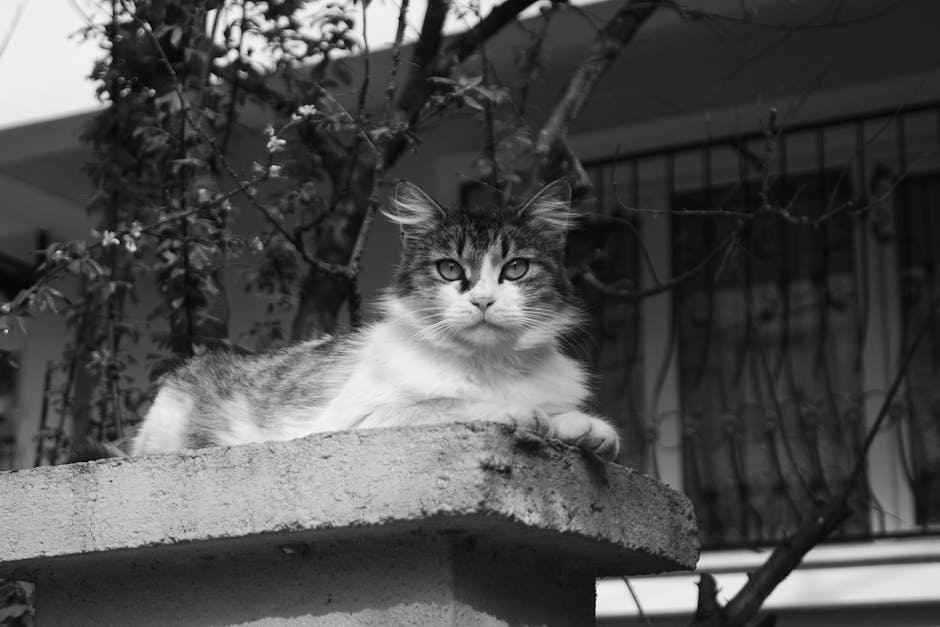
Have you ever caught your cat staring intently at a blank wall or suddenly darting across the room as if chased by an invisible force? If you’re nodding your head, you’re not alone.
Cats are fascinating creatures, but sometimes their behavior can leave you scratching your head. You’re probably eager to understand why your furry friend acts in such mysterious ways, and that’s exactly what we’ll explore. By the end, you’ll have a deeper insight into your cat’s quirky habits, and who knows, you might even uncover new ways to bond with your enigmatic companion.
Keep reading to discover the reasons behind your cat’s strange behavior and how it can actually be a window into their world.

Credit: www.youtube.com
Unusual Cat Actions Explained
Cats often act in strange ways that confuse many owners. These unusual behaviors have reasons rooted in their nature and instincts. Understanding these actions helps build a stronger bond with your pet. Below, some common odd cat habits are explained clearly.
Why Cats Stare Without Blinking
Cats stare without blinking to focus deeply on something. It is their way to watch prey or sense danger. This intense gaze helps them gather important information. Slow blinking back to your cat shows trust and calmness. It’s a silent way of saying “I feel safe with you.”
Sudden Zoomies And Hyperactivity
Sometimes cats run wildly around the house without warning. These bursts of energy are called zoomies. Zoomies help release built-up energy and stress. They often happen after naps or play sessions. Providing toys and playtime reduces these sudden outbursts.
Kneading And Purring Mysteries
Kneading means pressing paws alternately on soft surfaces. Cats do this since kittenhood to comfort themselves and their mother. Kneading shows contentment and marks territory with scent glands. Purring also expresses happiness but can signal healing or stress. Listening to your cat’s purr helps understand its mood.

Credit: www.uk.sheba.com
Odd Sleeping Habits
Cats are known for their quirky and sometimes puzzling sleeping habits. You might find your feline friend dozing off in places that leave you scratching your head or perched somewhere you never expected. Understanding these odd habits can help you appreciate your cat’s unique personality and ensure they get the rest they need.
Sleeping In Small Or Strange Places
Have you noticed your cat squeezing into tiny boxes or curling up inside a laundry basket? Cats often choose small, enclosed spaces because these spots make them feel safe and protected. Your cat’s attraction to odd places isn’t just about comfort—it’s a survival instinct.
If your cat is sleeping in a closet or under furniture, don’t rush to move them. These spots can help reduce stress and provide a quiet retreat. Try placing a soft blanket or a small bed in these favorite spots to make them even cozier.
Cats’ Preference For High Spots
Why does your cat climb on top of shelves or perch on the back of the sofa? Cats love high places because it gives them a vantage point to watch their environment. This behavior is linked to their natural hunting instincts and desire to feel secure.
Providing safe high spots, like cat trees or window perches, can satisfy this need. If your cat chooses an unexpected high spot, think about whether it offers warmth, safety, or a good view. Have you tried adding a soft cushion to their favorite perch?
Napping Patterns And Their Meaning
Cats don’t sleep like humans—they take several short naps throughout the day. These naps, often called “catnaps,” help them stay alert and conserve energy for bursts of activity. Understanding your cat’s napping pattern can give you clues about their health and mood.
If your cat suddenly naps more or less than usual, it might signal stress or illness. Observe when and where your cat naps to spot any changes. What does your cat’s favorite nap time tell you about their daily routine?
Communication Through Behavior
Cats communicate a lot through their behavior. Their body language tells us how they feel. Understanding these signals helps us connect better with our pets. Small actions can show big emotions. Watching their behavior closely reveals their mood and intentions.
Tail Movements And What They Mean
The tail is a powerful signal in cat communication. A straight-up tail means a happy and confident cat. When the tail twitches, the cat might be curious or excited. A low or tucked tail shows fear or submission. Rapid flicking can mean irritation or anger. Notice these signs to know what your cat feels.
Ear Positions And Mood Signals
Cat ears move a lot and show many feelings. Forward-facing ears mean the cat is alert or interested. Ears turned sideways or flat against the head show fear or aggression. Quick ear flicks can mean the cat hears something unusual. Watching ear positions helps understand your cat’s mood quickly.
Vocalizations And Their Purposes
Cats use different sounds to communicate. A soft purr shows contentment and comfort. Meowing is often to get attention from humans. Hissing or growling warns of danger or anger. Chirps and trills express excitement or greeting. Listening to these sounds helps you respond to your cat’s needs.
Credit: www.westsidefamilypetclinic.com
Play And Hunting Instincts
Understanding your cat’s play and hunting instincts can change how you interact with them daily. These behaviors are not just fun quirks—they’re deeply rooted survival skills. Recognizing these instincts helps you provide better care and mental stimulation for your feline friend.
Chasing Shadows And Invisible Prey
Have you ever watched your cat suddenly leap at a spot on the wall or floor? This behavior taps into their natural hunting instincts, triggered by moving shadows or reflections. Your cat is reacting to what it perceives as potential prey, even if it’s invisible to you.
To keep your cat mentally engaged, try using light pointers or small moving toys that mimic these elusive targets. This kind of play sharpens their reflexes and satisfies their need to hunt without any harm done.
Interactive Play With Humans
Your cat doesn’t just play alone—they want to engage with you. Interactive toys like feather wands or laser pointers turn playtime into a shared hunting experience. This strengthens your bond and provides essential exercise.
Notice how your cat’s eyes track the toy and how their body tenses before a pounce. These moments are their instincts in action. You can help channel this energy constructively, preventing boredom and unwanted behaviors.
Stalking And Pouncing Techniques
Stalking is a key part of your cat’s hunting strategy. They crouch low, move silently, and fix their gaze on the target before making a quick, precise pounce. Watching this can feel like observing a tiny wild predator at work.
Encouraging stalking and pouncing through play provides physical and mental benefits. Try setting up obstacle courses or hiding toys behind furniture to give your cat a chance to practice these skills. What new games could you invent today to keep your cat’s instincts sharp?
Health And Stress Indicators
Understanding your cat’s health and stress indicators can make a huge difference in how you care for them. Cats are masters at hiding discomfort, so subtle changes in their behavior often signal something is wrong. Paying attention to these signs helps you act early and keep your feline friend comfortable and happy.
Changes In Grooming Habits
Has your cat suddenly stopped grooming or started grooming excessively? Both can be red flags. A lack of grooming might mean your cat is feeling unwell or depressed, while over-grooming can indicate stress or skin irritation.
Notice if your cat’s fur looks dull or patchy. These changes often reflect underlying health issues like allergies or anxiety. You might find your cat licking one spot repeatedly, which can lead to sores and infections if ignored.
Hiding And Withdrawal Signs
Does your cat suddenly disappear for long periods or avoid interaction? Hiding is a classic sign of stress or illness. Cats often seek out secluded spots when they feel vulnerable or scared.
Watch for new hiding places or increased time spent under furniture. This withdrawal can mean your cat is overwhelmed by changes in their environment or experiencing pain. Have you noticed your cat becoming less social or less interested in playtime?
Aggression And Anxiety Behaviors
Unexplained aggression might be your cat’s way of communicating distress. Growling, hissing, or swatting can increase when your cat is anxious or in pain. These behaviors often come as a surprise to owners who think their cat is usually calm.
Look for signs like pacing, restlessness, or sudden changes in appetite. Anxiety can affect your cat’s entire routine and behavior. How do you usually respond when your cat acts out? Adjusting your approach can help reduce their stress significantly.
Surprising Social Behaviors
Cats often surprise us with their social behaviors, showing sides we might not expect. Their interactions with other pets and humans reveal a complex mix of independence and connection. Understanding these behaviors can deepen your bond and improve your home environment.
Bonding With Other Pets
Cats can form genuine friendships with other animals, including dogs, rabbits, and even birds. They often greet their furry housemates with gentle head butts or by grooming them, which is a sign of trust. Have you noticed your cat curling up next to another pet? That’s their way of saying they feel safe and comfortable.
Sometimes, cats use play to build relationships. Watch how they chase each other or share toys. These moments aren’t just fun—they help cats establish social bonds and reduce stress.
Territorial Marking And Sharing
Cats mark territory to feel secure, but this doesn’t always mean they want to be alone. You might see your cat rubbing its face on furniture or even on you. This deposits scent, signaling “this is mine,” but also inviting others to recognize their presence.
Sharing territory can be tricky. If you see your cat and another pet peacefully using the same space, it means they’re negotiating boundaries. To help them coexist, provide multiple resting spots and feeding areas. This simple step lowers tension and promotes harmony.
Seeking Attention Vs. Independence
Cats balance their need for attention with their love of solitude. Some days, your cat might follow you around, demanding pets and playtime. Other days, they might retreat to a quiet corner, preferring to be alone.
Understanding this mood swing helps you respect their limits while giving affection when they seek it. Ask yourself: Does your cat approach you when they want something, or do they sometimes avoid interaction? Recognizing these signals can improve your connection.
Frequently Asked Questions
Why Do Cats Exhibit Strange Behavior Suddenly?
Cats may act oddly due to stress, illness, or environmental changes. Sudden behavior shifts often signal health or emotional issues needing attention.
What Causes Cats To Stare At Walls Strangely?
Cats might stare at walls due to heightened senses detecting sounds or movements humans miss. It can also be curiosity or mild neurological issues.
Is Strange Cat Behavior A Sign Of Illness?
Yes, unusual behavior can indicate pain, infection, or neurological problems. Always consult a vet if your cat’s behavior changes abruptly.
How Can I Calm My Cat’s Strange Behaviors?
Provide a calm environment, regular playtime, and routine vet checkups. Reducing stress and meeting physical needs helps normalize cat behavior.
Conclusion
Cats often show strange behaviors that puzzle their owners. These actions have reasons rooted in their nature and feelings. Paying attention helps you understand what your cat needs. Sometimes, odd habits mean your cat is stressed or unwell. Watching closely can keep your pet happy and healthy.
Enjoy the mystery and charm that come with cat behavior. Each strange move tells a story worth knowing. Keep learning and caring for your furry friend every day.
