

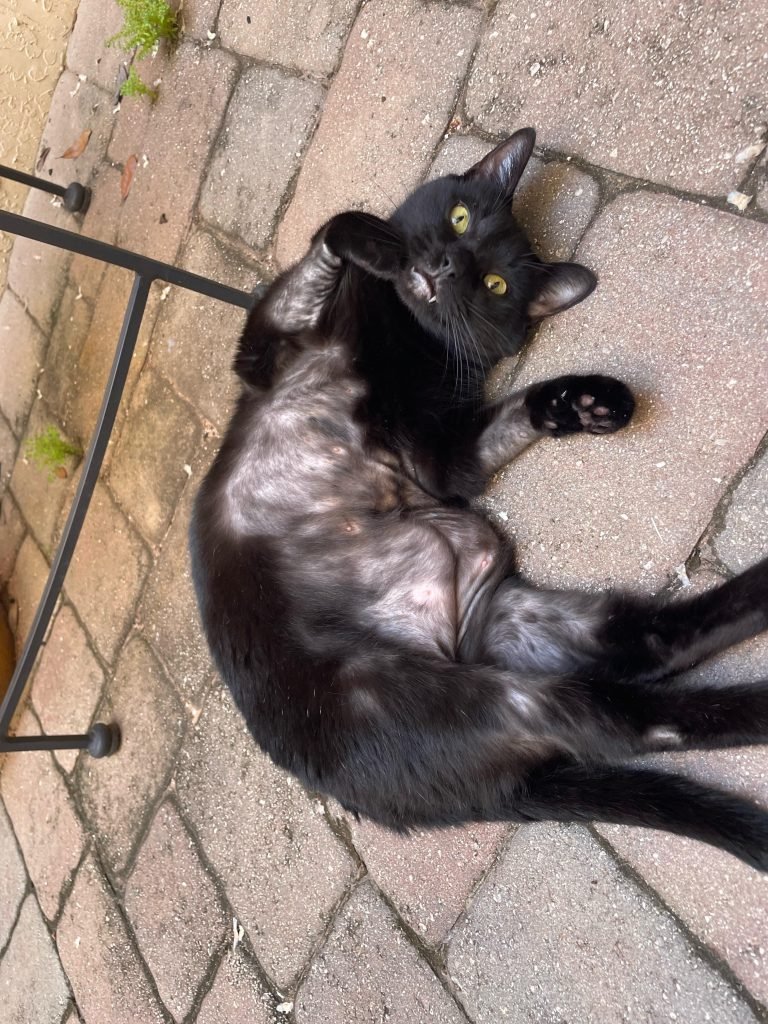
Have you noticed your cat suddenly stops grooming? This change might seem small, but it can tell you a lot about your furry friend’s health and happiness.
When your cat stops cleaning itself, it could be a sign of stress, illness, or discomfort. Understanding why this happens is key to helping your cat feel better quickly. Keep reading to discover what causes your cat to stop grooming and what you can do to bring back that shiny, healthy coat.
Your cat’s well-being depends on it.
Common Reasons Cats Stop Grooming
Cats usually groom themselves to stay clean and healthy. Grooming also helps them relax. When a cat stops grooming, it signals something might be wrong. Understanding common reasons behind this can help owners act quickly. Some causes are health-related, while others involve stress or environment changes.
Health Issues
Health problems often cause cats to stop grooming. Pain from arthritis or injuries can make grooming difficult. Skin infections or parasites may also discourage grooming. Dental problems can cause discomfort, making cats less likely to groom their face. Regular vet checks help identify these issues early.
Stress And Anxiety
Stress can change a cat’s behavior, including grooming habits. Loud noises, new pets, or visitors can cause anxiety. Cats under stress might groom less or over-groom. Stress affects their overall well-being and can lead to health problems if ignored.
Changes In Environment
Moving to a new home or rearranging furniture can unsettle cats. They may stop grooming as they adjust to new surroundings. Changes in their daily routine or feeding schedule also affect grooming. Cats need time and patience to feel safe again.
Age-related Factors
Older cats may groom less due to reduced flexibility or energy. Age can bring joint pain or dental problems. Older cats might find it harder to reach certain body parts. Extra care and regular grooming help keep senior cats comfortable.

Credit: kigwaspringsschool.com
Signs Of Grooming Problems
Cats are usually very clean animals. They spend a lot of time grooming themselves. When a cat stops grooming, it may show signs that something is wrong. These signs help spot grooming problems early. Early detection can protect your cat’s health and comfort.
Matted Fur
Matted fur appears as tight clumps of hair. The fur feels hard and tangled. Cats with matted fur may have trouble moving. Mats can pull on the skin and cause pain. Regular grooming prevents mats and keeps fur smooth.
Skin Irritations
Look for red, itchy, or swollen skin. Cats may scratch or bite these areas. Skin problems can come from dirt, mats, or infections. Some cats develop sores or scabs. Skin irritations need quick attention to avoid infection.
Unusual Odors
A bad smell can come from poor grooming. Dirt and oils build up on the fur. This creates a strong, unpleasant odor. Mouth or skin infections also cause bad smells. Notice any new or strong odors from your cat.
Behavioral Changes
Cats may act differently when grooming is a problem. They might hide more or seem sad. Some become less active or stop eating well. Changes in grooming habits affect mood and behavior. Watch for any sudden or strange actions.
Health Conditions Affecting Grooming
Cats stop grooming for many health reasons. Grooming is a sign of a healthy and happy cat. When a cat stops grooming, it often shows that something is wrong. Health conditions can make grooming hard or painful. Understanding these issues helps owners act fast and get the cat help.
Some health problems affect a cat’s ability or desire to clean itself. Pain, discomfort, or illness can make grooming difficult. These conditions include dental problems, arthritis, skin disorders, and internal illnesses. Each condition can stop a cat from grooming normally.
Dental Problems
Dental pain can stop a cat from grooming. Cats use their mouth and tongue to clean fur. If teeth or gums hurt, grooming becomes painful. Bad breath, drooling, or dropping food are signs of dental issues. Untreated dental problems worsen and affect overall health.
Arthritis And Mobility Issues
Arthritis makes moving painful for cats. Joints in legs, hips, or spine may stiffen. Grooming needs flexibility and stretching. Pain limits a cat’s reach to clean its body. Older cats often suffer arthritis. Limited movement causes mats and dirty fur.
Skin Disorders
Skin problems cause discomfort and stop grooming. Allergies, infections, or parasites make skin itchy or sore. Cats may avoid grooming painful spots. Skin disorders lead to hair loss or wounds. Early treatment helps stop worsening skin issues.
Internal Illnesses
Internal diseases affect a cat’s energy and appetite. Conditions like kidney disease, diabetes, or thyroid problems reduce grooming. Cats feel weak or sick and stop cleaning. Low grooming is a warning sign of serious illness. Veterinary care is needed quickly.

Credit: paw-swing.com
Impact Of Stress On Grooming Habits
Stress can deeply affect your cat’s grooming habits, often causing a sudden stop or decline in self-care. Grooming is not just about cleanliness—it’s a key part of how cats manage comfort and calm themselves. When stress takes over, it can disrupt this natural behavior, signaling that your cat is struggling emotionally or physically.
Triggers Of Stress
Several factors can trigger stress in cats, leading to changes in their grooming routine. These include:
- Changes in the environment, like moving to a new home or rearranging furniture.
- Introduction of new pets or people, which can cause anxiety.
- Loud noises such as fireworks or construction sounds.
- Health issues that cause discomfort or pain.
Have you noticed if your cat’s grooming stopped after a specific event or change? Identifying these triggers is the first step in helping your furry friend feel safe again.
Behavioral Effects
Stress doesn’t just stop grooming; it can also cause other behavioral changes. Cats may hide more, become aggressive, or show signs of depression. You might see:
- Excessive licking or, conversely, neglect of their coat.
- Loss of appetite or altered sleeping patterns.
- Increased vocalization or restlessness.
These behaviors often go hand-in-hand with grooming issues. Watching for these signs helps you understand the full impact of stress on your cat’s wellbeing.
Managing Anxiety In Cats
Helping your cat manage stress takes patience and attention. Start by creating a calm, predictable environment. You can:
- Provide quiet spaces where your cat can retreat.
- Maintain a consistent feeding and play schedule.
- Use calming aids like pheromone diffusers or gentle music.
- Engage in regular, gentle grooming sessions to rebuild trust and comfort.
Sometimes, professional advice from a vet or animal behaviorist is necessary, especially if grooming stops for a long time. What small changes can you make today to reduce stress in your cat’s life?
When To See A Veterinarian
Noticing your cat stops grooming is a sign to watch closely. Grooming is vital for your cat’s health and comfort. A sudden change in this habit may point to health issues. Knowing when to see a veterinarian can help catch problems early. Prompt care can improve your cat’s well-being and quality of life.
Warning Signs
- Patches of missing fur or bald spots
- Unpleasant body odor or greasy coat
- Visible skin redness, swelling, or sores
- Excessive scratching or biting at the skin
- Sudden weight loss or loss of appetite
- Changes in behavior like hiding or lethargy
Diagnostic Procedures
The veterinarian will perform a full physical exam. Skin scrapings or hair samples may be taken. Blood tests check for infections or underlying diseases. Allergy testing can identify irritants causing discomfort. X-rays or ultrasounds might be needed for deeper issues. Accurate diagnosis guides effective treatment plans.
Treatment Options
Treatment depends on the root cause of grooming loss. Antibiotics or antifungal medicines treat infections. Anti-inflammatory drugs reduce skin irritation and pain. Special shampoos help manage skin conditions. Nutritional supplements may improve coat health. Behavioral therapy can assist with stress-related grooming problems.

Credit: paw-swing.com
Supporting Your Cat’s Grooming
Supporting your cat’s grooming is essential when you notice they’ve stopped cleaning themselves. Grooming helps keep their coat healthy and skin free from irritations. Your involvement can make a big difference in restoring their comfort and well-being.
Regular Brushing
Brushing your cat daily can replace some of the grooming they’ve missed. It removes loose fur and prevents mats, which can be painful. Using gentle strokes and taking breaks helps keep your cat relaxed during the process.
Have you noticed your cat’s favorite spots for brushing? Focus on those areas first to build trust and make grooming a positive experience.
Creating A Calm Environment
Your cat’s mood affects their willingness to groom. Try to keep their space quiet and free from sudden noises or disruptions. A calm setting encourages them to relax and may motivate self-grooming again.
Consider playing soft music or using pheromone diffusers to soothe anxious cats. What small changes can you make to your cat’s environment today?
Diet And Hydration
A balanced diet supports healthy skin and fur, making grooming easier for your cat. Ensure they have access to fresh water at all times, as dehydration can cause dry skin. Supplements like omega-3 fatty acids may also improve coat condition.
Have you checked if your cat’s food meets their nutritional needs? Sometimes, a simple diet tweak can boost their grooming habits significantly.
Using Grooming Tools
Choosing the right grooming tools can improve your cat’s comfort and your effectiveness. Soft brushes, grooming gloves, and fine-toothed combs work well for different fur types. Experiment to find what your cat prefers.
Grooming tools can also serve as bonding time. Have you tried turning grooming sessions into playtime? This approach often makes your cat more willing to participate.
Frequently Asked Questions
Why Does My Cat Suddenly Stop Grooming?
Cats may stop grooming due to stress, illness, or pain. Skin infections, arthritis, or dental issues can also cause this behavior. Observing any other symptoms can help identify the problem. Consulting a vet ensures proper diagnosis and treatment to restore your cat’s grooming habits.
Can Stress Cause A Cat To Stop Grooming?
Yes, stress often leads cats to stop grooming. Changes like moving, new pets, or loud noises can trigger stress. Stress affects their behavior and health. Reducing stressors and providing a safe environment helps your cat feel comfortable and resume grooming naturally.
How To Encourage My Cat To Groom Again?
Encourage grooming by keeping your cat relaxed and healthy. Regular vet check-ups rule out medical issues. Offer gentle brushing sessions to stimulate grooming habits. Providing a calm environment and proper nutrition also supports your cat’s grooming routine and overall well-being.
Is Lack Of Grooming A Sign Of Illness In Cats?
Yes, lack of grooming often signals illness in cats. Conditions like diabetes, kidney disease, or pain can reduce grooming. Early detection through vet visits is crucial. Treating the underlying cause usually restores normal grooming behavior and improves your cat’s health.
Conclusion
A cat stops grooming for many reasons. It could be stress, pain, or illness. Watch your cat closely for other signs. Help your cat feel safe and calm. Visit a vet if grooming does not return. Early care can prevent serious problems.
Keep your cat healthy and happy. Simple attention makes a big difference. Trust your instincts and act quickly. Your cat relies on you every day.
