

Grooming your cat can sometimes feel like a battle. Your furry friend might resist, scratch, or run away, turning a simple task into a stressful experience for both of you.
What if there was a way to make grooming calm and easy? Cat sedatives for grooming can help you achieve just that. They ease your cat’s anxiety and make the whole process smoother and safer. If you want to keep your cat clean without the struggle, keep reading to discover how the right sedatives can transform grooming time into a peaceful moment you both can enjoy.
Credit: www.petscare.com
Why Cats Need Sedatives For Grooming
Grooming your cat is essential for their health and happiness, but it’s not always a smooth process. Some cats resist grooming fiercely, making it stressful for both of you. This is where sedatives can help, ensuring the experience is safer and less traumatic.
Common Grooming Challenges
Cats have sharp claws and sensitive skin, which can make grooming tricky. Many cats dislike being handled for long periods, especially if they’ve had negative experiences before.
You might face:
- Scratching and biting during brushing or nail trimming
- Difficulty reaching matted fur or tangled hair
- Fear of water during baths
These challenges can turn grooming into a battle, risking injury to both you and your cat.
Stress And Anxiety In Cats
Cats are creatures of habit, and grooming disrupts their routine. The unfamiliar sensations and restraint often cause stress and anxiety.
Signs your cat is anxious include:
- Hissing or growling
- Excessive meowing or hiding
- Rapid breathing and dilated pupils
Have you noticed your cat’s behavior changing during grooming? This stress can make future grooming sessions harder and damage your bond.
Benefits Of Sedation
Using sedatives can calm your cat, making grooming safer and less stressful. Sedation helps reduce anxiety, allowing you to groom thoroughly without resistance.
This means you can:
- Handle sensitive areas without causing pain or fear
- Complete grooming faster and more effectively
- Protect yourself from scratches and bites
Always consult your vet before giving sedatives, as they can recommend the safest options and dosages. Have you considered how sedation might improve your grooming routine and your cat’s comfort?
Credit: www.amazon.com
Types Of Cat Sedatives
Cat sedatives help calm pets during grooming sessions. They reduce stress and make the process easier for both cats and owners. Several types of sedatives exist, each with different uses and effects. Choosing the right type depends on your cat’s needs and health condition.
Prescription Medications
These sedatives require a veterinarian’s approval. They work quickly and are strong enough for difficult grooming tasks. Common options include:
- Diazepam
- Acepromazine
- Gabapentin
- Alprazolam
Prescription sedatives are safe under vet guidance. They may have side effects, so follow dosage instructions carefully.
Over-the-counter Options
OTC sedatives do not need a vet prescription. They are milder and suit less anxious cats. Some popular OTC options are:
- Calming collars
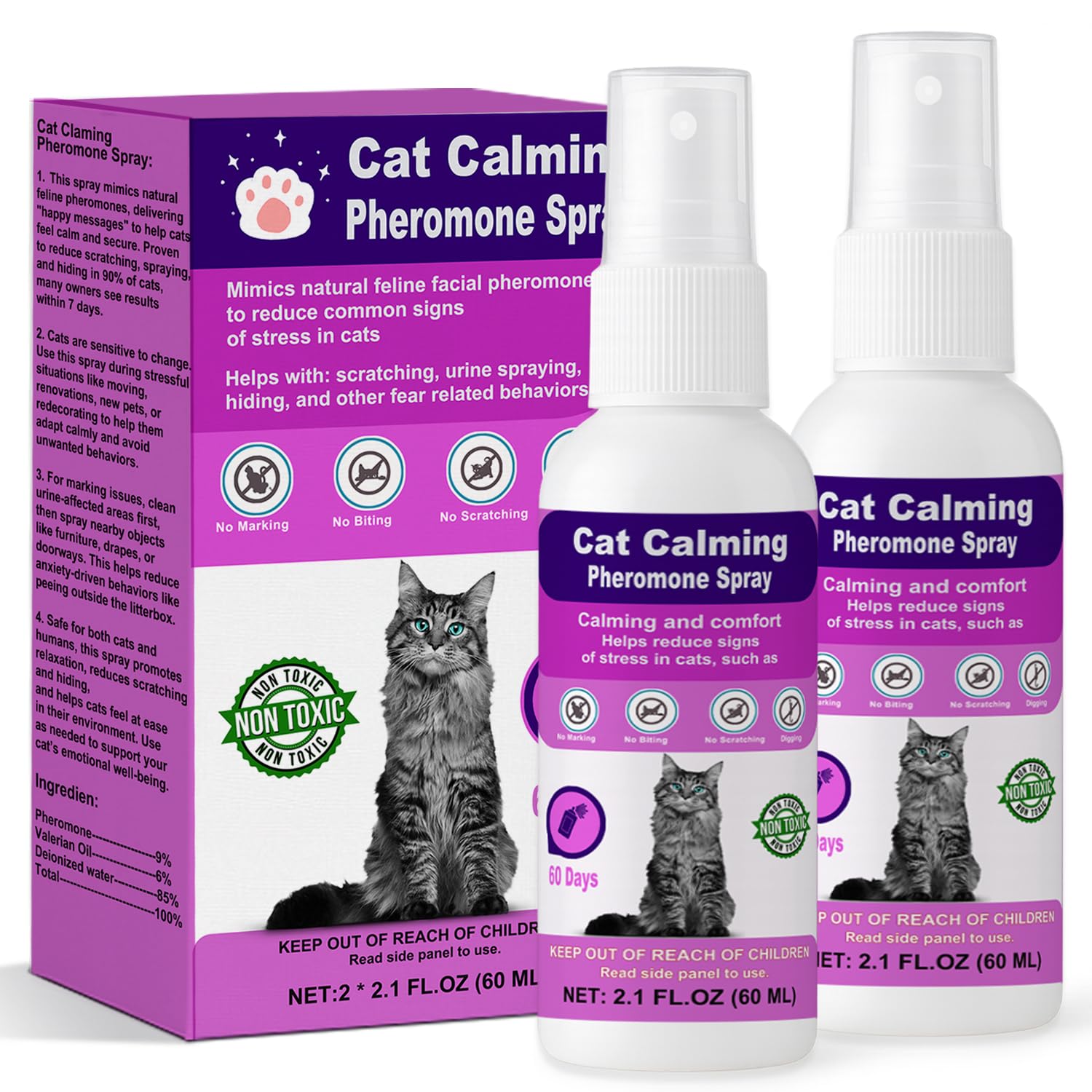
- Sprays with pheromones
- Chewable calming treats
These products help reduce mild stress. They are easy to use and generally safe for most cats.
Natural And Herbal Remedies
Natural sedatives use plant-based ingredients. They aim to calm cats without harsh chemicals. Examples include:
- Valerian root
- Chamomile
- Lavender
- CBD oil
Herbal options may take longer to work. They are gentle but effectiveness varies by cat.
Choosing The Right Sedative
Choosing the right sedative for your cat’s grooming session is a decision that requires careful thought. Sedatives can help reduce stress and make grooming smoother, but the wrong choice might cause more harm than good. Understanding the key points before selecting a sedative ensures your cat stays safe and calm throughout the process.
Consulting Your Veterinarian
Your veterinarian knows your cat’s health history and can recommend the safest sedative options. Never rely on over-the-counter products without professional advice. Your vet can also check for any allergies or health conditions that might affect how your cat reacts to certain sedatives.
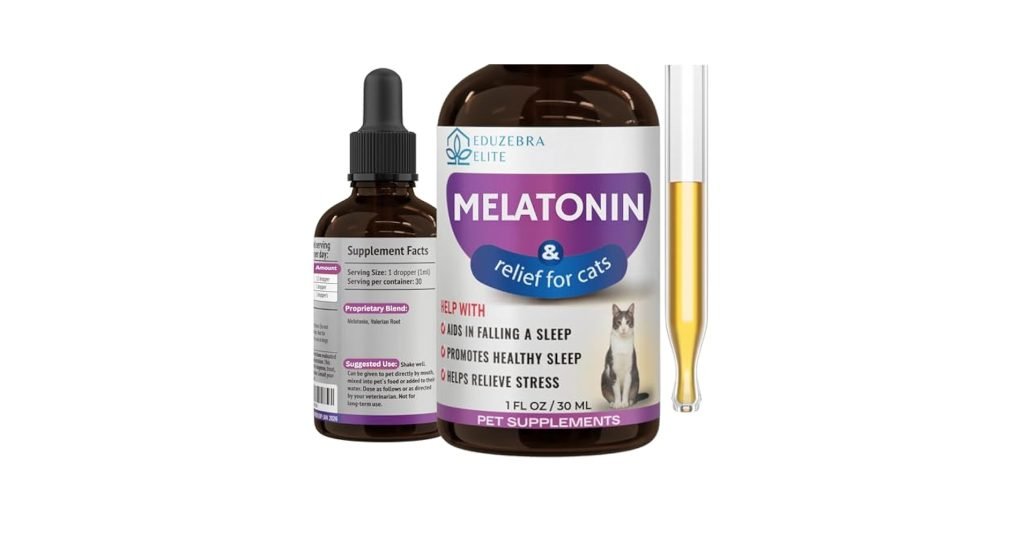
When I once tried a popular calming supplement without vet guidance, my cat became overly drowsy for hours. That experience taught me the value of professional consultation. Are you sure your choice won’t cause unexpected side effects?
Factors To Consider
Age, weight, and overall health play big roles in how a sedative works. Kittens, elderly cats, or those with medical issues might need gentler or specially tailored options. Also, consider your cat’s temperament—some respond better to natural remedies, while others require prescribed medications.
Think about the grooming situation too. Is it a quick nail trim or a full bath? The sedative strength should match the level of stress involved. Have you thought about how long the sedative will last and how quickly it takes effect?
Dosage And Administration
Following the exact dosage instructions is crucial. Too little won’t calm your cat, and too much can be dangerous. Your vet will provide clear guidelines based on your cat’s specifics.
Administering sedatives can be tricky—whether it’s a pill, liquid, or injection. Using treats or a pill pocket can help with oral medications. Always observe your cat closely after giving the sedative to monitor their reaction and ensure safety.

Credit: www.amazon.com
Safety Tips For Using Sedatives
Using sedatives for cat grooming requires careful attention to safety. Sedatives help calm your cat, but they carry risks. Knowing how to use them safely protects your cat’s health. Follow these safety tips to ensure a smooth grooming session.
Monitoring Your Cat
Watch your cat closely after giving sedatives. Check breathing, heart rate, and alertness often. Keep your cat in a quiet, comfortable place. Avoid loud noises and sudden movements. Stay near to help if your cat feels uneasy. Never leave your cat alone until fully awake.
Possible Side Effects
- Drowsiness beyond expected time
- Unsteady walking or falling
- Vomiting or diarrhea
- Excessive drooling
- Rapid or slow breathing
- Unusual behavior or agitation
Contact your vet if any side effects last long or worsen.
When To Seek Emergency Care
Call your vet immediately if your cat:
- Stops breathing or has difficulty breathing
- Becomes unresponsive or unconscious
- Has seizures or tremors
- Shows severe vomiting or diarrhea
- Has a fast or irregular heartbeat
Quick action can save your cat’s life. Keep emergency numbers handy.
Alternatives To Sedation For Grooming
Grooming cats can be stressful for both pets and owners. Sedatives are one option but not always necessary. Many cats respond well to gentler approaches that reduce anxiety and make grooming easier. These alternatives help cats stay calm without medication. They also build trust and improve long-term grooming habits.
Behavioral Training
Training cats to accept grooming takes patience and consistency. Start with short sessions and gentle touch. Use treats and praise to reward calm behavior. Gradually increase grooming time as the cat gets comfortable. Teach your cat to enjoy brushing by making it part of playtime. Regular practice helps reduce fear and resistance.
Environmental Adjustments
Creating a calm space helps cats relax during grooming. Choose a quiet room with soft lighting and few distractions. Use a non-slip surface to prevent slipping. Play soothing music or white noise to mask loud sounds. Keep grooming tools close to avoid long pauses. These changes create a safe, peaceful environment for your cat.
Professional Grooming Services
Professional groomers have experience handling anxious cats. They use gentle techniques and special tools to reduce stress. Groomers can trim nails, clean ears, and remove mats safely. Regular visits help cats get used to grooming routines. Choosing a trusted groomer ensures your cat’s comfort and safety during sessions.
Frequently Asked Questions
What Are Common Cat Sedatives For Grooming?
Common cat sedatives include gabapentin, trazodone, and dexmedetomidine. These help reduce anxiety and stress during grooming sessions. Always consult a vet before use to ensure safety and proper dosage tailored to your cat’s needs.
How Do Cat Sedatives Help With Grooming?
Cat sedatives calm nervous or aggressive cats, making grooming easier. They reduce stress, anxiety, and movement, ensuring safer handling. This helps prevent injuries and makes grooming less traumatic for both cats and owners.
Are Cat Sedatives Safe For All Cats?
Cat sedatives are generally safe when prescribed by a vet. However, certain health conditions or age may affect suitability. Always get a professional assessment to avoid side effects or complications during grooming.
When Should I Consider Sedating My Cat For Grooming?
Consider sedatives if your cat is highly anxious, aggressive, or unmanageable during grooming. Sedation helps complete grooming without harm. Always consult your vet to determine if sedation is necessary and safe.
Conclusion
Cat sedatives can help make grooming less stressful for your pet. Always talk to a vet before giving any sedative. Use the right dose and follow instructions carefully. Safe grooming keeps your cat calm and healthy. A calm cat means easier brushing and less struggle.
Take care of your cat’s comfort during every grooming session. Patience and care go a long way. Remember, your cat’s well-being is the top priority.
