

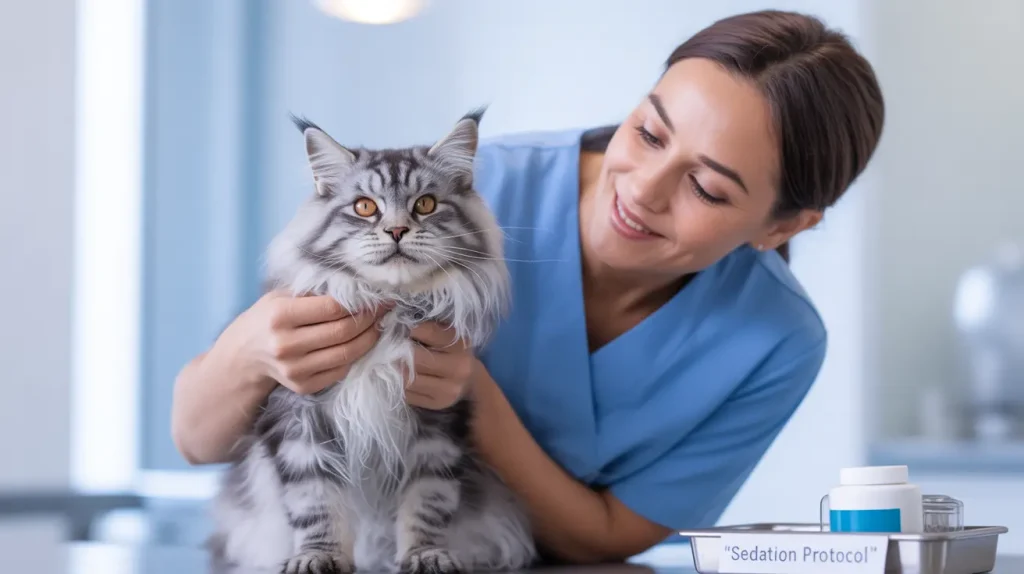
Grooming your cat can be a stressful experience for both you and your furry friend. If your cat gets anxious, restless, or even aggressive during grooming, you’re not alone.
That’s where cat sedation for grooming comes in. Imagine making grooming calm, safe, and easier for your pet—and for yourself. You’ll discover how sedation works, when it’s the right choice, and what you need to know to keep your cat comfortable and happy.
Keep reading to find out how you can turn grooming time into a peaceful moment for your beloved cat.
Why Sedation May Be Needed
Grooming a cat can be stressful for both pets and owners. Some cats resist grooming strongly. Sedation helps calm anxious or aggressive cats during grooming sessions. It ensures safety and comfort for cats and groomers alike.
Not all cats need sedation. It is reserved for specific situations. Understanding why sedation might be needed helps owners make informed choices.
Common Grooming Challenges
- Fear of grooming tools like clippers and brushes
- Excessive scratching or biting during grooming
- Matted fur that is painful to remove
- Health issues making grooming uncomfortable
- Older cats with reduced mobility or sensitivity
Signs Your Cat Needs Help
- Hiding or avoiding grooming sessions
- Hissing, growling, or aggressive behavior
- Excessive stress, panting, or drooling
- Physical resistance like stiffening or struggling
- Previous grooming attempts caused injury or trauma
Types Of Sedation Options
Cat sedation helps reduce stress during grooming sessions. Various sedation options suit different cats and situations. Understanding these types helps you choose the safest, most effective method. Each option has unique benefits and precautions.
Mild Sedatives
Mild sedatives calm cats without full unconsciousness. They ease anxiety and make grooming easier. Common mild sedatives include over-the-counter products like pheromone sprays and calming collars. These options are gentle and usually safe for short grooming sessions.
They work by relaxing the cat’s muscles and lowering stress levels. Mild sedatives do not cause heavy drowsiness but help cats stay calm. These options suit cats with mild fear or nervousness during grooming.
Prescription Medications
Prescription medications provide stronger sedation than mild options. A veterinarian prescribes these drugs after evaluating the cat’s health. They include oral tablets, injectables, or nasal sprays that reduce anxiety and movement.
These medications help with longer or more difficult grooming sessions. They require careful dosing and monitoring to avoid side effects. Prescription sedation is best for cats with severe stress or medical needs.
Natural Remedies
Natural remedies offer a gentle way to soothe cats during grooming. These include herbal supplements, essential oils, and homeopathic treatments. Common ingredients are valerian root, chamomile, and lavender.
Natural remedies can reduce anxiety without harsh chemicals. They take longer to work and may not suit all cats. Use natural options alongside other calming strategies for best results.
Preparing Your Cat For Sedation
Preparing your cat for sedation is essential for a safe and smooth grooming session. Proper preparation helps reduce stress for your cat and ensures the sedation works effectively. Understanding the steps before sedation helps you and your cat stay calm and ready.
Consulting Your Veterinarian
Talk to your veterinarian about sedation options. They know your cat’s health and can suggest the safest plan. Share your cat’s medical history and any concerns. Your vet will explain the sedation process and answer questions. This step builds trust and helps avoid surprises.
Health Checks And Testing
Health checks ensure your cat is fit for sedation. Vets often recommend blood tests to check organ function. These tests find hidden problems that could cause risks. A physical exam checks heart, lungs, and overall condition. Healthy cats handle sedation better and recover faster.
Fasting And Timing
Fasting before sedation helps prevent vomiting and choking. Your vet will tell you how long to withhold food. Usually, cats should not eat for 8 to 12 hours before sedation. Water may be allowed until a few hours before. Timing the sedation right makes the process safer and smoother.
Administering Sedation Safely
Administering sedation safely is crucial when grooming your cat. Sedation can ease stress and make grooming smoother, but it must be handled with care to protect your furry friend’s health. Understanding the right dosage, careful monitoring, and spotting side effects early can make all the difference.
Dosage Guidelines
Giving the correct amount of sedative is essential. The dosage depends on your cat’s weight, age, and health condition. Always follow your vet’s instructions precisely—too little won’t calm your cat, and too much can be dangerous.
Never guess the dose or use medication meant for other animals. Keep a record of the dosage and timing to avoid mistakes. If you’re unsure, ask your vet to double-check before administering.
Monitoring Your Cat
Once sedated, your cat needs close attention. Watch their breathing rate, heart rate, and responsiveness. Keep them in a quiet, comfortable area away from noise and bright lights.
Have water available but don’t force your cat to drink. Use a timer to track how long the sedative effects last. What signs would tell you your cat is too deeply sedated or waking up too soon?
Recognizing Side Effects
Some side effects might be normal, but others require immediate action. Look for unusual weakness, difficulty breathing, vomiting, or prolonged unconsciousness. These signs mean you should contact your vet right away.
Minor side effects like mild drowsiness or slight unsteadiness usually pass within a few hours. Keep your cat warm and comfortable during recovery. How prepared are you to respond if your cat shows any unexpected reactions?
Grooming Tips During Sedation
Grooming a cat under sedation requires a gentle and careful approach to ensure their safety and comfort. You need to balance effective grooming with respect for your cat’s relaxed state. The right techniques, tools, and mindset can make this process smoother for both you and your feline friend.
Calm Handling Techniques
Even though your cat is sedated, handling them calmly is crucial. Sudden movements can startle them or cause injury. Support their body fully and avoid putting pressure on sensitive areas.
Speak softly and keep your environment quiet. This helps maintain their relaxed state. Imagine how you feel when someone handles you gently during a vulnerable moment—your cat feels the same.
Tools And Equipment
Choose grooming tools that work efficiently without needing much effort. A soft-bristle brush, a wide-toothed comb, and nail clippers designed for cats are essentials.
Keep everything within reach before you start. This prevents unnecessary interruptions and keeps your hands steady. Have a soft towel ready to gently wipe or dry your cat if needed.
Avoiding Common Mistakes
Don’t rush the grooming session, even if your cat is sedated. Moving too fast can lead to accidental cuts or missed spots. Take your time to check for mats and dirt carefully.
Avoid using harsh chemicals or unfamiliar products during sedation. Your cat’s skin and senses are more sensitive in this state. Are you sure every product you use is safe and gentle enough?

Credit: www.reddit.com
Aftercare And Recovery
After your cat has been sedated for grooming, the real care begins at home. The recovery period is crucial to ensure your feline friend bounces back quickly and comfortably. Paying attention to their needs during this time can prevent complications and make the experience less stressful for both of you.
Comfort And Quiet
Your cat will feel groggy and disoriented after sedation. Provide a warm, cozy spot away from noise and activity where they can rest undisturbed. Avoid sudden movements or loud sounds that might startle them and prolong recovery.
Have you noticed how your cat seeks out quiet corners when unwell? Mimic that safe environment to help them feel secure. Soft blankets and familiar toys can also ease their anxiety during this vulnerable time.
Hydration And Nutrition
Offer small amounts of water as soon as your cat is awake enough to drink. Dehydration is a risk after sedation, so keeping them hydrated supports faster healing. If your cat refuses water initially, try wet food to increase fluid intake.
Feed light, easy-to-digest meals once your cat shows interest in food. Avoid rich or heavy dishes that could upset their stomach. Watching for signs of nausea like drooling or vomiting helps you decide when to hold off on feeding.
When To Contact The Vet
Keep an eye out for unusual symptoms such as prolonged lethargy, difficulty breathing, or persistent vomiting. These signs could indicate complications that need immediate veterinary attention. Don’t hesitate to call your vet if your cat seems worse instead of better.
Is your cat not waking up as expected or showing strange behavior? It’s better to be cautious and check with your vet. Early intervention can prevent minor issues from turning into emergencies.
Alternatives To Sedation
Not every cat needs sedation for grooming. Many cats respond well to gentler approaches that respect their comfort and reduce stress. You might find that alternatives to sedation make grooming a more positive experience for both you and your cat.
Behavioral Training
Behavioral training helps your cat get used to grooming step by step. Start with short sessions where you gently touch paws or brush fur, rewarding your cat with treats. Over time, your cat learns that grooming is not scary but part of a routine.
Have you noticed how some cats seem to relax after a few calm grooming tries? That’s the power of consistent training. It builds trust and lowers the need for sedation.
Professional Grooming Services
Professional groomers have experience handling cats who dislike grooming. They use techniques that minimize stress and may have calming tools like pheromone sprays or quiet environments. Trusting a skilled groomer can make grooming smoother and safer.
If your cat has a history of anxiety, sharing this information with your groomer helps tailor the experience. Isn’t it reassuring to know someone trained is caring for your cat during these sessions?
Stress Reduction Techniques
Reducing your cat’s stress before grooming can reduce the need for sedation. Simple steps like playing calming music, using a pheromone diffuser, or offering a favorite toy can soothe your cat. Preparing a quiet, familiar space helps your cat feel secure.
Have you tried gentle massage or slow petting before grooming? These small actions can lower tension and make your cat more cooperative. What small changes could you try today to make grooming less stressful?

Credit: www.groomzy.com.au

Credit: www.yahoo.com
Frequently Asked Questions
What Is Cat Sedation For Grooming?
Cat sedation for grooming involves using mild sedatives to calm anxious or aggressive cats. It helps ensure safe and stress-free grooming sessions for both cats and groomers.
When Is Cat Sedation Recommended For Grooming?
Sedation is recommended for cats that are extremely fearful, aggressive, or have medical conditions. It helps complete grooming without causing harm or stress to the cat.
Are Sedatives Safe For Cats During Grooming?
Yes, when used by a veterinarian, sedatives are safe. They use appropriate dosages based on the cat’s health and weight to minimize risks.
How Long Does Cat Sedation Last During Grooming?
Sedation effects usually last between 1 to 4 hours. The duration depends on the sedative type and the cat’s metabolism.
Conclusion
Sedating a cat can make grooming safer and easier. It helps reduce stress for both the cat and owner. Always talk with a vet before choosing sedation. Use sedation only when necessary and follow all instructions carefully. Proper grooming keeps cats healthy and comfortable.
Gentle care and patience go a long way. Keep your cat calm and happy during every grooming session. Safe sedation supports better grooming results and a stronger bond.
