

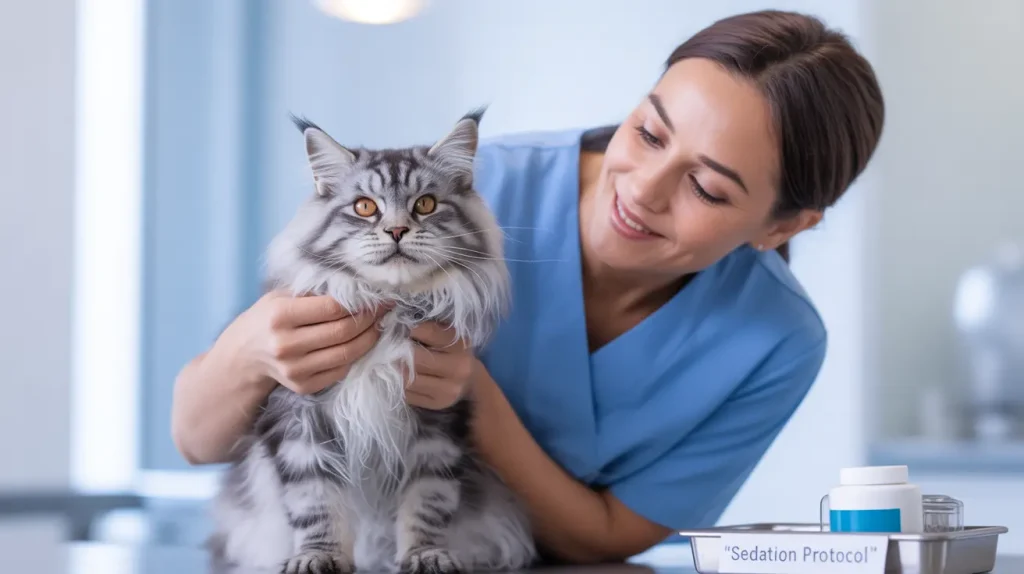
Grooming your cat can sometimes feel like a battle. You want your furry friend to look and feel their best, but their squirming and scratching make it almost impossible.
What if there was a way to make grooming calm and stress-free for both you and your cat? That’s where cat sedated grooming comes in. If you’ve ever wondered how sedation can help make grooming easier and safer, keep reading.
This article will guide you through everything you need to know to ensure your cat’s grooming experience is smooth and comfortable.

Credit: www.youtube.com
Why Sedation Helps
Cat sedated grooming makes the grooming process easier and safer. Many cats feel stressed during grooming sessions. Sedation helps them stay calm and relaxed. It reduces anxiety and discomfort. This way, cats tolerate grooming without fear or resistance.
Calming Anxious Cats
Some cats get very nervous around grooming tools. Sedation lowers their stress levels quickly. It makes cats less likely to panic or struggle. Calm cats allow groomers to work gently and carefully. This reduces the chance of injury to the cat and the groomer.
Safety Benefits
Grooming can be risky if cats fight or scratch. Sedation keeps cats still during the process. It helps prevent accidental cuts or scratches. Vets and groomers can perform thorough cleaning safely. Sedated cats experience less pain and avoid sudden movements.
When Sedation Is Needed
Some cats have thick mats or long fur that is hard to handle. Others have medical conditions or past trauma. Sedation is chosen for cats that resist grooming strongly. It also helps with lengthy or complex grooming sessions. A vet always decides if sedation is safe for each cat.
Types Of Sedatives
Choosing the right sedative for your cat’s grooming session is crucial to ensure their comfort and safety. Sedatives come in various types, each with different effects and uses. Understanding these options can help you make informed decisions that suit your cat’s unique needs.
Common Medications
Veterinarians often recommend specific medications to calm anxious cats during grooming. Drugs like <strong<acepromazineand gabapentinare frequently prescribed because they effectively reduce stress without heavy sedation.</strong<acepromazine
These medications usually take effect within 30 to 60 minutes and can keep your cat relaxed throughout the grooming process. However, every cat reacts differently, so close monitoring is essential.
Natural Alternatives
If you prefer to avoid pharmaceuticals, natural sedatives might be an option. Products containing chamomile, valerian root, or CBD oilare popular choices among cat owners seeking gentle calming effects.
These alternatives often have fewer side effects but may not be as strong or fast-acting as prescription meds. Have you tried any natural remedies with your cat? Sharing your experience could help others find what works best.
Consulting Your Vet
Your veterinarian is the best person to guide you through sedation choices. They consider your cat’s health, age, and temperament before suggesting the safest and most effective option.
Never give your cat any sedative without professional advice—it could lead to harmful side effects or worsen anxiety. Asking your vet about the pros and cons of each sedative can prepare you for a smoother grooming experience.
Preparing For Sedated Grooming
Preparing your cat for sedated grooming takes careful planning and attention to detail. It’s not just about the appointment day but what you do beforehand that makes the process smoother and safer. By focusing on scheduling, pre-grooming care, and creating a calm environment, you set your cat up for a better experience.
Scheduling The Appointment
Choose a time when your cat is usually calm and relaxed. Avoid busy times at the groomer that might add stress. Confirm that the groomer has experience with sedated grooming and check if a vet consultation is needed beforehand.
Ask yourself: Does the timing fit well with your cat’s usual routine? Cats thrive on predictability, so aligning the appointment with their natural rhythm can help reduce anxiety.
Pre-grooming Care
Ensure your cat is healthy before the appointment. Monitor their eating and drinking habits, and report any unusual signs to the vet. Follow any fasting instructions carefully if sedation requires it.
Gently brush your cat a day or two before to remove loose fur and mats. This helps reduce grooming time under sedation, which is safer for your cat. Think about any allergies or sensitivities your cat may have and inform the groomer in advance.
Creating A Calm Environment
Keep your home environment peaceful in the days leading up to the grooming. Limit loud noises and avoid introducing new pets or changes that could stress your cat. Use familiar bedding and toys to provide comfort.
Consider pheromone sprays or diffusers to help your cat relax naturally. On the day of the appointment, speak softly and move slowly to avoid startling your cat. How you act can influence your cat’s stress levels more than you might expect.
Grooming Techniques During Sedation
Grooming a cat under sedation requires a gentle approach and precise techniques to ensure the process is smooth and safe. Sedation helps calm anxious or uncooperative cats, but it also means you must handle your pet with extra care to avoid injury. Understanding how to work effectively during this delicate state makes grooming easier for both you and your cat.
Handling A Sedated Cat
When your cat is sedated, their reflexes slow down, and they become less responsive. This means you should support their body fully to prevent any sudden falls or movements. Use slow, deliberate motions and keep the environment quiet to avoid startling them.
Have a soft towel or blanket nearby to gently wrap your cat if needed. This not only keeps them warm but also helps you maintain control without applying too much pressure. Remember, your cat’s comfort and safety are the top priorities during sedation.
Tools And Equipment
Choose grooming tools that minimize pulling and discomfort. A slicker brush with fine, soft bristles works well to detangle fur without irritating the skin. Clippers with quiet motors reduce noise and are less likely to stress your cat.
Keep all your tools within easy reach before starting to avoid unnecessary interruptions. Having grooming wipes and styptic powder handy is also wise in case you encounter minor nicks or messes. Proper preparation makes the process more efficient and less stressful for you and your pet.
Addressing Common Grooming Tasks
Start with brushing to remove loose hair and mats gently. If mats are severe, apply detangling spray and carefully use scissors or clippers to trim them away. Always keep your cat’s skin in mind to avoid cuts.
Cleaning ears and trimming nails are important but require extra caution. Use a damp cotton ball for ears and a sharp, quick nail trimmer to minimize discomfort. Could you imagine how different your cat’s mood would be if these tasks were handled swiftly and kindly?
Finally, wiping down the coat with grooming wipes can remove dirt and leave the fur shiny. This simple step can refresh your cat’s appearance without needing a full bath, which might be too stressful even under sedation.
Post-grooming Care
After your cat’s sedated grooming session, proper care is essential. This phase helps your cat heal and feel safe. Paying attention to your cat’s needs supports a smooth recovery. It reduces stress and potential complications.
Monitoring Recovery
Watch your cat closely after grooming. Check for signs of dizziness or weakness. Keep an eye on breathing and movement. Look for unusual behavior or discomfort. Contact your vet if anything seems wrong. Recovery usually takes a few hours.
Comforting Your Cat
Create a quiet and warm space for rest. Use soft bedding away from noise and bright lights. Speak gently and offer calm strokes if your cat allows. Avoid sudden movements or loud sounds. Offer fresh water once your cat is alert.
Follow-up Tips
- Keep your cat indoors for the rest of the day.
- Do not let your cat lick or bite groomed areas.
- Check grooming spots for redness or swelling daily.
- Offer small meals after your cat fully wakes up.
- Schedule a vet check if sedation effects last too long.

Credit: www.reddit.com
Alternatives To Sedated Grooming
Choosing alternatives to sedated grooming can make the experience safer and less stressful for your cat. Many cats respond well to gentler approaches that build trust and familiarity over time. You might be surprised how patience and simple techniques can transform grooming from a dreaded task into a calm routine.
Desensitization Training
Desensitization training helps your cat get used to grooming tools and handling gradually. Start with short sessions where you simply let your cat sniff and explore the brush or clippers without using them. Over days or weeks, slowly introduce gentle touches followed by brief grooming moments.
Consistency is key. Reward your cat with treats and praise to create positive associations. Have you noticed how your cat relaxes when you talk softly during these sessions? That calm connection can make all the difference.
At-home Grooming Tips
Grooming your cat at home can be easier if you prepare the right environment. Choose a quiet spot and use a non-slip surface to keep your cat steady. Keep grooming sessions short and stop before your cat gets agitated.
Use tools designed for your cat’s coat type, like a slicker brush for long hair or a rubber grooming glove for short hair. If your cat resists brushing, try grooming right after a meal or when they’re sleepy. What small changes can you make today to help your cat enjoy grooming more?
Professional Grooming Options
Professional groomers have experience handling anxious cats without sedation. They use calming techniques and special equipment to keep cats comfortable. Look for groomers who specialize in feline care and ask about their approach before booking an appointment.
Some groomers offer mobile services, so your cat can stay in a familiar environment. This might reduce stress significantly. How might a professional’s expertise ease your grooming worries?
Signs Grooming Stress Is Too High
Grooming is important for your cat’s health and comfort. But sometimes, grooming can cause stress. Recognizing the signs of high grooming stress helps protect your cat’s well-being. Watch closely during grooming sessions. Notice how your cat acts and looks. Early detection keeps grooming safe and calm.
Behavioral Indicators
- Hissing or growling while being groomed
- Trying to escape or hide
- Sudden scratching or biting
- Excessive meowing or crying
- Freezing or stiff body posture
- Avoiding eye contact with the groomer
Physical Symptoms
- Rapid breathing or panting
- Trembling or shaking
- Excessive drooling or salivating
- Red or swollen skin
- Loss of appetite after grooming
- Visible wounds or scratches
When To Seek Help
Signs of high stress should never be ignored. If your cat shows strong fear or pain, stop grooming immediately. Consult a veterinarian or a professional groomer. They can recommend sedation or safer grooming methods. Early help prevents injuries and builds trust. Keep your cat’s comfort the top priority.

Credit: www.catcarevet.ca
Frequently Asked Questions
What Is Cat Sedated Grooming?
Cat sedated grooming involves using mild sedation to calm anxious or aggressive cats during grooming. It ensures safety and reduces stress. This method helps groomers handle difficult cats gently. Sedation is administered by a vet and is safe when done properly.
When Is Sedation Necessary For Cat Grooming?
Sedation is necessary when cats are extremely fearful, aggressive, or uncooperative during grooming. It prevents injury to both cat and groomer. Also, it helps in grooming cats with medical conditions requiring careful handling. Sedation ensures thorough grooming without causing distress.
Is Cat Sedated Grooming Safe For My Pet?
Yes, sedated grooming is safe when performed by professionals under veterinary supervision. Vets choose the right sedative and dosage based on your cat’s health. Proper monitoring minimizes risks. Always consult your vet before opting for sedation during grooming.
How Long Does Cat Sedated Grooming Take?
Sedated grooming typically takes 30 to 60 minutes, depending on the cat’s coat condition. Sedation helps complete grooming efficiently without interruptions. The cat recovers quickly after the process, usually within a few hours, under supervision.
Conclusion
Sedated grooming helps keep cats calm and safe during care. It reduces stress for both pets and owners. Always consult a vet before choosing sedation. Proper grooming improves your cat’s health and comfort. Regular care prevents mats and skin problems.
Trust professionals to handle sedation and grooming safely. Your cat will feel better and look great. Gentle care makes grooming a positive experience.
