

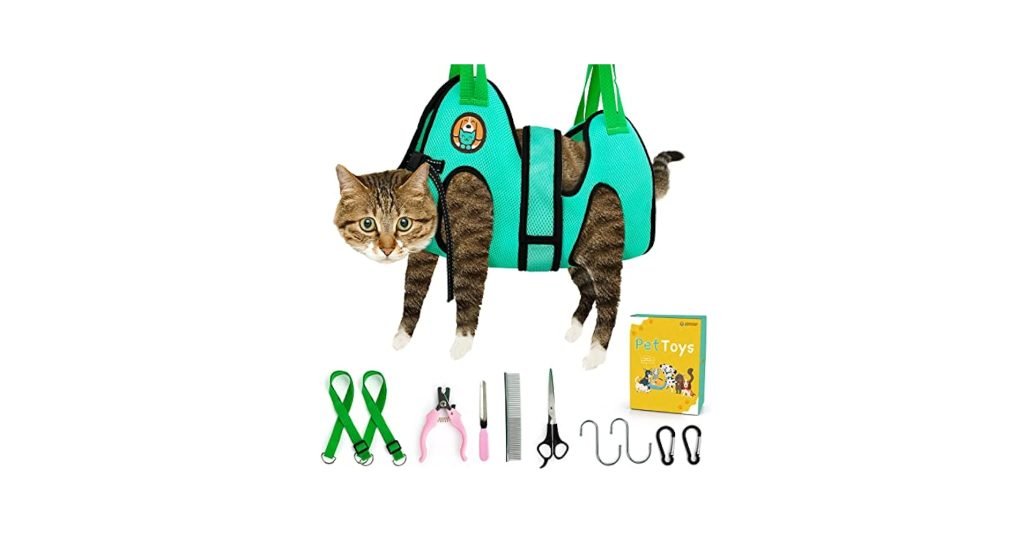
Grooming your cat can be a challenging task, especially when they don’t want to stay still. You want your furry friend to look and feel their best, but the struggle to keep them calm and safe during grooming is real.
That’s where cat restraints for grooming come in. These tools can make a huge difference, helping you manage your cat gently and effectively. If you’ve ever felt frustrated or worried about hurting your pet, keep reading—you’ll discover simple solutions that make grooming easier for both you and your cat.
Credit: www.walmart.com
Why Use Cat Restraints
Using cat restraints during grooming might seem unnecessary at first. However, these tools can make the process safer and more comfortable for both you and your cat. Understanding why you should use restraints helps you see the real benefits behind this practice.
Benefits For Grooming
Cat restraints help keep your pet still, which is key for effective grooming. When your cat moves less, you can trim nails, clean ears, or brush fur more thoroughly without missing spots or causing accidental cuts.
They also allow you to reach tricky areas safely. Restraints prevent sudden jerks that can lead to injury for both you and your cat. Have you ever tried to clip nails only to get scratched? Restraints reduce those risks significantly.
Reducing Stress For Cats And Owners
Many cats feel scared or anxious during grooming. Restraints provide a gentle hold that can calm your cat by limiting their frantic attempts to escape. This can make grooming a less stressful experience over time.
For you as an owner, fewer struggles mean less frustration and worry. When you use cat restraints, grooming sessions are usually quicker and smoother. Would you rather spend 30 minutes wrestling or 10 minutes calmly finishing the task?
Types Of Cat Restraints
Cat restraints help keep cats calm and safe during grooming sessions. They reduce stress and prevent sudden movements. Different types of restraints serve various purposes. Choosing the right one depends on your cat’s behavior and the grooming task. Here are some common types of cat restraints used for grooming.
Harnesses And Leashes
Harnesses fit around a cat’s body, offering gentle control. They stop the cat from running or jumping away. Leashes attach to the harness for extra security. Harnesses come in soft, breathable materials to keep cats comfortable. They work well for cats that tolerate gentle handling. Using a harness and leash allows careful movement during grooming.
Grooming Bags And Wraps
Grooming bags are soft pouches that hold cats safely. They limit a cat’s movement without causing harm. Wraps are fabric strips or blankets used to gently swaddle cats. They calm cats by providing a snug feeling. Both bags and wraps keep cats still for brushing or nail trimming. These restraints help reduce stress and avoid scratches.
Muzzles And Gloves
Muzzles cover a cat’s mouth to prevent biting. They are useful for cats that get aggressive when groomed. Muzzles come in soft, flexible designs for comfort. Grooming gloves have thick material on the palm and fingers. They protect hands from scratches while allowing safe handling. Gloves also help remove loose fur during grooming. Both tools add safety for the groomer and the cat.
Choosing The Right Restraint
Choosing the right cat restraint is important for safe and stress-free grooming. The perfect restraint keeps your cat calm and secure. It also makes grooming easier for you. Many factors affect the choice of restraint. These include the cat’s size, behavior, and comfort needs. Understanding these points helps you pick the best option.
Considering Cat Size And Temperament
Size matters a lot when choosing a restraint. Small cats need lighter, less bulky restraints. Large cats may require stronger, more durable options. Temperament plays a key role too. Calm cats may only need minimal restraint. Nervous or aggressive cats need firmer control to avoid injury. Knowing your cat’s nature helps find a suitable fit.
Material And Comfort
The material of the restraint affects comfort and safety. Soft fabrics reduce skin irritation and discomfort. Breathable materials prevent overheating during grooming. Avoid restraints with sharp edges or rough seams. Padding adds extra comfort for sensitive cats. Comfortable restraints encourage cooperation and reduce stress.
Ease Of Use
Choose restraints that are simple to put on and take off. Quick-release buckles save time and reduce cat anxiety. Adjustable straps help achieve a snug but gentle fit. Easy cleaning is a must for hygiene. Lightweight restraints are easier to handle and less stressful for cats. A user-friendly design makes grooming smoother for both you and your pet.
Step-by-step Restraint Application
Applying a cat restraint for grooming can feel tricky, but breaking it down into clear steps makes it easier for both you and your cat. The goal is to keep your feline friend calm and safe while you work, without causing stress or discomfort. Let’s walk through the process together, so you gain confidence and your cat stays comfortable.
Preparing Your Cat
Start by choosing a quiet space where your cat feels secure. Avoid loud noises or distractions that might increase anxiety. Talk softly to your cat and offer gentle pets to help them relax before you begin.
Have treats ready to reward calm behavior. You might notice your cat’s body language changing as you approach—watch for signs of stress like flattened ears or twitching tail. If your cat seems tense, pause and give them a moment to settle down.
Fitting The Restraint Properly
Select a restraint designed specifically for cats, such as a grooming bag or soft harness. Slide it on gently, making sure it doesn’t pinch or bind any part of your cat’s body. The fit should be snug but not tight enough to restrict breathing or movement excessively.
Check that the restraint supports your cat’s legs and torso evenly. If your cat squirms, try distracting them with a favorite toy or treat during the fitting. Have you noticed how a calm approach often reduces resistance? That’s key to a smooth grooming session.
Adjusting During Grooming
Once the restraint is on, keep a close eye on your cat’s comfort. If they start to struggle, pause and adjust the straps or reposition the restraint slightly. Small tweaks can make a big difference in how secure your cat feels.
Keep your movements slow and predictable to avoid startling your cat. Remember, the goal is to maintain control without causing panic. How often do you check your cat’s body language during grooming? Making it a habit helps you catch discomfort early.
Safety Tips During Grooming
Grooming your cat can be stressful for both of you. Using cat restraints helps keep your pet safe and calm. Still, safety during grooming needs your close attention. Watch your cat’s signs and act carefully to avoid harm.
Monitoring Cat Behavior
Pay close attention to your cat’s body language. Look for signs like growling, hissing, or stiff movements. These show discomfort or fear. Watch the ears and tail for sudden changes. Stay calm and gentle to reduce stress. Stop if your cat struggles too much.
Avoiding Common Injuries
Keep sharp tools out of reach until ready. Use proper grooming scissors or clippers made for cats. Avoid pulling on fur or skin. Support your cat’s body to prevent sudden jumps. Check for any skin cuts or scratches after grooming. Clean wounds immediately to prevent infection.
When To Stop
Know when your cat needs a break. Signs like heavy breathing, wide eyes, or growling mean stop. Give your cat time to relax before continuing. Never force grooming if your cat is too stressed. Short, calm sessions work better than long ones.
Training Cats To Accept Restraints
Training cats to accept restraints during grooming can ease stress for both the cat and owner. Cats often resist restraint due to fear or discomfort. Gentle training helps them feel safer and calmer. Patience and kindness create trust, making grooming easier over time.
Positive Reinforcement Techniques
Use treats and praise to reward calm behavior. Give a small treat when your cat stays relaxed near the restraint. Speak softly to comfort your cat. Reward often to build positive feelings. Avoid punishment, which increases fear and resistance.
Gradual Introduction Methods
Start by letting your cat see and smell the restraint. Place it near their favorite resting spot. Allow your cat to explore without pressure. Slowly try to touch your cat with the restraint. Increase time and closeness in short sessions. Keep sessions calm and brief to avoid stress.
Consistency And Patience
Practice restraint training daily at the same time. Regular short sessions work better than long, rare ones. Stay calm and patient, even if progress is slow. Cats learn best with gentle, steady routines. Celebrate small steps and stay positive throughout training.
Alternatives To Physical Restraints
Physical restraints during cat grooming can be stressful for both you and your feline friend. Luckily, there are alternatives that help keep your cat calm and cooperative without the need for force. These options focus on comfort and trust, making grooming a smoother experience.
Calming Sprays And Supplements
Calming sprays and supplements work by reducing your cat’s anxiety naturally. Many sprays contain pheromones that mimic a mother cat’s scent, which can soothe your cat instantly. You might notice your cat becoming more relaxed and less fidgety, allowing grooming to happen more peacefully.
Supplements, like those with L-theanine or valerian root, can also help calm your cat before grooming sessions. It’s important to choose products specifically designed for cats and consult your vet before starting any new supplement. Have you tried these calming aids during grooming? They might surprise you with how effective they can be.
Professional Grooming Services
Sometimes, the best way to avoid physical restraint is to let a professional handle the grooming. Groomers are trained to work with cats gently and efficiently. They know how to read your cat’s body language and can often complete grooming tasks without stress or struggle.
Hiring a professional can also teach you new techniques to use at home. If your cat has special needs or is particularly nervous, professionals have access to tools and calming methods you might not have. Could trusting a groomer be the key to a stress-free grooming routine for your cat?
Credit: www.walmart.com

Credit: www.walmart.com
Frequently Asked Questions
What Are The Best Cat Restraints For Grooming?
The best cat restraints for grooming are soft, adjustable harnesses and grooming gloves. These ensure safety and comfort, reducing stress. They help control movement without hurting your cat. Choosing breathable, easy-to-clean materials is essential for effective grooming sessions.
How Do Cat Restraints Improve Grooming Safety?
Cat restraints prevent sudden movements that can cause injuries during grooming. They keep the cat calm and controlled, minimizing scratches and bites. Proper restraints also protect the groomer’s hands and tools. This leads to a safer, more efficient grooming process for both.
Can Cat Restraints Reduce Grooming Stress?
Yes, cat restraints can reduce grooming stress by providing gentle control and security. They help cats feel stable and less anxious. When used correctly, restraints create a calm environment, making grooming faster and less traumatic. Positive reinforcement enhances this effect.
Are Cat Restraints Easy To Use During Grooming?
Most cat restraints are designed for easy use and quick adjustment. Soft harnesses and wraps can be put on quickly without causing distress. Clear instructions and practice make the process smoother. This simplicity helps maintain a calm grooming routine.
Conclusion
Cat restraints help keep grooming safe and stress-free. They make handling easier for both you and your cat. Choosing the right restraint suits your cat’s size and comfort. Always be gentle and patient during grooming sessions. Consistent care leads to a happier, healthier pet.
Small steps build trust and calm behavior. Using restraints wisely can prevent scratches and escapes. Remember, safety and kindness matter most in grooming time. Keep your cat relaxed and grooming will go smoothly.
