

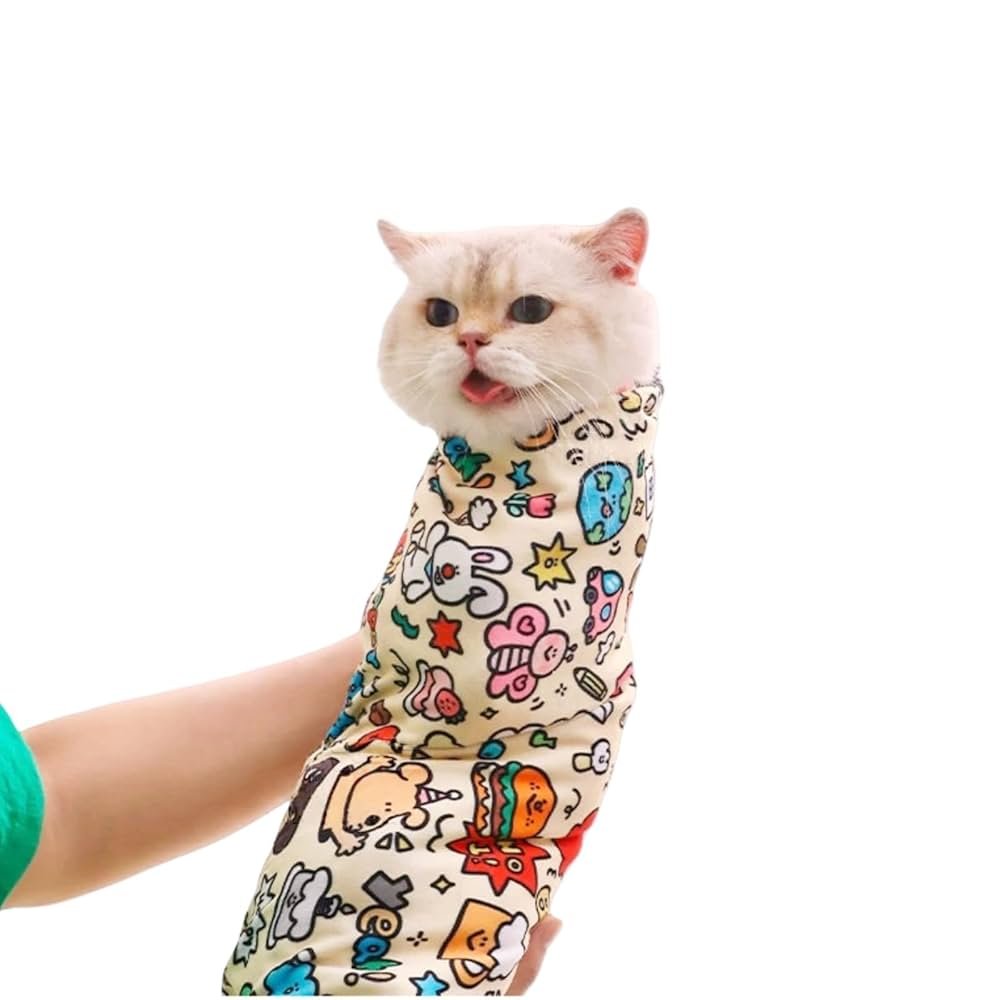
Grooming your cat can be a challenge, especially if your furry friend is restless or nervous. You want to keep your cat safe and calm, but how do you do that without causing stress for both of you?
That’s where the right cat restraint for grooming comes in. You’ll discover simple, effective ways to make grooming easier and more comfortable. Keep reading to learn how the right tools and techniques can transform your grooming routine and help your cat feel secure every step of the way.
Choosing The Right Restraint
Choosing the right restraint for your cat during grooming is essential for both safety and comfort. The right tool helps keep your cat calm while giving you the control needed to groom efficiently. Think about what will work best for your cat’s personality and size before making a decision.
Types Of Cat Restraints
There are several types of restraints designed for grooming cats. Common options include grooming gloves, soft harnesses, grooming bags, and towels.
- Grooming glovesoffer gentle control and help remove loose fur without fully restraining your cat.
- Soft harnesseskeep your cat steady but allow some movement, ideal for cats who resist full confinement.
- Grooming bagssecurely hold your cat’s body while leaving the head or paws accessible for trimming nails or brushing.
- Towelsprovide a quick and easy way to wrap a squirmy cat, reducing stress and preventing scratches.
Which type fits your cat’s temperament best? Sometimes, testing a few options helps you find the perfect match.
Material And Comfort
Material quality affects your cat’s comfort and willingness to stay still. Look for soft, breathable fabrics that won’t irritate sensitive skin or cause overheating.
Durability matters too. A flimsy restraint can break unexpectedly, causing frustration or injury. You want a balance between sturdiness and comfort.
Have you noticed your cat’s reaction to certain fabrics? Paying attention to their behavior can guide your choice and improve grooming sessions.
Size And Fit Considerations
Proper fit is crucial for effective restraint. Too tight, and your cat feels trapped and panicked. Too loose, and your cat may slip out, making grooming difficult or unsafe.
Measure your cat’s neck, chest, and length to find the best size. Adjustable restraints offer flexibility as your cat grows or if you have multiple cats.
Remember, a well-fitted restraint supports your cat’s comfort and cooperation, making grooming less stressful for both of you.
Preparing Your Cat
Preparing your cat for grooming helps reduce stress and makes the process smoother. It takes time and patience to get your cat used to restraint. Starting early and being gentle builds trust and cooperation. Each cat is unique, so observe their reactions and adjust accordingly.
Familiarizing With The Restraint
Introduce the restraint tool slowly. Let your cat sniff and explore it without pressure. Use soft words and gentle petting to create positive feelings. Try placing the restraint near their favorite resting spot. Gradually, allow brief, calm contact with the restraint. Avoid forcing the cat, as it may cause fear.
Calming Techniques
Speak softly and move slowly around your cat. Use a calm voice to soothe their nerves. Gentle stroking and light massage can relax tense muscles. Play with your cat using toys to distract and reduce anxiety. Offer small treats to reward calm behavior. Keep sessions short to prevent overwhelming your cat.
Creating A Safe Environment
Choose a quiet room with few distractions for grooming. Ensure the room is warm and comfortable. Remove loud noises and bright lights that may startle your cat. Have all grooming tools ready and within reach. Use a soft towel or mat to provide a secure surface. Let your cat explore the area before starting grooming.
Using Restraints Effectively
Using restraints effectively helps keep your cat calm during grooming. It also protects both you and your pet from injury. Proper restraint makes grooming smoother and less stressful. It requires care and attention to your cat’s comfort and safety.
Proper Securing Methods
Choose soft restraints like towels or grooming gloves. Wrap your cat gently but firmly. Avoid tight holds that cause pain or panic. Support the cat’s body to keep it steady. Use a calm voice to soothe your cat. Keep sessions short to prevent stress.
Avoiding Common Mistakes
Do not force your cat into restraint suddenly. Avoid using harsh tools or rough handling. Never leave your cat unattended while restrained. Do not restrain for too long. Avoid restraint methods that block breathing or movement. Check for signs of injury or distress often.
Monitoring Your Cat’s Behavior
Watch for signs of fear or pain, like growling or struggling. Pause if your cat becomes too stressed. Give breaks and gentle petting to calm your pet. Notice changes in breathing or body tension. Respond quickly to signs of discomfort. Adjust restraint methods to suit your cat’s needs.

Credit: www.walmart.com
Alternatives To Physical Restraints
Physical restraints can stress cats during grooming. Choosing alternatives helps keep them calm and safe. These methods promote trust and make grooming easier for both cats and owners. Gentle care supports a positive grooming experience without force.
Gentle Handling Techniques
Use slow, soft movements to avoid startling your cat. Support their body firmly but gently. Let your cat settle before starting grooming. Speak softly and calmly throughout the process. Stop if your cat shows signs of distress. Patience helps build comfort and cooperation.
Using Treats And Distractions
Treats motivate cats to stay calm during grooming. Offer small, tasty rewards throughout the session. Toys and gentle petting can distract from grooming discomfort. Play before grooming to release excess energy. Distractions keep cats focused away from stress.
Professional Grooming Assistance
Professional groomers have experience handling nervous cats. They use safe, gentle methods to reduce stress. Groomers can identify signs of discomfort early. They often have special tools to ease grooming. Consider professional help for difficult grooming tasks.
Safety Tips For Grooming Sessions
Grooming your cat can be a peaceful bonding time, but safety should always be your top priority. Even a calm cat can react unexpectedly, so knowing how to keep both you and your feline friend safe is essential. Let’s look at practical safety tips that make grooming smoother and less stressful for everyone involved.
Preventing Injuries
Sharp claws and quick movements can easily lead to scratches or bites. Always keep your cat’s nails trimmed before grooming to reduce the risk of injury. Use grooming tools designed specifically for cats, as they are gentler and safer.
Consider using a soft towel to gently wrap your cat, leaving only the area you’re working on exposed. This restraint helps prevent sudden escapes or swipes. Have styptic powder or cornstarch nearby in case of minor cuts to stop bleeding quickly.
Handling Difficult Cats
Not every cat will sit still during grooming, and that’s okay. If your cat becomes restless, try speaking softly and offering treats to calm them down. Sometimes, letting your cat take short breaks can prevent frustration for both of you.
If your cat is particularly anxious, try grooming in a quiet room with minimal distractions. Using pheromone sprays or diffusers can also create a calming environment. Remember, patience is your best tool—forcing your cat can lead to more stress and potential injury.
When To Stop The Session
Knowing when to stop is just as important as knowing how to groom. If your cat starts showing signs of stress like hissing, growling, or excessive squirming, it’s time to pause. Pushing through can damage your relationship and make future grooming harder.
Is your cat panting or hiding afterward? These are clear signs they need a break. You can always split grooming into shorter sessions over several days to keep your cat comfortable and safe.

Credit: www.walmart.com

Credit: www.amazon.com
Frequently Asked Questions
What Is The Best Cat Restraint For Grooming?
The best cat restraint for grooming is a soft, adjustable harness. It keeps your cat secure without causing stress. Look for breathable materials and easy-to-use clips to ensure comfort and safety during grooming sessions.
How Does Cat Restraint Improve Grooming Safety?
Cat restraint prevents sudden movements, reducing the risk of injury. It helps you control the cat gently and keeps grooming tools away from sensitive areas. This ensures a safer and calmer grooming process for both you and your cat.
Can I Use A Towel As A Cat Restraint For Grooming?
Yes, a towel wrap is a simple, effective cat restraint. It calms the cat and limits movement by gently swaddling them. This method is ideal for quick grooming or nail trimming, especially for shy or anxious cats.
Are Cat Grooming Restraints Stressful For Cats?
Properly used cat restraints minimize stress by providing gentle control. Choose comfortable restraints and introduce them gradually to your cat. Positive reinforcement helps your cat associate grooming with calm, stress-free experiences.
Conclusion
Using a cat restraint helps keep your pet safe during grooming. It makes the process calm and less stressful for both of you. Choose a restraint that fits well and feels comfortable for your cat. Always stay gentle and patient while grooming.
This way, grooming becomes easier and more pleasant. Your cat will thank you with a happy and healthy coat. Keep practicing, and soon grooming will be a smooth routine.
