

Are you curious about what’s really best for your cat’s health? Switching to a cat raw food diet could be the game-changer your furry friend needs.
Imagine your cat full of energy, with a shiny coat and strong immunity—all thanks to the food you choose. But is raw food really the right choice? You’ll discover the surprising benefits, important tips, and what to watch out for before making the switch.
Keep reading to find out how you can give your cat the nutrition they deserve.
Benefits Of Raw Diet
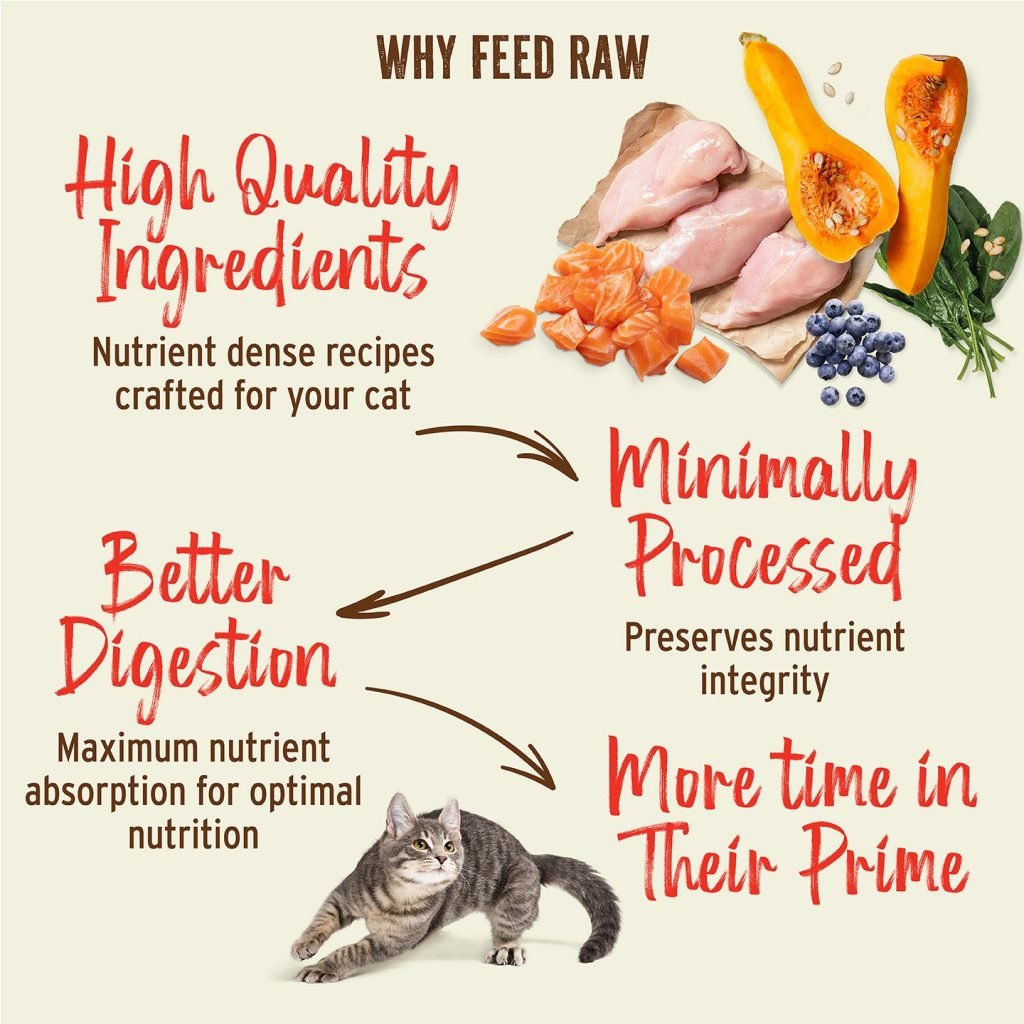
Switching your cat to a raw food diet can bring noticeable improvements in their overall health. Many cat owners have witnessed changes that go beyond just better eating habits. The benefits touch on digestion, appearance, energy, and even the immune system, making it worth considering if you want to see your feline friend thrive.
Improved Digestion
Raw diets often contain natural enzymes and less processed ingredients, which can help your cat digest food more efficiently. You might notice fewer digestive issues like vomiting or diarrhea. A diet closer to what cats would eat in the wild supports their natural digestive processes.
Enhanced Coat And Skin
Your cat’s fur can become shinier and softer on a raw diet. The essential fatty acids found in raw meat nourish the skin and coat deeply. If your cat has dry or flaky skin, this change in diet could reduce those problems noticeably.
Increased Energy Levels
Many cat owners report their pets being more playful and active after switching to raw food. The high protein content provides sustained energy throughout the day. Have you ever noticed your cat getting tired quickly? Raw food might help them stay lively longer.
Stronger Immune System
Raw diets are rich in vitamins and minerals that support immune health. A stronger immune system means your cat can better fight off infections and stay healthier overall. Watching your cat bounce back faster from minor illnesses might just be the proof you need.

Credit: www.nutriment.co.uk
Key Components Of Raw Meals
Raw meals for cats focus on natural ingredients that meet their dietary needs. These meals include several key components that provide essential nutrients. Each part plays a vital role in keeping cats healthy and strong. Understanding these components helps create balanced raw food diets.
Muscle Meat
Muscle meat forms the base of a raw cat food diet. It provides high-quality protein needed for energy and muscle repair. Common sources include chicken, turkey, and rabbit. This meat contains amino acids cats need to thrive.
Organ Meat
Organ meat is rich in vitamins and minerals. Liver, kidney, and heart are popular choices. These organs supply nutrients like vitamin A, iron, and taurine. Taurine is crucial for cats’ heart and eye health.
Bones
Raw bones offer calcium and phosphorus, essential for strong bones and teeth. They also help with dental health by cleaning teeth naturally. Soft, edible bones like chicken necks or wings are safe options.
Supplements And Additives
Supplements fill any nutritional gaps in raw meals. Fish oil, vitamin E, and taurine powder are common additions. These support skin health, immunity, and overall well-being. Careful balance ensures cats get all needed nutrients.
Choosing Ingredients Safely
Choosing ingredients safely is the foundation of a successful raw food diet for your cat. The quality and safety of each component directly affect your cat’s health and happiness. Let’s look at how you can pick the best ingredients without risking your pet’s well-being.
Sourcing Quality Meat
Start by finding meat that is fresh and from a trusted source. Look for suppliers who specialize in pet-grade or human-grade meat, as these meet higher safety standards. Local butchers or reputable farmers’ markets can offer fresher options than supermarket shelves.
Ask yourself: Do you know where this meat comes from? Transparency from the seller about the animal’s diet and living conditions can tell you a lot about its quality. Avoid meat that’s been sitting out or has an off smell, even if it looks fine.
Avoiding Harmful Additives
Check ingredient labels carefully to steer clear of preservatives, fillers, or artificial flavors. Cats don’t need grains, sugars, or chemicals in their raw meals. These can cause allergies, digestive issues, or long-term health problems.
Sometimes additives hide under unfamiliar names, so do a quick search if you’re unsure. If you prepare the food yourself, keep it simple: just clean, raw meat and the necessary supplements.
Balancing Nutrients
Raw food isn’t just about meat. Your cat needs a balance of protein, fat, vitamins, and minerals to thrive. Include organs like liver and kidney, which are nutrient-rich, along with bone for calcium.
How do you ensure the right balance? Use trusted recipes or consult with a vet who knows raw diets. Avoid guessing, as too much or too little of certain nutrients can harm your cat’s health.

Credit: pawfectlyrawne.com
Transitioning Your Cat To Raw Food
Switching your cat to a raw food diet takes care and patience. Cats need time to adapt to new tastes and textures. A smooth transition helps avoid digestive problems and keeps your cat happy and healthy.
Gradual Introduction
Start by mixing a small amount of raw food with your cat’s current diet. Increase the raw food portion slowly over several days or weeks. Watch how your cat reacts to new flavors and textures. Offering variety can help your cat accept the new diet.
Monitoring Reactions
Observe your cat’s behavior and stool during the switch. Look for signs of digestive upset like vomiting or diarrhea. Check for changes in energy levels and appetite. Contact your vet if you notice any serious issues or prolonged discomfort.
Adjusting Portions
Feed portions based on your cat’s weight and activity level. Start with smaller amounts and increase as needed. Avoid overfeeding to prevent weight gain. Adjust portions according to how well your cat accepts the raw food and maintains a healthy weight.
Common Challenges And Solutions
Switching your cat to a raw food diet can be rewarding, but it’s not without its hurdles. Understanding common challenges helps you stay prepared and confident. Let’s dive into some typical issues and practical ways to handle them effectively.
Picky Eaters
Some cats reject raw food at first, especially if they’re used to kibble or canned food. You can gently mix small amounts of raw food with their current diet to ease the transition.
If your cat still refuses, try warming the raw food slightly or adding a little tuna juice for extra appeal. Patience is key—sometimes it takes multiple tries before they accept new flavors.
Cost Considerations
Raw diets often seem expensive compared to commercial cat food. To manage costs, buy meat in bulk from trusted sources or look for local butchers who offer discounts on less popular cuts.
Preparing raw food at home also saves money over time. You can balance your budget without compromising your cat’s nutrition by planning meals ahead and avoiding unnecessary supplements.
Storage And Preparation
Raw meat needs proper storage to stay fresh and safe. Invest in a good freezer and airtight containers to prevent spoilage and odors.
Preparation takes time, but organizing ingredients and making batches in advance speeds up daily feeding routines. Clean all surfaces and utensils thoroughly to avoid contamination, protecting both you and your cat.

Credit: www.amazon.com
Safety And Hygiene Tips
Feeding your cat a raw food diet requires careful attention to safety and hygiene. This protects both your pet and family from harmful bacteria. Cleanliness and proper handling prevent illness and keep your cat healthy.
Proper Handling
Always wash your hands before and after touching raw cat food. Use separate utensils and cutting boards for raw pet food. Avoid touching your face or other surfaces while preparing meals. Store raw food in sealed containers to keep it fresh. Thaw frozen food in the refrigerator, not on the counter.
Preventing Contamination
Keep raw cat food away from human food to avoid cross-contamination. Use separate bowls for feeding and clean them daily. Do not reuse leftover raw food; discard any uneaten portions after feeding. Store raw food at the correct temperature to stop bacteria growth. Avoid leaving raw food out for more than two hours.
Cleaning Practices
Clean all surfaces and utensils with hot, soapy water after use. Sanitize cutting boards and bowls regularly with a pet-safe disinfectant. Wash your hands thoroughly with soap and warm water after cleaning. Dry all equipment completely before storing. Regular cleaning reduces the risk of harmful germs spreading.
Consulting Your Veterinarian
Switching your cat to a raw food diet is a big decision that can impact their health in many ways. Before making this change, consulting your veterinarian is essential. Your vet can provide valuable insights to help you make the best choice for your cat’s unique needs.
Health Assessments
Your vet will start by checking your cat’s overall health. This includes looking for any underlying conditions that might make a raw diet risky, such as kidney problems or digestive issues.
They can also assess your cat’s weight, energy levels, and coat condition to see if a raw diet could improve or worsen these factors. Have you noticed any changes in your cat’s behavior or health recently that you can share with your vet?
Nutritional Guidance
Raw diets require careful balance to meet your cat’s nutritional needs. Your vet can help you understand which raw foods are safe and which nutrients your cat must get daily.
They may suggest supplements or specific food combinations to prevent deficiencies. For example, cats need taurine, an amino acid often lacking in homemade raw meals, so your vet might recommend adding it.
Regular Checkups
After starting a raw food diet, regular vet visits become even more important. These checkups allow your vet to monitor your cat’s progress and catch any nutritional gaps early.
Blood tests, weight checks, and physical exams will help ensure your cat stays healthy and happy on their new diet. Are you ready to commit to this ongoing care for your feline friend?
Frequently Asked Questions
What Is A Cat Raw Food Diet?
A cat raw food diet consists of uncooked meat, organs, and bones. It mimics a cat’s natural prey. This diet supports better digestion, healthier skin, and improved energy. It avoids processed ingredients and fillers found in commercial cat foods.
Is A Raw Food Diet Safe For Cats?
Yes, if balanced correctly. Raw feeding requires careful handling to avoid bacteria. Consulting a vet ensures the diet meets all nutritional needs. Proper hygiene and sourcing quality ingredients reduce health risks.
What Are The Benefits Of Raw Feeding Cats?
Raw feeding can improve coat shine, dental health, and digestion. It provides natural enzymes and nutrients often lost in cooked foods. Many cats show increased energy and reduced allergies on a raw diet.
Can All Cats Eat Raw Food Diets?
Most cats can benefit, but kittens, seniors, or sick cats need special care. Always consult a veterinarian before switching to raw food. Individual health conditions may require tailored diets or supplements.
Conclusion
A raw food diet can help your cat stay healthy and active. It offers natural nutrients that support strong muscles and shiny fur. Always introduce new foods slowly and watch for any changes. Talk to your vet to ensure your cat’s diet fits their needs.
Feeding raw food takes care and attention but can be rewarding. A balanced diet keeps your cat happy and full of energy. Consider all factors before making the switch to raw food. Your cat deserves the best care and nutrition every day.
