

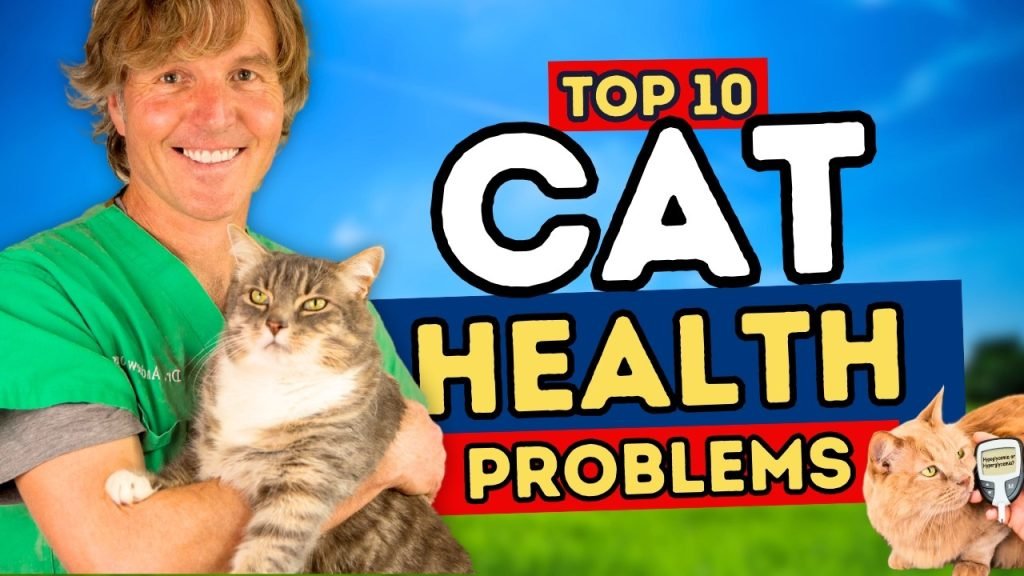
Is your cat acting differently or showing signs of discomfort? When it comes to your furry friend’s health, even small changes can signal bigger problems.
You want to keep your cat happy and healthy, but sometimes it’s hard to know what’s wrong or when to seek help. This guide will help you spot common cat health problems early, so you can take action before things get serious.
Keep reading to learn how to protect your cat and give them the care they truly deserve.
Common Cat Health Issues
Every cat owner faces health challenges at some point. Recognizing common cat health issues early can save your pet from discomfort and costly vet visits. Knowing what to watch for helps you act quickly and keep your feline friend happy and healthy.
Digestive Problems
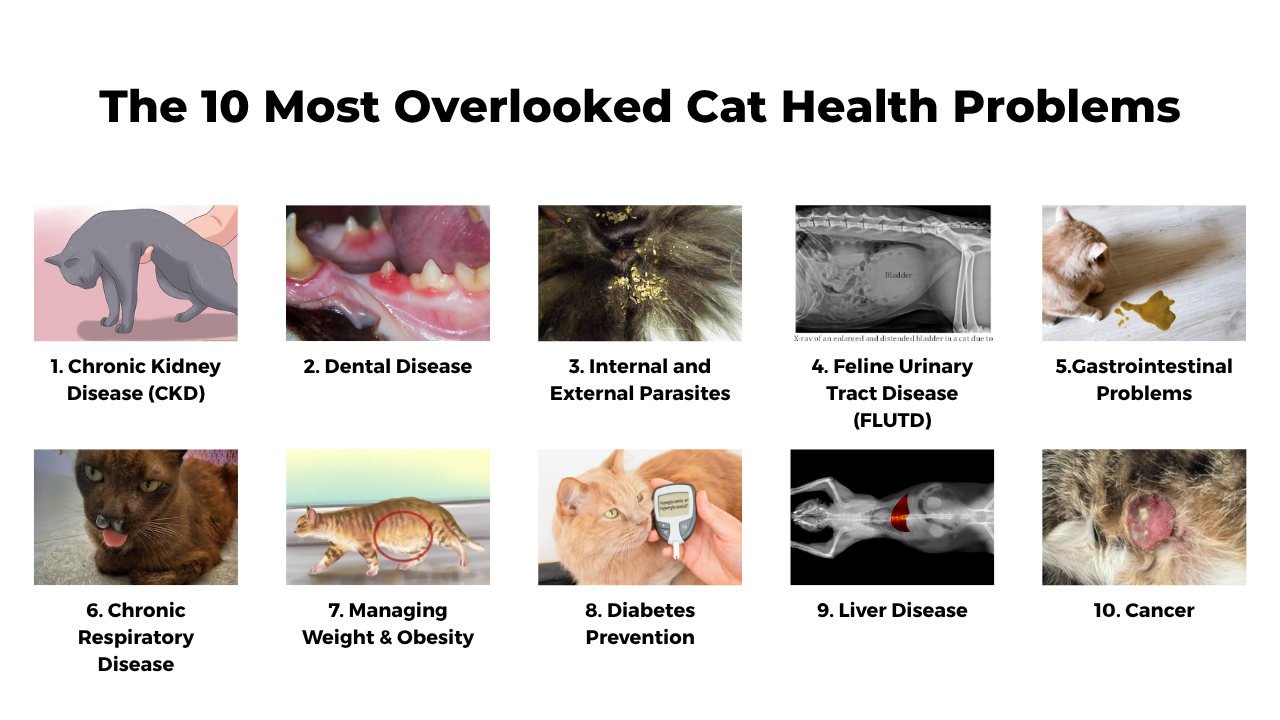
Digestive issues are frequent in cats and can range from mild upset stomach to serious conditions like pancreatitis. Symptoms such as vomiting, diarrhea, or loss of appetite should never be ignored. I once noticed my cat refusing food and vomiting repeatedly; a quick vet visit revealed a simple dietary intolerance.
Keep an eye on your cat’s eating habits and stool consistency. Changes in diet, sudden stress, or ingestion of non-food items often cause these problems. Do you know what your cat’s normal digestion looks like?
Skin Conditions
Skin problems often manifest as itching, redness, or hair loss. Allergies, infections, or parasites can trigger these issues. My cat developed red patches after using a new shampoo, which taught me to always test products in small amounts first.
Look closely for scratching, scabs, or flaky skin. Regular grooming helps you spot skin troubles early. Could your cat’s scratching be more than just fleas?
Respiratory Infections
Cats commonly catch respiratory infections that resemble a cold. Symptoms include sneezing, coughing, watery eyes, and nasal discharge. I noticed my cat’s sudden sneezing fits and watery eyes during a cold season, which resolved with simple care and vet advice.
These infections spread easily, especially in multi-cat households. Make sure to isolate sick cats to prevent outbreaks. How quickly do you respond when your cat shows breathing trouble?
Dental Diseases
Dental health often gets overlooked but affects your cat’s overall well-being. Signs include bad breath, drooling, and difficulty eating. My cat once stopped eating dry food, and a dental check revealed painful gum inflammation requiring treatment.
Regular teeth cleaning and vet checkups reduce dental risks. You can try brushing your cat’s teeth gently at home. When was your cat’s last dental exam?
Parasite Infestations
Parasites like fleas, ticks, and worms cause discomfort and serious health issues. Look for excessive scratching, visible bugs, or sudden weight loss. After finding fleas on my cat, I learned that prompt treatment and cleaning the environment are crucial.
Use vet-recommended preventatives year-round. Don’t wait for symptoms to appear—prevention is easier than cure. Are you proactive about protecting your cat from parasites?
Credit: veterinarysecrets.com
Signs Your Cat Needs Help
Knowing when your cat needs help can make all the difference in ensuring they stay healthy and happy. Cats are often good at hiding pain or illness, so subtle signs might be the only clues you get. Paying attention to changes in their behavior or habits can alert you to problems early.
Behavioral Changes
Has your usually friendly cat suddenly become withdrawn or aggressive? Changes in social behavior often signal discomfort or stress. You might notice your cat hiding more or avoiding interaction, which can indicate pain or illness.
On the other hand, excessive vocalization can also be a cry for help. If your cat starts meowing more than usual or at odd times, it’s worth checking with a vet. Are they trying to tell you something?
Appetite And Weight Fluctuations
Watch closely if your cat’s eating habits change suddenly. A decrease in appetite might point to dental issues, nausea, or other health problems. Conversely, an increase in hunger could suggest diabetes or hyperthyroidism.
Weight changes are another red flag. Losing or gaining weight quickly means your cat’s body isn’t functioning properly. Have you noticed your cat’s clothes fitting differently—figuratively speaking?
Lethargy And Activity Levels
If your cat is sleeping more than usual or seems less playful, it might not just be laziness. Lethargy can be a sign of infections, anemia, or other serious conditions. Compare their current activity with what’s normal for them.
Notice if your cat struggles with movements like jumping or climbing stairs. This can indicate pain or mobility issues. How often do you see your cat skipping their favorite activities?
Grooming Habits
Cats are known for their grooming, so changes here are important. Over-grooming can cause bald patches and usually points to skin irritation or stress. Under-grooming, on the other hand, may indicate arthritis or feeling unwell.
Look for mats or dirt in their fur, which suggests they aren’t grooming properly. This is often overlooked but can be a clear sign your cat needs medical attention. When was the last time you noticed your cat’s coat looking dull or messy?
Preventive Care Tips
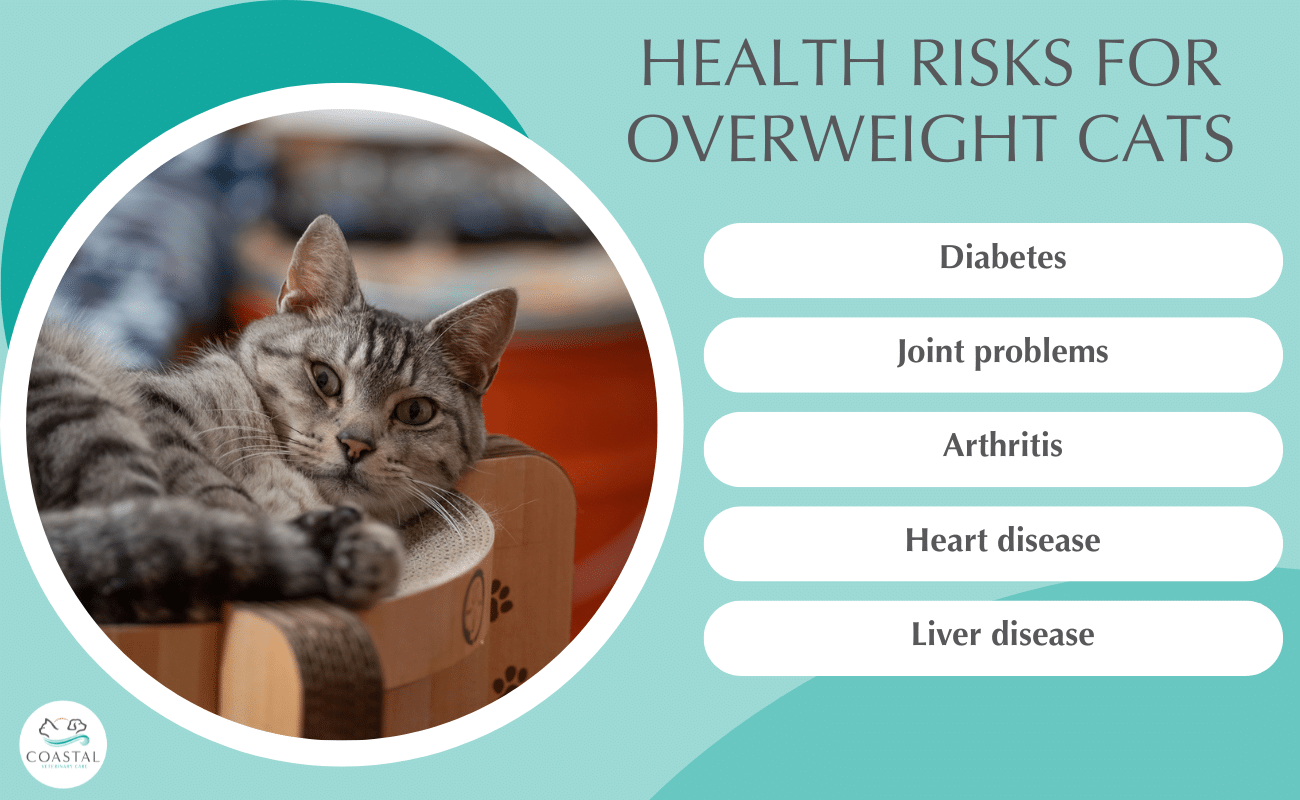
Preventive care keeps cats healthy and happy. It stops many health problems before they start. Regular attention to your cat’s needs improves their quality of life. A few simple steps protect your cat from illness and injury.
Regular Vet Checkups
Schedule vet visits at least once a year. Vets find health issues early. Early treatment can save lives. Keep vaccination records and discuss any changes in behavior. Regular exams help maintain your cat’s well-being.
Vaccination Schedules
Follow your vet’s vaccination plan. Vaccines protect cats from serious diseases. Kittens need more frequent shots than adults. Update vaccines as recommended. Vaccination lowers the risk of infections and spreads among cats.
Balanced Nutrition
Feed your cat a balanced diet. Use high-quality cat food with the right nutrients. Avoid giving too many treats or human food. Proper nutrition supports immunity and energy. Fresh water should always be available.
Safe Environment
Keep your home safe for your cat. Remove poisonous plants and harmful chemicals. Provide scratching posts and toys to reduce stress. Limit outdoor exposure to protect from accidents and infections. A safe space helps cats feel secure and healthy.
Credit: coastalveterinarycare.vet
Home Remedies And Treatments
Home remedies and treatments can help ease many common cat health problems. They provide gentle care and support your cat’s healing naturally. Many issues respond well to simple, safe home solutions. Knowing these tips can save trips to the vet and keep your cat comfortable.
Soothing Skin Irritations
Skin problems cause itching and discomfort in cats. Use a cool, damp cloth to clean irritated spots. Aloe vera gel, pure and without additives, can calm redness. Avoid harsh soaps or chemicals. A small amount of coconut oil can moisturize dry patches. Keep your cat’s nails trimmed to prevent scratching wounds.
Managing Digestive Upsets
Digestive issues often cause vomiting or diarrhea. Offer small amounts of plain boiled chicken and rice. This diet is easy on the stomach and helps firm stools. Make sure fresh water is always available. Probiotics designed for cats can support gut health. Avoid feeding dairy or treats until symptoms clear.
Relieving Respiratory Symptoms
Cats with cold-like symptoms need clean, warm air. Use a humidifier or sit with your cat in a steamy bathroom. This helps ease coughing and congestion. Keep your home smoke-free to avoid irritation. Gently wipe nasal discharge with a soft cloth. Monitor breathing and consult a vet if it worsens.
Dental Care At Home
Good dental care prevents pain and infection. Brush your cat’s teeth with a soft brush and pet-safe toothpaste. Start slowly and be gentle. Offer dental treats or toys to reduce plaque. Check gums regularly for redness or swelling. Healthy teeth support overall health and well-being.
When To Seek Veterinary Help
Knowing when to seek veterinary help is vital for your cat’s health. Cats often hide pain or illness, making it hard to spot problems early. Timely veterinary care can prevent serious complications and ease your cat’s discomfort.
Pay close attention to changes in behavior, appetite, or energy. Quick action can save your cat’s life in emergencies. Regular vet visits also help manage long-term health issues effectively.
Emergency Signs
- Sudden difficulty breathing or choking sounds
- Uncontrolled bleeding or deep wounds
- Severe vomiting or diarrhea lasting more than 24 hours
- Collapse or loss of consciousness
- Seizures or repeated shaking
- Inability to urinate or defecate
- Extreme lethargy or weakness
- Swollen abdomen or sudden bloating
Chronic Conditions
Ongoing issues need regular veterinary check-ups. Conditions like diabetes, kidney disease, or arthritis require careful monitoring. Watch for changes in:
- Eating and drinking habits
- Weight fluctuations
- Activity levels and mobility
- Urination and bowel movements
Early detection helps manage symptoms and improve quality of life.
Follow-up Care
After treatment, follow your vet’s advice closely. Give prescribed medications on time. Schedule recommended rechecks to track recovery. Note any new or worsening symptoms. Keep a health diary to share with your vet. This helps spot trends and adjust care.

Credit: justcatsclinic.com
Enhancing Feline Well-being
Enhancing your cat’s well-being is more than just providing food and shelter. It means actively supporting their mental, physical, and emotional health. By paying attention to these areas, you can help your feline friend live a happier and healthier life.
Mental Stimulation
Keeping your cat’s mind active prevents boredom and destructive behavior. Puzzle feeders and interactive toys challenge their problem-solving skills. Have you noticed how your cat perks up when trying to figure out a new toy? That curiosity is a sign of mental engagement.
Try rotating toys regularly to maintain interest. You can even hide treats around the house to encourage natural hunting instincts. Mental stimulation isn’t just fun—it’s essential for your cat’s cognitive health.
Physical Exercise
Physical activity helps control weight and builds muscle tone. Cats often enjoy chasing laser pointers, climbing cat trees, or pouncing on feather wands. Have you ever seen your cat sprint suddenly across the room? That burst of energy is their way of exercising.
Set aside daily playtime to keep your cat active. Short, frequent sessions can be more effective than long ones. Physical exercise supports your cat’s heart health and prevents joint problems.
Social Interaction
Cats may seem independent, but they need social bonds to thrive. Spending quality time petting or simply sitting with your cat builds trust and security. Does your cat follow you from room to room? That’s a sign they want connection.
If you have multiple pets, observe their interactions to ensure harmony. Some cats benefit from having a feline companion. Others prefer exclusive attention. Respect your cat’s social preferences to keep them comfortable.
Stress Reduction Techniques
Stress can cause health problems in cats, such as digestive issues or excessive grooming. Creating a calm environment helps reduce anxiety. You might try pheromone diffusers or soft background music to soothe your cat.
Provide safe hiding spots where your cat can retreat when feeling overwhelmed. Have you noticed your cat’s favorite quiet corner? That place is their stress relief zone. Minimizing sudden changes and loud noises also keeps stress levels low.
Frequently Asked Questions
What Are Common Health Problems In Cats?
Common cat health problems include obesity, dental disease, flea infestations, kidney issues, and urinary tract infections. Early detection helps manage these conditions effectively. Regular vet checkups are essential for maintaining cat health and preventing severe complications.
How Can I Tell If My Cat Is Sick?
Signs of a sick cat include lethargy, loss of appetite, vomiting, diarrhea, coughing, and unusual behavior. Monitor your cat closely and consult a vet if symptoms persist. Early diagnosis improves treatment success and overall recovery.
What Causes Urinary Problems In Cats?
Urinary problems in cats are often caused by infections, bladder stones, stress, or dehydration. Male cats are especially prone to blockages. Providing fresh water, a balanced diet, and regular vet visits help prevent urinary issues.
How Often Should I Schedule Cat Health Checkups?
Cats should visit the vet at least once a year for a health checkup. Older or sick cats may require more frequent visits. Regular exams help detect health problems early and keep your cat in good shape.
Conclusion
Taking care of your cat’s health needs attention and love. Watch for signs of illness early. Regular vet visits keep problems from growing. Good food and clean water help your cat stay strong. Keep their environment safe and stress-free. Small changes can make a big difference.
Your cat depends on you for a happy, healthy life. Stay aware and act quickly if issues arise. Healthy cats bring joy and comfort to your home.
