

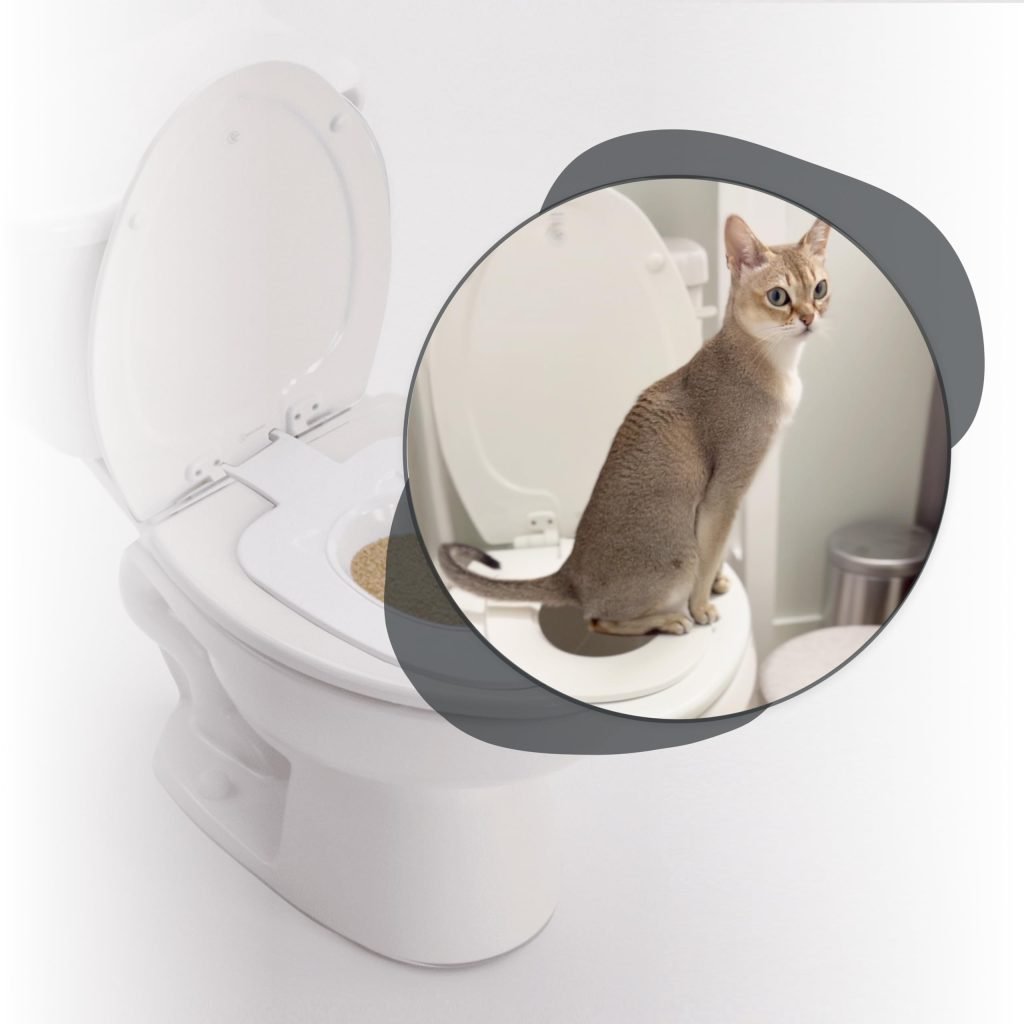
Imagine never having to scoop your cat’s litter box again. What if your cat could use the toilet just like you do?
It might sound tricky, but with the right steps, you can teach your feline friend to ditch the litter and use the toilet instead. This not only saves you time and money but also keeps your home cleaner and fresher.
If you’re ready to make life easier for both you and your cat, keep reading—because potty training your cat to use the toilet is easier than you think.
Credit: www.amazon.com
Benefits Of Toilet Training Cats
Toilet training cats offers many benefits beyond simple convenience. It changes daily routines and reduces common pet care problems. Training a cat to use the toilet can save money, help the environment, and keep your home cleaner. Understanding these benefits can motivate pet owners to try this method.
Cost Savings On Litter
Using a toilet means no need to buy cat litter. Litter costs add up over time and can be expensive. Toilet training cuts this expense completely. It also reduces the need to clean and replace litter boxes. This saves both money and effort in the long run.
Environmental Impact
Cat litter production uses natural resources like clay and minerals. Disposing of used litter creates waste that harms the environment. Toilet training lowers litter waste and reduces landfill impact. It also saves water compared to cleaning litter boxes regularly. This makes it a greener choice for pet care.
Cleaner Home Environment
Toilet training prevents litter tracking around the house. No scattered litter means fewer messes to clean up. It also reduces odors linked to litter boxes. Your home stays fresher and more hygienic. This benefits both you and your cat’s health.
Assessing Your Cat’s Readiness
Assessing your cat’s readiness is the first step in toilet training success. Cats need to show certain signs before they can adapt to this new habit. Understanding these signs helps ensure the process is smooth and stress-free for both you and your cat.
Age And Behavior Signs
Kittens younger than four months often lack control over their bladder. Most cats become ready around six months old. Watch for these behaviors:
- Consistent use of the litter box
- Ability to stay dry for several hours
- Showing curiosity about the toilet area
- Comfortable jumping onto the toilet seat
These signs show your cat is physically and mentally prepared.
Health Considerations
Healthy cats learn faster and adapt better. Illnesses can disrupt training and cause accidents. Check for:
- Urinary tract infections
- Digestive issues
- Mobility problems
Consult a vet to ensure your cat is fit for toilet training.
Personality Traits That Help
Some cats take to toilet training easier than others. Traits that help include:
- Curiosity and willingness to explore
- Patience and calm behavior
- Strong bond with their owner
- Quick learning ability
Cats with these traits usually adjust more quickly and with less stress.
Choosing The Right Toilet Training Kit
Choosing the right toilet training kit is key for a smooth transition. The right kit fits your cat’s size and comfort. It should be easy to use and clean. A good kit helps your cat learn faster and reduces accidents. Picking a kit with the right features makes training less stressful for both of you.
Popular Training Kits Available
- Litter Kwitter: Offers a three-stage system with color-coded trays.
- Citikitty: Comes with adjustable rings to fit different toilets.
- Modkat Toilet Training Kit: Includes a reusable insert and splash guard.
- Simple Solutions Cat Toilet Training Kit: Designed for easy step-by-step training.
Diy Vs. Commercial Kits
DIY kits can save money. They often use household items like plastic containers and training seats. These kits need careful measuring to fit the toilet properly.
Commercial kits offer convenience. They come with detailed instructions and are made for safety. The materials are durable and cat-friendly. Commercial kits may cost more but provide better support during training.
Safety Features To Look For
- Non-slip surfaces to prevent accidents.
- Adjustable rings to fit various toilet sizes.
- Sturdy materials that won’t break or tip over.
- Easy-to-clean parts to maintain hygiene.
- Splash guards to keep the area clean.
Credit: www.amazon.com
Step-by-step Training Process
Training your cat to use the toilet instead of a litter box takes patience and clear steps. Each stage builds on the last, making the process smoother for both you and your cat. Let’s walk through how you can guide your feline friend toward this impressive skill.
Introducing The Litter Box Near The Toilet
Start by moving your cat’s litter box close to the toilet. This helps your cat get used to the new location without sudden changes. Keep the litter box accessible and clean to encourage use.
Watch your cat’s behavior carefully—are they comfortable exploring the new spot? If your cat seems hesitant, spend extra time near the toilet, offering treats and praise to create a positive association.
Gradually Raising The Litter Box
Once your cat is using the litter box near the toilet consistently, begin to raise it a few inches. Use stable objects like books or sturdy boxes to avoid wobbling. Raise the box gradually over several days or weeks.
This step helps your cat adjust to the height of the toilet seat without stress. Have you noticed how cats can be sensitive to sudden height changes? Slow and steady wins the race here.
Transitioning To The Toilet Seat
Next, place the litter box directly on the toilet seat. Secure it so it doesn’t slip. Your cat will now associate the toilet area with their bathroom routine.
At this stage, your cat might be curious or cautious. Use encouragement with treats and gentle petting. Does your cat seem puzzled? Patience is key—don’t rush this transition.
Using Training Inserts
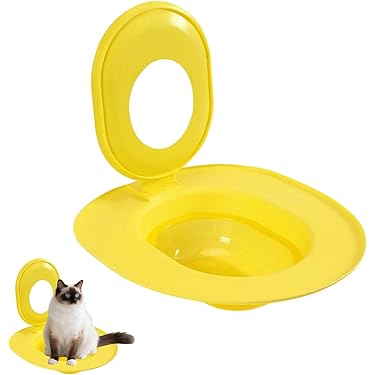
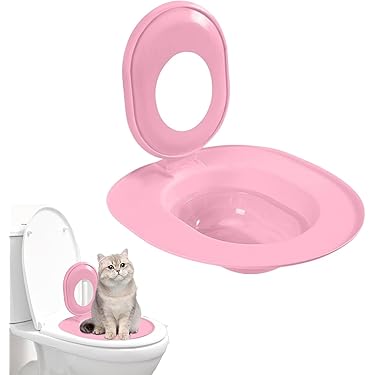
Training inserts are specially designed seats that fit inside the toilet bowl, with a small hole and space for a bit of litter. Start with a full insert and gradually make the hole bigger to encourage your cat to balance over the water.
These inserts help your cat get used to the feel of the toilet and reduce litter use. It’s a clever way to bridge the gap between litter box and toilet. Have you prepared for some occasional splashes or slips? It’s normal at this stage.
Final Removal Of Training Tools
Once your cat comfortably uses the toilet with a large hole in the insert, remove the insert completely. Keep the toilet lid up and the seat down to make it inviting and easy for your cat.
Watch your cat closely—this is the moment they fully switch to the toilet. Celebrate small victories and be ready to pause if your cat seems stressed. How does it feel to see your cat mastering such a unique skill?
Common Challenges And Fixes
Training your cat to use the toilet can be a rewarding experience, but it often comes with some hurdles. Understanding common challenges helps you tackle them without frustration. Let’s look at typical issues and practical ways to fix them, so your cat stays comfortable and confident.
Fear Or Resistance To The Toilet
Many cats hesitate at the toilet because it’s unfamiliar and feels unstable. Your cat might jump away quickly or refuse to approach it at all. To ease this, start by placing the litter box near the toilet, then gradually raise its height.
Try adding a non-slip mat to the toilet seat to provide better footing. Patience is key—allow your cat to explore at their own pace. Have you noticed what makes your cat freeze or back off during training? Observing this can guide your adjustments.
Accidents And Setbacks
Accidents happen, even with the most well-trained cats. Instead of reacting negatively, view these moments as feedback. They might signal that your cat isn’t ready to progress or feels stressed.
Keep a spare litter box nearby during training to reduce anxiety. Clean accidents promptly with enzyme cleaner to remove odors that might attract repeat mistakes. Remember, consistency and calm responses help your cat regain confidence faster.
Encouraging Consistency
Consistency is often the biggest challenge for pet owners, not the cat. To encourage regular toilet use, create a routine around feeding and bathroom breaks. Cats thrive on predictability and will adapt quicker when they know what to expect.
Use positive reinforcement like treats or gentle praise immediately after successful toilet use. It’s tempting to rush the process, but steady progress wins. Are you tracking your cat’s patterns and rewards to keep motivation high?

Credit: www.walmart.com
Maintaining Hygiene And Safety
Maintaining hygiene and safety during cat potty training in the toilet is vital. It keeps your home clean and protects your cat’s health. Proper care helps prevent infections and bad smells. A clean area encourages your cat to use the toilet confidently. Safe practices avoid harm from chemicals or germs.
Cleaning The Toilet And Surroundings
Clean the toilet seat and area daily. Use a soft cloth or sponge to wipe surfaces. Remove any cat waste immediately. Keep the floor around the toilet dry and free of debris. This prevents slips and keeps the space pleasant. Regular cleaning stops bacteria and odors from building up.
Avoiding Harsh Chemicals
Use mild, pet-safe cleaners only. Harsh chemicals can irritate your cat’s skin or eyes. Avoid bleach and strong disinfectants. Natural cleaners like diluted vinegar or baking soda work well. Always rinse surfaces well after cleaning. This keeps your cat safe from toxic residues.
Monitoring Cat’s Health During Training
Watch for signs of discomfort or illness. Changes in behavior or litter habits may signal problems. Check for redness, swelling, or discharge around the paws. If your cat seems stressed or sick, pause training. Consult a vet for advice and care. Healthy cats learn toilet training more easily.
Tips For Success And Patience
Training your cat to use the toilet takes time and patience. Success happens through gentle guidance and steady effort. Each cat learns at its own speed, so stay calm and positive. Small progress is still progress. Celebrate every step forward to keep motivation high.
Positive Reinforcement Techniques
Reward your cat for every good behavior. Use treats or soft praise to encourage toilet use. Avoid punishment; it can cause fear and confusion. Praise builds trust and makes learning fun. Keep rewards consistent to strengthen good habits.
Keeping A Training Schedule
Set regular times to guide your cat to the toilet. Routine helps your cat understand what to expect. Watch for signs your cat needs to go. Bring your cat to the toilet gently and calmly. Consistency creates a clear pattern for your cat.
Recognizing Milestones
Celebrate small wins like sitting on the toilet seat. Notice when your cat stays calm near the toilet. Recognize when they avoid the litter box. Mark each step with praise or a small treat. These milestones show progress and keep training on track.
When Toilet Training Isn’t Suitable
Toilet training a cat can be a rewarding experience, but it’s not the perfect fit for every feline or every home. Sometimes, the unique needs of your cat or the dynamics of your household make this approach impractical or even stressful for your pet. Recognizing when toilet training isn’t suitable helps you make better decisions for your cat’s comfort and well-being.
Cats With Special Needs
Cats with health issues or mobility challenges may find toilet training too difficult or uncomfortable. Older cats with arthritis, for example, might struggle to balance or jump onto the toilet seat safely. If your cat has cognitive or sensory impairments, the unfamiliar setup can cause anxiety rather than convenience.
Have you noticed your cat avoiding certain surfaces or showing signs of discomfort during litter box changes? These are signals that toilet training might not be the right choice for them.
Multi-cat Households
Managing multiple cats can complicate toilet training significantly. Each cat may have different habits and comfort levels, and sharing a single toilet can lead to territorial disputes or stress. Also, cats usually prefer having their own dedicated spaces for elimination, which a single toilet seat cannot provide.
Imagine trying to coordinate several cats to use the toilet on a schedule—it’s often unrealistic and can lead to accidents or behavioral issues.
Alternative Solutions
If toilet training isn’t suitable, don’t worry—there are other options to keep your cat happy and your home clean. Consider upgrading to a high-quality litter box with features like odor control or self-cleaning mechanisms. Some pet owners find success using grass or sand trays placed near the toilet for easier cleanup.
What about trying a gradual transition to a different type of litter or location? Small adjustments can sometimes solve litter box problems without needing to move to the toilet entirely.
Frequently Asked Questions
How Long Does Cat Potty Training In Toilet Take?
Toilet training a cat typically takes 4 to 8 weeks. Consistency and patience are essential. Each cat learns at its own pace, so progress may vary.
What Tools Are Needed For Cat Toilet Training?
You need a training seat, a gradual transition kit, and patience. A step-by-step toilet training kit helps cats adjust easily.
Can All Cats Be Toilet Trained Successfully?
Most cats can learn, but some may resist due to personality. Young cats usually adapt faster than older ones. Patience is key for success.
How Do I Start Toilet Training My Cat?
Begin by placing the litter box near the toilet. Gradually raise the box height until it’s level with the toilet seat. Then transition to the training seat.
Conclusion
Training your cat to use the toilet takes time and patience. Small steps help your cat learn better. Stay calm and keep routines simple. Cats can adapt well with gentle guidance. Success feels rewarding for both you and your pet.
Remember, every cat is different. Keep trying and celebrate each small win. This method can save space and reduce litter costs. Enjoy a cleaner home and a happy cat.
