

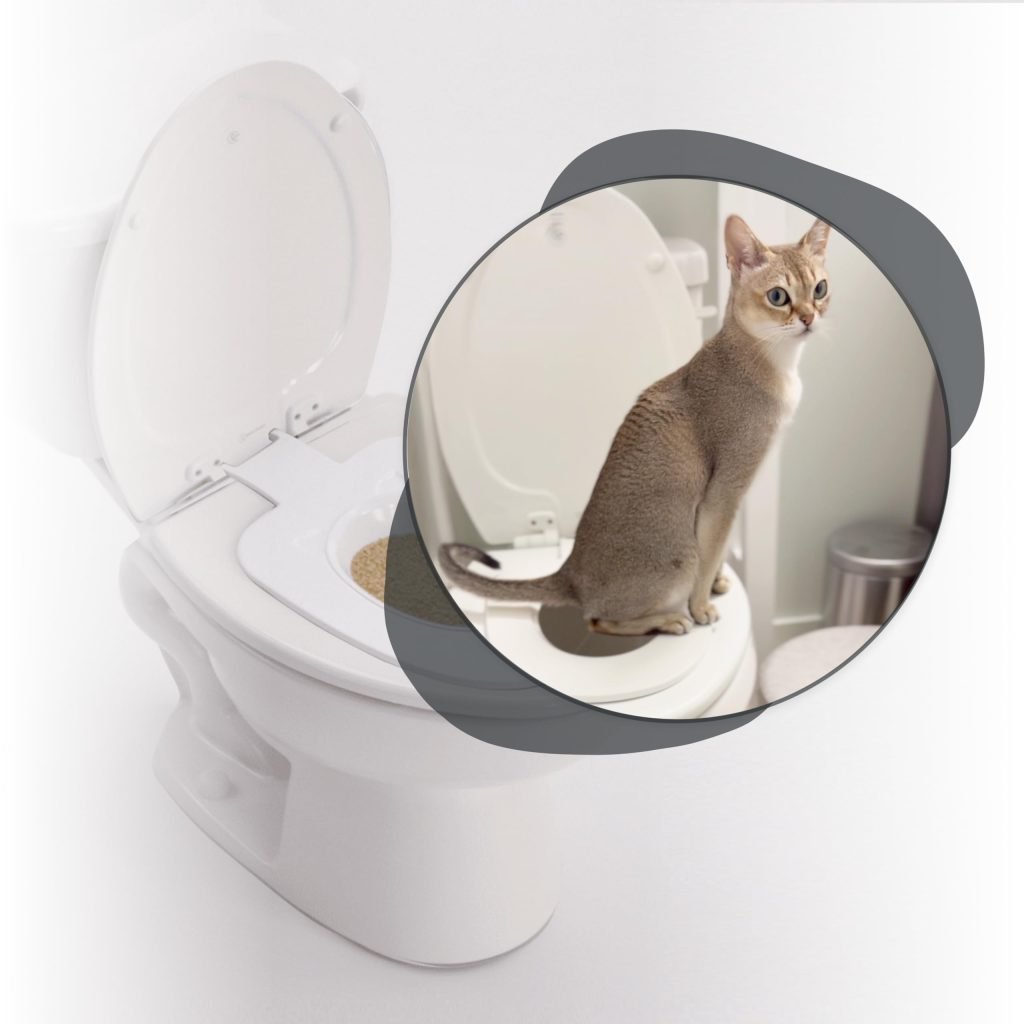
Are you tired of cleaning up messy litter boxes and worrying about your cat’s bathroom habits? Imagine a home where your cat uses the toilet just like you do.
Yes, it’s possible to have a cat potty trained, and it can change your life in ways you never thought of. You’ll discover simple, effective steps to teach your cat this amazing skill. Stick with me, and you’ll see how easy and rewarding this journey can be for both you and your furry friend.
Ready to make litter box struggles a thing of the past? Let’s dive in!
Credit: www.amazon.com
Benefits Of Potty Training Cats
Potty training your cat offers more than just a neat trick; it transforms your daily routine and living space. Understanding the benefits can motivate you to invest time and patience into this rewarding process. You might be surprised how much a trained cat can enhance your home life.
Cleaner Living Environment
Teaching your cat to use a designated potty spot keeps your home tidier. Without the risk of random accidents, you avoid stained carpets and unpleasant surprises behind furniture. This creates a more hygienic space for both you and your pet.
Imagine not having to worry about stepping into unexpected messes or constantly cleaning up after your cat. Your floors and surfaces stay cleaner, and your cat feels more comfortable with a consistent bathroom area.
Reduced Odors And Mess
Potty training cuts down on the smell that often comes with litter boxes scattered around the house. When your cat uses an outdoor or specific indoor potty, odors are contained and easier to manage. This means fresher air and a more inviting home atmosphere.
You’ll also spend less time cleaning up stray litter or wiping urine spots. This benefit alone can make your daily chores simpler and less stressful.
Convenience For Owners
Training your cat to potty in one place saves you time and effort. You won’t need to scoop multiple litter boxes or constantly replace bedding. This convenience allows you to focus more on enjoying your pet’s company.
Think about how much easier travel or busy days become when you know your cat’s bathroom habits are under control. Isn’t it worth the training effort to gain peace of mind and smoother routines?
Credit: www.amazon.com
Choosing The Right Potty Training Method
Choosing the right potty training method for your cat sets the foundation for success. Each cat has unique preferences and needs. Picking a method that fits your cat’s personality makes training easier and quicker. Comfort and consistency play key roles in helping your cat learn good habits.
Consider different options carefully. Some cats prefer traditional litter boxes. Others may respond well to innovative alternatives. Your choice should match your cat’s behavior and your home setup.
Litter Box Alternatives
Litter box alternatives offer creative ways to train cats. Some cats dislike the feel or smell of litter. Alternatives include:
- Grass or turf pads that mimic outdoor surfaces
- Reusable training pads designed for pets
- Paper pellets or wood chips as natural options
These alternatives can reduce mess and odor. They also help cats adjust to different textures.
Diy Cat Potty Solutions
DIY potty solutions save money and allow customization. Simple materials like trays and absorbent pads work well. Some owners build small potty areas with soil or sand. These options give cats a familiar outdoor feel. Always keep DIY areas clean and dry to encourage use.
Commercial Cat Toilets
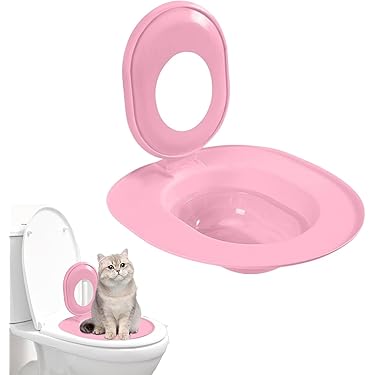
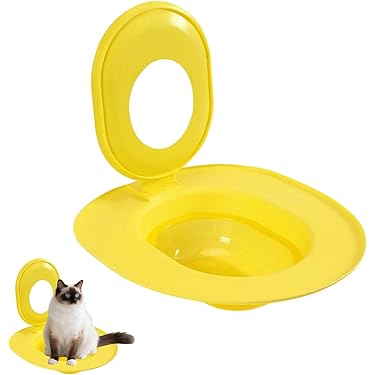
Commercial cat toilets offer modern, hygienic options. Many come with easy cleaning features. Some models use water and filters to control odor. Others are designed to fit over regular toilets. These toilets help reduce litter use and save space. They suit owners wanting a low-maintenance solution.
Step-by-step Training Process
Training your cat to use a potty is a process that takes patience and consistency. Breaking it down into clear steps can make it easier for both you and your feline friend. Each phase builds on the last, helping your cat adjust smoothly to a new habit.
Introducing The Potty Area
Choose a quiet, accessible spot for your cat’s potty area. Make sure it’s away from their food and sleeping places to keep the space inviting. Set up the potty—whether it’s a litter box or a special training seat—and let your cat explore it freely.
Don’t rush the introduction. Allow your cat to sniff and investigate without pressure. Have you noticed how cats naturally prefer calm, private spots for their needs? Use this to your advantage when picking the location.
Encouraging Use With Treats
Positive reinforcement works wonders during training. Each time your cat approaches or uses the potty area, reward them with a small treat or gentle praise. This creates a clear link between using the potty and receiving something pleasant.
Try to catch your cat’s attention right after they use the potty to give the treat. Consistency here is key. Have you tried using different treats to find what motivates your cat most?
Handling Accidents Effectively
Accidents are part of the learning curve and should be handled calmly. Avoid scolding your cat—it can create fear and confusion. Instead, clean the area thoroughly to remove any scent that might encourage repeat accidents.
Use enzymatic cleaners designed for pet messes to fully eliminate odors. Then, gently guide your cat back to the potty area. How do you usually respond when your cat has an accident?
Common Challenges And Fixes
Training your cat to use a potty can be rewarding, but it often comes with its share of hurdles. Understanding common challenges helps you tackle issues efficiently and keeps the process smoother for both you and your feline friend. Let’s look at some typical problems and practical fixes that can make a big difference.
Reluctance To Use Potty
Some cats simply refuse to use the potty at first. This might be because the potty feels unfamiliar or uncomfortable. Try placing the potty in a quiet, easily accessible spot where your cat feels safe.
If your cat avoids the potty, check if the surface texture is appealing. Cats often prefer softer or sand-like textures. Adding a small amount of their usual litter on top can encourage them to explore the potty.
Dealing With Anxiety
Stress can cause your cat to avoid the potty. Changes in the environment, loud noises, or new pets can trigger anxiety. Watch for signs like hiding or reduced appetite, which can signal your cat needs more comfort.
To ease anxiety, create a calm space near the potty with familiar toys or blankets. Spending extra time playing or gently petting your cat can build trust and reduce nervousness. Have you noticed your cat’s behavior change when the house gets noisy?
Maintaining Consistency
Consistency is key to successful potty training. Using the potty irregularly confuses your cat and slows progress. Make sure everyone in your household follows the same routine and rules.
Keep the potty clean and accessible at all times. Regularly praise and reward your cat when they use the potty correctly. Small treats or affection go a long way in reinforcing good habits.
Maintaining Your Cat’s Potty Routine
Maintaining your cat’s potty routine is essential for both your peace of mind and your cat’s well-being. A consistent routine helps your cat feel secure and reduces accidents around the house. It also allows you to spot any changes in behavior that might signal health issues early on.
Cleaning And Hygiene Tips
Keep your cat’s litter box clean by scooping it at least once a day. Cats are very particular about cleanliness, and a dirty box can lead to accidents elsewhere. Wash the box with mild soap and warm water weekly to prevent odors and bacteria buildup.
Use unscented, dust-free litter to avoid irritating your cat’s sensitive nose. Consider having one litter box per cat, plus one extra, especially if you have multiple cats. This simple step can prevent territorial disputes and encourage regular use.
Monitoring Health Through Potty Habits
Changes in your cat’s potty habits can signal health problems. Look out for signs like frequent urination, straining, or blood in the litter box. These symptoms warrant a prompt visit to the vet.
Keep a daily log if your cat has had recent health issues or is on medication. Tracking the frequency, amount, and consistency of waste can provide valuable information during vet visits. Have you ever noticed subtle changes that helped you catch a problem early?
Adjusting Routine As Your Cat Ages
Older cats may need easier access to litter boxes placed on the ground floor or in quieter areas. Arthritis or mobility issues can make jumping into high-sided boxes difficult. Low-sided boxes or ramps can make a big difference.
Your cat’s diet and water intake might change with age, altering their potty habits. Watch for increased or decreased litter box visits, and adjust the cleaning schedule accordingly. How well do you know your cat’s changing needs as they grow older?

Credit: www.youtube.com
Frequently Asked Questions
How Long Does It Take To Potty Train A Cat?
Potty training a cat usually takes 2 to 6 weeks. Consistency and patience are key. Every cat learns at its own pace.
What Supplies Are Needed For Cat Potty Training?
You need a litter box, cat litter, and cleaning supplies. A small training seat or tray can help transition to the toilet.
Can All Cats Be Potty Trained Successfully?
Most cats can be potty trained with patience. Older or shy cats may take longer. Some cats may resist toilet training.
What Are Common Mistakes In Cat Potty Training?
Skipping gradual steps and rushing can confuse cats. Using harsh punishment harms progress. Clean accidents gently to avoid repeat spots.
Conclusion
Training your cat to use the potty takes time and patience. Small steps help your cat learn better habits. Keep a clean and quiet place for your cat. Praise your cat when it uses the potty right. Stay consistent and gentle throughout the process.
Soon, your cat will feel comfortable and confident. Enjoy a cleaner home and a happy cat. Potty training is possible with love and care.
