

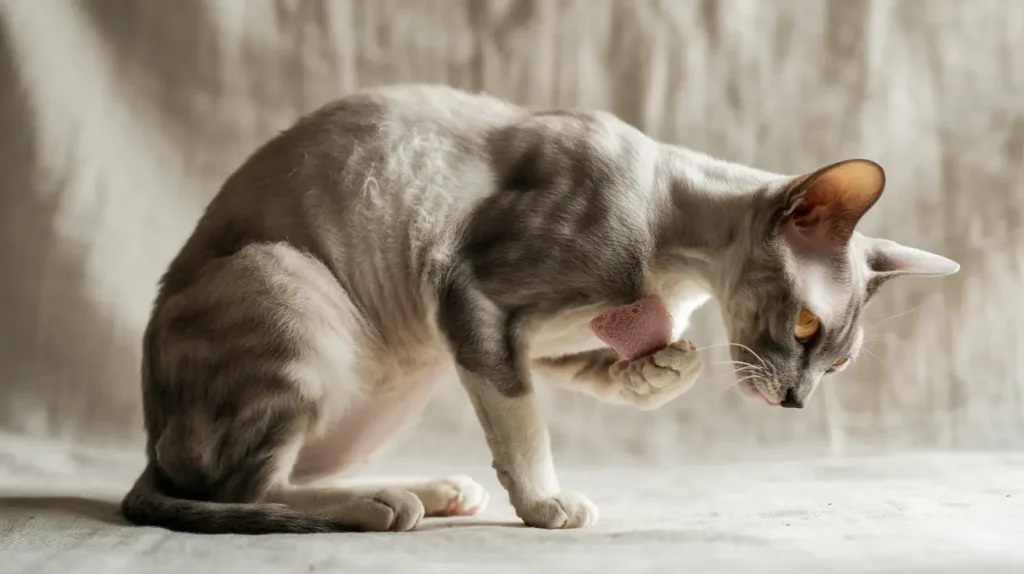
Is your cat constantly licking or biting its tail? You might be surprised to learn that this behavior, called tail over grooming, can signal more than just a quirky habit.
If you’ve noticed your cat’s tail looking red, bald, or sore, it’s time to pay attention. Understanding why your cat is over grooming its tail is key to helping them feel comfortable and happy again. Keep reading to discover what causes this behavior and how you can stop it before it gets worse.
Your cat’s well-being depends on it.
Credit: pethelpful.com
Why Cats Over Groom Their Tails
Over grooming of the tail in cats can be more than just a quirky habit. It often signals that something is off with your feline friend. Understanding why cats focus their grooming on the tail can help you spot issues early and provide the right care.
Stress And Anxiety Triggers
Cats often groom their tails excessively when they feel stressed or anxious. Changes in their environment, like moving to a new home or the arrival of another pet, can spark this behavior.
Have you noticed your cat licking its tail more after a loud noise or a visit to the vet? This over grooming acts as a coping mechanism to soothe nerves.
Allergic Reactions
Allergies can make your cat’s tail itchy and uncomfortable. These might come from food, pollen, or even flea bites.
If your cat’s tail is red or swollen, it might be reacting to something in its surroundings. Identifying and removing the allergen can reduce this problem.
Parasite Infestations
Fleas, mites, and ticks are common culprits behind tail over grooming. These parasites cause intense itching and irritation.
Regular flea control treatments can help prevent infestations. You can also check your cat’s tail for tiny moving dots or scabs as signs of parasites.
Skin Infections And Irritations
Bacterial or fungal infections can cause discomfort, leading your cat to lick its tail repeatedly. Even minor wounds can turn into itchy spots that demand attention.
Look for patches of missing fur, scabs, or oozing sores. Prompt veterinary care is crucial to prevent infections from worsening.
Pain And Discomfort Factors
Sometimes, pain from injuries or arthritis in the tail or nearby areas can make cats over groom. They might lick to numb the pain or try to clean a wound.
If your cat flinches when you touch its tail or shows other signs of pain, get a professional checkup. Addressing pain can stop the over grooming before it causes more damage.

Credit: www.rd.com
Signs Of Tail Over Grooming
Noticing signs of tail over grooming in your cat early can make a big difference. Over grooming often signals discomfort, stress, or health issues your cat is facing. Being alert to these signs helps you take action before the problem worsens.
Visible Hair Loss
One of the clearest signs is hair loss around the tail area. You may see patches where the fur is thinning or completely gone. This can look uneven and sometimes stark against the rest of your cat’s coat.
Have you ever seen your cat licking or biting the same spot repeatedly? That behavior usually leads to these bald patches. Keep an eye out for unusual grooming patterns that seem focused on the tail.
Redness And Swelling
Red, inflamed skin on the tail is a strong warning sign. It often appears shiny and may feel warm to the touch. Swelling can also develop if the skin gets irritated or infected.
If you notice these symptoms, it’s important to check if your cat is in pain or discomfort. Sometimes, redness can be subtle at first but quickly escalate. Early observation can prevent infection and more serious skin damage.
Behavioral Changes
Your cat’s behavior can reveal a lot about tail over grooming. They might seem restless, irritable, or unusually withdrawn. Some cats start grooming obsessively, while others avoid being touched around the tail.
Have you noticed your cat hiding more or acting anxious near their tail? These changes often accompany physical symptoms and can help you understand your cat’s stress or pain levels better.
Wounds And Scabs
Repeated grooming can cause open wounds and scabs on the tail. These injuries may bleed or ooze, increasing the risk of infection. Scabs might also form in irregular patterns as your cat continues to lick and bite.
It’s crucial to check these wounds regularly and prevent your cat from making them worse. Sometimes, a simple collar or protective covering can stop the cycle of damage while you work on the underlying cause.
Diagnosing The Root Cause
Understanding why your cat is over grooming its tail is key to stopping the behavior. Over grooming can signal pain, irritation, or stress. Pinpointing the root cause helps you provide the right care and relief for your furry friend.
Veterinary Examination
Start with a thorough veterinary checkup. Your vet will look for signs of injury or infection on the tail and surrounding areas. This hands-on exam often reveals issues you might miss at home, such as subtle swelling or tender spots.
They may also review your cat’s medical history and ask about recent changes in behavior or environment. Have you noticed if your cat is licking more after new food or a move? Sharing these details can guide the vet’s diagnosis.
Skin Tests And Allergy Screening
Allergies can cause intense itching that drives over grooming. Skin tests help identify reactions to common allergens like pollen, dust mites, or certain foods. These tests are painless and can uncover hidden triggers.
Knowing exactly what your cat is allergic to allows for targeted treatment. For example, switching to a hypoallergenic diet or changing cleaning products at home might reduce itching and improve your cat’s comfort.
Parasite Checks
Parasites such as fleas or mites are often behind excessive grooming. Even if you don’t see bugs, your cat might be reacting to their bites or presence. Your vet can perform a skin scraping or use a flea comb to detect these tiny invaders.
Addressing parasites quickly prevents further irritation and breaks the cycle of over grooming. Have you noticed small red bumps or hair loss near your cat’s tail? These clues often point to parasite problems.
Behavioral Assessment
Sometimes, over grooming stems from stress or boredom rather than physical issues. Behavioral assessment looks at your cat’s daily routine, environment, and interactions. Changes like new pets or fewer play sessions can cause anxiety and lead to licking.
Ask yourself: Is your cat getting enough mental and physical stimulation? Adding interactive toys or extra playtime can reduce stress-driven grooming. Observing your cat closely helps identify patterns and possible emotional triggers.
Treatment Options For Over Grooming
Over grooming in cats requires careful treatment to prevent further damage. Treatment focuses on reducing discomfort and stopping the behavior. Different approaches work together to address physical and emotional causes. A balanced plan helps cats heal and feel comfortable again.
Medications And Topical Treatments
Medications can reduce itching and inflammation. Vets may prescribe antihistamines or steroids to calm skin irritation. Topical creams and sprays soothe affected areas and promote healing. Some treatments protect wounds and prevent infection. These options give quick relief and support skin recovery.
Parasite Control Measures
Parasites often cause itching that leads to over grooming. Flea treatments remove these pests and stop bites. Regular parasite control keeps cats free from fleas and mites. Using vet-approved products ensures safe and effective protection. Clean bedding and environment also reduce parasite risks.
Behavioral Therapy And Enrichment
Stress and boredom can trigger over grooming. Behavioral therapy helps address anxiety and compulsive habits. Providing toys and playtime keeps cats mentally engaged. Regular interaction builds trust and reduces stress. Training and positive reinforcement guide better behavior.
Environmental Adjustments
Changing the cat’s surroundings can ease stress. Creating quiet, safe spaces offers comfort and calm. Adding scratching posts and cozy beds supports natural behavior. Keeping a consistent routine reduces anxiety. Avoiding loud noises and sudden changes helps cats relax.
Preventing Tail Over Grooming
Preventing tail over grooming in cats helps keep their skin healthy and fur intact. This behavior often signals discomfort or stress. Early prevention avoids wounds and infections. Focus on caring for your cat’s health, reducing stress, and creating a safe home.
Regular Health Checkups
Visit the vet regularly to spot skin problems early. Check for parasites like fleas or mites that irritate the tail. Allergies or infections need prompt treatment. Routine exams keep your cat’s coat smooth and healthy.
Stress Reduction Techniques
Stress causes many cats to groom excessively. Provide quiet spaces where your cat feels safe. Use calming products like pheromone diffusers or sprays. Play with your cat daily to release nervous energy. A calm cat grooms less.
Proper Grooming Habits
Brush your cat gently to remove loose fur and dirt. This reduces the need for self-grooming. Use soft brushes suited for your cat’s fur type. Check the tail area for dryness or irritation. Regular grooming builds trust and comfort.
Safe And Comfortable Environment
Keep your cat’s living area clean and cozy. Avoid harsh chemicals or strong scents that irritate the skin. Provide soft bedding and hiding spots. A stress-free environment helps reduce over grooming. Make sure your cat has fresh water and balanced food.
When To Seek Professional Help
Cat over grooming of the tail can signal deeper health or emotional issues. Knowing when to seek professional help is vital for your cat’s well-being. Early action can prevent pain and serious complications. Watch your cat closely for signs that need expert care.
Persistent Symptoms
If your cat keeps licking or biting its tail for days, it needs a vet check. Persistent symptoms include redness, swelling, or open sores. These signs show the problem is not going away on its own. A vet can find the cause and suggest treatment.
Worsening Skin Condition
The skin around the tail may become raw or infected from constant grooming. Look for scabs, hair loss, or oozing wounds. These symptoms mean the skin is damaged and needs medical attention. Untreated infections can spread and cause more harm.
Behavioral Escalation
Over grooming can be a sign of stress or anxiety in your cat. If your cat becomes more restless, hides, or acts aggressively, seek help. Behavioral changes often need guidance from a vet or animal behaviorist. They can offer solutions to ease your cat’s stress.
Credit: www.preventivevet.com
Frequently Asked Questions
Why Is My Cat Over Grooming Its Tail?
Cats over groom their tails due to stress, allergies, or parasites. Over grooming can also signal skin infections or anxiety. Identifying the cause helps in providing the right treatment and preventing further discomfort.
How Can I Stop My Cat From Over Grooming Its Tail?
To stop over grooming, address underlying causes like fleas or allergies. Provide a calm environment and use vet-recommended treatments. Regular checkups help monitor your cat’s skin health and reduce excessive grooming behavior.
What Are Signs Of Tail Damage From Over Grooming?
Signs include redness, bald patches, scabs, and irritated skin on the tail. Your cat may lick or bite the tail constantly. Early detection prevents infections and promotes faster healing.
Can Stress Cause A Cat To Over Groom Its Tail?
Yes, stress is a common trigger for over grooming in cats. Changes in environment, loud noises, or new pets can increase anxiety. Reducing stress through enrichment and routine can help minimize over grooming.
Conclusion
Cats over grooming their tails need care and attention. Watch for signs like redness or hair loss. Stress, allergies, or pain might cause this behavior. A vet can help find the real cause. Treating the problem early keeps your cat happy.
Simple changes at home can reduce stress too. Keep your cat comfortable and healthy every day. Understanding tail over grooming helps you protect your pet. Stay patient and gentle while helping your cat heal.
