

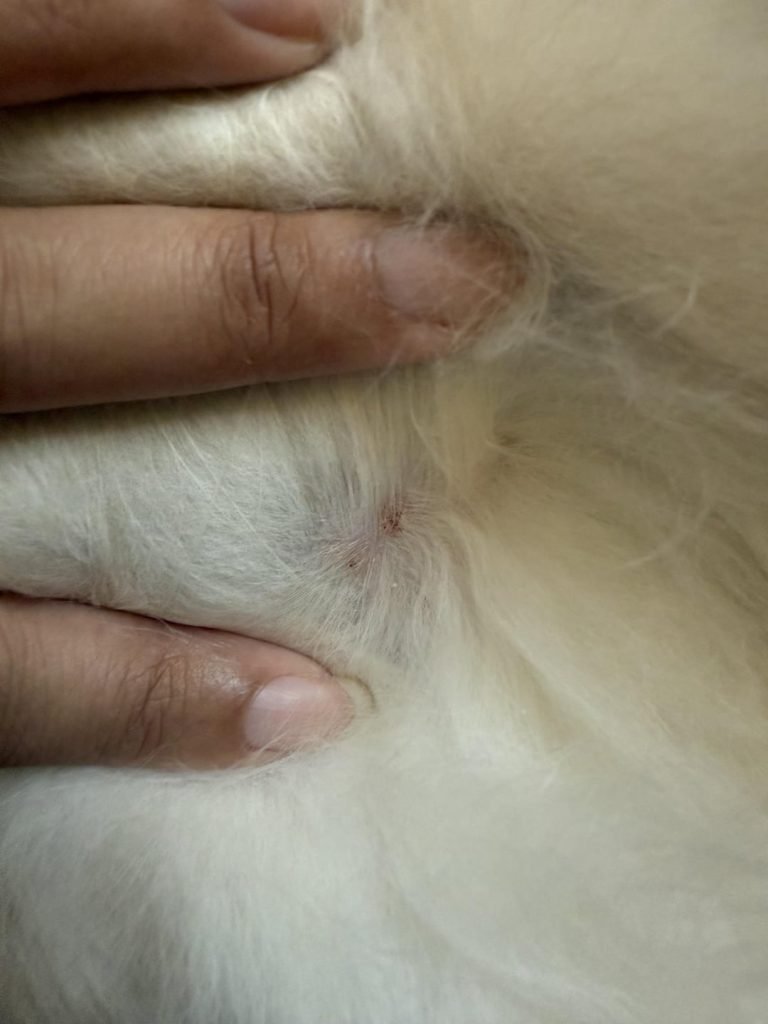
Have you noticed scabs on your cat’s skin and wondered what’s causing them? If your furry friend is over grooming, those scabs could be a clear sign that something is wrong.
Understanding why your cat is over grooming and how to help can save them from discomfort and prevent more serious health issues. Keep reading to discover what triggers these scabs, how to spot the problem early, and the simple steps you can take to keep your cat happy and healthy.

Credit: www.reddit.com
Reasons For Over Grooming
Over grooming in cats can be frustrating and worrying to witness. Understanding the reasons behind this behavior helps you address it properly and keep your feline friend healthy and happy. Let’s look at some common causes that might be triggering your cat’s excessive grooming and resulting scabs.
Allergic Reactions
Allergies can make your cat’s skin itchy and uncomfortable, pushing them to groom more than usual. Common allergens include certain foods, pollen, dust mites, or even flea bites. If you notice your cat chewing or licking specific spots repeatedly, allergies might be the root cause to investigate.
Parasite Infestations
Parasites like fleas, mites, or ticks irritate your cat’s skin and cause relentless itching. Cats often groom obsessively in an attempt to remove these pests. Regularly checking and treating for parasites can stop over grooming and prevent scabs from forming.
Stress And Anxiety
Just like people, cats can feel anxious or stressed, especially if there are changes in their environment. Over grooming can become a coping mechanism, similar to nail-biting in humans. Have you noticed your cat licking more after a move or new pet introduction? Managing stress could reduce this behavior.
Skin Infections
Bacterial or fungal infections can cause irritation and pain, leading your cat to groom excessively. Sometimes, the scabs themselves become infected, creating a vicious cycle. Early diagnosis and treatment from your vet are crucial to break this cycle.
Pain And Discomfort
Hidden injuries or joint pain might cause your cat to lick certain areas more often. This grooming is an attempt to soothe discomfort. Paying attention to your cat’s overall behavior and mobility can help you spot if pain is driving the over grooming.
Identifying Scabs On Cats
Scabs on cats can indicate over grooming or other health issues. Recognizing these scabs early helps protect your cat’s skin and fur. Understanding where scabs appear and how they look is important for proper care.
Common Locations
- Neck and shoulders
- Lower back and tail base
- Inside thighs
- Chest and belly
These areas are easy for cats to reach with their tongues. Over grooming in these spots often causes scabs.
Appearance And Texture
Scabs usually look dry and crusty. They can be red, brown, or dark in color. The skin around scabs may seem irritated or swollen. Sometimes, scabs appear as small bumps or sores.
The texture feels rough or hard. Scabs can be itchy, causing your cat to scratch more.
When To Seek Vet Help
- Scabs grow larger or multiply
- Cat shows signs of pain or discomfort
- Hair loss happens around scabs
- Scabs do not heal within a week
- Cat becomes lethargic or loses appetite
A vet can diagnose the cause and suggest treatment. Early care prevents infections and serious skin problems.
Treating Over Grooming
Over grooming in cats can lead to painful scabs and skin damage. Treating this behavior requires understanding the root cause and applying targeted solutions. You can help your cat heal and prevent future issues by addressing allergies, parasites, stress, and using appropriate medications.
Addressing Allergies
Allergies often trigger over grooming. Identifying what your cat is allergic to—whether it’s food, pollen, or dust mites—is crucial. Try switching to a hypoallergenic diet or removing potential irritants from your home to see if your cat’s behavior improves.
Have you noticed your cat licking specific spots repeatedly after exposure to certain environments? That might be a clue pointing to an allergy.
Parasite Control
Fleas, mites, and other parasites cause intense itching that leads to over grooming. Regularly checking and treating your cat with vet-approved parasite control products can stop this cycle. Even indoor cats can get fleas, so staying vigilant is key.
If your cat is scratching constantly, check for tiny black specks or flea dirt in their fur—those are telltale signs of parasites.
Managing Stress
Stress is a major cause of over grooming. Changes in environment, new pets, or lack of stimulation can upset your cat. Provide safe hiding spots, interactive toys, and a consistent routine to reduce anxiety.
Think about your cat’s daily environment: Could there be something causing them to feel uneasy? Small adjustments might make a big difference.
Medications And Topicals
Your vet might recommend medications or topical treatments to soothe scabs and reduce itching. Steroid creams, antibiotics, or antihistamines can help if an infection or allergy is involved. Always follow the vet’s instructions carefully to avoid side effects.
Have you ever tried applying a topical treatment and noticed your cat reacting negatively? Discuss any concerns with your vet to find the best option for your furry friend.
Preventing Future Episodes
Preventing future episodes of cat over grooming scabs requires a proactive approach. Careful attention to your cat’s health and environment reduces stress and skin irritation. Consistent routines help maintain your cat’s well-being and comfort.
Regular Vet Checkups
Routine vet visits catch skin problems early. Vets can identify allergies, parasites, or infections causing over grooming. Early treatment stops scabs from worsening. Schedule checkups at least twice a year. Follow vet advice on medications or treatments.
Environmental Enrichment
Stress often triggers over grooming. Keep your cat entertained and relaxed. Provide toys, scratching posts, and climbing areas. Offer quiet spaces where your cat can rest. Change the environment little by little to avoid stress. Play sessions help reduce boredom and anxiety.
Proper Nutrition
Balanced diets improve skin and coat health. Choose high-quality cat food rich in omega fatty acids. These nutrients support skin repair and reduce itching. Avoid sudden food changes that upset your cat’s stomach. Consult your vet about supplements if needed.
Grooming Tips
Regular grooming prevents skin problems. Brush your cat gently to remove loose hair and dirt. Check for redness, scabs, or parasites during grooming. Avoid harsh shampoos; use only vet-approved products. Keep nails trimmed to stop self-inflicted wounds from scratching.
When To Consult A Professional
Knowing when to consult a professional is key for your cat’s health. Over grooming can cause scabs that may hide serious problems. Early help can prevent pain and further injury. Watch for clear signs that your cat needs expert care.
Signs Of Severe Infection
Check the scabs for redness or swelling. Pus or a bad smell means infection is likely. If the area feels hot or your cat shows pain, seek help fast. Severe infections can spread quickly and need medical treatment.
Behavioral Concerns
Notice if your cat hides more or stops eating. Excessive licking or scratching can show stress or pain. Sudden aggression or restlessness may also signal trouble. Behavior changes often mean your cat needs a vet’s attention.
Long-term Care Plans
Some cats need ongoing care to stop over grooming. A vet can suggest treatments or special diets. Regular check-ups help track healing and prevent new scabs. Follow professional advice to keep your cat calm and healthy.

Credit: www.reddit.com

Credit: www.reddit.com
Frequently Asked Questions
What Causes Cat Over Grooming Scabs?
Cat over grooming scabs are caused by excessive licking or biting. This behavior often results from allergies, stress, parasites, or skin infections. Identifying the underlying cause is important for proper treatment and preventing further skin damage.
How To Treat Cat Over Grooming Scabs Effectively?
Treat cat over grooming scabs by addressing the root cause, such as allergies or parasites. Use vet-recommended topical ointments, keep the area clean, and prevent your cat from licking with an Elizabethan collar if needed.
Can Stress Lead To Cat Over Grooming Scabs?
Yes, stress and anxiety can cause cats to over groom. This behavior leads to scabs and hair loss. Reducing stress through environmental enrichment and calming products can help manage over grooming.
When Should I See A Vet For Cat Grooming Scabs?
Visit a vet if scabs worsen, spread, or don’t heal within a week. Also, consult a vet if your cat shows signs of pain, lethargy, or infection. Early diagnosis ensures proper treatment and faster healing.
Conclusion
Cats that over groom scabs need gentle care and patience. Watch your cat’s behavior closely to spot problems early. Keep wounds clean and consult a vet if scabs worsen. Treating the cause helps stop over grooming and heal skin. Healthy skin means a happier cat and less stress for you.
Small changes make a big difference in your cat’s comfort. Stay calm and consistent with care to see the best results. Your cat will thank you with better health and calmness.
