

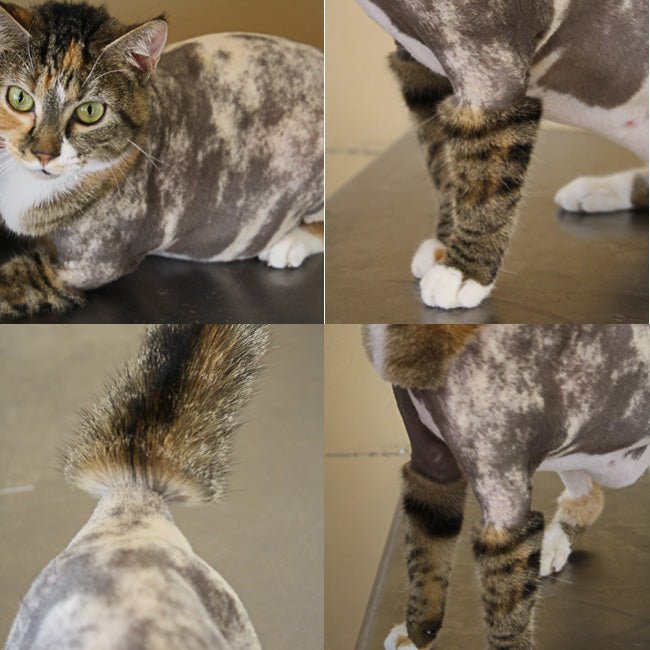
Have you noticed your cat constantly licking or biting its legs? This behavior, known as cat over grooming legs, can be more than just a quirky habit.
It might be a sign that your furry friend is feeling stressed, itchy, or even in pain. If you’re worried and want to understand why this happens—and what you can do to help—keep reading. Understanding the reasons behind your cat’s over grooming can make a big difference in their comfort and happiness.
Let’s dive into what causes this behavior and how you can support your cat’s well-being.
Why Cats Over Groom Their Legs
Cats groom to stay clean and comfortable. Sometimes, grooming becomes too much. Over grooming the legs is a common sign. It may signal underlying issues that need attention. Understanding why cats over groom their legs helps identify the problem early.
Stress And Anxiety Triggers
Stress often causes cats to groom excessively. Changes in environment or routine can upset them. Loud noises, new pets, or visitors create anxiety. Grooming acts as a calming behavior. It helps them feel safe and in control.
Allergies And Skin Irritations
Allergies make a cat’s skin itchy and uncomfortable. Food, pollen, or dust mites can cause reactions. Cats lick their legs to soothe the irritation. Persistent itchiness can lead to over grooming. Skin redness or hair loss may appear.
Parasite Infestations
Fleas, ticks, or mites cause severe itching. Parasites bite and irritate the skin on the legs. Cats try to remove them by licking and biting. Over grooming results from constant discomfort. Checking for parasites is important to stop this.
Pain And Discomfort Factors
Injuries or joint pain can cause grooming changes. Cats may lick their legs to ease pain. Arthritis or wounds make legs tender. Grooming focuses on the sore spots. Over grooming might indicate underlying health issues.
Behavioral Causes
Sometimes grooming becomes a habit or compulsion. Boredom or lack of stimulation leads to repetitive licking. Cats use grooming to pass time or seek attention. Behavioral over grooming may need environmental enrichment. Toys, playtime, and interaction help reduce it.

Credit: www.reddit.com
Signs Of Over Grooming In Cats
Over grooming in cats can signal stress or health issues. It often affects their legs, causing visible changes. Recognizing these signs early helps protect your cat’s skin and fur. Watch closely for changes in their coat and behavior.
Bald Patches And Hair Loss
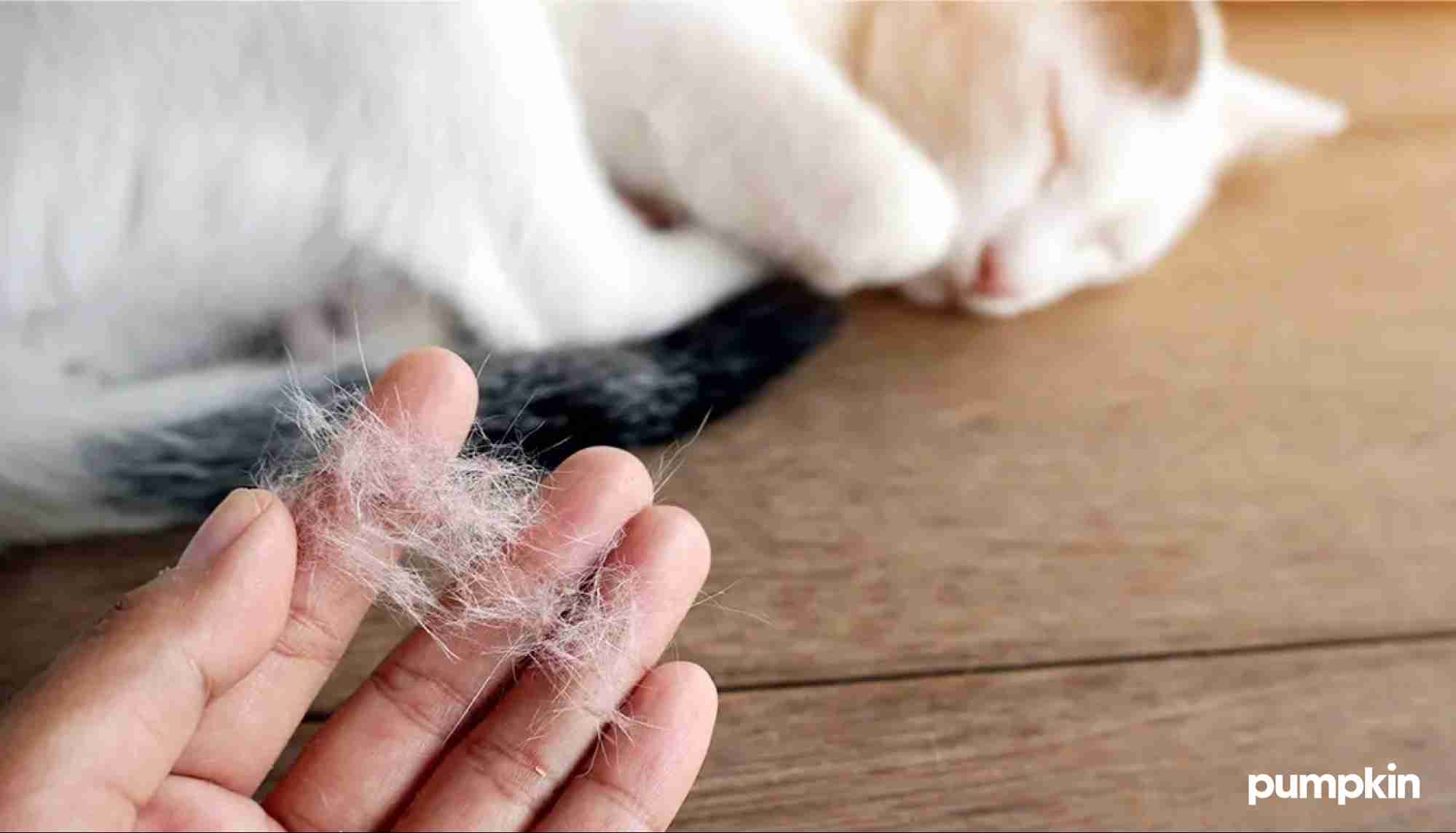
One common sign of over grooming is bald patches. Cats repeatedly lick or chew certain spots, causing hair to fall out. These areas might appear smooth or shiny. Hair loss often shows up on the legs, especially the lower parts.
Redness And Inflammation
Skin in over groomed areas can turn red and swollen. The constant licking irritates the skin, leading to inflammation. This redness is a clear sign that your cat’s skin is stressed. It may feel warm or tender to touch.
Sores And Scabs
Over grooming can cause open sores and scabs on the legs. These wounds result from excessive biting or licking. Scabs form as the skin tries to heal but can be painful. Watch for signs of infection like pus or bad smell.
Changes In Grooming Habits
Cats usually groom themselves evenly. Over grooming means they focus too much on one area. They might lick or chew their legs more than usual. You might notice your cat spends extra time cleaning certain spots.
Diagnosing The Root Cause
Cat over grooming of the legs can signal underlying health or behavioral problems. Identifying the root cause is key to effective treatment. A thorough diagnosis helps prevent further damage and discomfort for your cat.
Several diagnostic steps reveal why your cat might be over grooming. These steps include physical checks, tests, and observing behavior closely. Each step provides important clues to find the exact problem.
Veterinary Examination
A vet starts with a full physical exam. They check your cat’s skin, coat, and legs carefully. The vet looks for redness, wounds, or hair loss areas. They also assess your cat’s overall health and condition. This exam helps spot signs of infections or injuries.
Allergy Testing
Allergies often cause itching and over grooming. Allergy tests identify specific triggers such as food or environmental factors. The vet may suggest blood tests or skin tests. These tests show if your cat reacts to dust, pollen, or certain foods. Knowing allergies helps tailor the treatment plan.
Skin Scrapings And Cultures
Skin scrapings check for parasites, fungi, or bacteria. A small sample of skin is taken from the affected area. Lab analysis reveals infections or mites that cause itching. Cultures grow any bacteria or fungi present on the skin. Treating infections stops the urge to over groom.
Behavioral Assessment
Stress or boredom can cause over grooming too. A behavioral assessment looks at your cat’s daily routine and environment. The vet or behaviorist may ask about changes at home or interactions with other pets. Identifying stressors or anxiety helps reduce over grooming through behavior changes.
Treatment Options
Dealing with cat over grooming on their legs can be frustrating, but understanding the right treatment options can make a big difference. The key is to address the root cause, whether it’s medical, behavioral, or environmental. Let’s look at practical ways you can help your cat feel comfortable again and reduce that excessive licking or chewing.
Medications And Topicals
Sometimes, over grooming is linked to underlying skin problems or allergies. Your vet might suggest antihistamines, corticosteroids, or antibiotics to reduce inflammation and infection.
Topical treatments like soothing creams or medicated shampoos can also calm irritated skin. Have you noticed if your cat reacts better to creams or sprays? Trying different types can help find what works best.
Parasite Control
Parasites such as fleas or mites often trigger intense itching, causing your cat to over groom their legs. Regular flea prevention treatments are essential, even if you don’t see any bugs.
Ask your vet about effective parasite control options suitable for your cat’s age and health. Would you consider natural alternatives, or do you prefer conventional treatments? Both can be effective if used consistently.
Behavioral Therapy
Over grooming can be a sign of stress or anxiety in cats. Identifying triggers like changes in the household or loud noises is the first step to calming your pet.
Techniques such as gentle play sessions and positive reinforcement can redirect your cat’s attention away from their legs. Have you tried rewarding your cat when they stop licking? Small treats can be powerful motivators.
Environmental Enrichment
A bored or under-stimulated cat often over grooms to fill the time. Adding toys, scratching posts, or puzzle feeders can keep their mind busy and reduce stress.
Consider rotating toys regularly to keep your cat interested. What new activity could you introduce today to make your cat’s environment more engaging?
Preventing Over Grooming
Preventing over grooming in cats, especially on their legs, requires attention to their physical and emotional needs. Over grooming often signals discomfort or stress, so your goal is to create a balanced environment that keeps your cat calm and healthy. Small changes in daily care can make a big difference in stopping this behavior before it worsens.
Stress Reduction Techniques
Stress is a major trigger for over grooming. You can help your cat relax by adding regular playtime with interactive toys that mimic hunting behavior. This not only distracts them but also satisfies their natural instincts.
Try setting up quiet spots where your cat can retreat undisturbed. Cats often over groom when they feel unsafe or overwhelmed. Do you notice if your cat’s grooming spikes during loud noises or when new people visit?
Regular Health Checks
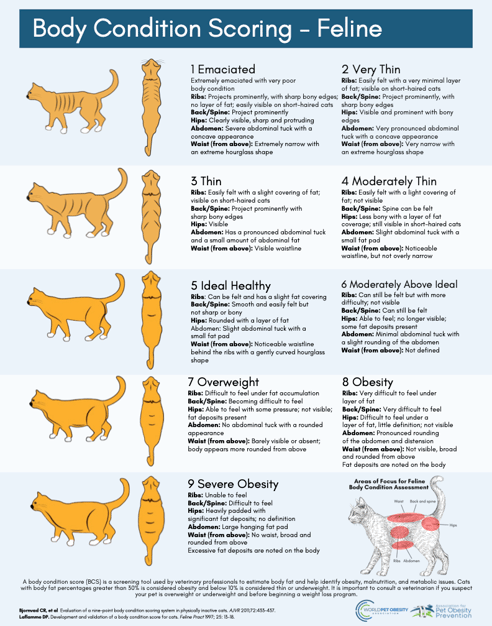
Skin irritation, allergies, or pain can cause your cat to lick their legs excessively. Schedule regular vet visits to catch any underlying issues early. Your vet can check for parasites, infections, or arthritis that might be causing discomfort.
Keep an eye out for redness, swelling, or hair loss on your cat’s legs. If you spot these signs, don’t wait to get professional advice. Early intervention can prevent serious damage.
Proper Nutrition And Hydration
Healthy skin starts with a balanced diet. Make sure your cat’s food includes essential fatty acids like omega-3 and omega-6, which support skin health. If you’re unsure about your cat’s diet, ask your vet for recommendations.
Dehydration can worsen skin conditions and lead to over grooming. Always keep fresh water accessible and encourage your cat to drink by using water fountains or multiple bowls around the house.
Safe And Comfortable Environment
Your cat’s environment plays a key role in their grooming habits. Avoid harsh cleaning chemicals or new products that may irritate their skin. Choose gentle, pet-safe options for bedding and toys.
Temperature and humidity also affect your cat’s comfort. Too dry or too hot environments can make their skin itchy. Would adjusting these factors help your cat stop licking their legs?
Credit: www.preventivevet.com
When To Seek Veterinary Help
Over grooming in cats can cause serious leg problems. Knowing when to seek veterinary help is key to stopping damage early. Watch closely for signs that need a vet’s care. Early action can prevent pain and infection. Here are important signs to notice.
Persistent Symptoms
If your cat keeps licking or biting its legs for more than a few days, it needs a vet check. Persistent over grooming may hide allergies, parasites, or infections. Don’t wait for the problem to clear on its own. A vet can find the cause and start treatment fast.
Worsening Skin Condition
Look for redness, swelling, or open sores on the legs. Skin that gets worse or spreads shows the issue is serious. Scabs, hair loss, or thickened skin also need professional care. These signs can mean infection or deeper skin damage.
Behavioral Changes
Changes in your cat’s mood or habits may signal pain or stress. Watch for signs like hiding, aggression, or loss of appetite. Restlessness or constant grooming beyond the legs also needs vet attention. Behavioral shifts often mean the problem affects your cat’s well-being.
Impact On Quality Of Life
Over grooming can make your cat uncomfortable and unhappy. If it stops playing, eating, or sleeping well, seek help. A vet can improve your cat’s comfort and stop further harm. Don’t let over grooming reduce your cat’s happiness and health.
Credit: www.pumpkin.care
Frequently Asked Questions
What Causes Cat Over Grooming Legs?
Cat over grooming legs is often caused by stress, allergies, parasites, or skin infections. These factors irritate the skin, making cats lick excessively. Identifying the root cause is crucial to provide proper treatment and prevent further damage.
How Can I Stop My Cat From Over Grooming?
To stop over grooming, address stressors and medical issues first. Use calming products, play therapy, and consult a vet for allergies or parasites. Providing a comfortable environment reduces anxiety and helps limit excessive licking behavior.
Is Cat Leg Over Grooming A Sign Of Illness?
Yes, over grooming legs can indicate underlying health problems like allergies, parasites, or skin infections. It may also signal emotional distress. A vet examination is essential to diagnose and treat the issue effectively.
Can Diet Affect My Cat’s Grooming Habits?
Diet can impact skin health and grooming behavior. Nutritional deficiencies or food allergies may cause itchiness, leading to over grooming. Feeding a balanced, hypoallergenic diet often improves skin condition and reduces excessive licking.
Conclusion
Cat over grooming legs can signal stress or health issues. Watch your cat closely for changes in behavior or skin. Early action helps prevent wounds and discomfort. Consult a vet to find the cause and best treatment. Gentle care and a calm environment support healing.
Your cat will feel better with proper help and attention. Stay patient and observe your furry friend every day. Healthy cats mean happy homes.
