

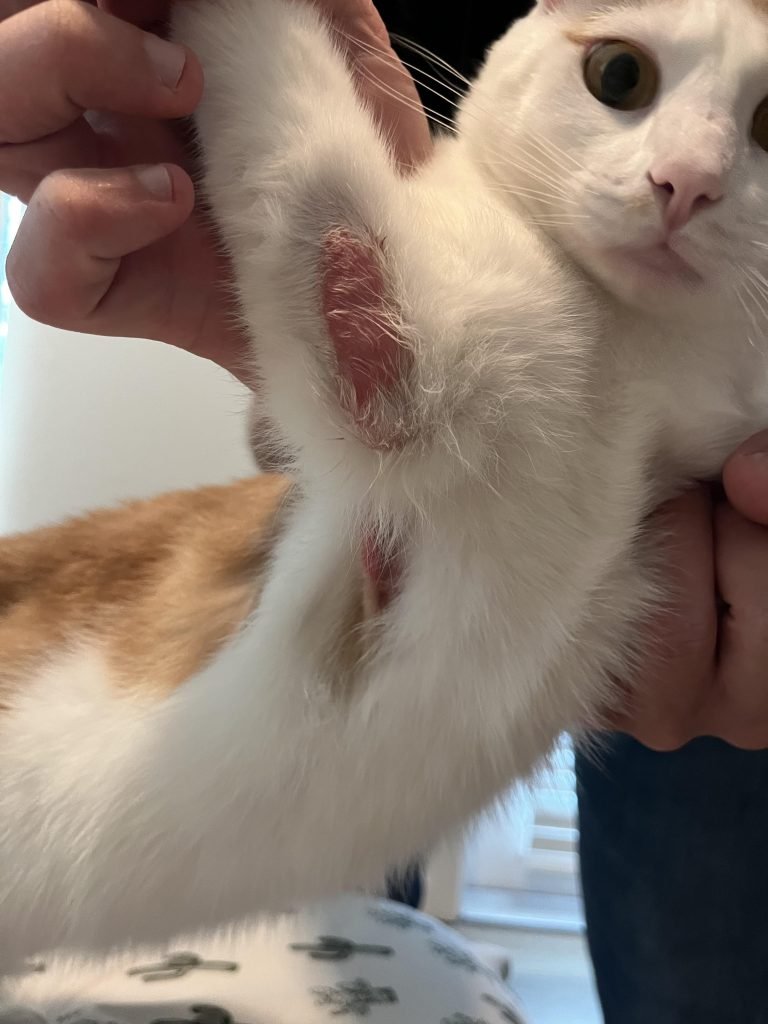
Have you noticed your cat licking or biting its fur more than usual? If your furry friend is over grooming, it could be a sign of something deeper.
Over grooming isn’t just a quirky habit—it can affect your cat’s health and happiness. Understanding why your cat does this and what you can do about it will help you keep your pet comfortable and content. Keep reading to discover the hidden reasons behind cat over grooming and how to help your beloved companion feel better.
Why Cats Over Groom
Over grooming in cats can be puzzling and frustrating for any cat owner. You might notice your feline friend licking or biting the same spot repeatedly, sometimes causing hair loss or skin irritation. Understanding why cats over groom is essential because it helps you address the root cause rather than just treating the symptoms.
Medical Causes
Sometimes, over grooming signals an underlying health problem. Skin allergies, parasites like fleas, or infections can make your cat feel itchy or uncomfortable, prompting excessive licking.
Arthritis or pain in certain areas might also cause your cat to focus grooming there as a way to soothe discomfort. If your cat suddenly starts over grooming, a vet visit is crucial to rule out medical issues.
Behavioral Triggers
Cats can develop grooming habits linked to stress or anxiety. Changes in their environment, such as a new pet or moving to a different home, might make them feel unsettled.
Some cats use grooming as a coping mechanism. If your cat is grooming more after you leave the house or during thunderstorms, this could be a sign they are trying to calm themselves.
Environmental Factors
Environmental irritants can also lead to over grooming. Harsh cleaning products, new litter, or even changes in temperature can cause discomfort or irritation.
Think about your cat’s surroundings—are there new plants, chemicals, or other pets that might be affecting them? Small changes can have a big impact on your cat’s grooming habits.

Credit: www.reddit.com
Signs Of Over Grooming
Noticing signs of over grooming in your cat early can save them from discomfort and serious skin issues. Over grooming often hides behind subtle clues that might seem harmless at first. Paying close attention to these signs lets you act before the problem worsens.
Bald Spots And Skin Damage
One of the clearest signs of over grooming is the appearance of bald spots. These patches show where your cat has excessively licked or bitten their fur away. You might also see redness, scabs, or raw areas on their skin, indicating irritation or infection.
Have you ever found your cat grooming one spot for longer than usual? That persistent focus often leads to skin damage. If you spot any broken skin, it’s time to consult your vet.
Excessive Licking Patterns
Watch for repetitive licking that goes beyond normal grooming. This behavior might occur in short bursts or last for long periods. It often targets the same area, such as a paw, belly, or tail base.
Think about your cat’s daily routine. Does grooming seem to interrupt their eating or playing? Excessive licking can be a sign of stress, allergies, or pain.
Changes In Behavior
Over grooming often comes with noticeable shifts in your cat’s behavior. They might become more withdrawn, irritable, or restless. You may also notice them hiding more frequently or avoiding interaction.
Have you seen your cat suddenly lose interest in their favorite toys or stop purring? These behavior changes can signal discomfort linked to over grooming. Paying attention to these signs helps you understand what your cat is trying to tell you.
Treating Over Grooming
Treating over grooming in cats requires a clear plan. It involves finding the root cause and giving the right care. Over grooming can damage your cat’s skin and fur. Quick action helps prevent more harm and pain.
Veterinary Diagnosis
A vet will check your cat carefully. They look for skin problems, allergies, or parasites. Sometimes, blood tests or skin samples are needed. The vet will ask about your cat’s habits and environment. This helps find why the cat is over grooming.
Medications And Therapies
Vets may give medicines to reduce itching or pain. These include anti-inflammatory drugs or antibiotics. Special shampoos can soothe irritated skin. Sometimes, calming sprays or collars stop your cat from licking. Follow the vet’s advice for best results.
Addressing Stress And Anxiety
Stress often causes over grooming in cats. Create a calm space with quiet and comfort. Use toys and playtime to keep your cat busy. Pheromone diffusers can help cats feel safe. Consistent routines reduce anxiety and stop over grooming.
Preventing Over Grooming
Preventing over grooming in cats is essential for their health and happiness. Over grooming can cause skin damage and stress. Creating a calm environment, keeping a regular grooming routine, and providing mental and physical activities help reduce this behavior.
Creating A Calm Environment
A quiet and safe space helps cats feel secure. Avoid loud noises and sudden changes around your cat. Soft lighting and cozy resting spots can soothe them. Stress often triggers over grooming, so a calm home reduces this risk.
Regular Grooming Routine
Brushing your cat regularly removes loose fur and dirt. This helps prevent itching and discomfort that cause over grooming. Use gentle brushes suited for your cat’s fur type. Grooming also strengthens your bond and allows early skin problem detection.
Providing Mental And Physical Stimulation
Playtime keeps cats active and distracted from over grooming. Offer toys that encourage hunting and chasing. Puzzle feeders and interactive games challenge their minds. Regular exercise reduces boredom and anxiety, common reasons for over grooming.
When To Seek Help
Knowing when to seek help for cat over grooming is vital for your pet’s health. Over grooming can signal underlying problems that need professional care. Acting early prevents serious damage to your cat’s skin and fur. Watch closely for signs that do not improve or get worse. Your cat’s comfort depends on timely attention and treatment.
Persistent Symptoms
Over grooming that lasts more than a week needs attention. Constant licking, biting, or scratching shows your cat is stressed or hurt. Patches of missing fur or redness are signs of a problem. If these symptoms do not fade, a vet visit is necessary. Persistent symptoms can lead to infections or pain.
Worsening Skin Conditions
Skin that becomes raw, swollen, or develops sores requires urgent care. Worsening wounds can cause infections that spread quickly. Look for scabs, crusts, or oozing areas on the skin. If your cat’s skin looks worse each day, professional help is crucial. Early treatment stops damage and helps healing.
Behavioral Changes
Changes in your cat’s mood or habits may signal distress. Watch for signs like hiding, aggression, or loss of appetite. These behaviors often mean discomfort or illness. Sudden restlessness or anxiety can also link to over grooming. Behavioral changes paired with skin issues need vet evaluation.
Credit: vogdog.com

Credit: www.reddit.com
Frequently Asked Questions
What Causes Cat Over Grooming Behavior?
Cat over grooming is often caused by stress, allergies, parasites, or skin infections. It may also result from boredom or anxiety. Identifying the underlying cause is key to effective treatment. Consulting a vet helps diagnose and manage the behavior properly.
How Can I Stop My Cat From Over Grooming?
To stop over grooming, remove stressors and provide mental stimulation. Use vet-recommended treatments for allergies or infections. Regular playtime and environmental enrichment reduce anxiety. In severe cases, consult a vet for medication or behavioral therapy.
Is Cat Over Grooming Harmful To My Pet?
Yes, over grooming can cause skin irritation, hair loss, and infections. It may lead to open wounds and discomfort. Early intervention prevents complications. Monitoring your cat’s behavior and seeking veterinary advice is important for their health.
Can Diet Influence Cat Over Grooming?
Yes, diet can impact skin health and allergies, which affect grooming habits. Feeding a balanced, hypoallergenic diet may reduce over grooming. Consult your vet to choose the best food for your cat’s condition. Proper nutrition supports overall well-being.
Conclusion
Cats may groom themselves too much for many reasons. Stress, allergies, or skin problems often cause over grooming. Watch your cat’s behavior closely and act fast. A visit to the vet can help find the cause. Treating the issue early keeps your cat happy and healthy.
Remember, gentle care and patience make a big difference. Your cat deserves comfort and love every day. Stay alert and support your furry friend well.
