

Your cat’s smile is more than just adorable—it’s a key part of their overall health. If you’ve ever noticed bad breath, drooling, or your furry friend avoiding their food, it might be a sign of dental trouble.
Ignoring your cat’s oral health can lead to pain, infections, and costly vet visits. But don’t worry—taking simple steps can keep your cat’s teeth strong and their mouth healthy. Keep reading to discover easy ways you can protect your cat’s oral health and help them live a happier, healthier life.
Why Cat Oral Health Matters
Cat oral health is often overlooked but very important. Healthy teeth and gums affect a cat’s overall well-being. Poor oral care can lead to pain, infections, and serious health problems.
Keeping a cat’s mouth clean helps prevent bad breath and tooth loss. It also lowers the risk of bacteria spreading to other organs. Good oral health supports a cat’s ability to eat, play, and feel comfortable.
Dental Diseases Affect Cat’s Quality Of Life
Dental diseases cause pain and discomfort in cats. Infected gums and broken teeth make eating difficult. This can lead to weight loss and weakness. Cats may hide pain, so owners must watch for signs.
Oral Infections Can Spread Through The Body
Bacteria from the mouth can enter the bloodstream. This may harm the heart, kidneys, or liver. Preventing oral infections reduces risks of serious illnesses. Regular check-ups help catch problems early.
Maintaining Oral Health Saves Money And Stress
Regular dental care reduces the need for costly treatments. Treating advanced dental disease is expensive and stressful. Simple home care and vet visits keep cats healthy and happy. Prevention is easier than treatment.
Credit: www.cummingvetclinic.com
Common Dental Issues In Cats
Cats can suffer from many dental problems that affect their health. These issues cause pain and difficulty eating. Regular checkups help catch problems early. Understanding common dental issues helps you care for your cat’s mouth better.
Gingivitis And Periodontal Disease
Gingivitis is the inflammation of gums around the teeth. It appears as red, swollen gums that may bleed. If untreated, it can lead to periodontal disease. This disease damages the tissue and bone supporting teeth. It causes bad breath, loose teeth, and pain. Daily dental care prevents these problems.
Tooth Resorption
Tooth resorption happens when the body breaks down a tooth. It starts inside the tooth and spreads outward. Cats may show pain or avoid hard food. The affected tooth looks damaged or missing parts. Treatment often requires tooth removal to stop pain.
Stomatitis
Stomatitis causes severe inflammation inside a cat’s mouth. It affects gums, tongue, and cheeks. Cats with stomatitis have red, painful sores. Eating and grooming become difficult. This condition needs veterinary care and special treatment to manage pain and infection.
Signs Of Oral Problems To Watch For
Recognizing signs of oral problems in cats helps protect their health early. Cats often hide pain well, so watch for subtle clues. Noticing these signs can lead to faster treatment and less discomfort for your pet.
Bad Breath
Bad breath in cats is a common sign of oral disease. It may smell sour or foul. This odor often indicates bacteria buildup or infection. Regular breath checks help catch issues before they worsen.
Drooling And Pawing At Mouth
Excessive drooling can signal pain or irritation in the mouth. Cats might paw at their face or mouth repeatedly. This behavior shows they feel uncomfortable or have something stuck. Observing this helps identify oral problems early.
Difficulty Eating
Cats with oral pain may eat less or avoid hard food. They might chew on one side or drop food while eating. This change in eating habits often points to dental issues. Monitoring feeding behavior is essential for oral health.

Credit: dannyspawprints.com
Daily Oral Care Routine
Keeping your cat’s mouth clean every day is key to good health. A daily oral care routine helps stop plaque and bad breath. It also prevents gum disease and tooth loss.
Small efforts each day make a big difference. Start slowly and stay consistent. Your cat will get used to it over time.
Brushing Your Cat’s Teeth
Use a soft toothbrush designed for cats. Brush gently in small circles. Focus on the gum line where plaque builds up. Aim for two minutes daily or every other day. Make it a calm, quiet time for your cat.
Choosing The Right Toothpaste
Pick toothpaste made just for cats. Human toothpaste can harm them. Cat toothpaste comes in flavors like poultry or fish. This helps your cat accept the taste. Use a small amount to start and increase gradually.
Dental Treats And Toys
Dental treats help reduce plaque while your cat chews. Choose treats with the Veterinary Oral Health Council (VOHC) seal. Toys that clean teeth can also help. Look for rough textures that massage gums and scrape teeth.
Diet And Its Impact On Oral Health
Your cat’s diet plays a crucial role in maintaining oral health. What you feed your feline friend can influence plaque buildup, gum condition, and even bad breath. Understanding how different foods affect your cat’s teeth helps you make better choices for a healthier mouth.
Dry Vs. Wet Food
Dry food tends to have a crunchy texture that can help scrape off some plaque from your cat’s teeth. However, it’s not a substitute for brushing since it doesn’t clean all surfaces effectively. Wet food, on the other hand, is softer and easier to chew but may stick to teeth more, increasing the risk of plaque and tartar.
Have you noticed your cat’s breath after switching between dry and wet food? Some cats show improved breath and less tartar with dry kibble, but others might prefer wet food for hydration and taste. You might want to try mixing both types and observe how your cat’s oral health responds.
Special Dental Diets
Special dental diets are formulated to support oral health by reducing plaque and tartar buildup. These foods often contain larger kibble that encourages chewing or ingredients that help break down plaque. Feeding your cat a dental diet can be an effective step if your vet recommends it after an oral exam.
Look for labels that mention “dental health” or “tartar control.” Some brands add enzymes or chemicals that keep your cat’s mouth cleaner. Have you ever tried a dental diet and noticed a difference in your cat’s teeth or breath? Sharing your experience can help others decide if this is worth trying.

Credit: justcatsclinic.com
Professional Dental Care For Cats
Professional dental care is vital for a cat’s overall health. Cats hide pain well, so dental problems often go unnoticed. Regular care by a veterinarian helps catch issues early. It prevents serious diseases and keeps your cat comfortable.
Vet care includes thorough checks and treatments that owners can’t do at home. Cleanings and exams ensure teeth and gums stay healthy. This care also supports your cat’s immune system and quality of life.
Regular Vet Checkups
Routine vet visits allow early detection of dental problems. Vets examine teeth, gums, and mouth for signs of disease. They check for bad breath, redness, swelling, or broken teeth.
Early signs of gingivitis or plaque build-up can be treated quickly. Regular checkups reduce the risk of tooth loss or infections. Vets also advise on daily care and diet for oral health.
Dental Cleanings Under Anesthesia
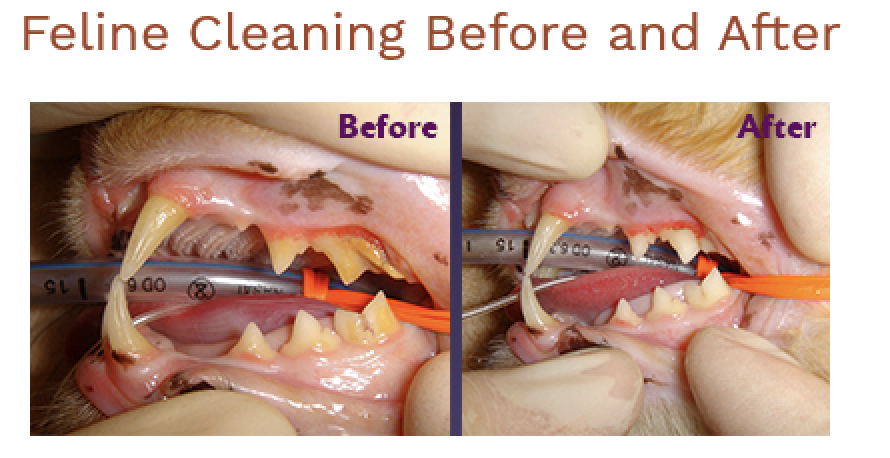
Professional cleanings remove plaque and tartar that brushing cannot. Cats need anesthesia to keep them still and pain-free during cleaning. This allows vets to clean below the gum line safely.
Vets polish teeth to prevent future plaque buildup. They may also take X-rays to check tooth roots and bone health. Cleaning under anesthesia helps treat infections and damaged teeth early.
Regular cleanings improve breath and reduce pain from dental disease. They help your cat eat comfortably and stay active longer.
Preventing Oral Health Problems
Keeping your cat’s mouth healthy is key to their overall well-being. Preventing oral health problems can save your furry friend from pain and costly vet visits. You have the power to spot issues early and maintain a routine that supports their dental health every day.
Early Detection
Watch for subtle signs like bad breath, drooling, or difficulty eating. These can be early clues that something is wrong in your cat’s mouth. Catching problems early often means simpler treatment and less discomfort for your cat.
Regularly check your cat’s teeth and gums at home. Lift their lips gently and look for redness, swelling, or tartar buildup. If you notice anything unusual, schedule a vet visit promptly.
Consistent Care
Daily care makes a huge difference. Brushing your cat’s teeth might sound tough, but starting slowly with a soft brush and special toothpaste can turn it into a bonding moment.
- Use cat-safe toothpaste only—never human toothpaste.
- Introduce brushing gradually, rewarding your cat with treats or affection.
- Consider dental treats or toys designed to reduce plaque.
Could your daily routine include these small steps to protect your cat’s smile? Consistency beats occasional effort every time in keeping oral problems at bay.
Frequently Asked Questions
What Are Common Signs Of Poor Cat Oral Health?
Bad breath, drooling, red gums, and difficulty eating are common signs. Cats may also paw at their mouth or lose appetite. Early detection helps prevent serious dental issues and improves overall health.
How Often Should I Brush My Cat’s Teeth?
Brush your cat’s teeth daily or at least three times a week. Regular brushing removes plaque and prevents tartar buildup. Use a cat-specific toothbrush and toothpaste for best results.
What Foods Help Maintain Cat Oral Health?
Dry kibble and dental treats can reduce plaque buildup. Special dental diets are designed to promote oral health. Always consult your vet before changing your cat’s diet.
When Should I Schedule A Dental Check-up For My Cat?
Schedule a dental check-up annually or if you notice oral problems. Early vet visits help detect and treat dental diseases effectively. Regular exams keep your cat’s mouth healthy.
Conclusion
Taking care of your cat’s teeth helps keep them healthy and happy. Regular brushing and check-ups prevent pain and illness. Watch for signs like bad breath or difficulty eating. Clean teeth mean fewer vet visits and more playtime. Healthy mouths lead to healthy cats.
Start small habits today for a bright, comfortable smile tomorrow. Simple steps make a big difference in cat oral health. Your cat will thank you with purrs and cuddles.
