


When your feline friend starts acting a bit differently, you might find yourself wondering what’s going on. If your cat is in heat, you could be in for a whirlwind of new behaviors.
Imagine a small, furry ball of energy, suddenly more vocal and restless. Sound familiar? You’re not alone. Many cat owners experience this puzzling period, and understanding it can make all the difference. This isn’t just a phase; it’s a critical part of your cat’s life.
By the end of this article, you’ll have a clear grasp on what to expect and how to handle your cat’s heat behavior, ensuring both you and your cat get through it smoothly. Ready to uncover the secrets behind your cat’s behavior? Let’s dive in.
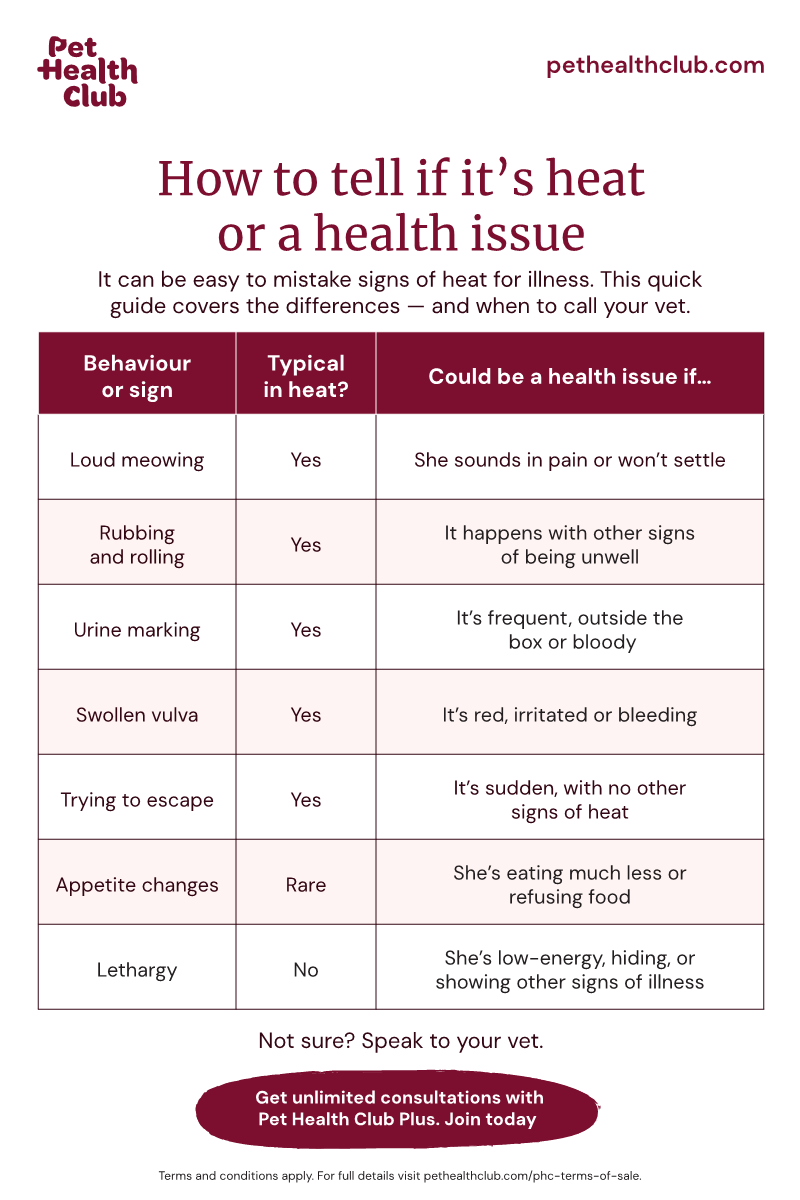
Credit: www.pethealthclub.com
Signs Of A Cat In Heat
Recognizing the signs of a cat in heat is essential for every cat owner. These signals help you understand your pet’s needs and behaviors better. Watching your cat closely can reveal clear changes that indicate she is ready to mate.
Vocal Changes
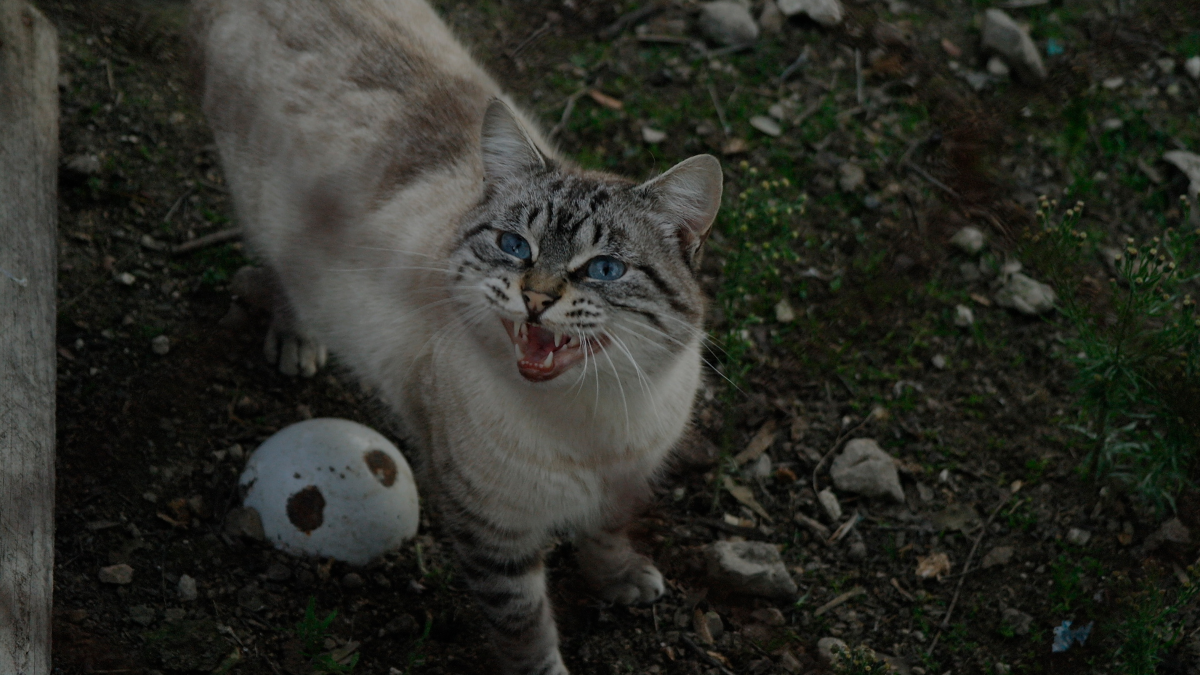
You might notice your cat suddenly becomes much louder and more persistent. Her meows turn into loud yowls or howls, especially during the night. This vocal behavior is her way of attracting male cats, and it can be quite surprising if you’re not prepared.
Increased Affection
Your usually independent cat might start seeking more attention from you. She may rub against your legs more often or even roll on the floor to show her readiness. If your cat suddenly wants to cuddle constantly, it’s a strong sign she’s in heat.
Restlessness And Pacing
Have you seen your cat moving around nervously or pacing more than usual? This restlessness is common during heat cycles as she feels uneasy and eager to find a mate. It can be hard to calm her down, and she might seem frustrated.
Physical Indicators
Look for physical changes such as swelling of the vulva and a slight discharge. These signs are subtle but clear indicators your cat is in heat. You might also notice her assuming a mating position when you pet her back.
Causes Behind Heat Behavior
Understanding why your cat behaves differently when she’s on heat can help you manage her needs better. Heat behavior is driven by natural processes inside her body, but several factors influence how and when these behaviors appear. Knowing the causes behind heat behavior can make you more prepared and patient during this sometimes challenging time.
Hormonal Cycles
Heat behavior is mainly controlled by hormones, especially estrogen and progesterone. These hormones trigger physical and behavioral changes to prepare your cat for mating. You might notice increased vocalization, restlessness, and affectionate behavior because her body is signaling she’s ready to mate.
These hormonal cycles repeat roughly every two to three weeks if your cat doesn’t mate. It’s like her body is sending repeated “open for business” signals. Have you ever wondered why your cat suddenly becomes so clingy and loud at certain times? Hormonal shifts are the reason behind those changes.
Age And Maturity
Kittens usually enter their first heat cycle between 5 to 12 months old, depending on breed and individual development. Younger cats may show less intense heat behavior, but it becomes more pronounced as they mature. Once your cat hits maturity, her heat cycles become more regular and noticeable.
Age affects how often she goes into heat too. Older cats might have less frequent cycles or even stop cycling altogether after several years. If you’ve seen your cat’s behavior change with age, it’s likely linked to her reproductive stage.
Seasonal Influences
Season plays a big role in when your cat goes into heat. Cats are typically seasonal breeders, with heat cycles more frequent during spring and summer when daylight lasts longer. The amount of light your cat gets influences her hormone production and triggers heat behavior.
Indoor cats with constant light exposure may have irregular cycles compared to outdoor cats. Ever noticed your cat’s heat behavior changes with the seasons? That’s your cat’s natural response to environmental cues.
Managing Heat Behavior
Managing your cat’s heat behavior can feel overwhelming, but creating the right environment helps both you and your feline friend stay calm. Heat cycles bring noticeable changes in your cat’s mood and actions, so handling these shifts with patience and strategy is key. Here are effective ways to ease the tension and support your cat during this time.
Creating A Calm Environment
A quiet, cozy space can make a big difference when your cat is in heat. Reduce loud noises and sudden movements around her to prevent added stress. Soft blankets, dim lighting, and a warm spot by the window can help her feel safe and relaxed.
Try playing gentle music or white noise to drown out outside distractions. Have you noticed your cat seeking out specific spots during her heat? Providing those familiar areas consistently can comfort her.
Distraction Techniques
Keeping your cat’s mind busy can reduce restless or vocal behavior. Use interactive toys like feather wands or laser pointers to engage her attention. Short play sessions several times a day can tire her out and calm her energy.
Introducing puzzle feeders or new toys can also redirect her focus. Have you tried training simple commands or tricks? Mental stimulation offers an excellent distraction and strengthens your bond.
Using Pheromone Products
Pheromone diffusers and sprays mimic natural calming scents that cats respond to. These products can help lower anxiety and soothe your cat’s heightened emotions during heat. Place a diffuser in the room where she spends most of her time for continuous effect.
Sprays work well on bedding or carriers before vet visits to keep her stress levels down. Have you noticed a difference after using pheromone products? Many cat owners report a significant drop in restless or vocal behavior after consistent use.
Medical Solutions
Medical solutions offer effective ways to manage a cat on heat behavior. These options help reduce stress for both cats and owners. They also prevent unwanted pregnancies and health risks. Understanding these solutions can guide you toward better care for your pet.
Spaying Benefits
Spaying is a permanent surgical procedure that stops heat cycles. It prevents your cat from going into heat again. This helps reduce loud yowling and restlessness. Spaying also lowers the risk of uterine infections and certain cancers. Many vets recommend spaying to improve your cat’s health and behavior.
Hormonal Treatments
Hormonal treatments can temporarily control heat symptoms. These medications reduce the signs of heat, such as vocalizing and irritability. They are not a permanent fix but can be useful in some cases. Hormonal treatments require careful use and monitoring by a vet. Side effects may occur, so discuss risks and benefits thoroughly.
Consulting A Veterinarian
A veterinarian can guide you through the best medical options. They will assess your cat’s health and behavior carefully. Your vet can recommend spaying or hormonal treatments based on your cat’s needs. Regular check-ups ensure your cat stays healthy during and after treatment. Always follow your vet’s advice for safe and effective care.
Preventing Future Heat Cycles
Preventing future heat cycles in your cat is essential not only for managing her behavior but also for her overall health. Understanding when and how to intervene can make a big difference. You’ll find that timely action and careful observation can ease both your life and your cat’s.
Timing Of Spaying
Choosing the right time to spay your cat is key. Most vets recommend spaying before the first heat cycle, usually around 5 to 6 months old. This reduces the chance of unwanted behaviors and health risks like uterine infections or certain cancers.
Delaying spaying can mean more heat cycles and increased discomfort for your cat. Have you ever noticed how your cat’s mood changes during heat? Acting early can prevent these recurring stress periods.
Behavioral Training
Even if you decide to delay spaying, you can still manage your cat’s heat behavior. Redirect her energy by playing interactive games and providing plenty of stimulation. This helps reduce restlessness and vocalization.
Try using pheromone diffusers or calming sprays to ease anxiety during heat. Pay attention to her environment—creating quiet, cozy spots can make a big difference. Have you tried changing your cat’s routine during heat to see if she calms down?
Monitoring Health Changes
Regularly check for signs of abnormal heat cycles or health issues like swelling, discharge, or lethargy. Keeping a journal of your cat’s behavior and physical changes can help you spot problems early.
Consult your vet if heat cycles seem irregular or prolonged. Early detection can prevent complications. Would you be surprised how much your vet can help simply by reviewing your notes?

Credit: meowant.com
Credit: pethelpful.com
Frequently Asked Questions
What Are Common Signs Of A Cat On Heat?
A cat on heat often shows increased vocalization, restlessness, and affectionate behavior. She may also spray urine to mark territory. Rolling on the floor and raising her hindquarters are typical signs. These behaviors signal her readiness to mate and usually last several days.
How Long Does A Cat’s Heat Cycle Last?
A cat’s heat cycle typically lasts between 7 to 10 days. If she doesn’t mate, the cycle may repeat every two to three weeks. The frequency can vary depending on the cat’s breed, age, and environmental factors like daylight duration.
Can A Cat On Heat Become Aggressive?
Yes, some cats may become aggressive or irritable when in heat. Hormonal changes can cause mood swings, making them more defensive. However, others might become unusually affectionate. Understanding your cat’s behavior helps manage her needs during this period.
How To Calm A Cat During Heat?
To calm a cat during heat, provide a quiet, comfortable space. Use gentle petting, play sessions, and pheromone sprays to reduce stress. Avoid loud noises and sudden changes. If behavior becomes difficult, consult a vet for advice or possible spaying options.
Conclusion
Cats in heat show clear signs and behaviors. Understanding these helps you care for them better. Their vocal sounds and restlessness can be strong. Provide comfort and patience during this time. Spaying can prevent heat cycles and related issues. Watching your cat closely keeps her safe and calm.
Knowing what to expect makes life easier for both. Always treat your cat with kindness and care. This phase is natural but temporary in a cat’s life. Stay attentive and your cat will feel loved and secure.
