

If you want your cat to live a happy, healthy life, paying attention to their nutrition is key. Sometimes, even the best diets miss important nutrients your furry friend needs.
That’s where cat nutrition supplements come in. These supplements can fill the gaps, boost your cat’s energy, improve their coat, and support their overall well-being. But with so many options out there, how do you know what’s best for your cat?
Keep reading to discover the must-know facts about cat nutrition supplements and how they can make a real difference in your pet’s life.
Benefits Of Cat Supplements
Cat supplements offer more than just an extra boost to your feline’s diet. They can target specific health needs and help maintain your cat’s overall well-being. Adding the right supplements might be the key to solving issues you didn’t even realize were connected to nutrition.
Improving Coat And Skin Health
Have you noticed your cat’s fur looking dull or their skin getting flaky? Supplements rich in omega-3 and omega-6 fatty acids can make a big difference. These nutrients help reduce inflammation, leading to softer fur and healthier skin.
Adding a fish oil supplement often results in a shinier coat in just a few weeks. Some cats even scratch less once their skin gets the nutrients it needs. Could better coat health improve your cat’s mood too?
Supporting Joint Function
Older cats or active kittens can both benefit from joint supplements containing glucosamine and chondroitin. These ingredients support cartilage repair and reduce stiffness. If your cat hesitates to jump or play, joint supplements might help ease their movements.
Many cat owners notice increased activity levels after starting joint support supplements. This means your cat might enjoy chasing toys or climbing again. How often do you think your cat’s discomfort goes unnoticed?
Enhancing Immune System
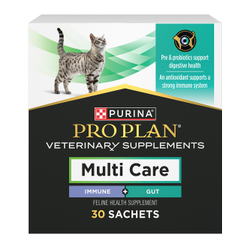
Your cat’s immune system needs constant support to fight off infections and diseases. Supplements with antioxidants like vitamins C and E can strengthen their natural defenses. This is especially important during stressful times such as vet visits or changes at home.
Boosting immunity can lead to fewer illnesses and quicker recoveries. When was the last time your cat bounced back quickly from a cold or minor injury? Immune support supplements could make that difference.
Aiding Digestive Health
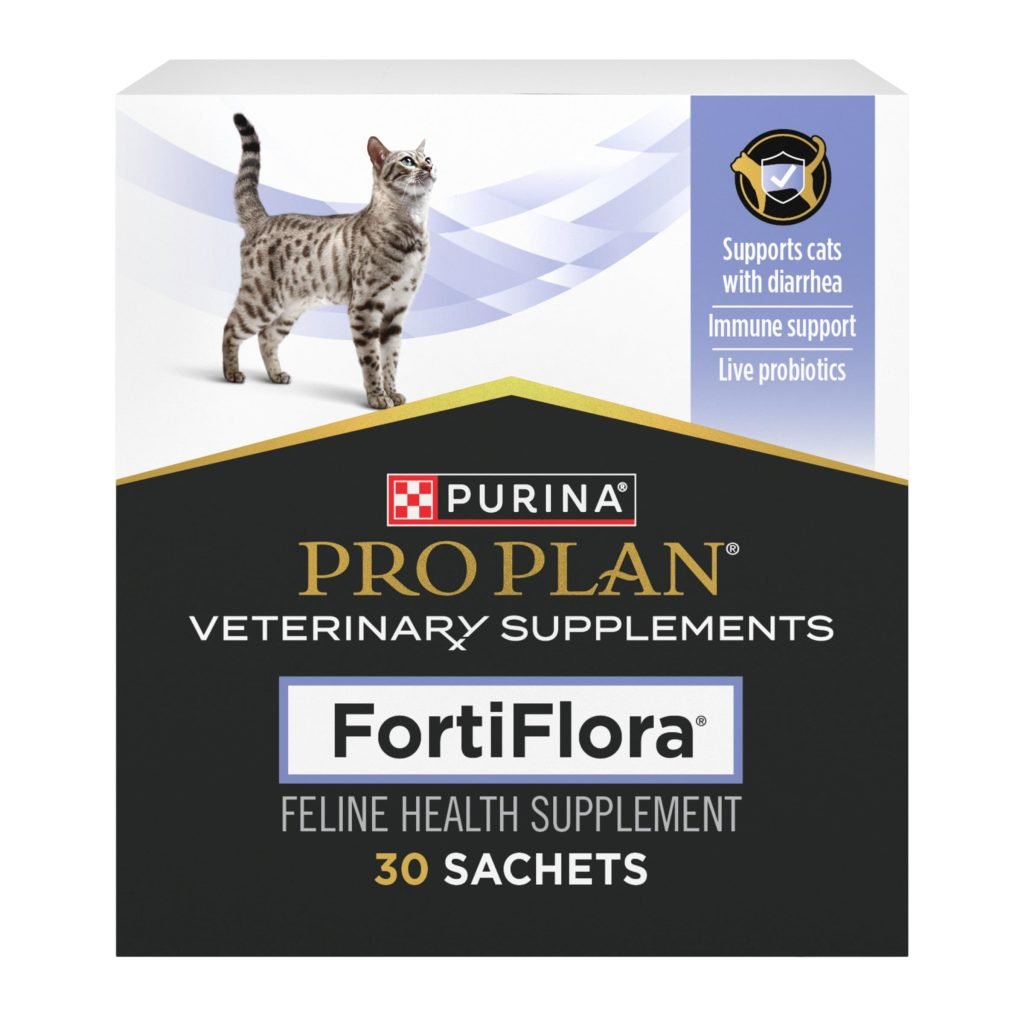
Digestive problems can show up as vomiting, diarrhea, or poor appetite. Probiotics and digestive enzymes in supplements help balance gut bacteria and improve nutrient absorption. A healthy digestive system means your cat gets more from their food.
Some cats become more energetic and playful once their digestion improves. Have you considered that tummy troubles might affect your cat’s behavior? Adding digestive supplements could be the simple fix you need.
Credit: www.proplanvetdirect.com
Common Types Of Supplements
Choosing the right supplements for your cat can feel overwhelming. Knowing the common types of supplements helps you make smart decisions tailored to your cat’s health needs. Each type targets specific areas, from boosting immunity to enhancing coat shine.
Vitamins And Minerals
Vitamins and minerals form the foundation of your cat’s nutrition. They support everything from bone strength to energy levels. For example, Vitamin A is essential for eye health, while calcium keeps bones sturdy.
Sometimes, commercial cat food might lack certain nutrients. That’s where supplements come in handy, especially if your cat is picky or has special dietary requirements. Have you noticed your cat’s coat looking dull or their energy dipping? A vitamin boost might be the answer.
Omega-3 Fatty Acids
Omega-3 fatty acids are powerful for maintaining a healthy coat and reducing inflammation. These fats come mainly from fish oils and can ease joint pain in older cats. I once added omega-3 supplements to my senior cat’s diet and saw a noticeable improvement in her mobility within weeks.
They also support heart and brain health, making them beneficial for cats of all ages. If your cat scratches a lot or has dry skin, omega-3 could help soothe those symptoms naturally.
Probiotics And Enzymes
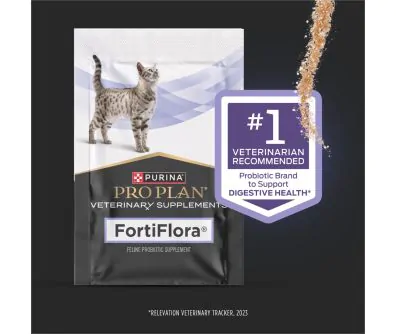
Probiotics introduce good bacteria to your cat’s gut, aiding digestion and boosting immunity. Enzymes help break down food more efficiently, preventing tummy troubles. Cats with sensitive stomachs often benefit from these supplements.
Have you ever dealt with your cat’s upset stomach or irregular bowel movements? Adding probiotics or digestive enzymes might bring relief without needing a vet visit every time. These supplements promote a balanced gut environment, which is crucial for overall well-being.
Herbal Extracts
Herbal extracts offer natural support for various health issues. Ingredients like milk thistle support liver health, while chamomile can calm anxious cats. I’ve seen herbal supplements help my shy cat relax during stressful vet visits.
While herbal options can be effective, it’s important to choose quality products and consult your vet. Not every herb is safe for cats, so knowing what you’re giving is key. Could herbal extracts be a gentle alternative for your cat’s specific needs?
Choosing The Right Supplements
Choosing the right supplements for your cat is important for their health. Not all supplements suit every cat. Some cats need extra vitamins or minerals. Others might benefit from joint support or digestive aids. Picking the right one keeps your cat happy and healthy.
Assessing Your Cat’s Needs
Start by observing your cat’s behavior and health. Notice if they have low energy or dull fur. Age matters too; older cats may need more joint support. Think about their diet. Homemade or limited diets might lack some nutrients. Identifying these needs helps narrow down supplement choices.
Reading Labels Carefully
Check the ingredient list on each supplement. Look for clear information on vitamins and minerals. Avoid supplements with artificial colors or fillers. Pay attention to dosage instructions. Too much of some nutrients can harm your cat. Choose products made specifically for cats, not humans.
Consulting Your Veterinarian
Your vet knows your cat’s health history best. Discuss any supplements before giving them. Your vet can recommend safe and effective options. They may suggest blood tests to find nutrient gaps. Follow their advice to avoid health risks.
Safe Supplement Practices
Ensuring your cat’s safety while using nutrition supplements is crucial. Supplements can support health, but only if used correctly. Missteps in dosage or ignoring side effects can do more harm than good.
Proper Dosage Guidelines
Always follow the dosage instructions provided on the supplement packaging or by your vet. Cats are sensitive to many substances, so even a small overdose can cause serious issues. If you’re unsure, ask your vet before adjusting the amount.
Think about your own experience giving medicine—too little won’t help, and too much can be risky. The same applies to supplements. Using a precise measuring tool instead of guessing helps keep your cat safe.
Avoiding Over-supplementation
It’s tempting to give extra supplements hoping for faster results, but too much can upset your cat’s balance. Over-supplementation can lead to toxic buildup or interfere with nutrient absorption.
Keep track of all supplements your cat is receiving, including treats with added vitamins. This prevents accidental doubling up on certain nutrients. Have you ever checked the labels on everything your cat eats?
Monitoring For Side Effects
Watch your cat closely after starting a new supplement. Signs like vomiting, diarrhea, lethargy, or changes in appetite can indicate a problem. Early detection helps you stop the supplement before it causes harm.
Keep a simple log of any changes you notice. This makes it easier to discuss concerns with your vet. Are you ready to notice what your cat’s body is telling you?
Incorporating Supplements Into Diet
Adding supplements to your cat’s diet can improve their health significantly. However, the way you introduce these supplements matters just as much as choosing the right ones. You want your cat to accept them easily without stress, and to benefit fully from their nutrients.
Mixing With Regular Food
One simple way to add supplements is by mixing them into your cat’s usual meals. Powdered supplements blend well into wet food, making them almost undetectable to picky eaters. If your cat prefers dry food, try moistening the kibble first; this helps the supplement stick better.
Watch your cat’s reaction closely at first. If they refuse the food, consider reducing the supplement amount or trying a different type. Have you noticed any texture or smell that your cat dislikes? Adjusting these small details can make a big difference.
Using Treats As Carriers
Supplements hidden inside treats can turn giving medicine into a fun game. Many cats respond well to flavored treats, so look for options that match your supplement’s form—capsules or chewables work great here. You can also stuff soft treats with paste or liquid supplements to mask the taste.
This approach works well if your cat is hesitant about their food but loves snacks. Just be cautious not to overdo treats, as too many can affect their overall diet. How often do you reward your cat with treats? Balancing this can keep supplements effective and treats enjoyable.
Timing And Consistency
Choosing the right time to give supplements helps them work better. Many supplements absorb best when given with meals, but some require an empty stomach. Understanding your cat’s specific supplement needs ensures you get the best results.
Stick to a regular schedule to help your cat get used to the routine. Consistency also makes it easier for you to track any changes in their health. What daily habits could you adjust to fit supplement time smoothly into your cat’s day?

Credit: www.amazon.com
Signs Your Cat May Benefit
Recognizing signs that your cat may need nutrition supplements is key to keeping them healthy. Cats cannot always tell us when they feel off. Observing their behavior and appearance helps identify potential issues early. Supplements can support their health and improve their quality of life.
Changes In Energy Levels
Notice if your cat is less active or playful than usual. Low energy might mean they lack essential nutrients. Sudden tiredness or weakness can signal a need for supplements. Boosting their diet can help restore their vitality.
Coat Dullness Or Shedding
A shiny, soft coat shows good health. If your cat’s fur looks dull or falls out excessively, nutrients may be missing. Poor coat condition can indicate vitamin or fatty acid deficiencies. Supplements can improve fur texture and reduce shedding.
Joint Stiffness Or Pain
Older cats often show stiffness or difficulty moving. Limping or reluctance to jump points to joint discomfort. This may result from a lack of joint-supporting nutrients. Supplements with glucosamine or omega-3 fatty acids can ease pain.
Digestive Issues
Vomiting, diarrhea, or constipation can suggest digestive problems. These symptoms sometimes stem from poor nutrient absorption. Probiotic or fiber supplements might help balance their gut health. Supporting digestion aids overall well-being.
Credit: www.purina.com
Frequently Asked Questions
What Are The Best Supplements For Cat Nutrition?
The best cat supplements include omega-3 fatty acids, probiotics, and multivitamins. These support coat health, digestion, and immunity effectively.
When Should I Give My Cat Nutritional Supplements?
Give supplements when a vet identifies deficiencies, during illness, or for aging cats. Always follow veterinary advice for safe use.
Can Supplements Improve My Cat’s Coat Condition?
Yes, supplements with omega-3 and omega-6 fatty acids enhance coat shine and reduce shedding naturally.
Are Probiotics Beneficial For Cat Digestion?
Probiotics help balance gut bacteria, improving digestion and reducing diarrhea or constipation in cats.
Conclusion
Choosing the right supplements helps your cat stay healthy and happy. Balanced nutrition supports strong bones, shiny fur, and good energy. Always check with a vet before adding new supplements. Watch your cat’s behavior and health closely. Small steps can make a big difference over time.
Good care shows your love and keeps your cat thriving. Keep learning about their needs and adjust as they grow. Healthy cats mean joyful moments for you both.
