

Are you sure your cat is getting the right nutrients every day? Understanding what your feline friend needs can be tricky, but it’s essential for their health and happiness.
A clear and simple Cat Nutrition Requirements Chart can guide you in choosing the best food and feeding routine. You’ll discover exactly what nutrients your cat needs, why they matter, and how to balance them easily. Keep reading to unlock the secrets to a healthier, more energetic cat!
Credit: pdsapetstore.org.uk
Nutritional Needs By Life Stage
Understanding your cat’s nutritional needs changes as they grow and age. Each life stage demands a unique balance of nutrients to support health, energy, and longevity. Knowing these differences helps you provide the right food at the right time.
Kittens
Kittens grow fast and burn lots of energy. They need extra protein and fat to build strong muscles and support brain development.
Calcium and phosphorus are crucial for healthy bone growth. Feeding a diet rich in these nutrients can prevent future health issues.
Have you noticed how playful and active your kitten is? Their food should fuel that boundless energy with frequent, nutrient-dense meals.
Adult Cats
Adult cats require a balanced diet to maintain muscle mass without gaining excess weight. Their metabolism slows down, so calorie intake needs careful control.
Protein remains important, but the focus shifts to maintaining a healthy weight and supporting overall wellness.
Consider your cat’s lifestyle—indoor cats may need fewer calories than outdoor ones. Tailoring their diet to activity levels can keep them fit and happy.
Senior Cats
Senior cats often face changes in digestion and kidney function. They benefit from diets lower in phosphorus and with easily digestible proteins.
Joint-supporting nutrients like omega-3 fatty acids can ease stiffness and improve mobility.
Have you seen your older cat slow down or lose interest in food? Offering smaller, nutrient-packed meals can help maintain their strength and vitality.
Key Nutrients For Cats
Knowing the key nutrients your cat needs helps you make smarter feeding choices. Cats are obligate carnivores, which means their diet must include specific nutrients to keep them healthy and active. Understanding these essentials lets you spot good food and avoid common diet pitfalls.
Proteins And Amino Acids
Proteins are the foundation of your cat’s diet. Cats require high-quality animal proteins because they provide essential amino acids like taurine, which cats cannot produce on their own.
Without enough taurine, cats can develop heart problems and vision issues. Look for foods where meat or fish is the first ingredient—this usually means a higher protein quality.
Fats And Fatty Acids
Fats give your cat energy and help absorb vitamins. Essential fatty acids, such as omega-3 and omega-6, support skin health, coat shine, and brain function.
If your cat scratches a lot or has dull fur, their diet might lack these fats. Including fish oil or flaxseed oil supplements can often make a noticeable difference.
Vitamins And Minerals
Vitamins and minerals regulate many body functions in cats. Vitamin A, for example, is crucial for eye health, while calcium and phosphorus keep bones strong.
Feeding a balanced commercial diet usually covers these needs, but homemade meals require careful planning. Have you checked if your cat’s food lists all necessary vitamins and minerals?
Water Intake
Water is often overlooked but vital for your cat’s health. Cats naturally have a low thirst drive, so they may not drink enough on their own.
Wet food can increase hydration, but always provide fresh water. Notice if your cat drinks less than usual—this could signal health issues.
Daily Caloric Requirements
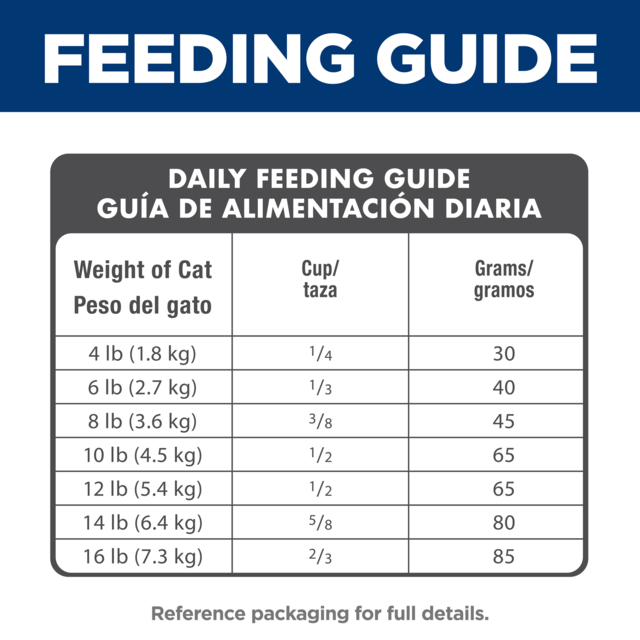
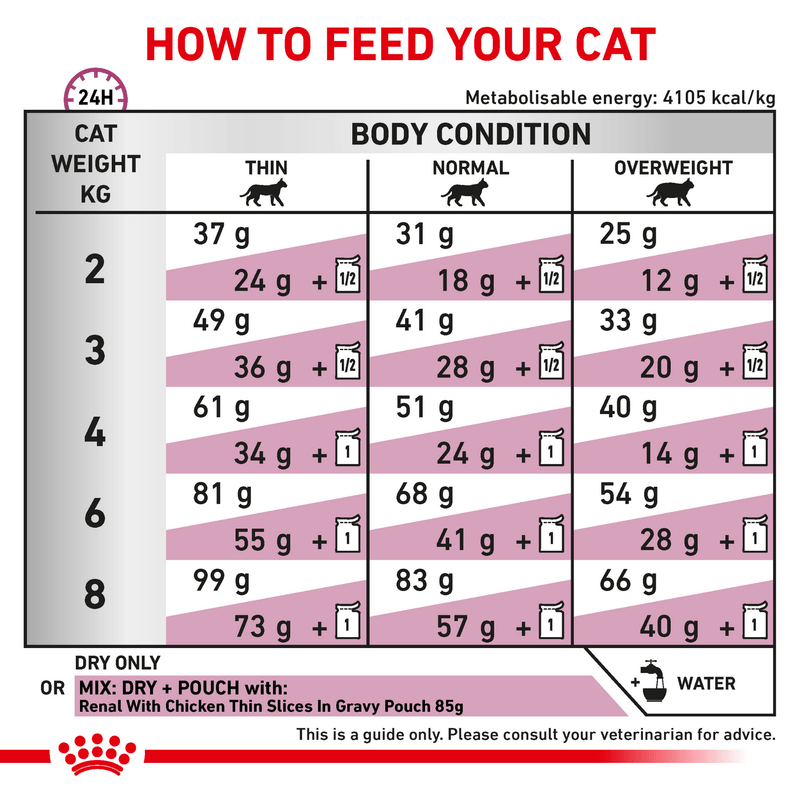
Understanding your cat’s daily caloric requirements is essential for maintaining their health and energy levels. Each cat needs a specific amount of calories based on various factors like age, weight, and lifestyle. Meeting these needs precisely helps prevent issues like obesity or malnutrition.
Activity Level Impact
Your cat’s activity level plays a big role in how many calories they burn each day. A playful, indoor cat who runs around often will need more calories than a mostly sedentary cat. Outdoor cats or those that get regular exercise typically require extra energy to fuel their activities.
Think about your cat’s daily routine. Does your feline friend chase toys or lounge all day? Adjusting calories based on activity ensures they get just the right amount of fuel.
Weight Management
Managing your cat’s weight means balancing calorie intake with energy use. Overfeeding can lead to weight gain, while underfeeding causes weight loss and health problems. Tracking calories carefully helps keep your cat in a healthy range.
Have you noticed your cat gaining extra pounds? Cutting back calories slightly and increasing playtime can make a big difference. Remember, gradual changes are better for your cat’s metabolism and overall well-being.

Credit: pet-supermarket.co.uk
Special Dietary Considerations
Special dietary considerations are crucial for cats at different stages of life or with unique health needs. Meeting these specific requirements can improve your cat’s well-being and prevent complications. Understanding these needs helps you make smarter food choices tailored to your feline friend.
Pregnant And Nursing Cats
Pregnant and nursing cats need extra calories and nutrients to support both themselves and their kittens. Their diet should be richer in protein, calcium, and essential fatty acids to promote healthy growth and milk production.
You might notice your cat eating more or becoming pickier during this time. Offering high-quality kitten food can meet these higher demands since it’s packed with the right balance of nutrients.
Cats With Health Issues
Health problems like kidney disease, diabetes, or obesity require special diets to manage symptoms and improve quality of life. For example, cats with kidney disease often need reduced phosphorus and protein levels to ease kidney strain.
Consult your vet to find a diet plan that matches your cat’s specific condition. Have you observed changes in your cat’s appetite or energy that could indicate a need for dietary adjustments?
Allergies And Sensitivities
Food allergies and sensitivities can cause itching, digestive upset, or other discomforts in cats. Identifying the offending ingredient, such as certain proteins or grains, is the first step to relief.
Switching to limited ingredient diets or hypoallergenic formulas often helps. If your cat starts scratching more or has frequent vomiting, could it be their food?
Reading Cat Food Labels
Reading cat food labels can feel overwhelming at first. But understanding what’s on the label is crucial for picking the best nutrition for your cat. It helps you spot quality ingredients and ensure your pet gets everything they need to stay healthy and happy.
Ingredient Quality
Look beyond just the first ingredient. High-quality cat food usually lists real meat or fish at the top, like chicken, salmon, or turkey. Avoid vague terms like “meat by-products” or “animal digest”—these can mean low-grade parts.
Check for whole food ingredients such as vegetables and grains that add fiber and nutrients. Also, watch out for fillers like corn or wheat that provide little nutritional value. If you see added sugars or artificial colors, ask yourself if your cat really needs those.
Nutrient Guarantees
The guaranteed analysis section tells you the minimum or maximum levels of key nutrients in the food. Focus on protein, fat, fiber, and moisture percentages. Cats need a high protein diet, so a protein content of around 30-40% is ideal.
Fat is important too, as it provides energy and supports skin and coat health. Fiber should be moderate to help with digestion, usually around 2-5%. Moisture content varies depending on dry or wet food; wet food naturally has higher moisture, which helps keep your cat hydrated.
Look for statements that the food meets AAFCO (Association of American Feed Control Officials) standards. This means the food is complete and balanced for your cat’s life stage. If you want to dig deeper, compare these guarantees across brands to find the best match for your cat’s needs.
Homemade Vs Commercial Diets
Choosing between homemade and commercial diets for your cat can feel overwhelming. Each option offers unique benefits and challenges that affect your cat’s health and happiness. Understanding these differences will help you make informed decisions about your cat’s nutrition.
Pros And Cons
Homemade Dietsgive you full control over ingredients. You know exactly what your cat is eating, which is great if your cat has allergies or sensitivities. However, preparing balanced meals at home can be tricky and time-consuming.
Commercial Dietsare convenient and designed to meet nutritional standards. They come in various forms like dry kibble, canned food, or freeze-dried options. On the downside, some commercial products may contain fillers or additives that don’t benefit your cat’s health.
- Homemade Pros:Customizable, fresh ingredients, no fillers.
- Homemade Cons:Risk of nutrient imbalance, time-intensive, requires knowledge.
- Commercial Pros:Convenient, nutritionally balanced, widely available.
- Commercial Cons:Possible low-quality fillers, less ingredient transparency.
Balancing Nutrients
Ensuring your cat gets the right nutrients is crucial, whether you choose homemade or commercial food. Cats need specific proteins, fats, vitamins, and minerals for optimal health.
With homemade diets, you must carefully balance these nutrients to avoid deficiencies or excesses. Supplements like taurine and omega-3 fatty acids are often necessary to meet your cat’s unique needs.
Commercial diets usually have these nutrients pre-balanced, but it’s still important to read labels and choose high-quality brands. Have you checked if your cat’s food meets AAFCO standards? That’s a good starting point to ensure nutritional adequacy.
Common Feeding Mistakes
Feeding your cat might seem straightforward, but many pet owners unknowingly make common mistakes that can harm their furry friend’s health. Understanding these errors can help you avoid them and provide a balanced, safe diet that supports your cat’s wellbeing. Let’s look at some frequent feeding pitfalls and how you can prevent them.
Overfeeding
Giving your cat too much food can lead to obesity, which increases the risk of diabetes, arthritis, and heart problems. Cats often eat out of boredom or habit, not hunger, so watch their portions carefully.
Try measuring your cat’s meals and avoid free-feeding. Have you noticed your cat begging for food even after a full meal? That’s often just a behavioral cue, not a real need for more food.
Unbalanced Diets
Cats need a specific balance of protein, fats, and essential nutrients like taurine to stay healthy. Feeding only one type of food, like dry kibble, or homemade meals without proper guidance can leave gaps in their nutrition.
Check labels to ensure the food meets AAFCO standards or consult your vet about supplements. Have you ever wondered if your cat’s diet really covers all its nutritional needs?
Unsafe Foods
Some human foods are toxic to cats, including onions, garlic, chocolate, and grapes. Even small amounts can cause serious health issues.
Be cautious about sharing your snacks and keep dangerous foods out of reach. Do you know which common kitchen items are harmful to your cat?

Credit: www.whiskas.ca
Monitoring Cat Health Through Diet
Monitoring your cat’s health through diet is more than just choosing the right food. It involves actively observing how your cat responds to their meals and adjusting accordingly. Paying close attention to specific signs can help you catch potential health issues early and keep your furry friend thriving.
Weight Tracking
Keeping an eye on your cat’s weight is crucial. Sudden weight loss or gain can signal underlying health problems or dietary imbalances.
Use a simple scale at home or visit the vet regularly to track changes. Logging weight weekly helps you notice trends before they become serious.
Have you noticed your cat sneaking extra treats or refusing meals? These habits impact weight and overall health more than you might think.
Behavioral Changes
Diet can directly influence your cat’s mood and energy levels. If your cat suddenly becomes lethargic, irritable, or hides more often, consider their diet first.
Changes in eating habits like sudden disinterest in food or overeating can point to health issues. Watch for these signs closely and note any patterns.
Have you observed your cat acting differently after switching foods? Keeping a journal of behavioral shifts linked to diet changes can be very revealing.
Regular Vet Checkups
Regular vet visits are essential to confirm your cat’s diet is meeting all their nutritional needs. Vets can perform tests that reveal deficiencies or health concerns you might miss at home.
Discuss your cat’s diet chart with your vet during visits. They can provide tailored advice and recommend supplements if necessary.
How often do you bring your cat for a checkup? Making these visits routine is one of the best ways to maintain your cat’s health through diet.
Frequently Asked Questions
What Are Essential Nutrients In A Cat Nutrition Chart?
Essential nutrients include proteins, fats, vitamins, minerals, and water. Cats need high protein and fat for energy. Vitamins and minerals support immune health and bone strength. Water is vital to prevent dehydration and support organ function.
How Much Protein Should Cats Consume Daily?
Cats require 26-30% protein daily for muscle and tissue maintenance. Protein from animal sources is best. Insufficient protein can lead to health issues like muscle loss and weakened immunity.
Why Is Taurine Important In Cat Diets?
Taurine is an essential amino acid for cats. It supports heart health, vision, and reproduction. Cats cannot synthesize taurine, so it must be included in their diet to avoid deficiency.
How Do Calorie Needs Vary By Cat Age?
Kittens need more calories for growth, about 100 calories per pound daily. Adult cats require fewer calories, around 20 calories per pound. Senior cats need fewer calories due to reduced activity.
Conclusion
A proper nutrition chart helps your cat stay healthy and strong. Cats need the right balance of proteins, fats, and vitamins daily. Feeding them well supports their energy, growth, and overall happiness. Keep checking the chart to meet their changing needs.
A healthy diet leads to a long, active life for your furry friend. Simple steps make a big difference in their well-being. Remember, good nutrition is key to your cat’s health.
