


Are you sure your cat is getting the right amount of food every day? Feeding your furry friend just the right portions can be tricky.
Too much or too little can affect their health and happiness. That’s where a Cat Nutrition Calculator comes in. It helps you figure out exactly what your cat needs to stay healthy and full of energy. Keep reading to discover how this simple tool can make a big difference in your cat’s life—and how easy it is for you to use it.
Why Cat Nutrition Matters
Proper nutrition is the foundation of a cat’s health and happiness. It supports their energy, growth, and overall well-being. A balanced diet helps cats live longer and feel better every day.
Understanding what your cat needs helps you make the best food choices. It prevents health problems and ensures they get the right fuel for their body.
Essential Nutrients For Cats
Cats need specific nutrients to thrive. These include:
- Proteins – for muscle growth and repair
- Fats – for energy and skin health
- Taurine – an amino acid vital for heart and eye health
- Vitamins – such as A, D, and E for immune support
- Minerals – like calcium and phosphorus for strong bones
- Water – to keep them hydrated and support organ function
Common Dietary Deficiencies
Many cats lack key nutrients in their diet. Common shortages include:
- Taurine deficiency can cause heart and eye problems
- Insufficient protein leads to muscle loss and weakness
- Low vitamin levels weaken the immune system
- Missing minerals affect bone health and growth
- Dehydration results from inadequate water intake
Impact On Cat Health And Behavior
Nutrition affects much more than just physical health. Poor diet can cause:
- Low energy and fatigue
- Weight loss or obesity
- Digestive issues like vomiting or diarrhea
- Behavior changes such as irritability or lethargy
- Weakened immune system leading to frequent illness
Feeding your cat well supports their body and mood. It helps them stay active, playful, and healthy for years.
Key Factors In Diet Calculation
Calculating the right diet for your cat involves more than just measuring food portions. Several key factors influence what your cat needs to stay healthy and happy. Understanding these can help you tailor a diet that matches your cat’s unique requirements.
Age And Life Stage
Your cat’s age plays a big role in determining their nutritional needs. Kittens require more calories and nutrients to support growth, while senior cats may need fewer calories but extra supplements for joint health.
Have you noticed how your kitten’s energy levels differ from your older cat’s? Adjusting their diet accordingly ensures they get what they need without overfeeding or undernourishing.
Weight And Body Condition
Knowing your cat’s ideal weight versus their current body condition helps you adjust their food intake. Overweight cats need fewer calories, while underweight cats may require more nutrient-dense meals.
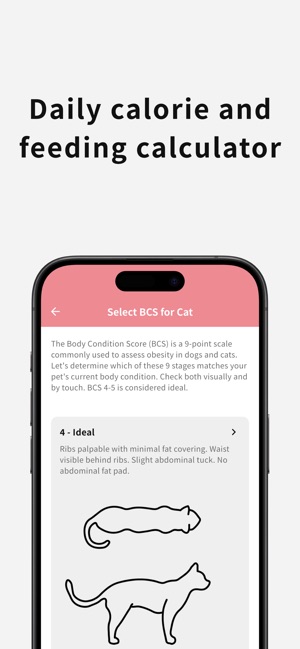
Try using a body condition score chart to evaluate your cat’s physique. This simple tool can guide you in feeding the right amount and type of food to maintain or reach a healthy weight.
Activity Level And Lifestyle
Active cats that spend time outdoors or play frequently burn more energy and need more calories. Indoor or less active cats typically require less food to avoid weight gain.
Think about your cat’s daily routine: Are they chasing toys or lounging most of the day? Matching food portions to their activity helps prevent common issues like obesity or malnutrition.
Using A Cat Nutrition Calculator
Using a cat nutrition calculator helps pet owners feed their cats the right amount of food. It considers the cat’s age, weight, activity level, and health needs. This tool guides in balancing nutrients for better health and energy.
Inputting Accurate Data
Enter your cat’s weight carefully. Use a scale or visit a vet for the exact number. Add the cat’s age and activity level. Choose the correct food type, like dry or wet. Accurate data gives the best feeding advice.
Interpreting The Results
The calculator shows daily calorie needs and nutrient amounts. It breaks down protein, fat, and carbohydrates. Check if the food matches these needs. The results help avoid overfeeding or underfeeding your cat.
Adjusting Portions And Ingredients
Use the calculator’s suggestions to change food portions. Adjust the amount of wet or dry food. Add supplements if needed for vitamins or minerals. Watch your cat’s weight and energy to make further changes.
Credit: www.omnicalculator.com
Selecting The Right Ingredients
Selecting the right ingredients is key to creating a healthy meal for your cat. Each component plays a vital role in their overall well-being and energy. Choosing the best ingredients ensures your cat gets balanced nutrition tailored to their needs.
Protein Sources
Protein is essential for your cat’s muscles and tissue repair. High-quality animal proteins like chicken, turkey, and fish are ideal. These provide amino acids cats need daily. Avoid plant-based proteins as cats cannot digest them well.
Fats And Carbohydrates
Fats supply energy and help absorb vitamins. Healthy fats come from fish oil and chicken fat. Carbohydrates provide fuel but should be limited. Sources like rice or sweet potato offer gentle energy without overloading your cat.
Vitamins And Minerals
Vitamins and minerals support your cat’s immune system and bone health. Ingredients like liver and leafy greens provide essential nutrients. A balanced mix prevents deficiencies and keeps your cat active and strong.
Homemade Vs. Commercial Diets
Deciding between homemade and commercial diets for your cat is a key part of managing their nutrition. Both options have unique benefits and challenges that can affect your cat’s health and your peace of mind. Understanding these differences helps you make informed choices that suit your cat’s needs and your lifestyle.
Pros And Cons Of Homemade Meals
Homemade meals give you full control over what your cat eats. You can avoid fillers, artificial additives, and choose fresh ingredients that meet your cat’s preferences and sensitivities.
On the downside, creating balanced meals at home is tricky. Cats require specific nutrients like taurine and certain vitamins that need careful planning. Without proper guidance, homemade diets might lack essential nutrients, risking your cat’s health.
Have you ever tried preparing your cat’s food and wondered if it really covers all their nutritional needs? A cat nutrition calculator can help you check and balance these meals effectively.
Choosing Quality Commercial Foods
Commercial cat foods offer convenience and are formulated to meet established nutritional standards. They often contain balanced amounts of protein, fats, and vitamins critical for feline health.
However, not all commercial foods are created equal. Some brands use low-quality ingredients or fillers that don’t benefit your cat. Reading labels and researching brands is essential to ensure you pick products that prioritize quality over cost.
Would you be willing to spend a bit more on premium commercial food if it meant better health outcomes for your cat? Sometimes, investing in quality pays off in fewer vet visits and a happier pet.
Balancing Variety And Consistency
Offering your cat a mix of homemade and commercial diets can provide variety and maintain nutritional balance. Variety keeps your cat interested in their food and can cover gaps that one diet alone might miss.
Consistency is also crucial. Sudden changes in diet can upset your cat’s stomach or cause picky eating habits. Transition gradually between foods and use a nutrition calculator to ensure each meal meets your cat’s needs.
How do you find the right balance between keeping your cat’s meals exciting and ensuring they get steady nutrition? Tracking their response to different foods and adjusting accordingly is key.
Credit: apps.apple.com
Monitoring And Adjusting The Diet
Keeping an eye on your cat’s diet is essential to ensure they stay healthy and happy. Monitoring and adjusting their nutrition means watching how their body responds and making changes to meet their evolving needs. This ongoing process helps you catch problems early and keeps your feline friend thriving.
Tracking Weight And Health Changes
Regularly weigh your cat to spot any sudden gains or losses. A healthy weight is a key indicator of proper nutrition and overall well-being.
Notice changes in energy, coat quality, or behavior. If your cat seems lethargic or their fur looks dull, these might be signs that their diet needs tweaking.
Keeping a simple journal of these changes can help you track trends over time. Have you noticed your cat’s weight fluctuating after switching foods?
Signs Of Nutritional Imbalance
Watch for symptoms like vomiting, diarrhea, or excessive thirst, which can indicate that your cat isn’t getting the right nutrients. Poor appetite or sudden food refusal also signals potential issues.
Skin problems, such as dryness or excessive scratching, often point to vitamin or fatty acid deficiencies. These subtle clues help you know when to adjust feeding amounts or ingredients.
Is your cat showing any unusual signs after mealtime? Addressing these early can prevent long-term health problems.
When To Consult A Veterinarian
If you notice persistent weight changes, digestive problems, or unusual behaviors, it’s time to get professional advice. Vets can run tests to uncover hidden deficiencies or medical conditions.
Don’t wait for a crisis. Consulting your vet ensures your cat’s diet supports their health at every life stage.
Have you discussed your cat’s nutrition with a vet recently? Their guidance can make all the difference in fine-tuning your pet’s diet.
Tools And Resources For Cat Nutrition
Finding the right nutrition for your cat can be tricky. Tools and resources help make it easier. They offer guidance on food amounts, calories, and nutrients your cat needs daily. Using these tools helps keep your cat healthy and happy.
Popular Nutrition Calculators
Nutrition calculators estimate the calories and nutrients your cat needs. Many calculators ask for your cat’s weight, age, and activity level. They then give feeding recommendations based on this info. Some popular options include:
- PetMD Cat Calorie Calculator
- Royal Canin Feeding Calculator
- Hill’s Pet Nutrition Calculator
These tools help prevent overfeeding or underfeeding. They also adjust recommendations for kittens, adults, or senior cats.
Apps And Online Guides
Apps track your cat’s daily food intake and weight. They remind you when to feed and record progress. Good apps offer tips on ingredients and portion sizes. Some apps also let you scan pet food labels for details.
Online guides explain cat nutrition basics. They cover topics like protein needs, vitamins, and safe foods. Many veterinary sites offer free, easy-to-read guides. These resources help you make informed choices about your cat’s diet.
Support Communities And Experts
Cat owners share advice and experiences in online groups. These communities offer support and real-life tips. Joining such groups helps answer common feeding questions.
Veterinarians and pet nutritionists provide expert advice. They can tailor diet plans for health issues. Consulting a professional ensures your cat’s diet fits their specific needs.
Credit: ziggyfamily.com
Frequently Asked Questions
What Is A Cat Nutrition Calculator?
A Cat Nutrition Calculator estimates your cat’s daily calorie and nutrient needs. It helps tailor feeding amounts for weight, age, and activity level. This tool ensures balanced nutrition to maintain your cat’s health and ideal weight. It simplifies feeding decisions for better care.
How Do I Use A Cat Nutrition Calculator?
Input your cat’s weight, age, activity, and health status into the calculator. The tool then provides daily calorie and nutrient recommendations. Use these results to measure proper food portions. Regular use helps adjust feeding as your cat’s needs change.
Why Is Cat Nutrition Important For Health?
Proper cat nutrition supports growth, energy, and immune function. Balanced diets prevent obesity, diabetes, and other health issues. Nutrition tailored to your cat’s needs improves lifespan and quality of life. Using a nutrition calculator ensures you meet these vital requirements.
Can I Use A Cat Nutrition Calculator For Kittens?
Yes, a Cat Nutrition Calculator can be adjusted for kittens. Kittens need more calories and nutrients for growth than adult cats. The calculator considers age and weight to provide accurate feeding advice. This helps support healthy development during early life stages.
Conclusion
A cat nutrition calculator helps you feed your cat right. It shows the right amount of food your cat needs. This keeps your pet healthy and happy. Use it to avoid overfeeding or underfeeding your cat. Good nutrition supports your cat’s energy and growth.
Always check your cat’s weight and age for best results. Feeding your cat properly is simple with the right tools. Try the calculator to make smart feeding choices every day. Caring for your cat’s diet is a key part of pet health.
