

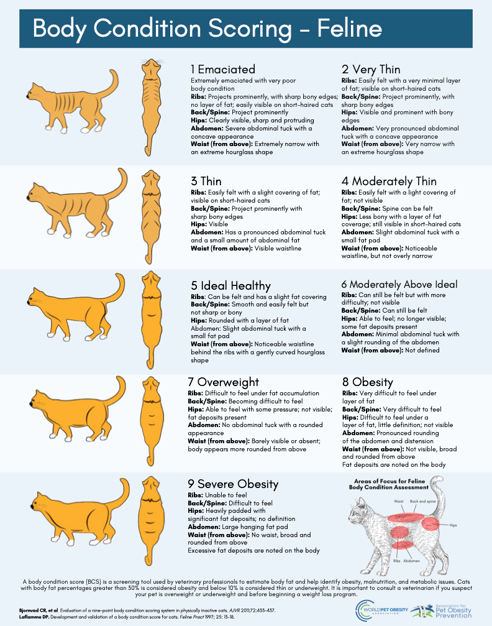
Is your cat looking a little thinner than usual? You might be worried because a cat that needs to put on weight isn’t just about appearance—it’s about their health and happiness.
When your furry friend is underweight, it can signal problems you don’t want to ignore. But don’t worry, you’re not alone, and there are simple steps you can take to help your cat gain weight safely. Keep reading to discover why your cat might be losing weight and how you can support them to get back to a healthy, happy life.
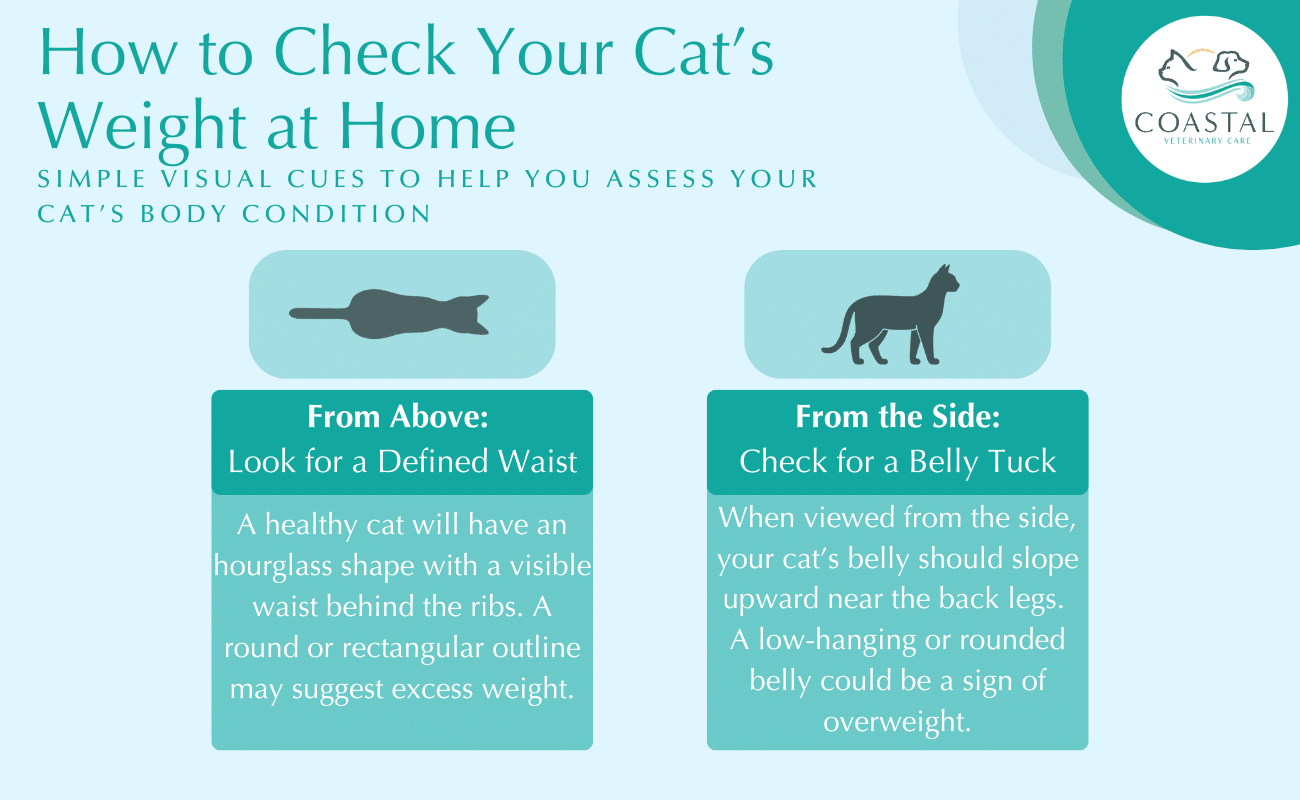
Credit: coastalveterinarycare.vet
Common Reasons For Weight Loss
Weight loss in cats often signals an underlying problem. Understanding the common reasons helps address the issue early. Many factors, from health to environment, can cause a cat to lose weight. Identifying the cause is key to helping your cat regain a healthy weight.
Health Issues
Illnesses can lead to sudden or gradual weight loss. Common health problems include parasites, kidney disease, diabetes, and hyperthyroidism. Pain and dental problems also reduce appetite. Regular vet checkups catch these issues early.
Dietary Deficiencies
Poor nutrition causes weight loss over time. Cats need balanced diets with the right proteins and fats. Feeding low-quality food or not enough food results in nutritional gaps. Sometimes, cats refuse food that lacks flavor or variety.
Stress And Anxiety
Stress affects a cat’s eating habits and digestion. Changes in the home, loud noises, or new pets can cause anxiety. Stress reduces appetite and can lead to weight loss quickly. A calm environment helps cats feel safe and eat well.
Aging Process
Older cats often lose weight naturally. Muscle mass decreases, and metabolism changes with age. Dental issues or decreased activity also reduce food intake. Special senior diets support their changing nutritional needs.
Nutritional Needs For Weight Gain
Helping your cat gain weight means meeting their nutritional needs carefully. It’s not just about feeding more, but feeding smarter. Understanding what nutrients support healthy weight gain will help your cat build muscle and store energy without harming their health.
High-calorie Foods
Adding high-calorie foods can boost your cat’s energy intake quickly. Choose calorie-dense options like canned tuna, cooked chicken, or specially formulated weight-gain cat foods. These foods provide more energy in smaller portions, which is great if your cat has a small appetite.
Think about mixing a bit of warm broth into their meal to make it more appealing and easier to eat. Have you noticed your cat eating less when food feels dry or boring? Changing texture and flavor can make a big difference.
Protein-rich Diets
Protein is essential for building muscle during weight gain. Cats need animal-based proteins like chicken, turkey, or fish to stay strong and healthy. Feeding your cat a protein-rich diet supports lean muscle growth rather than just fat accumulation.
Try to balance protein with other nutrients to avoid digestive upset. Have you ever seen your cat lose interest in food? Sometimes, adjusting protein sources can reignite their appetite and help them gain weight steadily.
Essential Vitamins And Minerals
Vitamins and minerals support overall health and help your cat use nutrients effectively. Nutrients like vitamin E, B-complex vitamins, and zinc play a role in energy metabolism and immune support. Including a variety of foods or supplements ensures your cat doesn’t miss out on these essentials.
If your cat is picky, consider a multivitamin approved by your vet. Does your cat seem less active or dull? It might be a sign they need more balanced nutrition, not just more calories.
Choosing The Right Cat Food
Choosing the right cat food is key for helping your cat gain weight safely. Cats need food that supports healthy weight gain without harming their organs. The right diet gives them energy and essential nutrients. Understanding the different types of cat food can guide you in picking the best option.
Wet Vs Dry Food
Wet food contains more moisture, which helps with hydration. It often has higher protein and fat levels, aiding weight gain. Dry food is convenient and has a longer shelf life. It can be calorie-dense but may lack moisture. Mixing wet and dry food can balance nutrition and hydration. Watch your cat’s preference and digestion when choosing.
Specialized Weight Gain Formulas
Specialized formulas focus on higher calories and protein. These foods support muscle growth and fat gain. Look for products labeled for weight gain or recovery. They often include vitamins and minerals to boost health. Consult your vet before switching to specialized formulas. This ensures the diet suits your cat’s needs.
Reading Food Labels
Check the protein source; real meat should be first. Avoid foods with too many fillers like corn or wheat. Look for essential nutrients such as taurine and omega fatty acids. Check calorie content to ensure enough energy supply. Ingredients should be clear and simple. Avoid artificial colors and preservatives for better health.
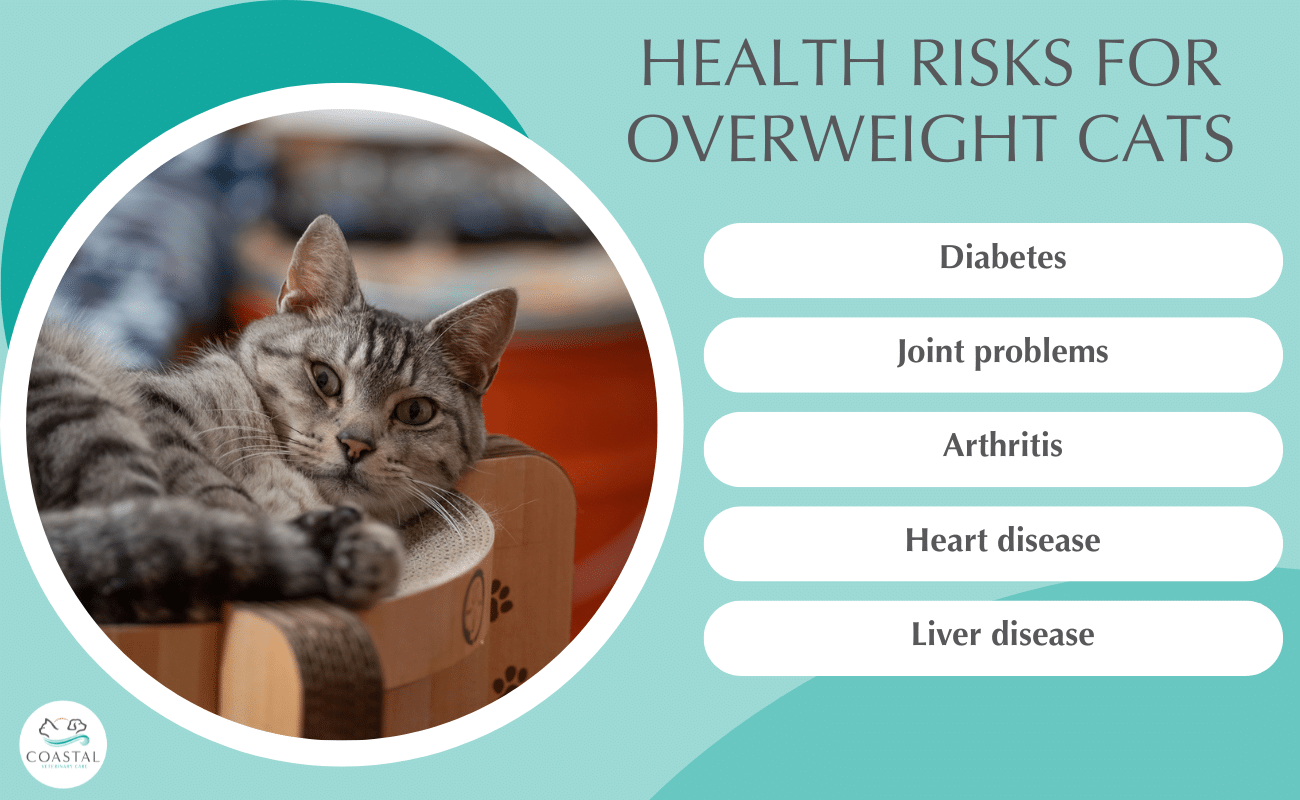
Credit: coastalveterinarycare.vet
Feeding Strategies
Feeding a cat that needs to gain weight requires thoughtful strategies. The goal is to increase calorie intake without upsetting their stomach. Small changes can make a big difference in their health and energy levels. Focus on meals, supplements, and hydration to support weight gain safely.
Frequent Small Meals
Offer your cat several small meals throughout the day. This helps improve digestion and keeps their energy up. Smaller portions are easier to eat and less likely to cause discomfort. Try feeding four to six meals daily instead of one or two large ones.
Use high-quality, calorie-dense food. Wet food often works better because it is more appealing and easier to chew. Warm the food slightly to enhance aroma and encourage eating.
Supplements And Treats
Add supplements to boost calorie intake and provide extra nutrients. Fish oil can improve coat health and add calories. Protein powders made for cats can also help increase weight safely.
Offer healthy treats between meals to increase calorie intake. Choose treats rich in protein and fat. Avoid giving too many treats to prevent digestive upset or unbalanced nutrition.
Hydration Importance
Keep your cat well hydrated to support digestion and overall health. Cats often drink less water, so wet food helps increase fluid intake. You can also provide fresh water in multiple bowls around the house.
Some cats prefer running water. A cat water fountain encourages drinking. Proper hydration helps nutrients absorb better and keeps your cat feeling good.
Monitoring Progress
Monitoring progress is crucial when helping a cat gain weight. Careful observation ensures the cat stays on a healthy path. It helps catch any issues early. Tracking changes guides adjustments in diet and care.
Regular Weigh-ins
Weigh your cat at the same time each week. Use a reliable scale for accuracy. Record the weight to track trends over time. Small weight gains show progress. Sudden weight loss needs quick attention.
Behavioral Changes
Watch for changes in eating habits and activity. A cat that eats more and is playful is improving. Notice if your cat seems tired or hides often. Changes in grooming can also signal health issues. Behavioral clues help understand your cat’s well-being.
Veterinary Check-ups
Regular vet visits confirm your cat’s health status. The vet checks for underlying problems causing weight loss. Blood tests and exams provide a clear health picture. Follow the vet’s advice for diet and treatment. Professional guidance supports safe and steady weight gain.
Encouraging Appetite
Encouraging a cat to eat more is key to helping it gain weight. Cats may lose appetite due to illness, stress, or changes in their environment. Boosting their desire to eat can improve their health and energy. Small changes can make a big difference in how much your cat eats.
Creating A Comfortable Feeding Environment
Place the food bowl in a quiet, safe area. Avoid noisy spots or places with heavy foot traffic. Use a clean bowl and fresh food every time. Cats prefer a calm space to eat without distractions. Keep the feeding area tidy to make it inviting.
Using Appetite Stimulants
Some foods and supplements can increase a cat’s hunger. Warm the food slightly to release its aroma. Try adding small amounts of tuna juice or broth. Special vet-approved appetite stimulants may help if your cat refuses to eat. Always check with a vet before using supplements.
Reducing Stress Factors
Stress can lower a cat’s appetite quickly. Keep a regular feeding schedule to create routine. Minimize loud noises and sudden changes at home. Provide hiding spots or quiet zones for your cat. Gentle petting and calm voices can reassure your cat during mealtime.
When To Seek Professional Help
Knowing when to seek professional help is key if your cat struggles to gain weight. Sometimes, weight loss signals serious health issues. Other times, your cat might need specialized diet advice. Acting early can protect your cat’s health and comfort.
Identifying Serious Health Concerns
Rapid weight loss or failure to gain weight may indicate illness. Watch for:
- Loss of appetite lasting more than three days
- Vomiting or diarrhea
- Changes in behavior or energy levels
- Difficulty breathing or coughing
- Visible lumps or swelling
These signs require immediate veterinary attention. Early diagnosis improves treatment success.
Working With A Veterinary Nutritionist
A veterinary nutritionist creates a diet plan tailored to your cat’s needs. They consider your cat’s age, health, and activity level. Specialized diets can address nutrient deficiencies and promote healthy weight gain.
Nutritionists also monitor progress and adjust feeding plans. This guidance supports safe, steady improvement in your cat’s weight and health.
Credit: sites.tufts.edu
Frequently Asked Questions
Why Does My Cat Need To Put On Weight?
Cats may need to gain weight due to illness, poor diet, or high activity. Weight gain supports overall health and energy. Consulting a vet ensures the right approach to help your cat gain healthy weight safely.
How Can I Help My Cat Gain Weight Quickly?
Feed your cat high-calorie, nutrient-rich food in small, frequent meals. Adding wet food or supplements can boost calorie intake. Regular vet checkups ensure weight gain is healthy and effective.
What Foods Are Best For A Cat To Gain Weight?
Choose high-protein, high-fat cat foods with quality ingredients. Wet food or kitten formulas are excellent for weight gain. Avoid fillers and low-nutrient foods that won’t promote healthy weight gain.
When Should I Worry About My Cat’s Low Weight?
If your cat loses weight rapidly or shows signs of illness, consult a vet immediately. Persistent low weight can indicate health problems needing prompt diagnosis and treatment.
Conclusion
Helping your cat gain weight takes time and care. Watch their eating habits closely. Offer nutritious, high-calorie foods that suit their taste. Keep track of their progress every week. Visit the vet to rule out health problems. Stay patient and consistent with feeding routines.
A healthy weight means a happier, stronger cat. Small changes make a big difference in their life. Keep loving and supporting your furry friend.
