

Have you ever wondered why your cat acts a bit peculiar when it’s that time of the year? Understanding cat mating behavior can be both fascinating and essential for any cat owner.
Whether you’re a seasoned pet parent or new to the feline world, getting a grip on this natural phenomenon can help you provide better care and make informed decisions for your furry friend. Imagine knowing exactly why your cat is meowing differently or behaving unexpectedly; it’s like having a secret code to your cat’s world.
Stay with us as we delve into the intriguing dynamics of cat mating behavior, ensuring that you’re well-prepared for every purr and paw step along the way.
Cat Reproductive Cycle
The cat reproductive cycle is a natural process that controls when female cats become ready to mate. Understanding this cycle helps cat owners recognize behaviors linked to mating. Female cats go through specific stages called estrus or heat. These stages repeat regularly during the breeding season. Observing these stages helps predict when a cat is fertile and ready to breed.
Heat Periods And Signs
Heat periods are times when female cats show strong signs of wanting to mate. They may become very vocal and restless. Cats often rub against furniture or people more than usual. You might see them lifting their hindquarters or assuming a mating posture. These behaviors show that the cat is in heat and ready to attract a male.
Frequency Of Estrus
Female cats can go into heat many times during the breeding season. This can happen every two to three weeks. The frequency depends on factors like daylight and temperature. Cats are more likely to cycle when days are longer, usually in spring and summer. If they do not mate, the heat will come back again after a few weeks.
Duration And Timing
Each heat cycle lasts about four to seven days. The cat is most fertile during the middle of this period. If mating does not occur, the cycle will pause for a short time. Then, it starts again within a few weeks. Understanding the timing helps predict when the cat is most likely to become pregnant.

Credit: www.mediastorehouse.com
Mating Rituals
Cat mating rituals are a fascinating blend of behaviors. These rituals help cats find the right partner and communicate their readiness. Understanding these rituals gives insight into cat social life and instincts.
Courtship Behaviors
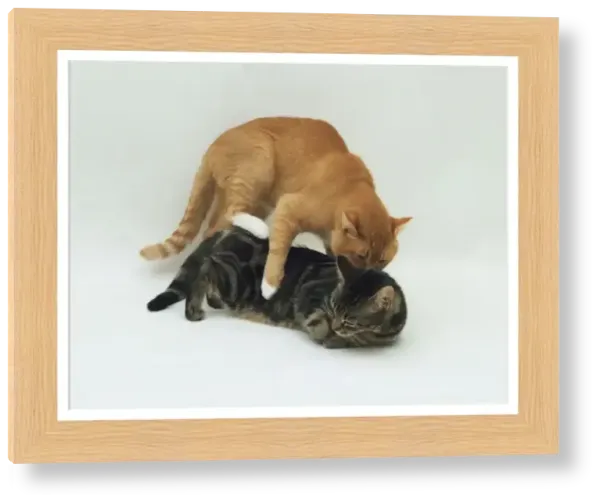
Male cats often follow females closely during courtship. They may rub against her or chase playfully. Females might roll on the ground to show interest. These actions signal a willingness to mate.
Both cats use scent to communicate. Males mark territory with urine to attract females. Females release pheromones from their bodies to invite males. This chemical exchange plays a key role.
Vocalizations During Mating
Cats use different sounds during mating rituals. Females often yowl loudly to signal heat. Males respond with soft meows or purrs. These sounds help cats locate each other.
The vocalizations can be intense and last for minutes. They express excitement, readiness, or sometimes frustration. This noisy communication is part of the mating dance.
Physical Gestures
Physical gestures are vital in cat mating rituals. Females may raise their tails or arch their backs. Males show dominance by standing tall and puffing fur. Gentle head butts or nuzzles are common.
During mating, the male bites the female’s neck gently. This bite holds her in place without harm. These gestures ensure successful mating and bond the pair briefly.
Male Cat Behavior
Male cats show distinct behaviors during mating season that reveal their instincts and social dynamics. Understanding these behaviors helps you better manage your cat’s interactions and environment. Observing male cats can sometimes feel like watching a silent drama unfold, full of signals and contests.
Territorial Marking
Male cats mark their territory to signal ownership and ward off rivals. They do this by spraying urine on vertical surfaces or rubbing their cheeks on objects to leave scent marks. These actions communicate to other cats that the area is taken, which can reduce conflicts if respected.
If your male cat suddenly starts spraying indoors, it’s often a sign of stress or nearby competition. Providing a safe, secure environment and plenty of resources can help reduce this behavior. Have you noticed your cat marking specific spots repeatedly? That’s a clue about what he considers his territory.
Competition Among Males
When multiple male cats are interested in the same female, competition can become intense. They might engage in vocal battles, chase each other, or even fight physically to establish dominance. These contests determine who has the best chance to mate.
Sometimes, dominant males will guard females closely, refusing access to others. If your male cat is showing aggressive behavior, it might be related to this natural urge. How do you handle your cat during these tense moments? Giving them extra attention and ensuring they have their own space can help.
Scent Communication
Scent is a crucial part of how male cats communicate during mating season. They use glands on their face, paws, and tail base to leave chemical messages. These scents convey information about their health, status, and reproductive readiness.
Have you ever noticed your cat rubbing his face on you or furniture? This is more than affection; it’s a way of marking with his unique scent. Understanding this can deepen your bond and help you read his needs better.

Credit: www.mediastorehouse.com.au
Female Cat Behavior
Female cats show unique behaviors during mating season. Their actions help attract mates and decide if they accept or reject suitors. These behaviors also guide what happens after mating. Understanding these patterns reveals much about feline nature.
Attracting Mates
Female cats use vocal sounds to draw attention. Loud, persistent meows signal they are ready to mate. They also spray scents from glands to mark territory.
Body language plays a key role. Females often raise their hindquarters and move their tails aside. This posture invites male cats to approach and interact.
Acceptance And Rejection
A female cat may show acceptance by staying close to a male. She may purr softly or rub against him. These signs encourage the male to proceed.
Rejection happens if the female is not ready or dislikes the male. She may hiss, scratch, or walk away. These clear signals stop unwanted advances quickly.
Post-mating Actions
After mating, females often clean themselves thoroughly. This behavior helps remove any scents left behind. They might also become restless or hide to avoid other males.
Some females continue to call out to attract more mates. This increases the chance of successful reproduction. The cycle may repeat until the female is no longer in heat.
Signs Of Successful Mating
Recognizing the signs of successful cat mating helps you understand your pet’s natural behavior better. It also ensures you can monitor her health and readiness for pregnancy. Knowing what to look for after mating can save you from unnecessary worry or missed medical care.
Behavioral Changes
After mating, female cats often show noticeable shifts in their behavior. They may become more affectionate, seeking extra attention from you. Some cats might appear restless or pace around the house more than usual.
You might observe a sudden decrease in vocalizations compared to the loud calling during their heat. Also, females often start nesting behaviors, such as scratching at soft blankets or quiet corners. These actions suggest she’s preparing for potential kittens.
Physiological Indicators
Physiological signs give clearer clues about successful mating. One common indicator is a slight swelling or redness around the vulva, which can last a few days after mating. You might also spot a small amount of spotting or discharge, which is normal.
Another sign is a change in appetite; some females eat less immediately after mating but regain normal eating habits within a couple of days. If your cat shows these signs, it’s a good idea to schedule a vet visit for confirmation and advice on care.
Have you noticed your cat acting differently after mating? Paying close attention to these behavioral and physical signs helps you support her through this important stage.
Credit: www.kinship.com
Managing Cat Mating
Managing cat mating is essential for responsible pet ownership. It helps prevent health issues, reduces the number of unwanted kittens, and controls behavioral problems. Understanding the right steps to take can make a big difference in your cat’s well-being and your household harmony.
Spaying And Neutering Benefits
Spaying and neutering your cat offers numerous advantages beyond preventing pregnancy. These procedures can lower the risk of certain cancers and infections, making your cat healthier in the long run.
Neutered males often become less aggressive and less likely to roam, reducing chances of injury. Spayed females avoid heat cycles, which means less yowling and restless behavior around your home.
Consider how your cat’s personality could improve with these surgeries. You might notice a calmer, more affectionate companion after the recovery period.
Controlling Unwanted Litters
Unplanned litters can quickly overwhelm your resources and create stress for both you and your pets. Preventing these litters protects cats from the risks of outdoor mating and reduces the number of homeless kittens.
Keeping your cat indoors during heat cycles is one way to avoid accidental breeding. Combining this with spaying or neutering is the most effective approach.
Ask yourself—how would an unexpected litter impact your ability to care for your cats? Planning ahead helps avoid difficult situations and ensures every kitten gets a loving home.
When To Separate Cats
Knowing when to separate male and female cats is critical during mating seasons. If you notice a female in heat, it’s time to keep her apart from intact males to prevent unwanted mating.
Watch for signs like increased vocalization, restlessness, and rubbing against objects. These indicate your female cat is ready to mate and should be monitored closely.
Separating cats doesn’t have to be stressful. Creating separate safe spaces with food, water, and litter boxes can ease the process and keep your cats comfortable until the heat passes.
Health Considerations
Understanding health considerations is key to supporting cats during mating. Proper care helps avoid risks and keeps cats strong. Focus on disease prevention, nutrition, and regular veterinary visits. These areas ensure a safer experience for both male and female cats.
Preventing Diseases
Diseases spread easily during mating. Common infections include feline leukemia and feline immunodeficiency virus. Testing cats before mating reduces risks. Avoid mating cats with unknown health backgrounds. Quarantine new cats for a few weeks. Clean the environment regularly to limit germs. Watch for signs like discharge, lethargy, or loss of appetite.
Nutritional Needs
Proper nutrition supports energy and reproductive health. Female cats need more calories during heat and pregnancy. Protein-rich food helps tissue repair and fetal growth. Provide fresh water at all times. Supplements may be necessary under vet advice. Balanced diets prevent complications and improve kitten health. Monitor weight to avoid underfeeding or obesity.
Veterinary Care
Routine vet check-ups detect issues early. Vaccinate cats against common diseases before mating. Deworming helps prevent internal parasites. Spaying and neutering control unwanted litters and reduce health risks. Discuss mating plans with your vet. Emergency care may be needed after difficult births. Keep medical records updated for future reference.
Frequently Asked Questions
What Are Common Signs Of Cat Mating Behaviour?
Cats show loud vocalizations, restlessness, and rubbing against objects during mating season. Female cats may display increased affection and rolling on the ground. Male cats often patrol and mark territory. These behaviours help attract mates and indicate readiness to breed.
How Long Does Cat Mating Behaviour Typically Last?
Cat mating behaviour usually lasts from a few days up to two weeks. The female cat is in heat during this period, showing signs every few days. Mating attempts can occur multiple times until the female accepts the male.
Why Do Cats Vocalize Loudly During Mating Season?
Cats vocalize loudly to attract potential mates and communicate availability. Female cats’ yowling signals they are in heat. Male cats also vocalize to warn rivals and assert dominance. This vocal behaviour is essential for successful breeding.
Can Unspayed Cats Show Mating Behaviour Indoors?
Yes, unspayed cats can show mating behaviour indoors. They may yowl, spray, and act restless. Indoor cats still experience hormonal cycles and mating instincts. Spaying prevents these behaviours and unwanted pregnancies.
Conclusion
Cat mating behavior shows how cats communicate and interact naturally. Male cats often compete to attract females. Female cats use sounds and body language to signal readiness. Understanding these signs helps owners care for their pets better. Mating can be noisy and active, but it is normal.
Watching these behaviors teaches us about cat instincts and nature. Respecting their natural cycle keeps cats healthy and happy. Knowing more about cat mating helps prevent unwanted litters. It also supports responsible pet ownership and care.
