

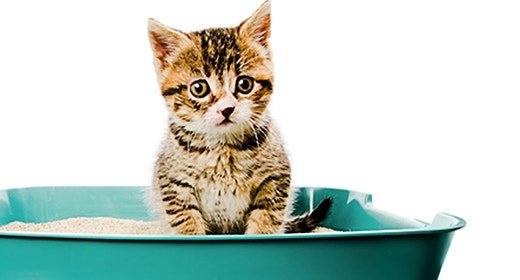
Getting your kitten to use the litter box might feel like a challenge, but it doesn’t have to be. You want a clean home and a happy, healthy pet, right?
Teaching your kitten to use the litter box is the first step to making that happen. You’ll discover simple, effective tips that make litter training easy and stress-free for both you and your furry friend. Keep reading, and you’ll be surprised how quickly your kitten learns this important skill.
Credit: vetic.in
Choosing The Right Litter Box
Choosing the right litter box plays a big role in training kittens. The box should feel safe and easy to use. Picking the perfect one helps kittens learn fast. It also keeps your home clean and fresh.
Consider size, material, and style before buying. Each factor affects kitten comfort and acceptance. A good litter box fits both the kitten and your space well.
Size And Accessibility
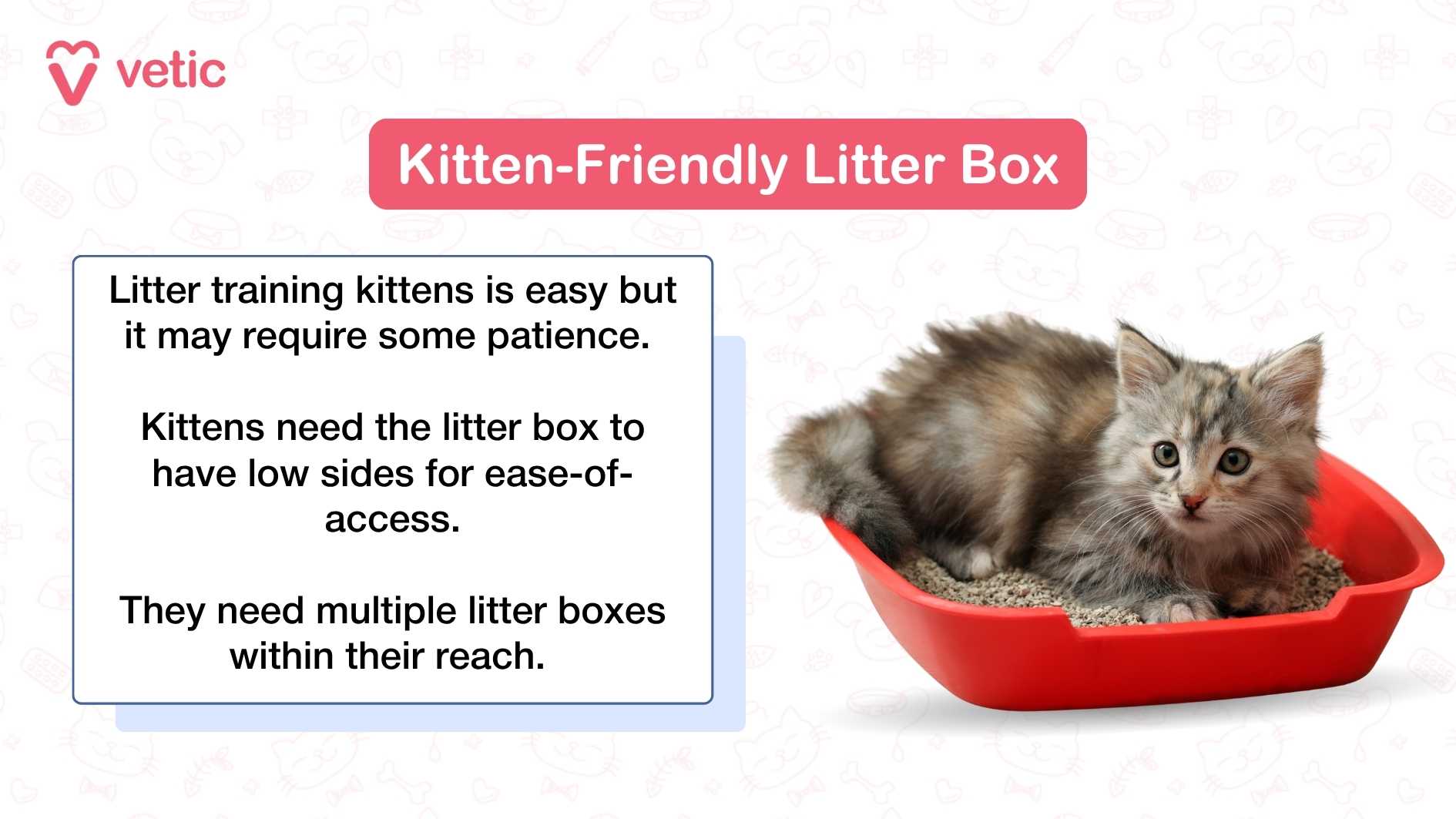
Kittens need a box that is easy to enter and exit. A box too tall can scare them away. Choose one with low sides for young kittens.
Make sure the box is big enough for the kitten to turn around. A small box might trap waste outside. A larger box gives more room for movement.
Material Options
Most litter boxes are plastic. Plastic is light and easy to clean. Avoid metal or wood as they can be hard to wash.
Look for smooth surfaces inside the box. This stops litter from sticking. Some boxes have antimicrobial coatings to reduce odor.
Covered Vs. Uncovered Boxes
Covered boxes offer privacy and reduce smell. They also keep litter from scattering. Some kittens feel trapped and avoid covered boxes.
Uncovered boxes give more air and light. They are easier to enter and exit quickly. Watch your kitten’s choice and comfort with each type.
Selecting Suitable Cat Litter
Choosing the right cat litter is key to successful litter training for your kitten. The right litter not only encourages good habits but also keeps your home fresh and clean. Your choice can affect how quickly your kitten adapts to using the litter box consistently.
Types Of Litter
There are several types of cat litter available, each with unique features. Clay-based litter is common and affordable, but it can be dusty and heavy. Natural options like wood, corn, or wheat litters are biodegradable and gentler on your kitten’s paws.
Silica gel litter offers excellent odor control and low dust, but some cats might not like its texture. Trying a small amount of different litters can help you find what your kitten prefers. Have you noticed how your kitten reacts to different textures? That reaction can guide your choice.
Scented Vs. Unscented
Scented litters mask odors with fragrances, but many kittens find strong smells overwhelming. Unscented litters provide a more natural environment, often making kittens more comfortable. If your kitten hesitates to use the box, scent could be the cause.
Consider your own sensitivity as well—some scented litters can irritate human noses too. Your goal is a balance between odor control and comfort for both you and your pet. Could an unscented option be the simple solution you need?
Clumping Benefits
Clumping litter forms solid clumps when wet, making daily cleaning easier. This keeps the box cleaner and reduces odor quickly, which helps maintain a fresh environment for your kitten. Non-clumping litter needs full replacement more often, which can be less convenient.
Many cat owners find clumping litter helpful in spotting your kitten’s health issues early, such as changes in urine. However, some kittens may initially dislike the texture. Have you tried switching to clumping litter and noticed a difference in your kitten’s behavior?
Preparing The Litter Area
Getting your kitten comfortable with their litter box starts with setting up the right area. The space you choose affects how quickly your kitten learns and how often accidents happen. Thoughtful preparation can save you time and keep your home clean.
Location Matters
Pick a spot that’s easy for your kitten to reach but not too close to their food or water bowls. Kittens prefer a separate, dedicated space for their bathroom needs. If the litter box is tucked away somewhere hard to find, your kitten might avoid it altogether.
Think about where your kitten spends most of their time and place the litter box nearby. This helps them make the connection between the space and their bathroom habits faster.
Quiet And Private Spot
Kittens need privacy to feel safe while using the litter box. Loud noises or high traffic areas can scare them away. Choose a quiet corner where your kitten won’t be startled by sudden sounds or lots of activity.
One cat owner I know found that placing the litter box behind a small screen gave their kitten the perfect balance of privacy and accessibility. Could a simple barrier help your kitten feel more comfortable?
Easy To Clean Setup
Set the litter box on a surface that’s easy to clean, like tile or linoleum. Avoid placing it on carpet, which can trap odors and stains. You want to make cleaning quick and hassle-free to keep the area fresh.
Consider using a litter mat around the box to catch stray litter and reduce mess. Cleaning becomes less of a chore, and your kitten will appreciate the tidy environment too.
Introducing Kittens To The Litter Box
Introducing kittens to the litter box is an important first step in their training. A calm and patient approach helps kittens learn quickly. Early introduction makes the process smooth and natural for them.
Start by placing the litter box in a quiet, easy-to-access spot. Let the kitten explore it without pressure. This helps reduce fear or confusion around the box.
First Exposure Tips
- Show the litter box to the kitten shortly after they arrive.
- Gently place the kitten inside the box to let them feel the texture.
- Keep the box clean and filled with kitten-friendly litter.
- Use a low-sided box to allow easy access.
- Stay nearby to offer comfort and reassurance.
Encouraging Use
- Place the kitten in the box after meals and naps.
- Praise softly when the kitten uses the box.
- Keep the box in the same spot to build habit.
- Limit access to other areas until litter training is consistent.
- Use gentle, positive tone to motivate the kitten.
Handling Accidents
- Clean accidents quickly with an enzyme cleaner to remove odor.
- Avoid punishment or harsh words; it may scare the kitten.
- Redirect the kitten gently to the litter box.
- Check if the box is clean and accessible.
- Monitor for any health issues if accidents continue.
Maintaining Cleanliness
Keeping your kitten’s litter box clean is key for good habits. Cleanliness helps prevent odors and keeps your kitten healthy. It also encourages your kitten to use the litter box regularly. Establishing a routine makes it easier to manage and keeps your home fresh.
Daily Scooping
Scoop the litter box every day. Remove clumps and solid waste to keep the box tidy. This stops smells from building up and keeps the area inviting. Use a scoop with holes to let clean litter fall back.
Regular Cleaning Schedule
Wash the litter box with mild soap once a week. Rinse well to remove soap traces. Dry the box completely before adding new litter. This prevents bacteria and keeps the box fresh.
Replacing Litter
Change all the litter every two to three weeks. Use the right amount of fresh litter each time. Too little litter may cause messes outside the box. Too much litter wastes material and can be messy.
Credit: www.whiskas.com.ph
Troubleshooting Common Issues
Troubleshooting common issues during kitten litter training helps keep the process smooth. Some kittens may avoid the box or use it inconsistently. Others might have health problems that affect their habits. Identifying these problems early ensures a clean home and a happy kitten.
Avoiding Litter Box Aversion
Kittens may avoid the litter box for various reasons. The box might be dirty or placed in a noisy area. The litter type can also cause discomfort. Use unscented, soft litter and clean the box daily. Place it in a quiet, accessible spot. Provide a shallow box for small kittens to enter easily.
Dealing With Inconsistent Use
Some kittens use the litter box sometimes and miss it other times. This inconsistency can confuse owners. Keep the box in the same place. Reward kittens with gentle praise after each correct use. Avoid punishment. Make sure the box is large enough as kittens grow. Multiple boxes in different rooms help if space is large.
Health Concerns And Vet Visits
Sudden changes in litter habits may signal health issues. Urinary tract infections or digestive problems cause discomfort. Watch for straining, blood, or unusual behavior. Early vet visits catch problems before they worsen. Regular check-ups keep kittens healthy and litter trained. Always mention litter issues during vet visits.
Reinforcing Good Habits
Reinforcing good habits is key to successful kitten litter training. Kittens learn best through positive experiences and clear guidance. Encouragement helps build their confidence and makes them eager to repeat the right behavior.
Consistency and attention to their habits also play a big role. Keeping a steady routine and watching for changes can prevent accidents and promote quick learning. Patience and understanding are important as kittens adjust to their new habits.
Positive Reinforcement
Praise your kitten immediately after using the litter box. Use gentle words or soft petting to show approval. Small treats can also motivate kittens to continue good behavior. Avoid punishment, as it can cause fear and confusion.
Consistency In Routine
Keep the litter box in the same quiet spot. Scoop it daily to maintain cleanliness. Feed your kitten at regular times to create predictable bathroom times. A steady routine helps kittens understand what is expected.
Monitoring Behavior Changes
Watch your kitten for signs of discomfort or accidents. Changes in litter habits can indicate health issues or stress. Act quickly if problems arise to avoid bad habits forming. Regular checks help keep training on track.

Credit: www.reddit.com
Frequently Asked Questions
How Long Does It Take To Litter Train Kittens?
Kittens usually learn litter training within one to two weeks. Consistency and patience speed up the process. Early introduction to the litter box helps kittens adapt quickly and develop good habits.
What Type Of Litter Is Best For Kittens?
Unscented, clumping, and non-toxic litter is best for kittens. It’s gentle on their paws and easy to clean. Avoid clays or scented litters that may irritate sensitive kittens.
How Often Should I Clean The Kitten’s Litter Box?
Clean the litter box daily to maintain hygiene and encourage use. Regular cleaning reduces odors and prevents litter box aversion. Deep clean weekly with mild soap and water.
Can I Use Multiple Litter Boxes For Kittens?
Yes, providing multiple litter boxes helps kittens learn faster. Place boxes in quiet, accessible locations to reduce accidents. This is especially important if you have multiple kittens.
Conclusion
Training kittens to use cat litter takes patience and care. Start early and keep the litter box clean. Praise your kitten when they use it right. Watch closely and guide gently if they stray. Consistency helps kittens learn faster. A calm, quiet place for the box works best.
Soon, your kitten will use the litter confidently. Small steps lead to good habits. Enjoy the process and your cleaner home.
