


Have you ever thought about what would happen if your beloved cat needed unexpected medical care or if something happened to you? Just like people, cats can face costly emergencies that catch you off guard.
That’s where cat life insurance comes in. It’s not just about peace of mind—it’s about protecting your furry friend and your wallet when the unexpected strikes. Keep reading to discover how cat life insurance can make a real difference for you and your pet’s future.
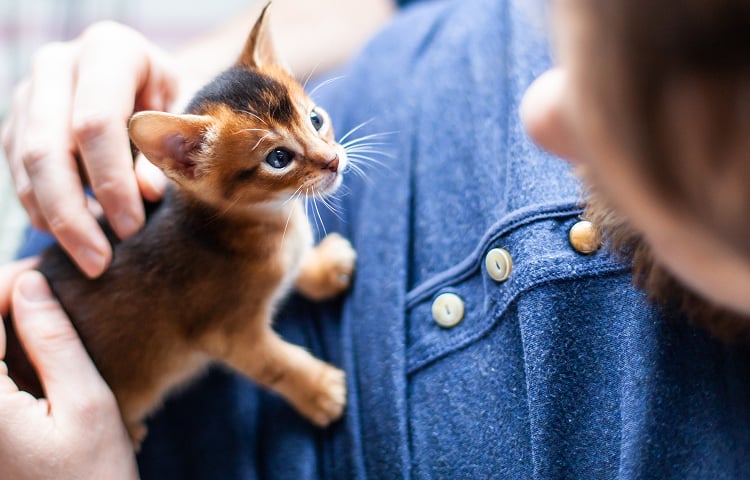
Credit: www.healthypawspetinsurance.com
Why Cat Insurance Matters
Caring for a cat means more than feeding and playing. Health issues can arise without warning. Cat insurance helps manage these risks. It supports your pet’s health and your budget. Understanding why cat insurance matters can guide better choices for your furry friend.
Common Health Risks For Cats
Cats face many health challenges. Some are common, like:
- Infections and parasites
- Dental disease
- Kidney problems
- Diabetes
- Injuries from accidents
- Chronic conditions like arthritis
Early treatment can improve outcomes. Insurance helps cover vet visits and tests. This support makes caring easier.
Financial Benefits Of Coverage
Veterinary bills can be costly. Emergency care and surgeries add up fast. Insurance spreads these costs over time. It reduces the stress of unexpected expenses.
With coverage, you pay less out of pocket. This helps you give better care without worry. Plans often cover:
- Routine checkups
- Vaccinations
- Illness treatments
- Accident care
Peace Of Mind For Owners
Insurance offers calm in stressful times. Knowing help is there lets you focus on your cat. No second guessing about costly treatments.
It gives confidence in making quick decisions. Your cat gets timely care without delay. This peace of mind strengthens your bond.

Credit: aigift.alibaba.com
Types Of Cat Insurance Plans
Choosing the right cat insurance plan helps protect your pet’s health and your wallet. Various plans cover different needs. Understanding these types makes selecting easier. Here are the main types of cat insurance plans you can consider.
Accident-only Policies
Accident-only policies cover injuries from accidents. These include broken bones, cuts, and poisoning. They do not cover illnesses or routine care. These plans usually have lower premiums. Ideal for cats that rarely get sick.
Comprehensive Coverage
Comprehensive coverage protects against accidents and illnesses. It covers surgeries, infections, and chronic conditions. This plan may include hospital stays and medications. Premiums are higher but offer broader protection. Good for cats with higher health risks.
Wellness And Preventive Care
Wellness plans cover routine visits and preventive care. Vaccinations, dental cleanings, and annual exams are included. Some plans cover flea and tick treatments. These reduce long-term health risks. Often added as a separate or bundled option.
Choosing The Right Policy
Choosing the right cat life insurance policy is more than just picking the cheapest option. It means understanding what coverage suits your cat’s needs and fits your budget. This decision affects how well you can care for your feline friend when unexpected health issues arise.
Evaluating Coverage Options
Look closely at what each policy covers. Some focus on accidents only, while others include illnesses, routine care, or even hereditary conditions. Ask yourself, does your cat have any breed-specific risks that need extra protection?
Also, check if the policy reimburses vet bills fully or partially. Some cover emergency visits but exclude wellness exams. Knowing these details helps you avoid surprises later.
Comparing Costs And Deductibles
Cost isn’t just the monthly premium. You must also consider deductibles and co-pays. A lower premium might come with a high deductible, meaning you pay more out of pocket before insurance kicks in.
Think about how often your cat sees the vet. If visits are rare, a higher deductible might save you money. But for cats needing frequent care, a lower deductible and higher premium might be better.
Checking Provider Reputation
Research the insurance company’s reputation for customer service and claim processing. Online reviews and ratings can reveal how smoothly claims are handled. Have you ever waited weeks for a claim to be approved?
Also, ask fellow pet owners about their experiences. Reliable providers keep you informed and pay claims promptly, reducing your stress during tough times.
Credit: www.onedegree.hk
How Claims Work
Understanding how claims work is key to using cat life insurance smoothly. This process ensures that you get the support your cat needs after you file a claim. Knowing the steps helps you avoid confusion and delays.
Filing A Claim Process
Start by contacting your insurance provider. They will give you the claim form to fill out. Provide details about your cat’s treatment and attach any bills or receipts. Submit all documents as soon as possible. Keep copies of everything for your records. The insurer will review your claim and notify you about the decision.
Reimbursement Methods
Insurance companies usually pay you back in one of two ways:
- Direct deposit to your bank account
- Check sent via mail
Payments can take a few days to a few weeks. The method depends on the insurer’s policy and your preference.
Common Claim Issues
Delays or denials happen often. Reasons include missing documents or incorrect forms. Sometimes, the treatment is not covered under the policy. Another common issue is late submission of claims. Always check your policy terms carefully. Contact customer service if you face any problems. Clear communication helps resolve issues faster.
Tips For Lowering Premiums
Lowering cat life insurance premiums helps save money over time. Smart choices and care reduce costs. Understanding key factors allows better decision-making. Simple actions lead to lower monthly payments.
Age And Breed Factors
Young cats usually have lower premiums. Older cats face higher rates due to health risks. Breed affects costs as some face more health issues. Purebred cats often cost more to insure. Mixed breeds tend to have lower premiums.
Maintaining Cat Health
Regular vet visits prevent serious illnesses. Vaccinations and parasite control keep cats healthy. Feeding a balanced diet supports long-term wellness. Exercise helps maintain a healthy weight. Healthier cats mean fewer claims and lower premiums.
Bundling With Other Policies
Combine cat insurance with other pet or home policies. Insurance companies offer discounts for bundled plans. Bundling simplifies payments and reduces overall costs. Check with providers for available bundle options. This strategy cuts expenses without losing coverage quality.
Real Stories From Cat Owners
Cat owners often face unexpected challenges. Many share stories about how cat life insurance helped them. These real experiences show the importance of being prepared.
Unexpected Vet Bills
One owner found a sudden illness cost thousands. Vet bills added up fast. Insurance helped cover most expenses. Without it, the cost would have been hard to manage.
Another owner’s cat had an accident at home. Emergency surgery was needed immediately. Insurance paid for surgery and follow-up care. This relief allowed the owner to focus on the cat’s recovery.
Benefits Of Early Coverage
Starting insurance early saved money for many owners. Younger cats often get lower premiums. Coverage before any health issues means fewer exclusions.
One owner enrolled their kitten at eight weeks. When the cat grew, some health problems appeared. Insurance covered treatments fully since the cat was insured early.
Lessons Learned
Many owners wish they bought insurance sooner. Vet costs can rise quickly and without warning. Having insurance avoids tough financial decisions during emergencies.
Owners also learned to read policies carefully. Knowing what is covered prevents surprises. Some found add-ons helpful for extra protection.
Frequently Asked Questions
What Is Cat Life Insurance And How Does It Work?
Cat life insurance covers your pet’s health, accidents, or death. It reimburses veterinary costs or pays a lump sum. Policies vary, so choose one that suits your cat’s age and health needs.
Why Should I Consider Life Insurance For My Cat?
Life insurance helps manage unexpected vet bills or losses. It provides financial support during emergencies and ensures your cat’s care without stress. It’s useful for expensive treatments or sudden accidents.
What Does Cat Life Insurance Typically Cover?
Coverage often includes accidents, illnesses, surgeries, and sometimes death benefits. Some policies cover routine care or hereditary conditions. Check the policy details to understand what’s included and excluded.
How Much Does Cat Life Insurance Usually Cost?
Costs depend on your cat’s age, breed, and health. Monthly premiums generally range from $10 to $40. Older cats or pre-existing conditions may increase the price.
Conclusion
Cat life insurance helps protect your pet and your wallet. It covers medical bills and unexpected expenses. This support brings peace of mind during tough times. Choosing the right plan depends on your cat’s needs and your budget. Think about your cat’s health and age before deciding.
Protect your furry friend with a simple, smart choice. Caring for cats means planning for their future too. A little effort now can save stress later. Keep your cat happy and healthy with proper care.
