

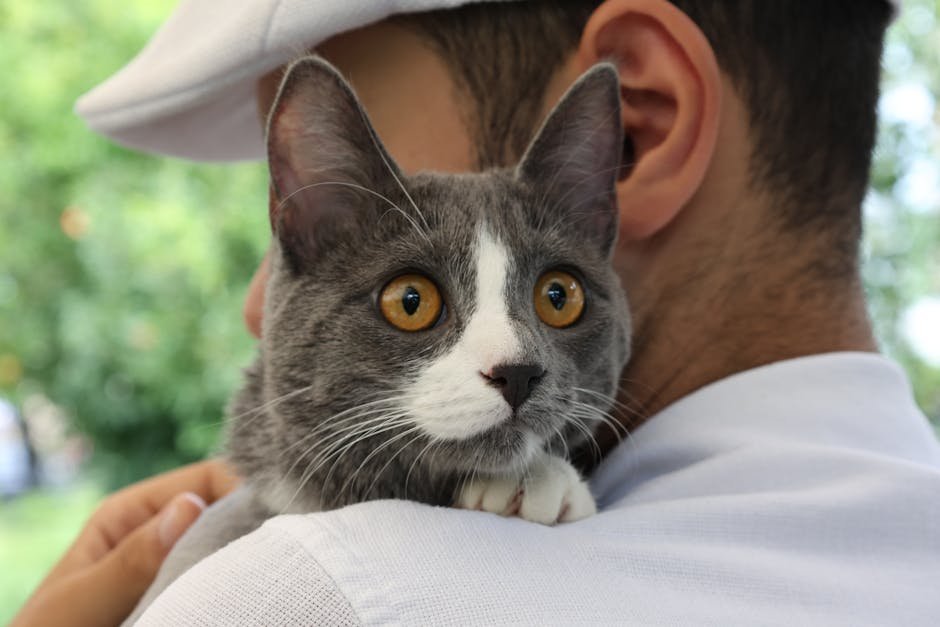
Are you wondering if cat insurance is really worth it for your furry friend? You love your cat and want the best care possible, but unexpected vet bills can quickly add up.
Imagine facing a sudden illness or accident without the financial safety net to handle the costs. Would you feel prepared or stressed? You’ll discover how cat insurance can protect your pet’s health and your wallet. Keep reading to find out if investing in cat insurance makes sense for you and your beloved companion.
Understanding Cat Insurance
Understanding cat insurance helps pet owners make smart choices. It covers costs of vet visits, emergencies, and treatments. Knowing what cat insurance offers can save money and stress.
What Is Cat Insurance?
Cat insurance is a plan that helps pay vet bills. It covers accidents, illnesses, and sometimes routine care. Owners pay a monthly fee called a premium.
Types Of Cat Insurance Coverage
- Accident Only: Covers injuries from accidents like falls or bites.
- Accident and Illness: Covers accidents and common illnesses.
- Comprehensive: Covers accidents, illnesses, and routine care like vaccines.
How Does Cat Insurance Work?
First, owners pay for vet care. Then, they submit a claim to the insurer. The insurer reimburses a part of the costs.
What Does Cat Insurance Usually Cover?
- Emergency care and surgeries
- Chronic illnesses like diabetes
- Medications and diagnostic tests
- Some plans cover dental care and vaccinations
What Is Not Covered By Cat Insurance?
- Pre-existing conditions
- Routine care in basic plans
- Costs for lost or stolen pets
- Breeding or pregnancy-related care
Cost Factors
Understanding the cost factors of cat insurance helps in making smart choices. Prices vary widely based on several elements. Knowing these can save money and avoid surprises later.
Monthly Premiums
Monthly premiums are the regular payments for your cat’s insurance. They depend on your cat’s age, breed, and health. Older cats usually have higher premiums. Some breeds cost more due to health risks. Location and insurer also affect premium prices.
Deductibles And Co-pays
Deductibles are the amounts you pay before insurance helps. Higher deductibles lower monthly premiums but increase out-of-pocket costs. Co-pays are a percentage of treatment costs you cover. Plans with low co-pays may have higher premiums. Choose a balance that fits your budget.
Coverage Limits
Coverage limits set the maximum amount the insurer pays yearly. Some plans have no limits, while others cap payouts. Higher limits mean better protection but often cost more. Check limits on accidents, illnesses, and wellness care. This avoids unexpected costs during emergencies.
Types Of Coverage
Cat insurance offers different types of coverage to protect your pet’s health and your wallet. Knowing these coverage options helps you choose the best plan. Each type covers specific medical needs and treatments.
Accident And Illness
This coverage pays for unexpected injuries and sickness. It includes treatments like surgery, hospitalization, and medication. If your cat breaks a bone or catches an infection, this plan helps cover costs. It does not usually cover routine care or preventive treatments.
Preventive Care
Preventive care plans cover regular health checks and vaccinations. This includes flea and tick control, dental cleanings, and wellness exams. These plans help keep your cat healthy and catch problems early. They usually have lower costs and fewer restrictions.
Chronic Conditions
Chronic condition coverage handles long-term illnesses like diabetes or arthritis. It covers ongoing treatments, medications, and specialist visits. This type helps manage costly, recurring health issues. It provides peace of mind for cats with lasting medical needs.
Benefits Of Insuring Your Cat
Insuring your cat offers more than just a safety net for unexpected health issues. It provides tangible benefits that can make a real difference in how you handle your pet’s medical needs. Understanding these advantages can help you decide if cat insurance fits your lifestyle and budget.
Financial Security
Vet bills can quickly add up, especially during emergencies or chronic illnesses. Insurance helps cover these costs, reducing the financial burden on you. This means you can focus on your cat’s recovery without worrying about immediate expenses.
Think about a time when your cat needed urgent care. Without insurance, would you hesitate because of the high costs? Insurance can prevent such tough decisions by spreading the expense over time.
Access To Advanced Treatments
Some advanced treatments and diagnostics can be expensive but crucial for your cat’s health. With insurance, you’re more likely to opt for these options knowing they won’t break the bank. This can lead to better outcomes and a longer, healthier life for your pet.
Imagine your cat needing a specialized surgery or therapy. Insurance often covers these, giving you access to care that might otherwise be out of reach. This support can make a huge difference in treatment choices.
Peace Of Mind
Having insurance means less stress about potential medical emergencies. You can enjoy your time with your cat without constantly worrying about “what if.”
Knowing you have a plan in place allows you to focus on your cat’s well-being instead of financial fears. Isn’t peace of mind worth considering when it comes to your furry friend’s health?
Choosing The Right Plan
Choosing the right cat insurance plan is key to protecting your pet and your wallet. Each cat is different. Their health needs, age, and lifestyle affect the best plan for them. Taking time to understand your options helps you find coverage that fits well.
Assessing Your Cat’s Needs
Start by thinking about your cat’s health and habits. Older cats may need coverage for chronic illnesses. Active cats might benefit from accident protection. Consider any existing conditions your cat has. This helps avoid surprises later. Also, think about how often your cat visits the vet.
Comparing Providers
Not all insurers offer the same plans or prices. Compare what each provider covers and costs. Look at monthly premiums, deductibles, and reimbursement rates. Check if they cover emergencies, surgeries, or routine care. Some providers offer add-ons like dental or wellness care. Choose a company known for good customer service and fast claims.
Reading The Fine Print
Policies have limits and exclusions. Read the terms carefully. Understand what is covered and what is not. Watch for waiting periods before coverage starts. Check if pre-existing conditions are excluded. See how claim payments work and any claim limits. Knowing these details avoids frustration when you need help most.
Common Misconceptions
Many cat owners hesitate to get insurance because of common misconceptions. These misunderstandings can stop you from protecting your feline friend effectively. Let’s clear up some of the biggest myths around cat insurance so you can make an informed decision.
Too Expensive
Some people believe cat insurance costs too much. But think about the surprise vet bills when your cat suddenly gets sick or injured. Insurance can actually save you money in the long run by spreading out those unexpected costs.
For example, my friend’s cat had an emergency surgery that cost thousands. Insurance covered a big part of it, making the expense manageable. Wouldn’t you want that peace of mind?
Limited Coverage
It’s easy to assume insurance only covers accidents and nothing else. However, many plans include coverage for illnesses, routine care, and even hereditary conditions. Reading the policy details helps you find a plan that fits your cat’s needs.
Ask yourself: Does your cat have any special health needs? Some insurers offer customizable plans to cover exactly what your pet requires. Don’t settle for less just because of a misconception.
Complicated Claims Process
Filing insurance claims may seem like a hassle. But many companies now offer simple online submissions and quick reimbursements. Some even have apps to track your claim status easily.
Imagine needing help during a stressful vet visit—having a smooth claims process can make all the difference. Are you prepared to deal with paperwork when your cat is unwell?
Real-life Examples
Real-life examples can give you a clear picture of whether cat insurance is worth it. Hearing how others handled unexpected vet bills or emergencies helps you imagine what could happen with your own cat. These stories highlight practical benefits and cautionary tales that you can learn from.
Success Stories
One cat owner faced a sudden diagnosis of feline diabetes. Without insurance, the treatment would have cost thousands. Thanks to their policy, most expenses were covered, allowing them to provide ongoing care without financial strain.
Another pet parent’s cat swallowed a toy, requiring emergency surgery. The insurance covered the costly operation and post-op care. This experience showed how insurance can turn a stressful situation into a manageable one.
These stories demonstrate how insurance can protect your budget and help you focus on your cat’s health. Have you considered how you would handle a surprise medical emergency?
Lessons Learned
Some cat owners discovered that not all policies cover pre-existing conditions. Buying insurance early is crucial to avoid gaps in coverage. This timing can save you from high out-of-pocket costs if your cat develops a health issue later.
Others found that choosing a plan with flexible reimbursement options made a big difference. You can decide whether you want a higher monthly premium with low deductibles, or a lower premium with more out-of-pocket costs. Understanding these details helps you pick a plan that fits your budget and needs.
One important lesson is to read the fine print carefully. Some policies exclude certain treatments or medications. Knowing these exclusions upfront prevents surprises when you file a claim.
Have you reviewed the terms of your cat insurance policy thoroughly? Taking time to understand what’s covered can save you headaches down the road.
Maximizing Your Policy
Maximizing your cat insurance policy helps you get the best value. It ensures your cat gets proper care without extra costs. Understanding how to use your policy well keeps surprises low and benefits high. Simple steps can improve your experience and save money in the long run.
Regular Vet Visits
Regular vet visits keep your cat healthy and catch problems early. Insurance may cover some check-ups and vaccinations. Staying up-to-date with visits helps prove your cat’s health history. It also supports claims if your cat needs treatment later.
Keeping Accurate Records
Keep all vet bills, receipts, and medical reports safe. These documents help you file claims quickly and correctly. A clear record shows your cat’s health status over time. It also prevents delays and claim rejections from missing information.
Understanding Policy Updates
Insurance companies can change rules or coverage details. Read all updates carefully to know what is covered now. Some changes may affect your claim limits or waiting periods. Staying informed helps you avoid surprises and plan your cat’s care better.
Frequently Asked Questions
Is Cat Insurance Worth The Cost?
Cat insurance can save you money on unexpected vet bills. It covers accidents, illnesses, and sometimes routine care. If your cat is prone to health issues, insurance is a wise investment.
What Does Cat Insurance Typically Cover?
Most cat insurance plans cover accidents, illnesses, surgeries, and emergency care. Some plans also cover vaccinations and wellness visits. Always check the policy details to understand coverage limits and exclusions.
How Much Does Cat Insurance Usually Cost?
Cat insurance premiums vary based on age, breed, and coverage. On average, expect to pay $20 to $40 per month. Higher coverage and older cats usually increase the cost.
When Should I Get Cat Insurance?
It’s best to get cat insurance when your cat is young and healthy. Early enrollment ensures coverage for future illnesses. Waiting until your cat is sick may result in denial of claims.
Conclusion
Cat insurance can save you money on vet bills. It helps cover unexpected health problems. Peace of mind matters when caring for your cat. Vet visits can be expensive without insurance. It also encourages regular check-ups for your pet. Choose a plan that fits your budget well.
Remember, every cat’s needs are different. Protect your furry friend with smart decisions. Cat insurance offers support during tough times. Consider your cat’s health and your finances too.
