

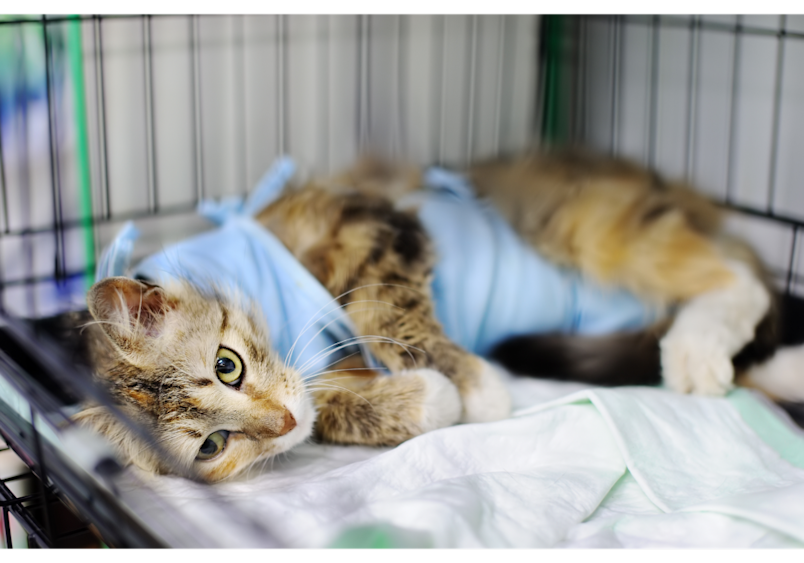
If your cat has a health condition already, finding the right insurance can feel impossible. You want to protect your furry friend without worrying about denied claims or sky-high costs.
What if there was a way to get coverage that actually includes those pre-existing issues? Imagine the peace of mind you’d have, knowing your cat’s health needs are taken care of, no matter what. You’ll discover how cat insurance that covers pre-existing conditions works and how it can help you save money and stress.
Keep reading—your cat’s health and your wallet will thank you.
Credit: www.embracepetinsurance.com
Why Pre Existing Coverage Matters
Pre existing coverage in cat insurance is important for pet owners. It ensures your cat’s health conditions diagnosed before buying insurance get some protection. Without this coverage, many medical costs can become your responsibility. This can cause stress and high expenses.
Understanding why pre existing coverage matters helps you make smart choices. It gives peace of mind and better care for your cat. Knowing what conditions are common and the risks of no coverage is key.
Common Pre Existing Conditions In Cats
- Diabetes
- Arthritis
- Allergies
- Kidney disease
- Heart problems
- Dental disease
These health issues often show up in cats before insurance starts. Many cats live with one or more of these conditions.
Risks Of Uncovered Conditions
Without coverage, treatment costs add up fast. Owners may face:
- High vet bills
- Difficulty affording care
- Delayed treatment
- Stress from unexpected expenses
Ignoring pre existing conditions can lead to worse health problems. This affects your cat’s comfort and longevity.
Benefits Of Inclusive Insurance
Insurance covering pre existing conditions helps manage costs. It allows:
- Regular vet visits
- Access to needed treatments
- Better health monitoring
- Financial relief for owners
This coverage supports a healthier, happier life for your cat. It also gives owners confidence in their pet care choices.
Types Of Cat Insurance Plans
Choosing the right cat insurance plan can feel overwhelming, especially if your furry friend has pre-existing conditions. Different plans offer varying levels of coverage, so understanding what each type covers helps you make an informed decision. Let’s break down the main types of cat insurance plans and see which might fit your needs best.
Accident-only Plans
Accident-only plans cover injuries caused by accidents like falls, bites, or car accidents. These plans usually don’t cover illnesses or ongoing conditions, which can be a limitation if your cat has pre-existing health issues.
However, they tend to be more affordable and can provide peace of mind if you want protection against unexpected accidents. Have you ever faced an emergency vet bill that caught you off guard? Accident-only plans can help avoid those surprise costs.
Comprehensive Plans
Comprehensive plans offer broader coverage, including accidents, illnesses, and sometimes hereditary conditions. Some insurers even offer plans that cover certain pre-existing conditions after a waiting period or under specific terms.
This type of plan often includes diagnostic tests, surgeries, and medications. If your cat has ongoing health problems, a comprehensive plan might save you a lot in vet bills. Would you prefer paying a higher premium for wider coverage or risk out-of-pocket expenses?
Wellness And Routine Care Plans
Wellness plans focus on preventive care like vaccinations, flea control, and annual check-ups. These plans usually don’t cover emergencies or illnesses but are great for keeping your cat healthy.
You can add wellness coverage to other plans or purchase it separately. If your cat needs regular treatments due to a pre-existing condition, wellness plans can help manage routine costs. How much do you spend on your cat’s routine care each year?
How Insurers Handle Pre Existing Conditions
Understanding how insurers manage pre existing conditions helps pet owners choose the right cat insurance. Insurers have different rules on what counts as a pre existing condition. These rules affect coverage and claims. Policies vary widely, so knowing these details is important.
Definition Variations
Insurers do not have a single definition for pre existing conditions. Some see it as any illness or injury before the policy starts. Others include symptoms noticed before coverage begins. This difference changes what conditions get covered.
Examples of pre existing conditions might include:
- Chronic diseases like diabetes
- Past injuries or surgeries
- Ongoing treatments or medications
Waiting Periods And Exclusions
Many insurers set waiting periods for coverage of new conditions. These are times when claims for certain illnesses won’t be paid. Waiting periods often last 14 to 30 days.
Exclusions are conditions that never get covered. Pre existing illnesses usually fall here unless the policy states otherwise. Some insurers exclude related conditions too, even if they arise later.
Case-by-case Approaches
Some insurers review pre existing conditions individually. They may offer partial coverage or higher premiums for cats with health issues. This approach lets pet owners get some help despite past problems.
Insurers might ask for veterinary records or health exams. These help assess risks and decide coverage terms. Case-by-case handling creates more options for cats with health histories.
Top Insurers Covering Pre Existing Conditions
Finding cat insurance that covers pre-existing conditions can feel like searching for a needle in a haystack. However, some insurers stand out by offering plans tailored to cats with health histories. Knowing which companies provide this coverage helps you protect your furry friend without breaking the bank or facing denial of claims.
Plan Features To Look For
When selecting insurance for a cat with a pre-existing condition, focus on these key features:
- Coverage of chronic illnesses:Ensure the plan explicitly includes conditions like diabetes, allergies, or arthritis.
- Waiting periods:Short or waived waiting periods for pre-existing conditions can save you time and stress.
- Reimbursement rates:Look for plans offering high reimbursement percentages to reduce your out-of-pocket costs.
- Lifetime limits:Check if the policy has caps on payouts for ongoing treatment.
These features can make a huge difference in how quickly your claims are accepted and how much you pay over time.
Comparing Coverage Options
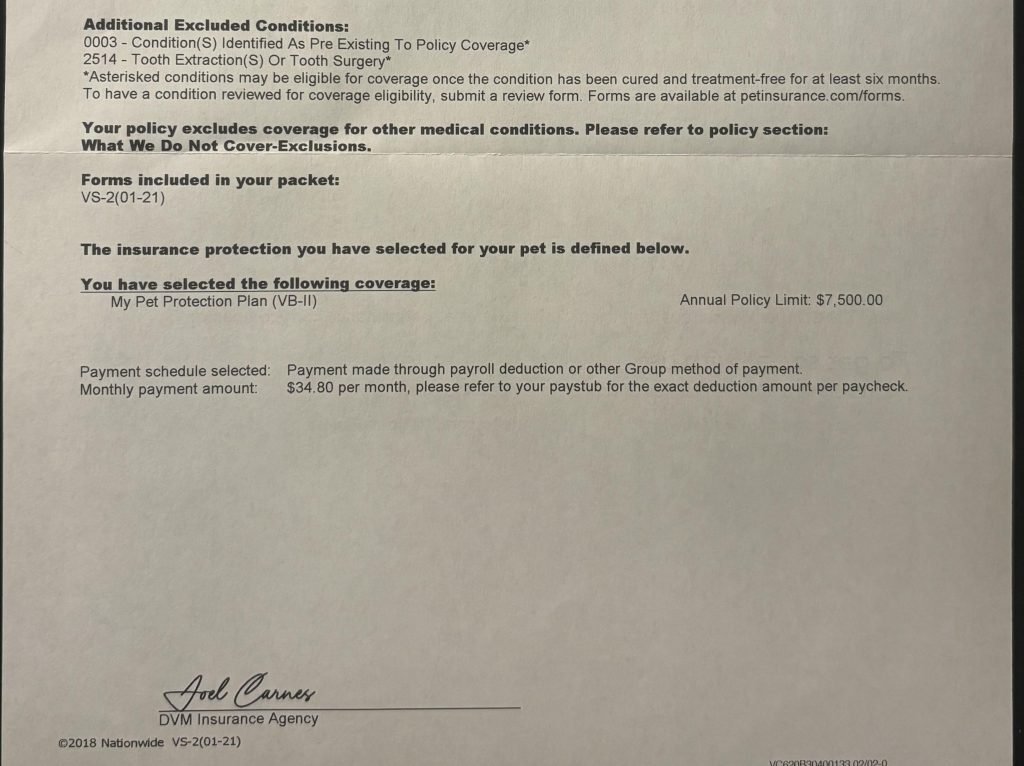
Not all insurers handle pre-existing conditions the same way. Some might cover “curable” conditions after a symptom-free period, while others offer partial coverage or exclude certain illnesses altogether.
| Insurer | Pre-Existing Condition Coverage | Waiting Period | Reimbursement Rate | Annual Limit |
|---|---|---|---|---|
| HealthyPaws | Limited coverage after 12 months symptom-free | 14 days | 90% | No limit |
| Petplan | Partial coverage for some conditions | 14 days | 80% | $20,000 |
| Trupanion | Does not cover pre-existing | 30 days | 90% | No limit |
Which plan aligns best with your cat’s needs? Comparing these details helps you avoid surprises when filing claims.
Customer Reviews And Experiences
Reading real customer feedback reveals how insurers handle claims related to pre-existing conditions. Some users praise companies that quickly approve treatments, while others report frustrating delays or denials.
One cat owner shared how their insurer approved costly allergy treatments after just a few months, making a huge difference in their pet’s quality of life. Another mentioned the hassle of proving their cat’s condition wasn’t excluded, which delayed care.
Have you checked reviews specific to your cat’s condition? Those experiences can guide you toward a provider who truly supports your pet’s health journey.
Cost Factors And Premiums
Understanding the cost factors and premiums of cat insurance that covers pre-existing conditions is essential before making a decision. Insurance providers weigh several elements to determine your premium, especially when your cat has health issues. Knowing what influences these costs helps you find the best value for your coverage.
Impact Of Pre Existing Conditions On Pricing
Pre-existing conditions usually increase the cost of your cat’s insurance. Insurers see these conditions as higher risk, which means they may charge more to cover potential claims. However, not all conditions affect premiums equally—some minor issues might have a smaller impact than serious chronic illnesses.
Have you noticed how some insurers exclude certain pre-existing conditions while others include them? This difference can lead to wide variations in pricing. It’s worth comparing policies carefully to see which conditions are covered and how that changes your premium.
Ways To Save On Premiums
Saving on premiums is possible even with pre-existing conditions. One simple step is to choose a policy that limits coverage to only the conditions your cat currently has, avoiding paying extra for unnecessary coverage.
- Consider annual payment instead of monthly to get discounts.
- Ask for multi-pet discounts if you have more than one cat.
- Keep your cat healthy with routine check-ups to avoid costly claims that might increase premiums later.
Do you regularly review your insurance plan? Sometimes switching plans or providers can lower your premiums without sacrificing coverage.
Deductibles And Reimbursement Rates
Deductibles and reimbursement rates directly affect your out-of-pocket costs. A higher deductible means you pay more upfront before insurance kicks in, but it usually lowers your monthly premium. Conversely, a lower deductible raises your premium but reduces immediate costs when your cat needs care.
Reimbursement rates determine the percentage of vet bills your insurer will pay. For example, if your policy reimburses 80%, you pay 20% of the costs. Balancing deductible amounts with reimbursement rates can help you find a plan that fits your budget and your cat’s needs.

Credit: www.reddit.com
Steps To Apply For Coverage
Applying for cat insurance that covers pre-existing conditions requires careful preparation. Clear steps help secure the best policy for your cat’s needs. This process includes gathering documents, sharing accurate information, and completing applications properly.
Gathering Medical Records
Collect all veterinary records related to your cat’s health. Include vaccination history, treatments, and any diagnosis details. Well-organized records speed up the review process. Keep copies ready to submit with your application. Clear records show the insurer your cat’s medical background.
Honest Disclosure Importance
Share truthful information about your cat’s health history. Hiding facts can cause claim denial later. Full honesty builds trust with the insurance company. Describe any existing health issues accurately. This helps find a plan that truly fits your cat’s condition.
Navigating The Application Process
Read all questions carefully before answering. Provide complete and clear responses to avoid delays. Use the gathered medical records to support your answers. Review the application for errors before submitting. Keep a copy of the completed form for your records.
Tips For Managing Pre Existing Conditions
Managing your cat’s pre existing conditions requires care and attention every day. Proper steps help keep your feline friend healthy and comfortable. Simple routines can make a big difference in their quality of life.
Regular Vet Visits
Frequent check-ups help catch any changes early. Vets monitor your cat’s health and adjust treatments as needed. Keep a record of all visits and tests. This helps track your cat’s progress over time. Early detection prevents problems from getting worse.
Medication And Treatment Plans
Follow your vet’s instructions carefully for all medications. Give the correct dose at the right time. Never stop medicine without consulting your vet. Keep a schedule to avoid missed doses. Note any side effects and report them promptly. Consistency helps manage symptoms effectively.
Lifestyle Adjustments For Cats
Modify your cat’s environment to suit their condition. Provide soft bedding for joint problems. Ensure easy access to food and water. Limit strenuous activities if your cat tires easily. Use calming techniques to reduce stress. Small changes improve comfort and well-being.
Credit: www.lemon8-app.com
Alternatives To Insurance
If your cat has pre-existing conditions, traditional insurance might not be an option. But that doesn’t mean you’re out of choices. Several alternatives can help you manage medical costs without the limitations of standard policies.
Pet Savings Accounts
Setting up a dedicated savings account for your cat’s healthcare can give you peace of mind. You decide how much to put aside each month, building a fund specifically for vet visits, medications, and emergencies. Over time, this can cover unexpected expenses without the hassle of claims or exclusions.
Think about it as your cat’s personal health piggy bank. It requires discipline but offers complete control. Could you start small and increase contributions as needed?
Care Credit And Financing Options
Care Credit and similar financing plans offer another way to handle costly treatments. These services provide credit specifically for health expenses, letting you spread payments over time. This can be especially helpful for sudden surgeries or expensive diagnostics.
Keep in mind the interest rates and terms before you commit. Sometimes, promotional zero-interest periods can make financing affordable. Have you checked if your vet accepts these payment methods?
Charitable Assistance Programs
Many organizations offer financial aid for pet owners struggling with vet bills. These programs often focus on emergencies or chronic conditions and can cover partial or full costs. Searching locally or online can uncover unexpected resources.
Applying might take some paperwork and patience, but it’s worth exploring if costs become overwhelming. Could reaching out to a local animal shelter or charity open doors to assistance?
Frequently Asked Questions
What Is Cat Insurance For Pre-existing Conditions?
Cat insurance for pre-existing conditions covers illnesses or injuries your cat had before policy purchase. It helps manage ongoing treatment costs and reduces financial stress from recurring vet bills.
Can Pre-existing Conditions Be Fully Covered By Cat Insurance?
Most insurers exclude pre-existing conditions, but some offer partial or full coverage. Coverage depends on policy terms and condition stability. Always read fine print carefully before buying.
How To Find Cat Insurance Covering Pre-existing Conditions?
Research insurers specializing in pre-existing condition coverage. Compare policies, coverage limits, and waiting periods. Customer reviews and expert recommendations help identify reliable providers.
Are There Waiting Periods For Pre-existing Condition Coverage?
Yes, many insurers impose waiting periods before covering pre-existing conditions. This period varies by company and condition severity. Check policy details to understand specific waiting times.
Conclusion
Choosing cat insurance that covers pre-existing conditions protects your pet and wallet. It helps manage ongoing health issues without surprise costs. Always read the policy details carefully. Some plans may have waiting periods or limits. Compare options to find the best fit for your cat’s needs.
Peace of mind comes from knowing your cat gets care when needed. This coverage supports your cat’s health throughout its life. Think about your cat’s medical history before buying. Good insurance can make a big difference in emergencies and regular care.
