


If you love your cat, you want to keep them healthy and happy. But what happens when unexpected vet bills, especially for dental care, start to pile up?
You might not realize it, but dental problems in cats can be common and costly. That’s why cat insurance including dental coverage could be a game-changer for you and your furry friend. Imagine having peace of mind knowing your cat’s teeth and overall health are protected without breaking the bank.
Keep reading to discover how this type of insurance can save you money and stress, while giving your cat the care they deserve.
Why Cat Insurance Matters
Cat insurance is a smart choice for pet owners. It helps cover health costs that can add up quickly. Dental care is often overlooked but is very important. Insurance with dental coverage protects your cat’s teeth and overall health. Understanding why cat insurance matters can help you keep your pet safe and healthy.
Common Health Risks For Cats
Cats face many health issues during their lives. Some common problems include:
- Dental disease causing pain and tooth loss
- Infections like upper respiratory illness
- Chronic conditions such as kidney disease
- Injuries from accidents or fights
- Parasite infestations like fleas and ticks
Early treatment is key to managing these risks effectively.
Unexpected Veterinary Costs
Vet bills can be very expensive. Emergency visits and surgeries often cost hundreds or thousands of dollars. Dental treatments like cleaning and extractions add to the cost. Without insurance, these bills can cause financial stress. Insurance helps spread out the cost and makes vet care affordable.
Benefits Of Early Coverage
Buying insurance early offers better protection. Young cats usually have fewer health problems. Coverage starts before expensive treatments are needed. Some policies cover routine dental checkups and cleanings. Early coverage helps catch health issues before they get worse. It also saves money on future vet bills.
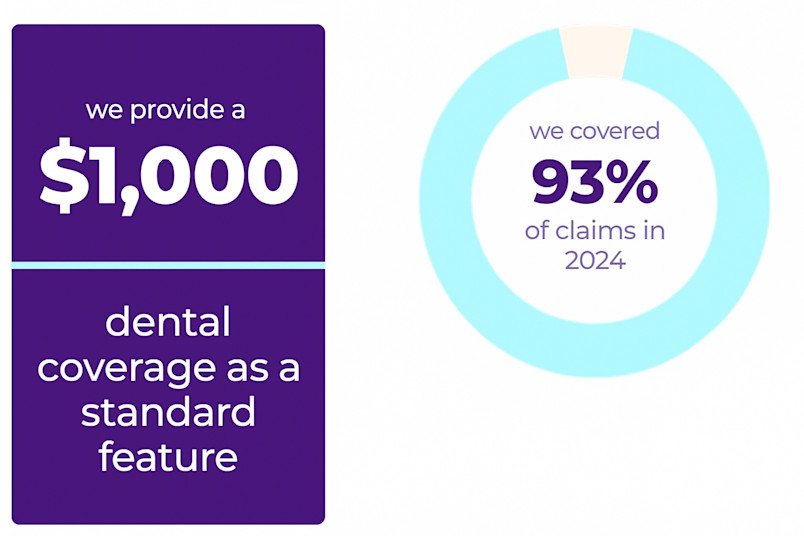
Credit: www.embracepetinsurance.com
Dental Care For Cats
Caring for your cat’s teeth is vital for their health and happiness. Dental problems can cause pain and affect how they eat. Good dental care helps prevent many issues and keeps your cat active. Understanding dental health is key to spotting problems early.
Common Dental Issues
- Gingivitis – inflammation of gums causing redness and swelling
- Periodontal disease – damage to the tissue around teeth
- Tooth resorption – teeth breaking down and disappearing
- Tartar buildup – hardened plaque that can cause infections
- Broken or fractured teeth – often due to injury or chewing hard objects
Impact Of Dental Health On Overall Wellbeing
Poor dental health affects a cat’s appetite and weight. Painful teeth make eating difficult. Bacteria from mouth infections can spread to the heart and kidneys. Healthy teeth support good digestion and energy. Regular dental care improves a cat’s mood and behavior.
Signs Your Cat Needs Dental Attention
- Bad breath that doesn’t go away
- Drooling more than usual
- Difficulty eating or dropping food
- Swollen or bleeding gums
- Pawing at the mouth or face
- Visible tartar or loose teeth
What Cat Insurance Covers
Understanding what cat insurance covers helps you choose the right plan. Insurance protects your cat from unexpected health costs. Coverage varies by provider and plan type. Some plans cover basic health needs while others include dental care and accidents.
Standard Health Coverage
Standard health coverage usually includes:
- Vet visits for illness and injury
- Medications prescribed by the vet
- Diagnostic tests like X-rays and blood work
- Hospital stays and surgeries
This coverage helps with common health issues. It reduces out-of-pocket expenses for treatments and emergencies.
Dental Coverage Options
Dental coverage may be part of some plans or an add-on. It covers:
- Dental exams and cleanings
- Treatment for dental diseases
- Tooth extractions and oral surgery
Good dental care prevents pain and infection. Dental coverage keeps your cat’s teeth healthy and saves money.
Accident And Illness Protection
Accident and illness protection is essential. It covers:
- Injuries from accidents like falls or bites
- Sudden illnesses such as infections or chronic conditions
- Emergency treatments and surgeries
This coverage ensures your cat gets quick care. It helps avoid high bills after unexpected events.

Credit: bowwowinsurance.com.au
Choosing The Right Policy
Choosing the right cat insurance policy, especially one that includes dental coverage, can feel overwhelming. You want to protect your furry friend without paying for unnecessary extras. Focusing on key aspects like coverage limits, exclusions, and cost details helps you find a plan that fits your needs and budget.
Evaluating Coverage Limits
Coverage limits determine how much the insurer will pay for your cat’s treatments, including dental care. Check both the annual maximum and per-incident limits to avoid surprises during costly procedures. For example, if your cat needs a dental cleaning and extractions, a low per-incident limit might leave you footing a large bill.
Think about your cat’s age and health history. Older cats or breeds prone to dental issues might benefit from higher coverage limits. Ask yourself: does the policy cover routine dental check-ups or only emergencies? This can make a big difference in long-term costs.
Understanding Exclusions
Not all treatments are covered, even if the policy mentions dental care. Common exclusions include pre-existing conditions or cosmetic procedures like teeth whitening. Make sure you read the fine print to know what’s off-limits.
Sometimes policies exclude certain dental problems that are considered “normal aging.” This can be frustrating if your cat develops those issues. Would you be comfortable paying out of pocket for these gaps? Clarifying exclusions upfront prevents unwanted bills later.
Comparing Premiums And Deductibles
Premiums are what you pay monthly or annually, while deductibles are the amounts you pay before insurance kicks in. A lower premium often means a higher deductible, and vice versa.
Consider how often your cat visits the vet. If you expect frequent dental visits, a higher premium with a lower deductible might save money overall. Use side-by-side comparisons of policies to weigh these costs clearly.
- Check if the deductible resets annually or per condition.
- Look for policies with flexible payment options.
- Evaluate whether the premium fits your budget without strain.
Choosing wisely means balancing protection with affordability. What trade-offs are you willing to make for your cat’s health and your peace of mind?
How To File A Claim
Filing a claim for your cat insurance, including dental coverage, doesn’t have to be a hassle. Knowing exactly what to prepare and how to submit your claim can save you time and reduce stress. Let’s break down the process so you can focus on your cat’s health without worrying about paperwork.
Required Documentation
Before you start your claim, gather all necessary documents. This usually includes:
- Itemized veterinary billsshowing detailed charges for dental treatments and other services.
- Medical recordsor treatment notes from your vet, especially for dental procedures.
- Proof of paymentlike receipts or bank statements.
- Claim formprovided by your insurance company, filled out accurately.
Missing even one document can delay your claim. Have you ever experienced waiting weeks for reimbursement just because a receipt was missing? Avoid that by double-checking your paperwork before submission.
Claim Submission Process
Most insurers offer multiple ways to submit your claim:
- Online portals:Upload your documents directly on the insurer’s website or app.
- Email:Scan and send your documents to the provided email address.
- Mail:Send physical copies if digital submission isn’t an option.
Choosing the online method often speeds things up. Keep a copy of everything you send, just in case. Have you checked if your insurer provides a tracking option for claims? It helps you stay informed about your claim’s progress.
Tips For Faster Reimbursement
Speeding up your reimbursement depends on a few key actions:
- Complete and accurate forms:Fill out every field carefully to avoid back-and-forth requests.
- Submit promptly:File your claim as soon as possible after your vet visit.
- Follow up:Contact your insurer if you haven’t heard back within their stated timeframe.
Sometimes, a quick phone call can clear up issues faster than waiting for emails. Have you ever found that a little persistence made your claim go through faster? Being proactive pays off when it comes to getting your money back quickly.
Cost Vs. Benefits Of Cat Insurance
Choosing cat insurance with dental coverage means weighing costs against benefits. This insurance helps cover unexpected vet bills and dental care. It protects your cat’s health and your wallet over time.
Estimating Annual Expenses
Annual insurance costs depend on your cat’s age, breed, and health. Plans with dental coverage often cost more than basic ones. Typical yearly premiums range from $150 to $400. Compare this to average vet bills, which can rise quickly with dental problems or accidents.
- Routine check-ups and vaccinations
- Dental cleanings and treatments
- Emergency care and surgeries
These expenses add up. Insurance helps spread the cost evenly throughout the year.
Long-term Savings
Dental issues can lead to costly treatments if untreated. Insurance covers a portion of these expenses. Over several years, savings can be significant. It reduces the chance of skipping care due to high costs. Preventive dental care also keeps your cat healthier longer.
Peace Of Mind For Pet Owners
Insurance gives confidence in handling unexpected health problems. It removes stress about expensive bills. Knowing dental care is included allows better focus on your cat’s well-being. This peace of mind improves your relationship with your pet.

Credit: bowwowinsurance.com.au
Frequently Asked Questions
What Does Cat Insurance Including Dental Cover?
Cat insurance including dental covers accidents, illnesses, and dental treatments. It helps pay for routine and emergency dental care for your cat. This coverage ensures your cat’s oral health is protected along with general health expenses.
Why Is Dental Coverage Important In Cat Insurance?
Dental coverage helps manage costly dental treatments and cleanings. Cats often develop dental diseases that need veterinary care. Including dental coverage saves money and promotes your cat’s overall well-being.
How Much Does Cat Dental Insurance Typically Cost?
Costs vary by provider but average between $10 to $30 monthly. Premium depends on coverage level, cat’s age, and breed. It’s a cost-effective way to avoid expensive dental bills.
Are Pre-existing Dental Conditions Covered In Cat Insurance?
Most policies exclude pre-existing dental conditions. Coverage usually starts after policy activation. Always check policy details to understand dental condition exclusions.
Conclusion
Cat insurance with dental coverage helps protect your pet’s health. It covers routine check-ups and unexpected dental issues. This saves money on costly vet bills later. Healthy teeth mean a happier, pain-free cat. Choose a plan that fits your budget and your cat’s needs.
Regular dental care keeps your cat comfortable and strong. Think of insurance as peace of mind for your furry friend. Taking small steps now can prevent big problems later. Your cat deserves good care every day.
