

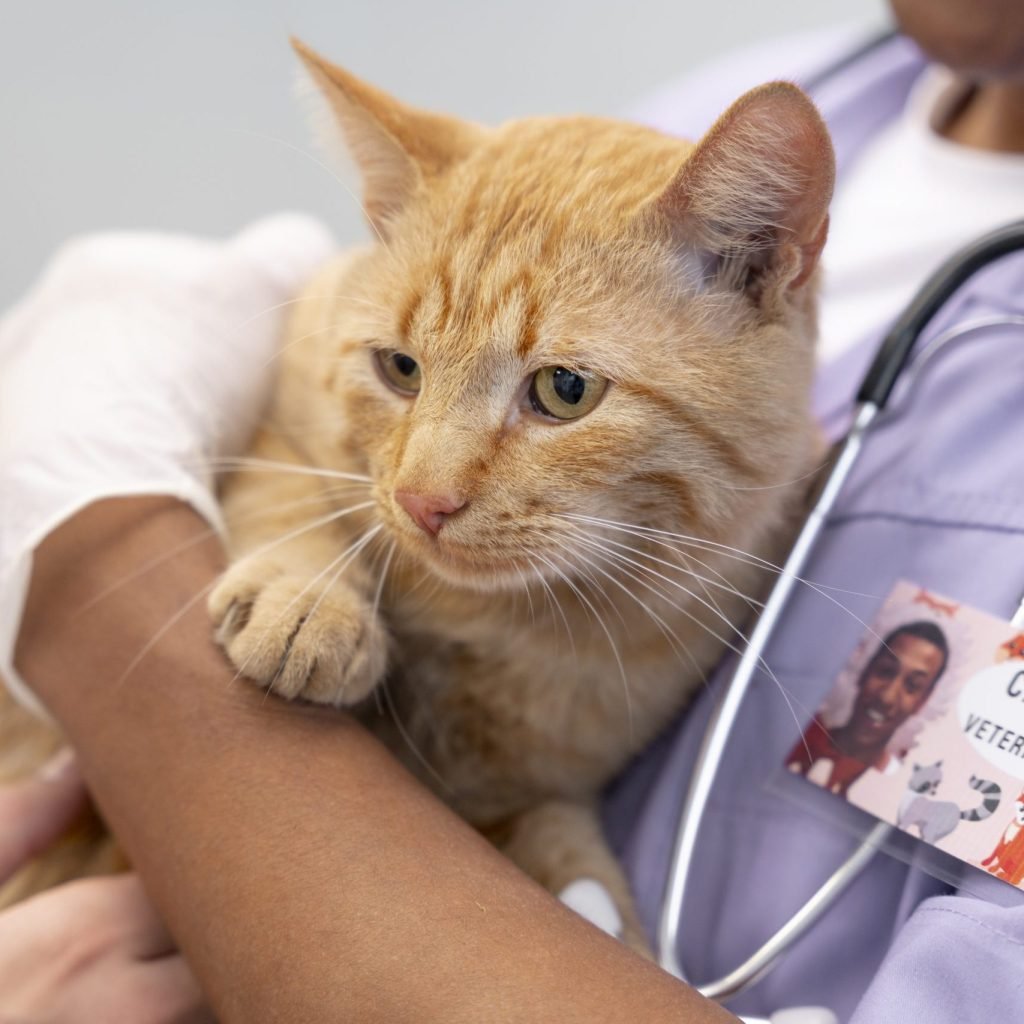
If you have a cat, you want to keep them safe and healthy. But did you know that some illnesses, like FIV (Feline Immunodeficiency Virus), can be costly to treat?
That’s where cat insurance for FIV comes in. Imagine having peace of mind, knowing your furry friend’s medical bills are covered if they ever get sick. You’ll discover what FIV is, why insurance matters, and how to find the best coverage for your cat.
Keep reading to protect your pet and your wallet.
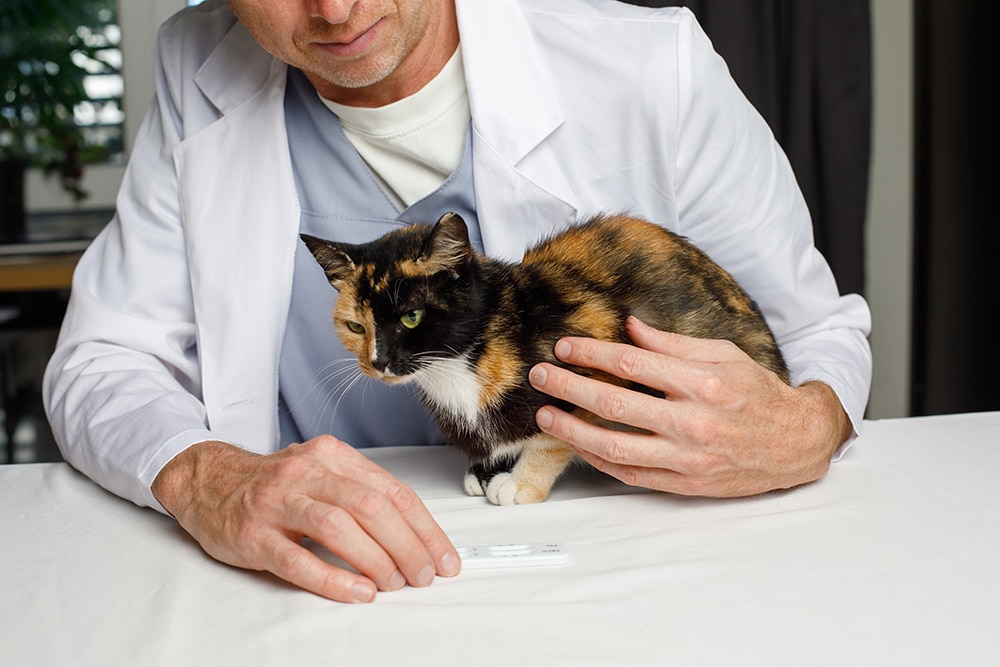
Credit: justcatsclinic.com
Why Cat Insurance Matters
Caring for your cat goes beyond daily meals and playtime. Unexpected health issues can arise, and that’s where cat insurance becomes essential. It protects your furry friend and your finances, giving you peace of mind when veterinary bills come knocking.
Common Health Risks For Cats
Cats face several health risks that can lead to costly treatments. Conditions like kidney disease, diabetes, and dental problems are common and may require ongoing care.
Accidents happen too—falls, bites, or ingestion of harmful substances can require emergency visits. Knowing these risks helps you prepare for the unexpected and keep your cat healthy.
Unexpected Veterinary Costs
Veterinary bills can quickly add up, especially during emergencies. A simple surgery or treatment could cost hundreds or even thousands of dollars.
Without insurance, these expenses come straight from your pocket. Have you ever faced a surprise vet bill? Insurance can ease that financial stress and let you focus on your cat’s recovery.
Benefits Of Early Coverage
Getting insurance early means you avoid coverage gaps and waiting periods for pre-existing conditions. This timing can save you money and provide faster access to care.
Early coverage also means peace of mind from day one. You won’t have to worry about high costs if your cat suddenly needs treatment.

Credit: www.reddit.com
Types Of Cat Insurance Plans
Cat insurance offers different types of plans to suit various needs and budgets. Understanding these plans helps choose the best coverage for your feline friend. Each plan focuses on different aspects of cat health and care.
Accident-only Coverage
Accident-only plans cover injuries caused by accidents. These include broken bones, cuts, or poisonings. This plan does not cover illnesses or routine care. It is usually the most affordable option. Ideal for cats that are generally healthy and active outdoors.
Comprehensive Health Plans
Comprehensive plans cover both accidents and illnesses. They include treatment for diseases, infections, and chronic conditions. This plan often covers surgeries, hospital stays, and medications. It provides broader protection for cats with higher health risks. Monthly premiums are higher but offer peace of mind.
Wellness And Routine Care Add-ons
Wellness add-ons cover routine care like vaccinations and check-ups. They may include flea control, dental care, and spaying or neutering. These add-ons help manage regular health expenses. Many owners combine them with comprehensive plans. It supports long-term health and early problem detection.
Key Features To Look For
Choosing the right cat insurance means paying close attention to certain features that can make a big difference in how well you’re protected and how much you pay. Knowing what to look for helps you avoid surprises when your furry friend needs care. Let’s break down the key features that directly impact your coverage and peace of mind.
Coverage Limits And Caps
Coverage limits tell you the maximum amount your insurer will pay for your cat’s treatments. These can be yearly, per condition, or even per claim limits. For example, if your cat needs surgery, a low coverage cap might leave you covering a large chunk of the bill.
Some plans also have lifetime caps, which means after a certain total amount, you’re on your own. Check if the limits align with the typical costs of veterinary care in your area. Would you be comfortable paying out-of-pocket if the bill exceeds the cap?
Waiting Periods
Waiting periods are the time you must wait after buying insurance before coverage kicks in. They can range from a few days to several weeks depending on the condition. This protects insurers from covering pre-existing illnesses immediately.
Shorter waiting periods mean you get quicker protection, but might come at a higher premium. Ask yourself: How soon do you want your cat covered after signing up? If your cat is young and healthy, a longer wait might be manageable.
Exclusions And Conditions
Exclusions are treatments or conditions the insurance won’t cover. Common exclusions include pre-existing conditions, some hereditary problems, or routine care like vaccinations. It’s crucial to read the fine print so you know exactly what’s excluded.
Some insurers exclude specific breeds or limit coverage for certain illnesses. Have you checked if your cat’s breed has known health issues that might be excluded? Understanding these details helps you avoid gaps in coverage and unexpected costs.
How To Choose The Right Plan
Choosing the right Cat Insurance plan can feel overwhelming, but focusing on what truly matters will help you make a smart decision. It’s about balancing your cat’s unique needs with your budget and the coverage options available. Let’s break down how you can find a plan that fits perfectly without unnecessary extras or gaps.
Assessing Your Cat’s Needs
Start by thinking about your cat’s age, breed, and health history. Older cats or those with chronic conditions might need plans with broader coverage for ongoing treatments.
Consider your cat’s lifestyle too. If your cat is adventurous outdoors, accident coverage is crucial. For indoor cats, illness protection might take priority.
Ask yourself what types of care you want covered: routine check-ups, vaccinations, or emergency care? Knowing this helps you avoid paying for unwanted features.
Comparing Providers And Policies
Look beyond price tags. Check the reputation of insurance companies through reviews and ratings. Reliable customer service can make a huge difference when you file a claim.
Compare what each policy covers and excludes. Some might cover hereditary diseases, while others don’t. Make a side-by-side list to spot key differences quickly.
Pay attention to claim limits, reimbursement rates, and deductibles. Low premiums can come with high out-of-pocket costs, so calculate your potential expenses carefully.
Reading The Fine Print
Never skip the fine print. It contains crucial details about waiting periods, exclusions, and claim procedures.
Check for any restrictions on pre-existing conditions. Many plans won’t cover illnesses your cat had before enrolling.
Look for hidden fees or caps on payouts. Understanding these can prevent surprises when you need the insurance most.
Filing Claims And Getting Reimbursed
Filing claims and getting reimbursed through Cat Insurance FIV can feel overwhelming, but understanding the process makes it much easier. Knowing what to expect helps you avoid delays and ensures your cat gets the care it needs without financial stress. Let’s break down the key steps, share tips to speed up reimbursement, and highlight common pitfalls to watch for.
Claim Process Steps
Start by gathering all necessary documents, including veterinary bills, medical records, and receipts. Submit these through your insurer’s preferred method—often an online portal or email. Make sure the paperwork is complete and accurate to prevent back-and-forth requests.
Once submitted, your claim enters the review phase where the insurer verifies coverage and treatment details. You’ll receive a confirmation or a request for additional information if needed. After approval, reimbursement is processed and sent to you, usually within a few weeks.
Tips For Faster Reimbursement
- Submit claims promptly:Waiting too long after vet visits can slow down the process.
- Double-check your paperwork:Missing or incorrect information causes delays.
- Use digital submission:Online portals often speed up handling compared to mailing documents.
- Keep copies:Always retain copies of all documents you send for your records.
Have you ever waited weeks for a claim to be processed? Speeding things up can save you from unnecessary stress and help your cat get timely care.
Common Claim Denials
Denied claims often result from overlooked policy exclusions or incomplete paperwork. Treatments not covered under your plan, like elective procedures or pre-existing conditions, are frequent reasons for denial.
Another common issue is missing signatures or receipts. These small details can halt your reimbursement until fixed. Always review your policy carefully and ask your insurer if you’re unsure about coverage before submitting a claim.
What steps can you take today to avoid a denied claim tomorrow? Understanding your policy and preparing your documents carefully makes all the difference.
Cost Factors And Saving Tips
Understanding the costs behind cat insurance helps you find the best plan. Several factors influence the price you pay. Knowing these can save you money and keep your cat protected. Here are key cost factors and tips to reduce your expenses.
Age And Breed Considerations
Older cats usually cost more to insure. They may have more health problems. Some breeds face higher risks of illness. This makes their insurance pricier. Choosing a plan early, when your cat is young, lowers costs. Also, breeds with fewer health issues often have cheaper rates.
Deductibles And Premiums
Deductibles are the amount you pay before insurance helps. Higher deductibles mean lower monthly premiums. Lower deductibles raise your monthly cost but lower your out-of-pocket expenses later. Balancing these two can fit your budget better. Review how much you can pay upfront and monthly.
Discounts And Bundling Options
Many insurers offer discounts for various reasons. Discounts might include:
- Multiple pets on one policy
- Annual payments instead of monthly
- Having a home or auto insurance with the same company
Bundling policies often reduces the total cost. Ask about all available discounts before choosing a plan. This simple step can save you a good amount of money each year.
Real-life Stories And Testimonials
Real stories from cat owners show how insurance makes a big difference. These testimonials give clear examples of struggles and relief. Hearing true experiences helps us understand the value of cat insurance. It shows insurance is not just about money but peace of mind and care.
How Insurance Helped Save Lives
Many cat owners faced sudden health issues with their pets. Insurance covered expensive treatments that saved their cats’ lives. One owner shared how quick surgery was possible because insurance paid for it. Another described how ongoing care for a chronic illness became manageable. Without insurance, some might have had to choose between cost and care. Stories like these highlight the real impact of cat insurance on saving lives.
Lessons From Cat Owners
Cat owners learned important lessons from their experiences with insurance. They advise buying insurance early, before any health problems appear. Waiting can lead to higher costs or denied coverage. Owners also stress reading policy details carefully to avoid surprises. Many recommend choosing plans that cover accidents and illnesses. These lessons help others make smart choices for their cats’ health and safety.

Credit: woodgreen.org.uk
Frequently Asked Questions
What Is Cat Insurance Fiv Coverage?
Cat insurance FIV coverage protects cats diagnosed with Feline Immunodeficiency Virus. It helps cover medical treatments, medications, and vet visits related to FIV management. This insurance reduces financial stress and ensures your cat receives proper care and support for this chronic condition.
Does Cat Insurance Cover Fiv Treatment Costs?
Yes, many cat insurance policies cover FIV treatment costs. Coverage typically includes vet exams, medications, and ongoing care. However, it’s essential to check specific policy details, as coverage can vary. Always compare plans to find the best FIV-related benefits for your cat.
Can Cat Insurance Help With Fiv-related Emergencies?
Cat insurance can help with FIV-related emergencies by covering sudden illness or injury costs. Emergency vet visits, diagnostics, and treatments are often included. This support ensures you can act quickly and provide urgent care without worrying about high expenses.
Are Pre-existing Fiv Conditions Covered By Insurance?
Most cat insurance providers exclude pre-existing FIV conditions from coverage. If your cat is diagnosed before policy start, treatments may not be reimbursed. Always disclose your cat’s health history when applying and read policy terms carefully to understand coverage limitations.
Conclusion
Cat insurance for FIV-positive cats offers important health support. It helps cover vet bills and treatments. Choosing the right plan can ease financial stress. Protecting your cat ensures better care and peace of mind. Keep your furry friend safe and healthy every day.
A small investment can make a big difference in care. Always compare policies to find the best fit. Your cat deserves the best protection possible.
