

If you have a cat in Connecticut, you know how much they mean to you. But what happens if your furry friend gets sick or hurt?
That’s where cat insurance in CT comes in. It can save you from unexpected vet bills and give you peace of mind. You’ll discover how cat insurance works, why it matters for your pet, and how to choose the best plan for your needs.
Keep reading to protect your beloved companion without breaking the bank.

Credit: www.usnews.com
Why Cat Insurance Matters In Ct
Cat insurance in Connecticut offers vital support for pet owners. Vet bills can surprise you. Illnesses and accidents happen without warning. Having insurance helps manage these costs. It ensures your cat gets care without delay. Every cat owner in CT benefits from this safety net.
Rising Vet Costs
Vet care prices keep increasing in Connecticut. Routine check-ups, vaccinations, and emergency visits add up. Treatments for injuries or serious diseases cost even more. Insurance helps cover these expenses. It reduces out-of-pocket payments. This makes quality care affordable for your cat.
Common Feline Health Issues
Cats in CT often face health problems. Issues like kidney disease, diabetes, and infections are common. Older cats may develop arthritis or dental problems. Insurance supports treatment for these conditions. Early care improves your cat’s quality of life. It also lowers the risk of expensive emergencies.
Peace Of Mind For Owners
Knowing your cat is protected brings calm. Insurance removes worry about sudden vet bills. You focus on your cat’s health, not the cost. It allows timely visits to the vet. This helps catch problems early. Peace of mind means better care for your furry friend.
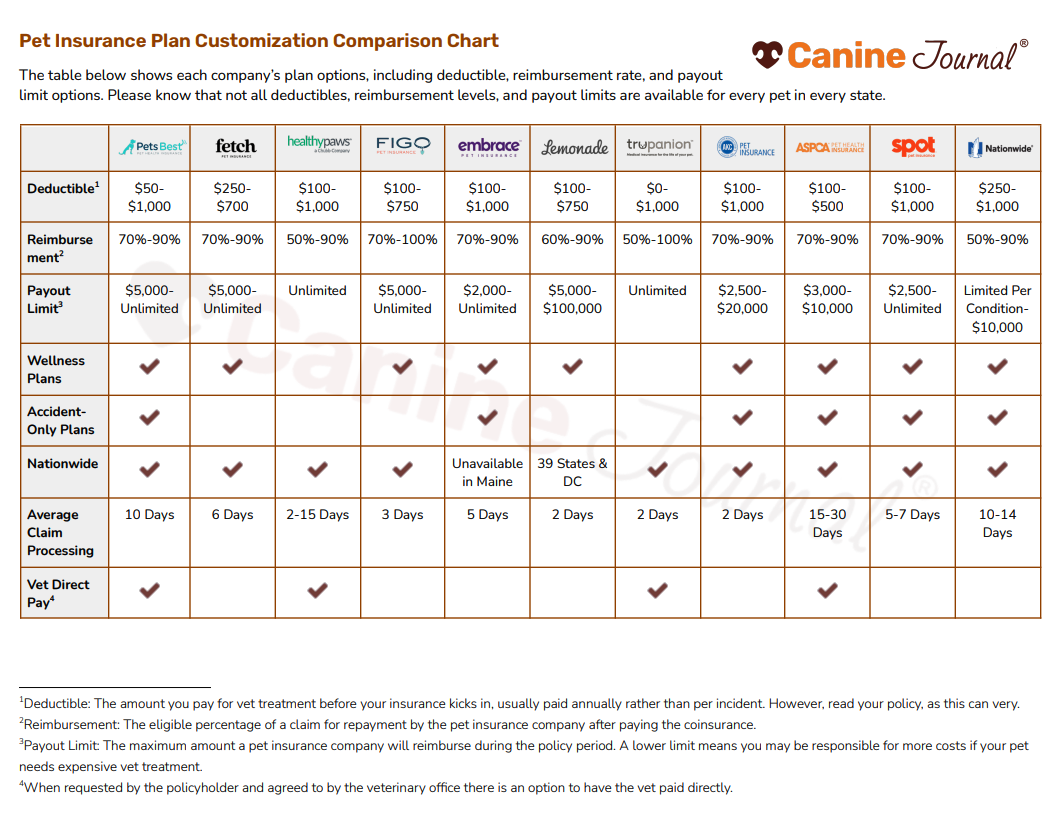
Credit: www.caninejournal.com
Types Of Cat Insurance Plans
Choosing the right cat insurance plan can protect your pet and your wallet. Plans vary based on coverage and costs. Understanding the types helps you pick the best fit for your cat’s needs. Here are the main types of cat insurance plans available in CT.
Accident-only Coverage
This plan covers injuries caused by accidents like falls or car crashes. It does not cover illnesses or routine care. It is usually the cheapest option. Ideal for cat owners who want basic protection against emergencies.
Comprehensive Plans
These plans cover accidents and illnesses. They often include treatment for infections, chronic conditions, and surgeries. Some also cover hereditary diseases. This plan offers broader protection but costs more than accident-only coverage.
Wellness And Preventive Care
This type covers routine care like vaccinations, flea control, and dental cleanings. It helps keep your cat healthy and prevent diseases. Many owners add this to accident or comprehensive plans. It lowers out-of-pocket costs for regular vet visits.
Key Coverage Features To Look For
Choosing the right cat insurance in Connecticut means knowing what coverage matters most. Some features protect your cat during emergencies. Others help with ongoing health problems. Understanding these key coverage features makes a big difference. It ensures your pet gets the care it needs without surprise costs.
Emergency Care Benefits
Emergency care benefits cover urgent medical situations. These include accidents, injuries, or sudden illnesses. This coverage helps pay for vet visits, tests, and treatments during emergencies. It can ease the stress of unexpected veterinary bills. Quick access to emergency care can save your cat’s life.
Chronic Condition Coverage
Chronic condition coverage supports long-term health issues. Conditions like diabetes or arthritis require ongoing treatment. This coverage pays for regular check-ups, medications, and therapies. It helps maintain your cat’s quality of life over time. Managing chronic illnesses becomes more affordable and less stressful.
Hereditary And Congenital Conditions
Hereditary and congenital conditions are inherited or present at birth. Examples include hip dysplasia or heart defects. Coverage for these conditions ensures early diagnosis and treatment. It reduces the cost burden of genetic health problems. Protecting against these issues supports your cat’s lifelong health.
Choosing The Right Policy In Connecticut
Choosing the right cat insurance policy in Connecticut helps protect your pet and your wallet. Careful decisions save money and stress later. This guide covers key points to consider when selecting coverage.
Comparing Providers
Start by checking multiple insurance companies. Look for those that cover common cat illnesses and accidents. Compare prices and customer reviews. Note the company’s reputation for fast, fair claims. Local providers may offer plans tailored to Connecticut pet needs.
Understanding Policy Limits
Each policy has limits on payouts and treatments. Some cover only accidents, others include illnesses and routine care. Know yearly maximums and per-incident caps. Higher limits cost more but offer better protection. Balance your budget with expected care costs.
Reading The Fine Print
Study the policy details carefully. Check for exclusions like pre-existing conditions or certain treatments. Understand waiting periods before coverage begins. Know what documents you need to file a claim. Clear knowledge avoids surprises when using the insurance.
Filing Claims And Getting Reimbursed
Filing claims and getting reimbursed is a key part of using cat insurance in CT effectively. Knowing exactly what to do can save you time and stress when your furry friend needs care. Let’s break down the process so you feel confident handling it.
Claim Process Steps
Start by notifying your insurance provider as soon as your cat receives treatment. Most insurers allow you to submit claims online, which speeds up the process.
You’ll need to fill out a claim form with details about the treatment, dates, and costs. After submitting, keep an eye on any messages from your insurer in case they need more information.
Have you ever waited weeks only to realize you missed a crucial detail? That’s why double-checking everything before submission is key.
Documentation Tips
Good documentation makes your claim smooth and fast. Always keep copies of vet bills, receipts, and any medical records related to your cat’s care.
Write down the date of each visit, the reason for treatment, and the vet’s diagnosis. This helps if the insurer asks for clarification.
Taking photos of paperwork or scanning documents can be a lifesaver. You won’t have to hunt for originals when you need to file a claim.
Typical Reimbursement Timelines
Reimbursement can vary, but most insurers in CT process claims within 10 to 30 days. Faster submissions with complete documents often mean quicker payouts.
If you haven’t heard back after a few weeks, don’t hesitate to contact your insurer. Sometimes a quick follow-up can speed things up.
Knowing these timelines helps you plan your finances better. Wouldn’t it be easier to avoid surprises when budgeting for your cat’s health?
Credit: www.onedegree.hk
Cost Factors For Cat Insurance In Ct
Understanding the cost factors for cat insurance in CT can help you make smarter choices for your furry friend’s coverage. Insurance premiums vary widely, and knowing what influences these costs allows you to tailor a policy that fits both your budget and your cat’s needs.
Age And Breed Considerations
Your cat’s age plays a big role in the price of insurance. Younger cats generally have lower premiums because they tend to be healthier and require fewer medical treatments. As your cat gets older, the risk of illness rises, causing insurance costs to increase.
Breed also matters. Some breeds are more prone to certain health issues, which can drive up premiums. For example, Siamese cats might have higher rates due to common genetic conditions. Have you checked if your cat’s breed affects their insurance cost?
Coverage Level Impact
The amount of coverage you select directly affects your monthly payment. Basic plans that cover accidents only are cheaper but leave you exposed to costly illnesses. Comprehensive plans include accidents, illnesses, and sometimes routine care, which means higher premiums but better protection.
Think about what coverage fits your lifestyle and financial comfort. Would you rather pay a bit more each month or risk large vet bills later? This decision shapes your policy cost significantly.
Discounts And Savings Options
Many insurers offer discounts that can lower your premiums. Multi-pet discounts are common if you insure more than one cat or other pets. Some companies also provide savings if you pay annually instead of monthly.
Additionally, maintaining your cat’s health with regular check-ups may qualify you for wellness discounts. Have you asked your insurer about all available discounts? Sometimes a quick inquiry can save you a surprising amount.
Tips To Maximize Your Cat Insurance Benefits
Maximizing your cat insurance benefits doesn’t have to be complicated. With a few smart habits, you can ensure you get the most value from your policy while keeping your furry friend healthy and happy. Paying attention to how you manage your cat’s health and paperwork can make a huge difference in your insurance experience.
Regular Vet Visits
Keeping up with regular vet visits helps catch health issues early, which can save you money on costly treatments later. Insurance companies often require proof of routine check-ups to approve claims, so staying consistent matters.
Think about scheduling visits every six months. This habit not only supports your cat’s well-being but also strengthens your case when filing a claim.
Keeping Records Organized
Organizing your cat’s medical records can simplify the claims process. Save receipts, vaccination records, and vet reports in one place—digital folders work great for quick access.
Have you ever lost a receipt right when you needed it most? Staying organized avoids delays and helps you get reimbursed faster.
Preventive Care Importance
Preventive care is often covered by cat insurance and reduces the risk of serious illnesses. Vaccinations, flea treatments, and dental cleanings are key to keeping your cat healthy and your insurance claims manageable.
Ask your vet which preventive measures suit your cat best. Investing in prevention can lower your overall vet bills and keep your cat comfortable for years.
Frequently Asked Questions
What Does Cat Insurance In Ct Cover?
Cat insurance in CT typically covers accidents, illnesses, and hereditary conditions. Some plans include wellness care like vaccinations. Coverage varies by provider and policy, so check details carefully before purchasing.
How Much Does Cat Insurance Cost In Connecticut?
Cat insurance costs in Connecticut range from $10 to $40 monthly. Prices depend on coverage level, cat’s age, breed, and insurer. Comparing quotes helps find affordable, suitable plans for your pet.
Are Pre-existing Conditions Covered By Cat Insurance?
Most cat insurance policies in CT exclude pre-existing conditions. Some insurers may cover conditions after a symptom-free waiting period. Always review policy terms to understand coverage limitations for your cat.
Can I Get Cat Insurance For Older Cats In Ct?
Yes, many insurers offer cat insurance for older cats in CT. However, premiums may be higher, and some conditions might be excluded. It’s best to compare plans focused on senior pet coverage.
Conclusion
Choosing cat insurance in CT helps protect your pet’s health. It offers peace of mind during emergencies. Plans vary, so compare coverage and prices carefully. Protect your cat from unexpected vet bills. A good policy supports your cat’s well-being. Start planning today for your cat’s future.
Keep your furry friend happy and healthy. Insurance is a smart choice for any cat owner.
