


If you care about your cat’s well-being, you want to give them the best chance at a long, happy life. But with so many options out there, how do you know which supplements truly help your furry friend?
Understanding cat health supplements can make a big difference in their energy, coat shine, and overall vitality. Keep reading to discover simple, effective ways to boost your cat’s health and keep them purring with joy every day.
Benefits Of Cat Supplements
Adding supplements to your cat’s diet can have a noticeable impact on their overall well-being. These targeted nutrients support specific health areas that might be lacking, especially as cats age or face dietary limitations. Understanding the benefits can help you decide if supplements are right for your furry friend.
Enhanced Immune System
Your cat’s immune system protects them from infections and illnesses daily. Supplements rich in antioxidants, vitamins C and E, and omega-3 fatty acids help strengthen these defenses. I’ve seen cats recover faster and stay healthier longer when their owners add immune-boosting supplements to their routine.
Would you want your cat to fend off common colds more easily or bounce back quickly after a vet visit? Boosting immunity can make those outcomes more likely.
Improved Joint Health
Joint problems can slow down your cat and reduce their playful energy. Supplements containing glucosamine, chondroitin, and omega-3 oils help maintain cartilage health and reduce inflammation. After giving my older cat joint supplements, I noticed her move more comfortably and even climb higher than before.
Could your cat benefit from easier movement and less stiffness? Supporting joint health might be the key to keeping them active and happy.
Better Digestive Function
Digestive health affects everything from nutrient absorption to energy levels. Probiotics, fiber, and digestive enzymes in supplements aid in maintaining a balanced gut flora and smooth digestion. Cats who have struggled with upset stomachs or irregular bowel movements often show improvement after adding these supplements.
Have you ever wondered if your cat’s diet is truly supporting their digestion? Enhancing digestive function can lead to better nutrient use and overall vitality.

Credit: www.amazon.ca
Common Types Of Supplements
Choosing the right supplements for your cat can feel overwhelming. Understanding the common types of supplements helps you make better decisions for your furry friend’s health. Below, you’ll find clear explanations of the key categories and how they support your cat’s wellbeing.
Vitamins And Minerals
Vitamins and minerals are the building blocks of good health. They help support your cat’s immune system, bone strength, and overall energy levels.
You might notice your cat is less active or their coat looks dull—these can be signs they need extra nutrients. Common supplements include vitamin E, vitamin B complex, calcium, and zinc. These ensure your cat gets what might be missing from their diet.
Omega-3 Fatty Acids
Omega-3 fatty acids, found in fish oil, play a big role in keeping your cat’s skin and coat healthy. They also help reduce inflammation and support heart and brain health.
If your cat scratches a lot or has dry skin, omega-3s could make a big difference. Adding a supplement with EPA and DHA can improve comfort and mobility, especially for older cats.
Probiotics And Enzymes
Probiotics help balance the good bacteria in your cat’s gut. This can improve digestion and boost their immune response.
Enzymes assist in breaking down food so your cat can absorb nutrients better. If your cat experiences upset stomach or irregular stools, these supplements can provide real relief.
Choosing The Right Supplement
Choosing the right supplement for your cat can feel overwhelming with so many options available. The key is to focus on what truly benefits your cat’s unique needs. Understanding factors like age, health status, and the ingredients in the supplement will help you make an informed choice that supports your cat’s well-being.
Age And Health Considerations
Your cat’s age plays a big role in deciding which supplement suits them best. Kittens need different nutrients compared to senior cats, who may require joint support or enhanced immunity.
Health conditions like kidney disease, allergies, or digestive issues also affect which supplements are safe and effective. Have you noticed any changes in your cat’s energy or coat? These clues can guide your supplement choice.
Consulting Your Veterinarian
Never start a new supplement without talking to your vet first. They know your cat’s medical history and can recommend the right products.
Your vet can also warn you about potential interactions with medications your cat might be taking. This step can save you from costly and harmful mistakes. Have you had your vet review your cat’s supplement routine recently?
Reading Labels And Ingredients
Look closely at the supplement’s ingredients to understand what you are giving your cat. Avoid products with artificial colors, fillers, or excessive additives.
Focus on supplements that list clear, recognizable ingredients like omega-3 fatty acids, glucosamine, or probiotics. Check for certifications or quality seals that indicate safety and effectiveness.
- Does the label specify dosage instructions?
- Are the ingredients suitable for your cat’s age and health?
- Is the supplement designed specifically for cats, not dogs or humans?
Your cat deserves supplements that truly help, not just empty promises. Taking the time to evaluate these factors ensures you’re adding real value to their health.
Administering Supplements Safely
Giving your cat health supplements can boost their well-being, but safety must come first. Administering supplements correctly ensures your furry friend gains the benefits without unnecessary risks. Understanding how to dose, mix, and watch for reactions makes the process smoother for both of you.
Dosage Guidelines
Always follow the dosage instructions on the supplement label or your vet’s advice. Cats have sensitive systems, and even a small overdose can cause harm. If you’re unsure about the right amount, ask your vet before starting any new supplement.
Start with the lowest recommended dose and observe how your cat responds. Some cats may need less than the suggested amount, especially if they are small or have health issues. Tracking the dosage carefully helps prevent accidental overfeeding.
Mixing With Food
Mixing supplements into your cat’s food is often the easiest way to give them. Many cats accept supplements better when hidden in wet food or a tasty treat. Make sure the supplement’s taste doesn’t turn your cat off their meal.
Try mixing the supplement into a small portion of food first to see if your cat eats it willingly. If they refuse, you might need to try a different food or use a pill pocket. Remember, forcing a cat to take supplements can cause stress and make future doses harder.
Recognizing Adverse Reactions
Watch your cat closely after giving supplements. Signs like vomiting, diarrhea, itching, or lethargy can indicate an adverse reaction. If you notice any of these, stop the supplement immediately and consult your vet.
Sometimes reactions aren’t obvious right away, so keep an eye on your cat’s behavior over several days. Does your cat seem less playful or eat less? These subtle changes can be clues that the supplement isn’t agreeing with them.
Natural Alternatives To Supplements
Natural alternatives to supplements support your cat’s health without added pills or powders. These options help maintain well-being and prevent common issues. Choosing natural methods can improve your cat’s quality of life gently and effectively.
Balanced Diet
A balanced diet provides essential nutrients naturally. High-quality cat food with real meat offers proteins and fats cats need. Include wet food for hydration and variety. Avoid fillers like corn and soy that add no value. Fresh water must always be available to keep cats hydrated.
Herbal Remedies
Herbal remedies offer gentle healing without chemicals. Cat-safe herbs like chamomile calm anxiety and aid digestion. Catnip stimulates play and reduces stress. Always consult a vet before introducing herbs to avoid harm. Use herbs in small amounts for best effects.
Regular Exercise
Exercise keeps cats fit and mentally sharp. Interactive toys and climbing trees encourage movement. Short play sessions several times daily prevent obesity and boredom. Exercise supports joint health and muscle strength. Active cats tend to have fewer health problems over time.
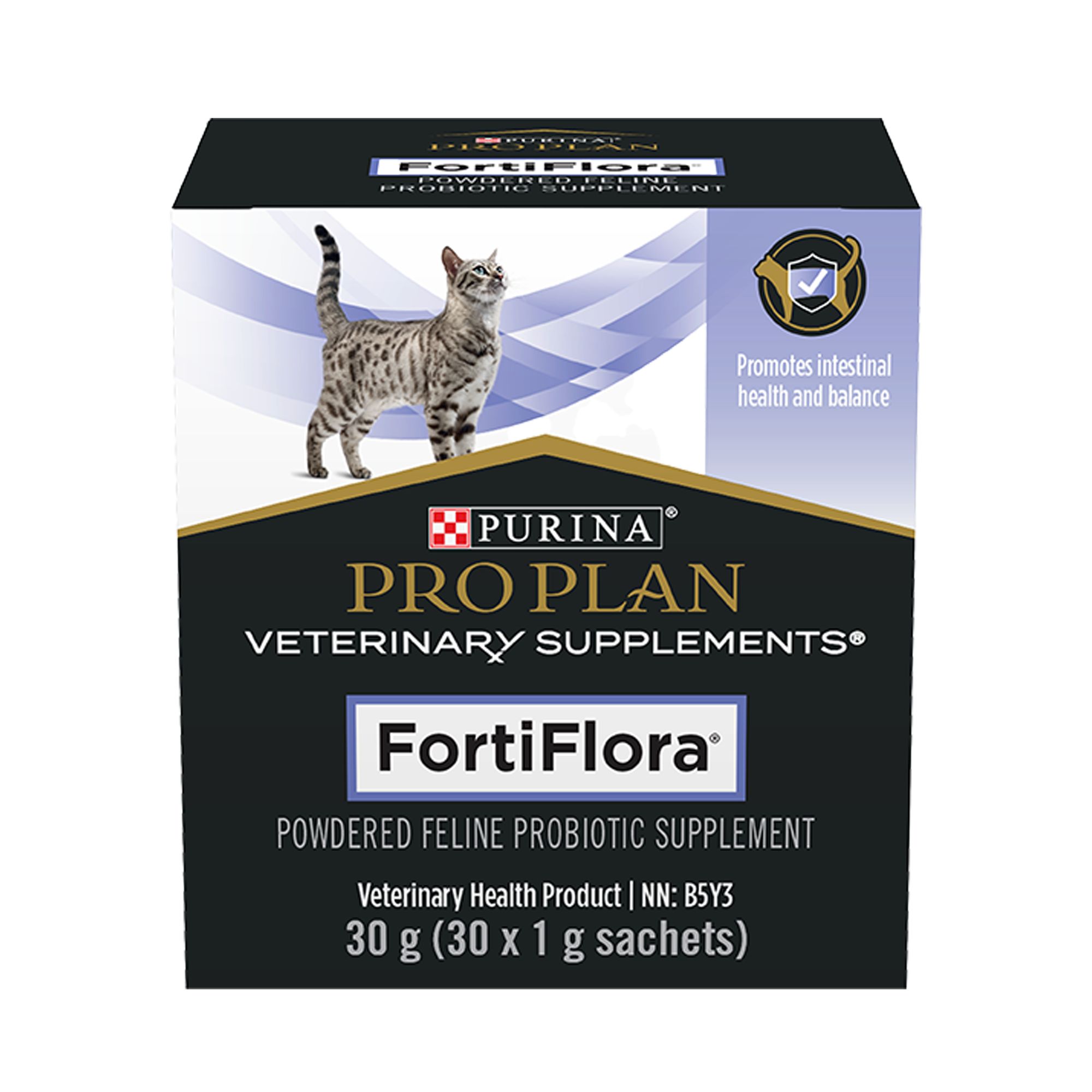
Credit: www.petsmart.ca
Signs Your Cat Needs Supplements
Noticing changes in your cat’s health may signal the need for supplements. Cats can’t always show discomfort clearly. Watching for subtle signs helps you act early. Supplements can support their well-being and fill nutritional gaps.
Lethargy And Low Energy
Does your cat seem tired all the time? Low energy can mean a lack of essential nutrients. Cats may sleep more and play less. Supplements with vitamins and minerals often boost vitality.
Coat And Skin Issues
A dull or patchy coat can indicate poor nutrition. Skin problems like dryness or itching also matter. Omega fatty acids and vitamins improve fur shine and skin health. Healthy skin shows a well-nourished cat.
Digestive Problems
Digestive troubles cause discomfort and poor nutrient absorption. Symptoms include vomiting, diarrhea, or constipation. Probiotics and digestive enzymes in supplements can help. Supporting digestion promotes overall health and comfort.

Credit: www.amazon.ca
Frequently Asked Questions
What Are Common Cat Health Supplements?
Common supplements include omega-3 fatty acids, probiotics, vitamins, and joint support formulas. These help improve skin, digestion, and mobility.
How Do Supplements Benefit My Cat’s Health?
Supplements boost immunity, support digestion, and improve coat quality. They help manage specific health issues and enhance overall well-being.
When Should I Give My Cat Supplements?
Use supplements when recommended by a vet or to support aging cats, poor diet, or specific health conditions.
Are Natural Supplements Safe For Cats?
Natural supplements are generally safe if vet-approved. Always check ingredient quality and dosage to avoid adverse effects.
Conclusion
Cat health supplements can support your pet’s well-being daily. They help maintain strong bones, shiny fur, and good digestion. Choosing the right supplement depends on your cat’s age and needs. Always check ingredients carefully and talk to your vet first.
Consistent care with quality supplements can keep your cat happy and active. Small steps make a big difference in your cat’s health. Keep your furry friend feeling their best every day.
