

Are you worried about your cat’s health? Cats can hide signs of illness, making it hard for you to know when something is wrong.
Understanding common cat health problems can help you spot issues early and keep your furry friend happy and strong. You’ll discover the most frequent health concerns cats face and simple ways to protect your pet. Keep reading to learn how you can make a big difference in your cat’s well-being.
Common Cat Health Issues
Keeping your cat healthy means knowing the common health issues they might face. Cats can hide symptoms well, so it’s important to spot problems early. Understanding these common conditions helps you act fast and keep your furry friend comfortable.
Respiratory Infections
Respiratory infections are frequent, especially in kittens and older cats. Symptoms include sneezing, coughing, and watery eyes. If your cat has trouble breathing or stops eating, you should see a vet immediately.
These infections spread quickly in places where many cats live together. You can reduce risks by keeping your cat’s environment clean and avoiding contact with sick animals. Have you noticed your cat sneezing more often lately?
Dental Diseases
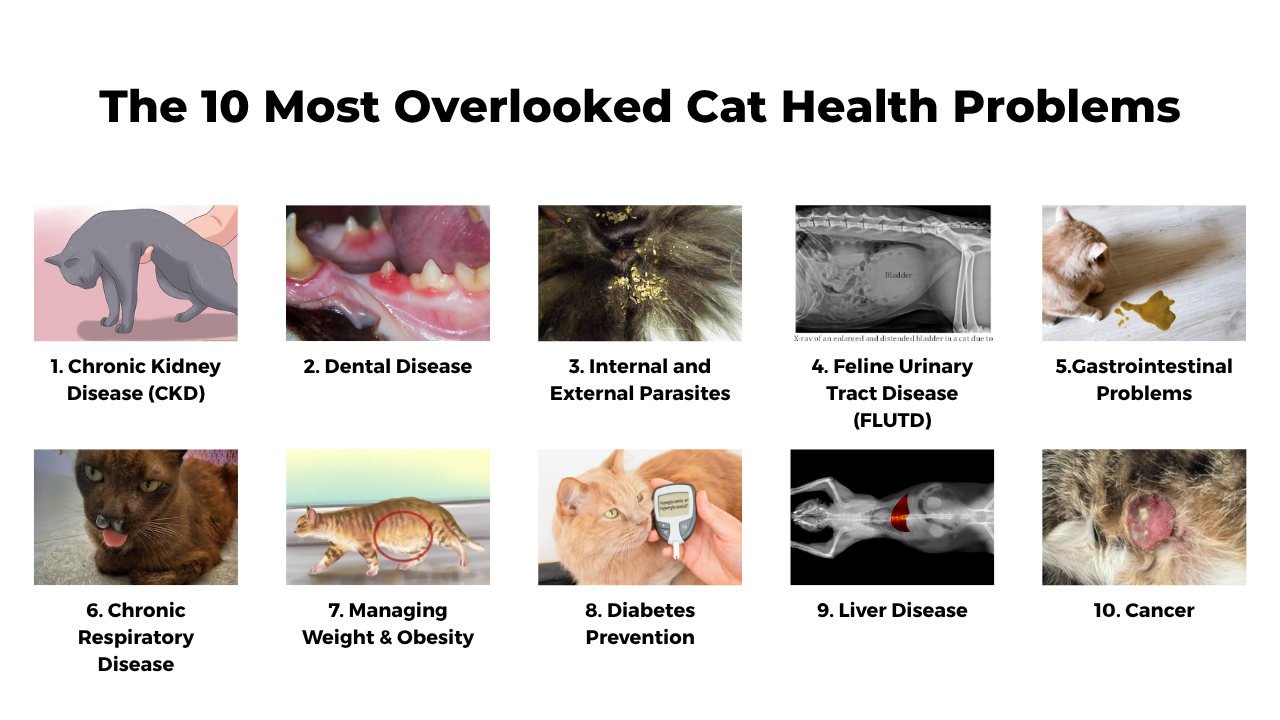
Dental problems affect many cats but often go unnoticed until they cause pain. Bad breath, drooling, or difficulty eating are signs your cat may have dental disease. Regular brushing and dental check-ups can prevent serious issues.
Ignoring dental health can lead to infections that affect other organs. Have you checked your cat’s teeth recently? A quick look can save your cat from discomfort and costly treatments.
Parasites And Fleas
Parasites like fleas, ticks, and worms can cause itching, irritation, and more serious illnesses. Fleas are especially common and can lead to skin infections or allergic reactions. Using vet-approved flea treatments regularly is key to keeping parasites away.
Watch for excessive scratching or small black specks in your cat’s fur. These signs mean it’s time to act. What flea prevention routine do you follow to protect your cat?
Obesity Risks
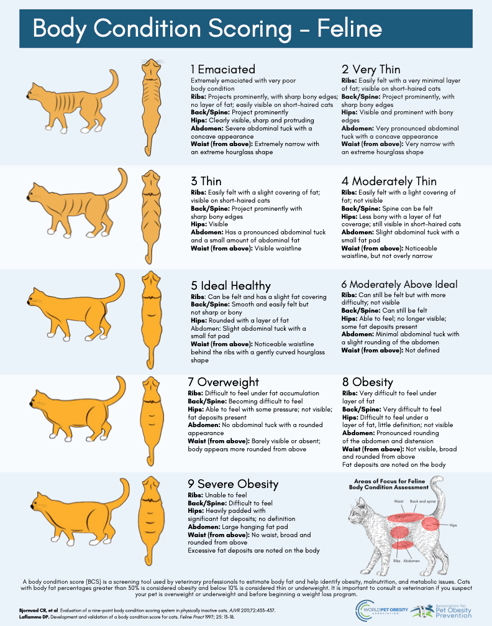
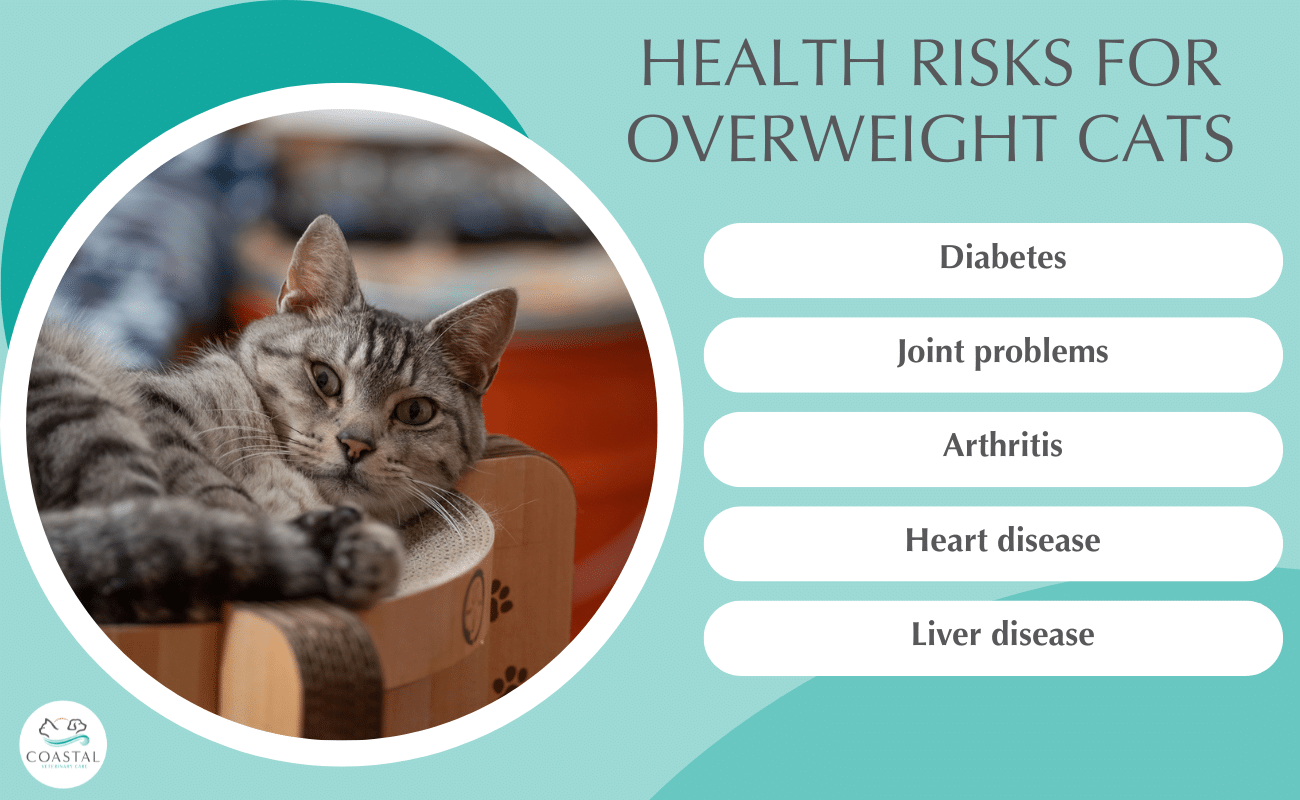
Obesity is a growing problem in cats due to overfeeding and lack of exercise. Extra weight can lead to diabetes, arthritis, and heart problems. Monitoring your cat’s diet and encouraging play keeps them fit and healthy.
Ask yourself if your cat is getting enough physical activity daily. Simple changes, like interactive toys or puzzle feeders, can make a big difference. How do you keep your cat active indoors?
Kidney And Urinary Problems
Kidney disease and urinary tract issues are common in aging cats. Symptoms include frequent urination, blood in urine, or straining. These problems can become serious quickly, so early vet visits are critical.
Providing fresh water and a balanced diet helps support kidney health. Have you noticed changes in your cat’s bathroom habits lately? This could be a signal to check with your vet.

Credit: www.youtube.com
Signs Of Illness In Cats
Noticing signs of illness in your cat early can make a huge difference in their recovery. Cats are experts at hiding discomfort, so spotting subtle changes is key. Paying close attention to how your cat acts and looks helps you catch health issues before they become serious.
Behavioral Changes
Has your usually social cat suddenly started hiding or avoiding you? Behavioral shifts often signal discomfort or pain. You might see increased aggression, restlessness, or unusual vocalizations that weren’t there before.
Think about the last time your cat’s behavior surprised you. Did they stop playing or grooming? These changes can hint at underlying problems like infections, dental pain, or even neurological issues.
Appetite And Weight Fluctuations
If your cat’s eating habits change, don’t ignore it. A sudden drop in appetite or overeating can both point to health problems. Weight loss or gain, especially when rapid, is a red flag you should investigate.
Monitor your cat’s food intake daily. Have they lost interest in their favorite treats or are they demanding more food than usual? Either way, it’s worth a vet visit to rule out conditions like diabetes, kidney disease, or digestive issues.
Lethargy And Weakness
Is your cat sleeping more than usual or moving less? Lethargy often accompanies illness and can indicate fever, infections, or chronic conditions. Weakness might show up as difficulty jumping or climbing stairs.
Notice if your cat struggles with activities they once did easily. These signs can sometimes be subtle but catching them early can save your cat from worsening health.
Changes In Grooming Habits
Cats usually groom themselves meticulously, so a sudden drop in grooming is a warning sign. Your cat might have matted fur, an unkempt coat, or greasy patches. Excessive grooming, leading to bald spots, also signals discomfort or allergies.
Have you seen your cat licking one area more than others or avoiding grooming altogether? These changes often point to pain, skin infections, or stress that needs addressing quickly.
Nutrition For Healthy Cats
Proper nutrition plays a key role in keeping cats healthy and active. Cats need a diet that supports their unique body needs. Feeding the right foods helps maintain their energy and prevents many health problems.
Understanding what makes a balanced diet is important. It ensures your cat gets all the nutrients needed for strong bones, shiny fur, and good digestion. Along with food, water intake is crucial to avoid dehydration and related issues.
Balanced Diet Essentials
Cats are obligate carnivores, so protein is vital. High-quality animal protein supports muscle growth and repair. Fat provides energy and helps absorb vitamins. Essential vitamins and minerals keep their immune system strong.
- Include meat like chicken, turkey, or fish.
- Choose cat food with taurine, an important amino acid.
- Look for foods with balanced vitamins A, D, and E.
- Ensure the diet has enough fatty acids for skin and coat health.
Hydration Tips
Cats often drink less water than they need. Wet cat food can increase water intake. Always provide fresh, clean water in multiple bowls. Some cats prefer running water from fountains, which encourages drinking.
- Change water daily to keep it fresh.
- Place water bowls away from food bowls.
- Monitor your cat’s drinking habits for changes.
- Use wet food to boost hydration.
Foods To Avoid
Some foods can harm cats and cause health problems. Avoid giving them onions, garlic, chocolate, or caffeine. Dairy products may upset their stomach. Also, steer clear of bones and raw dough.
- Never feed chocolate or caffeinated drinks.
- Keep onions and garlic out of reach.
- Avoid raw or undercooked meat and eggs.
- Do not give cow’s milk to adult cats.
Credit: veterinarysecrets.com
Routine Veterinary Care
Routine veterinary care keeps cats healthy and happy. Regular visits help catch problems early. Cats show illness signs late. Preventive care saves lives and money. It builds a strong bond with your vet. Follow your vet’s advice to protect your cat’s health.
Vaccination Schedules
Vaccines protect cats from many dangerous diseases. Kittens need a series of shots for full protection. Adult cats require boosters to maintain immunity. Common vaccines include:
- Feline distemper
- Rabies
- Feline herpesvirus
- Calicivirus
Follow the vaccination schedule your vet provides. It reduces risks of infections. Keep a record of all vaccinations.
Regular Health Checkups
Health checkups track your cat’s wellness over time. The vet checks weight, eyes, ears, and coat. Blood tests and urine analysis may be done. Early detection helps treat illnesses faster. Checkups also update flea and parasite control. Schedule visits at least once a year.
Dental Cleanings
Dental health affects overall well-being. Cats can develop gum disease and tooth decay. Signs include bad breath and difficulty eating. Vets clean teeth under anesthesia. Cleaning removes plaque and tartar build-up. Regular dental care prevents pain and infection. Ask your vet how often to clean teeth.
Preventing Parasites
Parasites pose a serious threat to your cat’s health, affecting their comfort and well-being. Preventing these unwelcome guests is easier than you think and can save you from costly vet visits. By staying proactive, you protect your cat from diseases and discomfort caused by parasites.
Flea And Tick Control
Fleas and ticks are more than just annoying pests; they can cause itching, allergic reactions, and transmit infections. You should check your cat regularly, especially after outdoor adventures. Using vet-recommended flea and tick treatments keeps these parasites away effectively.
Consider collars, topical treatments, or oral medications as options. Each has its benefits, so discuss with your vet which fits your cat’s lifestyle best. Have you noticed your cat scratching more than usual? That might be a sign to act fast.
Worming Treatments
Worms can hide inside your cat without obvious symptoms at first. Regular worming treatments help eliminate these internal parasites before they cause serious health issues. Most vets recommend a worming schedule tailored to your cat’s age and habits.
Using broad-spectrum wormers covers different types of worms, such as roundworms and tapeworms. Remember, even indoor cats can get worms from contaminated food or contact with other animals. Are you keeping up with your cat’s worming routine?
Environmental Cleanliness
Your cat’s environment plays a big role in preventing parasites. Regular cleaning of bedding, litter boxes, and living areas helps reduce parasite eggs and larvae. Vacuum carpets and furniture frequently to remove fleas and their eggs from your home.
Outdoor spaces should be kept tidy, with grass trimmed and debris removed to discourage ticks and fleas. Simple habits like washing your hands after handling soil or other animals can also reduce risks. How often do you clean your cat’s favorite spots?
Safe Environment For Cats
Creating a safe environment is vital for a cat’s health and happiness. Cats need spaces that protect them from harm and stress. A secure home helps prevent illnesses and injuries. Understanding risks and how to reduce them benefits your feline friend.
Indoor Vs Outdoor Risks
Indoor cats face fewer dangers than outdoor cats. Outdoors, cats risk accidents, fights, and parasites. Cars, predators, and toxic plants pose threats. Indoor cats avoid these hazards but may lack exercise.
Outdoor cats often catch fleas and ticks. Injuries from other animals are common. They can also get lost or poisoned. Indoor cats stay safer but need toys and activity.
Toxic Plants And Substances
Many common plants and household items harm cats. Some toxic plants include:
- Lilies
- Azaleas
- Oleander
- Dieffenbachia
Household chemicals like cleaners and antifreeze are dangerous too. Always store these out of reach. Even small amounts can cause poisoning. Check new plants and products before bringing them home.
Stress Reduction Techniques
Stress weakens a cat’s immune system. Cats need quiet, safe spaces to relax. Provide cozy beds or hideouts for them. Routine feeding and play help reduce anxiety.
Interactive toys and regular playtime keep cats happy. Avoid loud noises and sudden changes in their environment. Pheromone diffusers can calm stressed cats. A calm cat stays healthier and lives longer.
Exercise And Mental Health
Exercise plays a crucial role in your cat’s mental health. It helps reduce stress, prevent boredom, and keep destructive behaviors at bay. When your cat moves and plays, it releases feel-good hormones that boost mood and mental clarity.
Playtime Activities
Engaging your cat in regular playtime can make a big difference. Simple activities like chasing a laser pointer or batting at a feather wand stimulate their natural hunting instincts.
Try setting aside short bursts of play several times a day. You might notice your cat becomes more relaxed and less anxious afterward. Have you observed how your cat’s mood changes after a good play session?
Interactive Toys
Interactive toys are great tools to keep your cat mentally sharp and physically active. Puzzle feeders, for example, challenge their problem-solving skills while rewarding them with treats.
Rotating toys can also prevent boredom, as cats love new challenges. Consider toys that move unpredictably or require your cat to think, like balls that roll on their own or treat-dispensing gadgets.
Social Interaction
Social time with you and other pets can greatly improve your cat’s mental wellbeing. Cats are often seen as independent, but many enjoy companionship and attention.
Talking softly, petting gently, or simply sitting nearby can reduce feelings of loneliness. Have you noticed how your cat responds differently when you spend quiet moments together versus when left alone?
Credit: coastalveterinarycare.vet
Frequently Asked Questions
What Are Common Cat Health Problems To Watch For?
Common cat health issues include kidney disease, diabetes, arthritis, and dental problems. Early signs often involve changes in behavior, appetite, or litter box habits. Regular vet check-ups help detect these problems early and improve treatment success.
How Can I Prevent Health Problems In My Cat?
Prevent cat health issues by providing a balanced diet, regular exercise, and routine veterinary visits. Keep vaccinations updated and maintain good dental hygiene. Early detection through observation and check-ups is key to prevention and long-term health.
What Symptoms Indicate My Cat Needs A Vet Visit?
Watch for vomiting, diarrhea, lethargy, weight loss, or changes in eating habits. Difficulty breathing, excessive scratching, and unusual lumps also require veterinary attention. Prompt vet care can prevent serious complications and ensure your cat’s wellbeing.
Can Diet Affect My Cat’s Health Problems?
Yes, diet plays a crucial role in managing and preventing cat health issues. Proper nutrition supports immune function, weight control, and organ health. Consult your vet to choose the best diet tailored to your cat’s age and medical needs.
Conclusion
Cats can face many health problems throughout their lives. Knowing the common signs helps you act quickly. Regular check-ups with the vet keep your cat healthy. Feeding a balanced diet supports strong immunity and good health. Pay attention to changes in behavior or appetite.
Early care can prevent serious issues from developing. Your cat depends on you for care and love. Stay informed and watch your cat closely every day. Good health leads to a happy, long life for your pet.
