

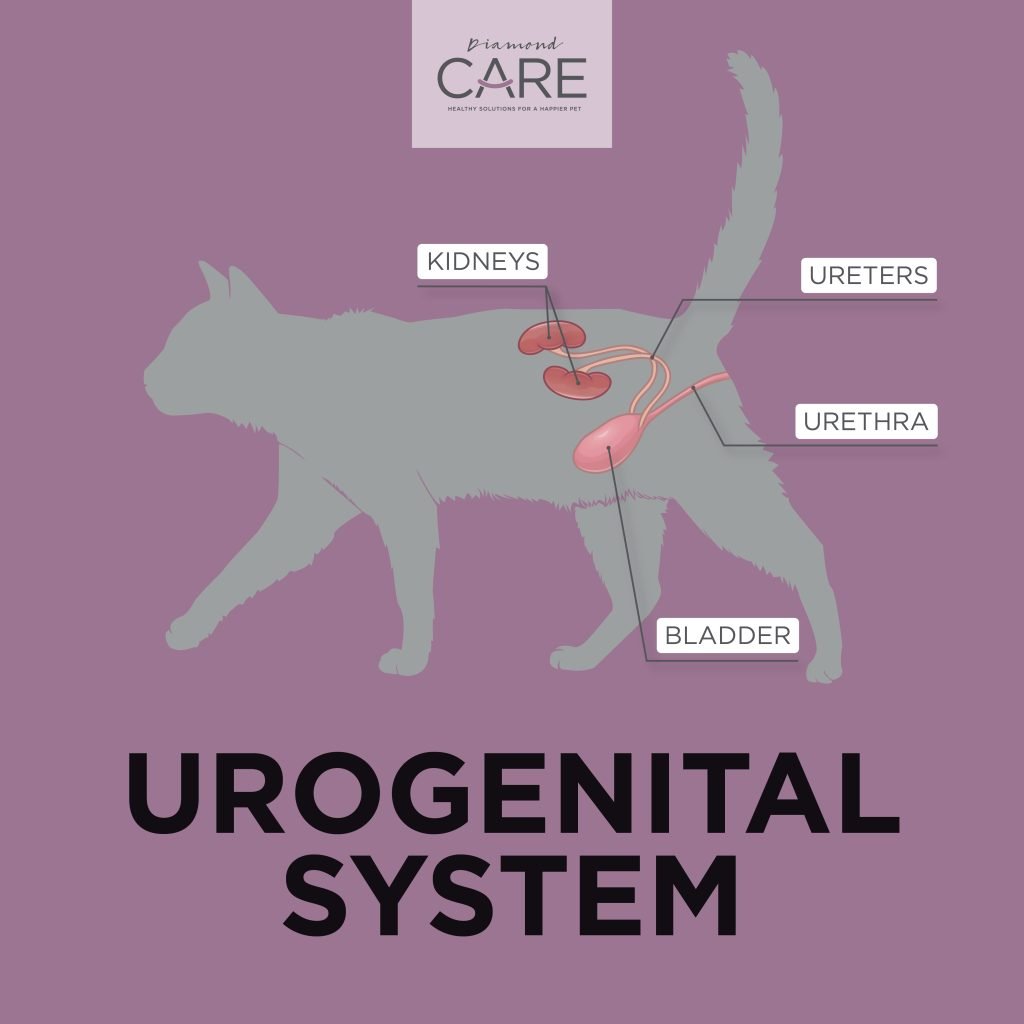
If you’ve noticed blood in your cat’s urine, it’s natural to feel worried and unsure about what to do next. Blood in urine, also known as hematuria, can be a sign of various health issues—some mild, others more serious.
Understanding what might be causing this and how to respond quickly can make all the difference in keeping your feline friend healthy and comfortable. You’ll learn what to watch for, possible causes, and the steps you should take to protect your cat’s health.
Don’t wait—your cat’s well-being depends on the right information and timely action.

Credit: www.amazon.com
Signs Of Blood In Cat Urine
Noticing blood in your cat’s urine can be alarming. It signals a possible health issue that needs attention. Early detection helps prevent serious complications. Recognizing the signs is important for prompt care.
Visible Symptoms
Blood in cat urine may appear as pink, red, or brown stains. You might see spots in the litter box or on your cat’s fur. Urine may have a strong or unusual smell. Sometimes, your cat may strain or take longer to urinate. Urine might look cloudy or have small clots of blood.
Behavioral Changes
Your cat may lick its genital area more often. It might urinate outside the litter box. Watch for signs of pain during urination, such as crying or restlessness. Cats may become less active or hide more than usual. Loss of appetite and vomiting can also occur.
When To See A Vet
Seek veterinary care immediately if you spot blood in your cat’s urine. Also, visit the vet if your cat shows pain, vomiting, or stops eating. Delays can worsen infections or blockages. Early diagnosis leads to better treatment results.
Common Causes Of Blood In Urine
Finding blood in your cat’s urine can be alarming. It signals that something may be wrong inside their urinary system. Understanding the common causes helps you act quickly and seek the right care for your feline friend.
Urinary Tract Infections
Urinary tract infections (UTIs) are a frequent cause of blood in cat urine. Bacteria invade the urinary tract, leading to irritation and inflammation. Cats with UTIs may also show signs like frequent urination, straining, or discomfort.
If your cat suddenly starts licking their genital area excessively, it could indicate an infection. Don’t ignore these signs—early treatment can prevent complications.
Bladder Stones
Bladder stones form when minerals crystallize and clump together inside the bladder. These stones can scratch the bladder lining, causing bleeding and pain. Cats with bladder stones might strain to urinate or produce small amounts of urine.
Not all stones cause symptoms immediately, so regular vet check-ups are vital if your cat has a history of urinary problems.
Kidney Disease
Kidney disease affects your cat’s ability to filter waste properly. Sometimes, it leads to blood leaking into the urine. This condition often comes with other signs like increased thirst and weight loss.
Have you noticed changes in your cat’s drinking habits or energy levels? These subtle clues can help detect kidney problems early.
Trauma Or Injury
Physical trauma, such as a fall or being hit by a car, can cause internal injuries resulting in blood in the urine. Even rough play can sometimes lead to bladder or urethral damage. If your cat shows sudden weakness or pain, consider trauma as a cause.
Prompt veterinary attention is crucial to address any internal bleeding or damage.
Cancer Risks
Though less common, cancers of the urinary tract or kidneys can cause blood in your cat’s urine. Tumors may bleed or block normal urine flow, leading to visible blood. Older cats are at a higher risk, so monitoring any urinary changes is important.
Have you noticed persistent or worsening symptoms despite treatment? This could signal a more serious issue requiring advanced diagnostics.
Diagnostic Procedures
When your cat shows blood in their urine, it’s crucial to get a clear diagnosis quickly. Understanding the cause helps you take the right steps to protect your furry friend’s health. Different diagnostic procedures work together to give a full picture of what’s going on inside your cat’s body.
Physical Examination
Your vet will start by carefully examining your cat’s abdomen and genital area. This hands-on check can reveal signs of pain, swelling, or discomfort that you might have missed. Sometimes, feeling the bladder or kidneys helps identify if there’s a blockage or infection.
Have you noticed your cat reacting when you touch certain spots? Sharing these details with your vet can guide the exam and speed up the diagnosis.
Urinalysis
Testing your cat’s urine is one of the most direct ways to find the cause of blood in urine. The vet will analyze the urine for red blood cells, white blood cells, bacteria, crystals, and other substances.
This simple test can reveal infections, bladder stones, or even early signs of kidney disease. Collecting a fresh urine sample might seem tricky, but your vet can guide you on how to do it comfortably for your cat.
Blood Tests
Blood tests provide valuable information about your cat’s overall health. They can detect infections, anemia, clotting disorders, or organ problems that might cause bleeding.
If your cat seems weak or lethargic along with blood in their urine, blood work helps uncover hidden issues. You might be surprised how much these tests can reveal beyond the obvious symptoms.
Imaging Techniques
X-rays and ultrasound scans allow vets to see inside your cat’s body without surgery. These images can spot bladder stones, tumors, or structural abnormalities causing bleeding.
Ultrasound is especially helpful because it shows soft tissues and can guide fine needle biopsies if needed. If your cat has recurring problems, these imaging tools provide clues that are impossible to find through exams or blood tests alone.
Treatment Options
Seeing blood in your cat’s urine can be alarming, and deciding on the right treatment is crucial for their recovery. Treatment options vary depending on the cause, severity, and your cat’s overall health. Understanding these options helps you make informed choices and work closely with your vet for the best outcome.
Medications
Medications often form the first line of treatment. Antibiotics are common if an infection is causing the blood in urine.
Your vet might also prescribe pain relievers or anti-inflammatory drugs to ease discomfort. In some cases, medications to dissolve bladder stones or relax the urinary tract muscles can help.
Have you noticed if your cat responds well to certain medicines? Tracking their reaction can guide your vet in adjusting the treatment plan.
Surgical Interventions
Sometimes surgery becomes necessary, especially if bladder stones or tumors block urine flow. Surgery can remove obstructions or repair damage in the urinary tract.
Not every cat with blood in urine will need surgery, but it’s a vital option for severe cases. The decision depends on diagnostic tests and your cat’s condition.
Ask your vet about the risks and recovery time before proceeding. Knowing what to expect helps you prepare and support your pet effectively.
Dietary Changes
Diet plays a significant role in preventing and treating urinary problems. Specialized diets can reduce the risk of crystals and stones forming in the bladder.
Adding moisture through wet food encourages more frequent urination, which helps flush out irritants. Avoiding certain minerals like magnesium and phosphorus can also be beneficial.
Have you tried switching your cat’s food before? Small changes can lead to big improvements in urinary health.
Home Care Tips
Home care supports medical treatment and speeds up recovery. Keep your cat’s litter box clean and accessible to encourage regular use.
Encourage hydration by offering fresh water frequently and placing multiple water bowls around your home. Playtime and stress reduction are also important, as stress can worsen urinary issues.
Watching your cat closely for changes in behavior or urination patterns helps catch problems early. How often do you check on your cat’s bathroom habits?
Preventing Recurrence
Preventing the return of blood in your cat’s urine is key to keeping them healthy. Recurrence can signal ongoing issues that need attention. Taking clear steps can reduce risks and improve your cat’s quality of life.
Hydration Importance
Water helps flush out toxins and bacteria from the urinary tract. Encourage your cat to drink more by providing fresh water daily. Consider wet cat food to increase fluid intake. Proper hydration keeps urine diluted, lowering irritation and infection chances.
Regular Vet Visits
Routine check-ups catch problems early. Your vet can monitor urine health and detect signs before they worsen. Follow their advice on tests and treatments. Early care prevents serious complications and supports long-term wellness.
Stress Reduction
Stress affects your cat’s urinary health. Create a calm home environment with quiet spaces. Use pheromone diffusers to ease anxiety. Play and interact daily to reduce tension. Less stress means fewer chances of urinary issues returning.
Diet Management
A balanced diet supports urinary tract health. Choose food designed for urinary care or recommended by your vet. Avoid foods high in magnesium or calcium that may cause crystals. Proper nutrition helps keep your cat’s urine healthy and clear.

Credit: maven.pet

Credit: www.purina.com
Frequently Asked Questions
What Causes Blood In A Cat’s Urine?
Blood in a cat’s urine, called hematuria, often signals urinary tract infections, bladder stones, or kidney issues. Trauma and certain cancers can also cause it. Prompt veterinary evaluation is crucial to diagnose and treat the underlying cause effectively.
How Can I Tell If My Cat Has Blood In Urine?
Look for pink, red, or brown discoloration in your cat’s urine. You may also notice frequent urination, straining, or discomfort. If you see these signs, consult a vet immediately for proper diagnosis and treatment.
Is Blood In Cat Urine A Serious Condition?
Yes, blood in cat urine can indicate serious health problems. Early diagnosis helps prevent complications. Conditions like infections or stones require timely treatment to avoid further damage to the urinary system.
How Is Blood In Cat Urine Diagnosed?
Veterinarians diagnose blood in cat urine through physical exams, urine tests, and sometimes imaging. These tests identify infections, stones, or other causes. Accurate diagnosis ensures the right treatment plan for your cat’s recovery.
Conclusion
Blood in a cat’s urine signals a health issue that needs quick care. Watch your cat’s behavior and urine closely every day. Early visits to the vet help find the cause fast. Treating problems early can stop pain and serious illness.
Keep your cat’s water bowl full and encourage drinking. Healthy cats live longer and feel happier. Don’t ignore signs like blood in urine or strange habits. Act with care and love to keep your cat safe and well.
