

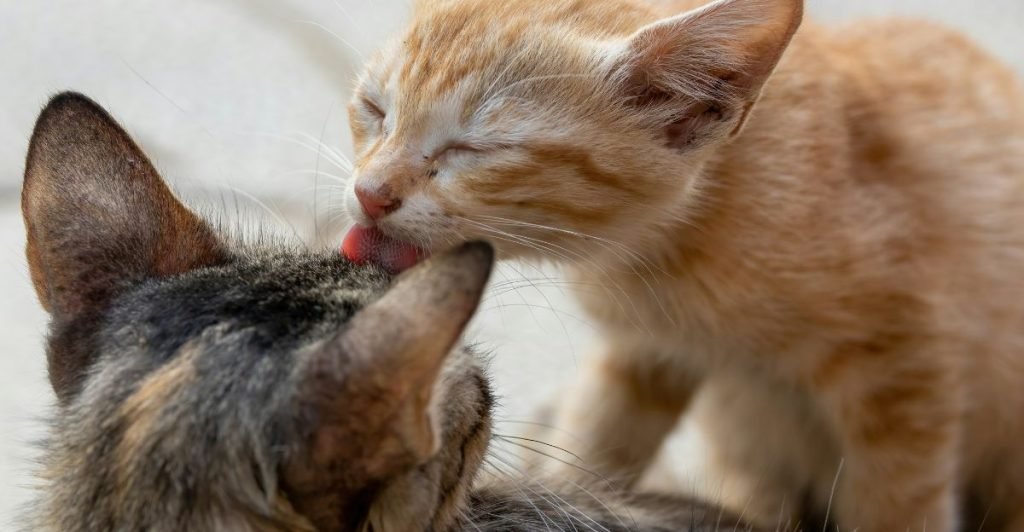
Have you ever watched one cat gently licking another and wondered why they do it? When you see a cat grooms other cat, it’s more than just cleaning.
It’s a powerful way they show love, build trust, and keep their bond strong. Understanding this simple act can reveal a lot about your cats’ relationship and how they feel around each other. Keep reading to discover the surprising reasons behind this behavior and what it means for your furry friends.

Credit: www.youtube.com
Why Cats Groom Each Other
Cats grooming each other is a common and fascinating behavior. It shows more than just cleaning. It reveals deep social and health reasons. Understanding why cats groom each other helps us see their world better.
Social Bonding Benefits
Grooming builds strong bonds between cats. It helps them trust and feel safe together. Cats often groom family members or close friends. This act creates a sense of belonging and peace. It shows affection and friendship in a quiet, gentle way.
Health And Hygiene
Grooming helps keep cats clean and healthy. Some spots are hard for a cat to reach alone. Another cat helps by cleaning these areas. It removes dirt, loose fur, and parasites. This keeps their skin healthy and reduces infections.
Stress Reduction
Grooming lowers stress and calms cats down. The gentle licking releases soothing feelings. It can stop fights or calm nerves after tense moments. Cats feel comforted and relaxed during grooming sessions. This helps them stay happy and peaceful.

Credit: www.shutterstock.com
Common Grooming Behaviors
Cats groom each other as a way to build trust and keep clean. This behavior strengthens their bond and helps them relax. Watching cats groom one another reveals many interesting habits. These habits show how cats communicate and care for their friends.
Licking And Nibbling
Licking is the main way cats groom each other. They use their tongue to clean dirt and loose fur. The tongue feels rough and helps remove dead skin. Nibbling is gentle biting that cats use to reach tricky spots. It is soft and never hurts. Both actions show affection and care.
Focused Grooming Areas
Cats prefer to groom certain parts of each other’s body. Common spots include:
- Head and neck
- Behind the ears
- Base of the tail
- Chest and shoulders
These areas are hard for a cat to reach alone. Grooming here helps keep the fur clean and healthy.
Mutual Grooming Sessions
Mutual grooming happens when cats take turns cleaning each other. It is a sign of friendship and trust. These sessions can last several minutes and calm both cats. Mutual grooming often happens between cats that live together. It helps reduce stress and strengthens their bond.
Signs Of A Strong Cat Bond
Noticing how one cat grooms another is a clear window into their relationship. Grooming between cats isn’t just about cleanliness—it’s a language of affection and trust. Understanding the signs of a strong cat bond helps you appreciate the depth of their friendship and the comfort they find in each other.
Comfort And Trust
When one cat allows another to groom sensitive areas like the head or neck, it shows deep trust. Cats are careful about who they let get close to such vulnerable spots. If your cats groom each other calmly and regularly, they feel safe and comfortable together.
Think about your own pets. Have you seen them pause what they’re doing just to clean each other? That peaceful moment is a sign they trust one another completely.
Play And Interaction
Strong bonds often grow from playful moments. Cats that groom each other usually enjoy interactive play too. You might notice them chasing, pouncing, or gently wrestling after a grooming session.
This playful behavior strengthens their connection and keeps their relationship lively. Have you seen your cats switch from grooming to play without hesitation? That’s a sign they truly enjoy each other’s company.
Shared Resting Spots
Another sign of a strong bond is sharing resting places. Cats who groom each other often sleep close or even cuddle. They choose to rest in the same cozy spots, showing mutual comfort.
If your cats pile up in one bed or curl together on a sunny window ledge, they’re not just sharing space—they’re reinforcing their bond. What favorite spots do your cats prefer to share?
How Grooming Strengthens Relationships
Grooming between cats is more than just a way to stay clean; it plays a crucial role in building and maintaining strong bonds. When one cat grooms another, it sends a message of care and acceptance. This simple act helps deepen their relationship in ways you might not expect.
Building Trust Over Time
Trust doesn’t happen overnight, especially among cats. Grooming shows that one cat feels safe enough to be close and gentle with another. This repeated behavior reassures each cat that the other is a friend, not a threat.
Think about your own pets—have you noticed how a shy cat might start grooming a more confident one only after days or weeks? That slow process of trust-building is vital for peace in multi-cat homes.
Reducing Aggression
Grooming can calm tensions and lower the chances of fights. When cats groom each other, their brains release feel-good chemicals that reduce stress. This helps prevent aggressive behaviors before they start.
If you see cats grooming after a disagreement, it’s a sign they’re making up and smoothing over hard feelings. Encouraging this behavior can save you from having to break up more serious scuffles later.
Encouraging Cooperation
Cooperation becomes easier when cats share grooming sessions. It teaches them to work together and respect boundaries. Over time, this makes living together less stressful for everyone involved.
You can help your cats build cooperation by providing shared spaces where grooming can happen naturally. Watching them work as a team through grooming might even inspire you to think about how cooperation plays out in your own relationships.
When Grooming Becomes Excessive
Cat grooming is a common social behavior that shows bonding and care. Sometimes, one cat grooms another too much. Excessive grooming can signal problems. It may cause discomfort or harm to the groomed cat. Understanding when grooming crosses the line helps protect your pets’ health and happiness.
Possible Stress Indicators
Excessive grooming often links to stress. Cats may show signs like:
- Restlessness or pacing
- Hiding more than usual
- Aggression toward other cats or people
- Loss of appetite
- Excessive vocalization
Notice these signs to detect stress early and reduce grooming issues.
Health Concerns
Too much grooming can cause skin damage. Look for:
- Redness or irritation
- Bald patches or thinning fur
- Sores or scabs
- Swelling or lumps
- Changes in behavior or mood
These problems need attention to prevent infections or pain.
When To Seek Veterinary Advice
Consult a vet if grooming causes wounds or hair loss. Seek help when:
- Your cat shows signs of pain
- Skin looks inflamed or infected
- Behavior changes persist
- Grooming disrupts daily life
Early intervention helps resolve issues faster and improves well-being.
Encouraging Positive Grooming Habits
Encouraging positive grooming habits between cats helps build trust and friendship. Cats often groom each other to show care and strengthen bonds. Supporting this natural behavior can make your home more peaceful. It also helps reduce stress and keep cats clean. Focus on creating a calm space, introducing cats slowly, and providing the right tools.
Creating A Calm Environment
A quiet, safe space helps cats relax and feel secure. Avoid loud noises or sudden movements around them. Soft lighting and comfy resting spots invite calm behavior. Cats groom best when they are not stressed or scared. Keep their space tidy and free from distractions. A calm environment encourages gentle grooming and closeness.
Introducing New Cats Gradually
New cats need time to adjust to each other. Start by keeping them in separate rooms. Let them smell each other’s scent through a door or cloth. Gradually allow short, supervised meetings in a shared space. Watch for signs of comfort or tension carefully. Slow introductions help cats accept each other and begin grooming.
Providing Grooming Tools
Offer tools that support grooming habits. Soft brushes and combs help remove loose fur. Use grooming tools gently to mimic a cat’s touch. Regular brushing reduces hairballs and matting. Provide scratching posts and clean bedding for comfort. These tools encourage cats to groom themselves and each other more often.
Capturing Adorable Grooming Moments
Watching one cat groom another creates heartwarming scenes full of tenderness. These moments show trust and care between feline friends. Capturing these adorable interactions helps share their bond with others.
Photographing cats during grooming can be challenging but rewarding. Patience and the right approach reveal stunning images. These pictures tell stories of friendship and affection that resonate with cat lovers everywhere.
Tips For Photographing Cats
- Use natural light to avoid startling the cats.
- Focus on the eyes and gentle touches.
- Keep the camera steady for clear shots.
- Be quiet and move slowly to avoid scaring them.
- Capture different angles to show the grooming action.
Best Times To Observe Grooming
- Early morning when cats are calm and relaxed.
- After meals, as grooming often follows eating.
- During quiet afternoons when cats feel safe.
- Before bedtime when cats prepare to rest.
- When cats are in pairs or groups for more interaction.
Sharing Moments With Others
Show these gentle acts to friends and family. Sharing photos builds a connection through the love of cats. Online communities also enjoy seeing such sweet behaviors.
Use simple captions to describe the scene. Stories about the cats’ friendship add emotional depth. These moments inspire kindness and care for animals everywhere.
Credit: basepaws.com
Frequently Asked Questions
Why Does One Cat Groom Another Cat?
Cats groom each other to strengthen social bonds and show affection. It helps build trust and reduces stress between cats. This behavior also keeps their fur clean and free of parasites, promoting overall health in a multi-cat household.
Is Cat Grooming Other Cats A Sign Of Friendship?
Yes, mutual grooming is a strong sign of friendship and trust among cats. It indicates comfort and a positive relationship. Cats rarely groom those they dislike, so it signals a close social bond.
Can Cats Groom Each Other To Reduce Stress?
Absolutely, grooming helps calm cats and reduce anxiety. It releases endorphins that relax them. This behavior provides emotional comfort and reassures cats during stressful situations or changes in their environment.
How Often Do Cats Groom Each Other?
Cats groom each other several times a day, especially in bonded groups. Frequency varies based on their relationship and environment. Regular grooming maintains hygiene and social cohesion within the cat family.
Conclusion
Cats grooming each other shows trust and friendship. It helps them stay clean and calm. Watching this behavior can teach us about their bonds. Each lick is a sign of care and comfort. This simple act brings cats closer every day.
Next time you see it, appreciate their gentle connection. Cat grooming is more than just cleaning. It’s love shown in a quiet, natural way. Understanding this helps us care for cats better. Their gentle touch speaks volumes without words.
