

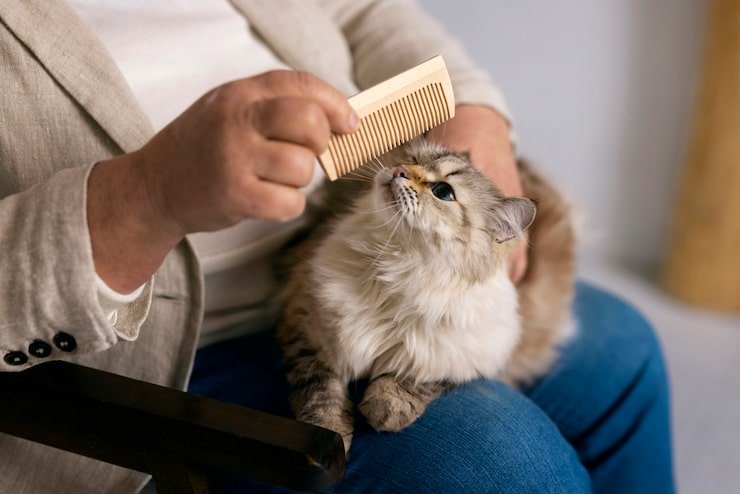
If you want your cat to look and feel their best, learning the right grooming skills is key. Cat grooming training helps you keep your furry friend clean, healthy, and happy without stress.
Imagine turning grooming time into a calm, bonding experience instead of a struggle. You’ll discover simple techniques and expert tips that make grooming easier for both you and your cat. Keep reading to unlock the secrets to stress-free cat care that will transform your routine—and your cat’s comfort.

Credit: www.amazon.com
Benefits Of Cat Grooming
Cat grooming offers many benefits for both cats and their owners. It helps keep cats clean and healthy. Regular grooming also prevents common problems and makes cats more comfortable. Understanding these benefits encourages pet owners to groom their cats often.
Health Improvements
Grooming removes dirt and loose fur from a cat’s coat. It helps prevent skin infections and mats. Brushing also improves blood circulation. This supports healthy skin and fur growth. Checking during grooming spots health issues early. Owners can find wounds, ticks, or lumps faster.
Enhanced Bonding
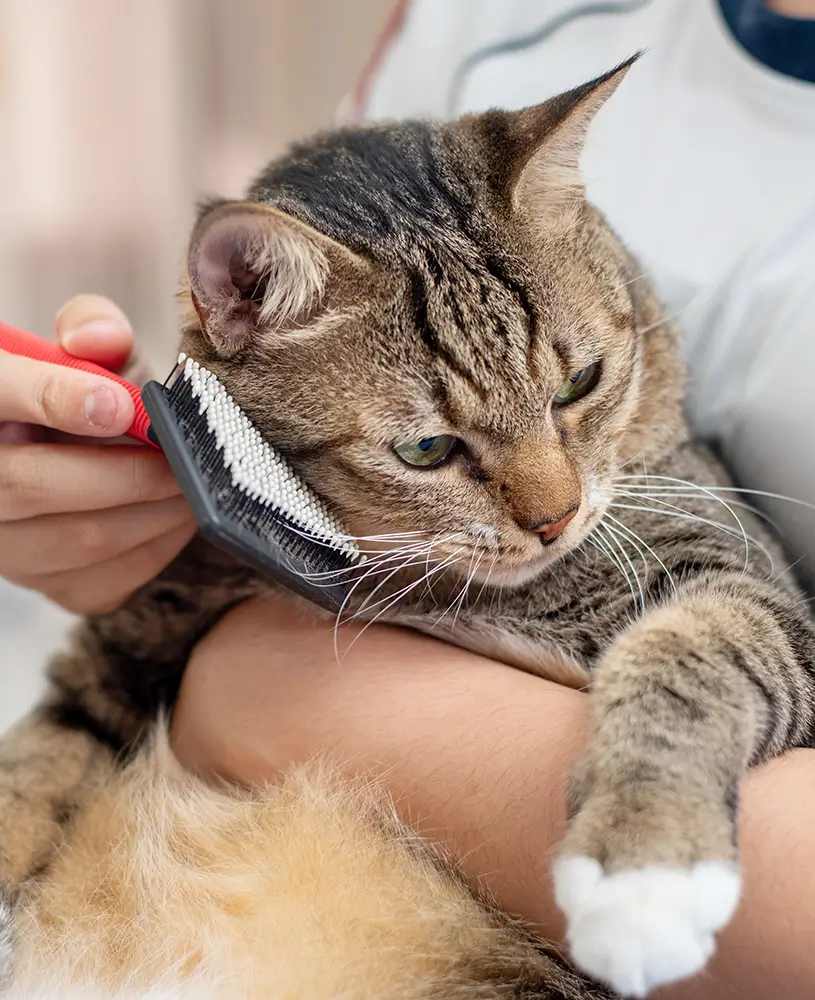
Grooming creates quiet, calm time together. It builds trust between cats and owners. Cats feel safe and cared for during grooming. This strengthens the relationship and reduces stress. Gentle touch helps cats relax and enjoy attention.
Reduced Shedding
Brushing removes loose hair before it falls around the house. It cuts down on fur on furniture and clothes. Regular grooming keeps shedding under control. This makes cleaning easier and keeps the home tidy. It also lowers the chance of hairballs forming in cats.
Credit: www.fearfree.com
Essential Grooming Tools
Having the right tools can make a huge difference in your cat grooming routine. Without them, grooming can become stressful for both you and your cat. The essential grooming tools help you keep your cat clean, comfortable, and healthy while making the process smoother and more enjoyable.
Brushes And Combs
Brushes and combs are the backbone of cat grooming. Different fur types need different tools—long-haired cats require a slicker brush, while short-haired cats do well with a bristle brush.
Using the right brush reduces shedding and prevents mats. I once tried brushing my long-haired cat with a regular comb and it just made her fur knot worse. Switching to a proper slicker brush changed everything.
- Slicker brushes remove loose fur and untangle mats.
- Wide-tooth combs help with delicate detangling.
- Bristle brushes spread natural oils, keeping fur shiny.
Nail Clippers
Trimming your cat’s nails is crucial to avoid scratches and keep furniture safe. A sharp, comfortable nail clipper designed for cats makes this task less stressful.
Some people avoid nail trimming because their cats resist, but the right clipper and gentle technique can help. I found that using a scissor-style clipper with a safety guard gave me more control and kept my cat calm.
- Scissor-style clippers offer precision and safety.
- Guillotine clippers work well for quick trims.
- Make sure to trim only the sharp tip to avoid hurting the quick.
Shampoos And Wipes
Not all cats love baths, so having the right shampoo and wipes is essential. Choose shampoos made specifically for cats—they’re gentle and won’t irritate their skin.
When your cat gets a bit dirty or smelly, wipes can be lifesavers. I keep hypoallergenic cat wipes handy for quick clean-ups between baths. They help keep fur fresh without the stress of a full wash.
- Use cat-specific shampoos with natural ingredients.
- Wipes are great for spot cleaning and sensitive skin.
- Always rinse shampoo thoroughly to prevent irritation.
Preparing Your Cat
Getting your cat ready for grooming is just as important as the grooming itself. Cats can sense your mood and react accordingly, so your approach needs to be gentle and patient. Preparing your cat well can turn grooming from a stressful chore into a bonding experience for both of you.
Creating A Calm Environment
Your cat’s grooming space should feel safe and quiet. Choose a room without loud noises or distractions—think of it as your cat’s personal spa. Soft lighting and a comfortable surface, like a towel or blanket, help your cat relax.
Have you noticed how your cat behaves differently in a busy room versus a quiet corner? That difference matters a lot during grooming. Keep the environment consistent each time to build a sense of routine and security.
Consider playing soft, calming music or using a pheromone diffuser designed for cats. These tools can reduce anxiety and make your cat more receptive. Avoid sudden movements or loud voices that might startle your cat.
Acclimating Your Cat To Handling
Start by gently touching your cat’s paws, ears, and tail during calm moments. If your cat pulls away, stop and try again later. Short, frequent sessions work better than long, forced ones.
Use treats or gentle praise to reward your cat for staying calm. This creates a positive association with being handled. You might be surprised how quickly your cat learns to trust your touch.
Have you tried mimicking a grooming session without any tools? Stroking your cat with your hands as if you were brushing can help them get used to the sensation. Patience is key here—your cat’s comfort should always come first.
Brushing Techniques
Brushing is a key part of cat grooming. It keeps your cat’s coat clean and healthy. Using the right brushing technique can make this task easier for both you and your cat. Different coats need different care. Learning how to brush short and long hair helps prevent problems like mats and tangles.
Short Hair Grooming
Short-haired cats need gentle brushing to remove loose fur. Use a soft-bristle brush or rubber grooming glove. Brush in the direction of hair growth. This helps avoid skin irritation. Spend a few minutes each session. Focus on the neck, back, and sides. Brushing short hair reduces shedding and keeps the coat shiny.
Long Hair Grooming
Long-haired cats require more frequent brushing. A wide-tooth comb or slicker brush works well. Start at the head and move toward the tail. Work in small sections to avoid pulling hair. Be gentle around sensitive areas like the belly and legs. Regular brushing prevents hairballs and matting. It also distributes natural oils for a smooth coat.
Dealing With Mats And Tangles
Mats and tangles can cause discomfort and skin problems. Use a dematting comb or a mat splitter carefully. Hold the fur close to the skin to avoid pulling. Gently work through the mats from the edges. For tough mats, trim with scissors if needed. Never pull hard on tangles. Regular brushing helps prevent these issues from forming.
Nail Care Tips
Taking care of your cat’s nails is an essential part of grooming that often gets overlooked. Proper nail care not only keeps your cat comfortable but also protects your furniture and skin from scratches. Understanding safe clipping techniques and how to prevent nail damage will make the process smoother for both you and your feline friend.
Safe Clipping Methods
Start by choosing the right tools—sharp, small nail clippers designed for cats work best. Hold your cat gently but firmly, ensuring they feel secure. Avoid cutting too close to the quick, the pink area inside the nail, to prevent pain and bleeding.
Clip the nails in a well-lit area so you can clearly see the quick. If your cat has dark nails, trim small bits at a time to avoid cutting the quick accidentally. Reward your cat with treats or gentle petting to create a positive association with nail trimming.
Preventing Nail Damage
Regular trimming prevents nails from becoming too long or splitting. Check your cat’s nails weekly to spot any cracks, breaks, or signs of infection early. Keep an eye out for changes in your cat’s walking or scratching behavior—they might signal nail pain.
Provide scratching posts or pads to naturally wear down nails and reduce the need for frequent clipping. If your cat resists nail care, try wrapping them gently in a towel to limit movement safely. Have styptic powder nearby in case you accidentally cut the quick—this helps stop bleeding quickly.
Bathing Your Cat
Bathing your cat might sound like a challenge, but with the right approach, it can become a smooth and even bonding experience. Cats generally groom themselves well, so bathing is rarely needed unless they get into something sticky or dirty. Understanding when and how to bathe your cat will help keep them clean without causing stress.
When And How To Bathe
Most cats don’t need regular baths, but there are times when it’s necessary:
- If your cat has gotten into something oily, sticky, or toxic.
- When they have a skin condition requiring medicated baths.
- If your cat is elderly or overweight and can’t groom properly.
Choose a warm, quiet space like a bathroom. Use a sink or tub with a non-slip mat to keep your cat steady.
Fill with just a few inches of lukewarm water. Too much water can scare your cat and make the process harder.
Use a gentle, cat-specific shampoo. Human shampoo can irritate their skin.
Speak softly and move slowly. Rinse thoroughly to remove all shampoo—leftover soap can cause itching.
Drying Tips
Drying your cat properly is as important as the bath itself. You don’t want your cat to catch a chill or get stressed.
- Wrap your cat in a large, soft towel right after the bath.
- Pat them gently instead of rubbing to avoid tangling their fur.
- Use a second dry towel if the first becomes too wet.
If your cat tolerates it, you can use a hairdryer on the lowest, coolest setting. Keep it moving and don’t get too close.
Most importantly, give your cat breaks if they seem overwhelmed. Have treats ready to reward calm behavior and help them associate baths with positive moments.
Handling Difficult Cats
Handling difficult cats during grooming can be challenging. Many cats feel scared or uncomfortable. This fear makes grooming stressful for both the cat and owner. Patience and gentle care help reduce tension. Understanding a cat’s behavior is key to safe grooming sessions.
Managing Stress
Stress is the main cause of difficult behavior in cats. Signs include hissing, scratching, or hiding. Create a calm space with soft lighting and quiet sounds. Use a towel to gently wrap the cat if needed. Short grooming sessions prevent overwhelming the cat. Speak softly and move slowly to avoid startling. Give breaks to let the cat relax. Watch body language closely to know when to stop.
Using Positive Reinforcement
Positive reinforcement helps cats enjoy grooming more. Offer small treats during and after grooming. Praise the cat with a calm voice and gentle petting. Use favorite toys to distract and reward good behavior. This builds trust and makes future sessions easier. Avoid punishment as it increases fear and aggression. Consistent rewards teach the cat that grooming is safe and pleasant.
Maintaining Grooming Routine
Maintaining a grooming routine helps keep your cat healthy and comfortable. Regular care prevents mats, reduces shedding, and improves skin health. A steady routine builds trust and makes grooming easier over time.
Scheduling Regular Sessions
Set specific days and times for grooming. Consistency helps your cat expect and accept grooming. Short sessions work best, especially for nervous cats. Use a quiet place with few distractions. Keep tools ready to save time and avoid stress.
Tracking Progress
Keep a simple log of grooming activities. Note what worked well and what did not. Track your cat’s reactions and changes in coat condition. Use this information to adjust your routine. Celebrate small improvements to stay motivated.

Credit: services.petsmart.com
Frequently Asked Questions
What Is The Best Age To Start Cat Grooming Training?
Start cat grooming training as early as 8 weeks old. Early training helps cats adapt and reduces stress during grooming sessions. Consistency and positive reinforcement make the process easier and more effective.
How Often Should I Groom My Cat At Home?
Groom your cat at least once a week to remove loose fur and prevent matting. Long-haired cats may require more frequent grooming. Regular brushing also reduces hairballs and keeps your cat’s coat healthy.
What Tools Are Essential For Cat Grooming Training?
Essential tools include a soft-bristle brush, a comb, nail clippers, and grooming wipes. Use gentle, cat-safe products to avoid irritation. Proper tools help make grooming safe, comfortable, and efficient for your cat.
How Can I Make Grooming Less Stressful For My Cat?
Use calm tones and gentle strokes during grooming. Start with short sessions and reward your cat with treats. Gradually increase grooming time to build trust and comfort.
Conclusion
Regular cat grooming keeps your pet healthy and happy. It helps prevent mats, reduces shedding, and stops hairballs. Training your cat for grooming takes time and patience. Small, gentle steps build trust and make grooming easier. A calm cat means less stress for both of you.
Remember, consistency is key for good grooming habits. Enjoy the bonding moments while caring for your cat. Keep grooming simple and positive to see the best results. Your cat will thank you with a shiny coat and bright eyes.
