

If your cat’s fur is tangled and matted, you know how frustrating it can be—for both of you. Matted fur isn’t just uncomfortable; it can lead to skin problems and pain.
You want to help your furry friend, but where do you start? The right cat grooming tools can make all the difference. You’ll discover which tools work best to gently and effectively remove mats. Keep reading, and you’ll learn how to keep your cat’s coat smooth, healthy, and happy—without stress for either of you.
Causes Of Matted Fur
Matted fur is a common problem for many cats, especially those with long or thick coats. Understanding what causes these tangles helps prevent discomfort and skin issues. Fur becomes matted when it gets tangled and forms tight clumps that are hard to remove. Several factors contribute to matting, affecting your cat’s health and comfort.
Common Triggers
- Poor grooming habits. Cats that groom less often develop mats easily.
- Long or thick fur. These coats are more prone to tangling.
- Moisture. Wet fur can stick together and form mats faster.
- Friction. Areas like under the legs or collar spots can mat from rubbing.
- Shedding. Dead hair that stays trapped in the coat leads to mats.
- Age or illness. Older or sick cats may groom less, causing mats.
Health Implications
Matted fur can cause pain and skin irritation for cats. Tight mats pull on the skin, creating sores or infections. They block airflow, trapping dirt and moisture close to the skin. This environment encourages bacteria and parasites.
Severe matting limits movement and causes discomfort. It can hide wounds or lumps that need attention. Regular grooming prevents mats and protects your cat’s health.
Credit: www.walmart.com
Types Of Grooming Tools
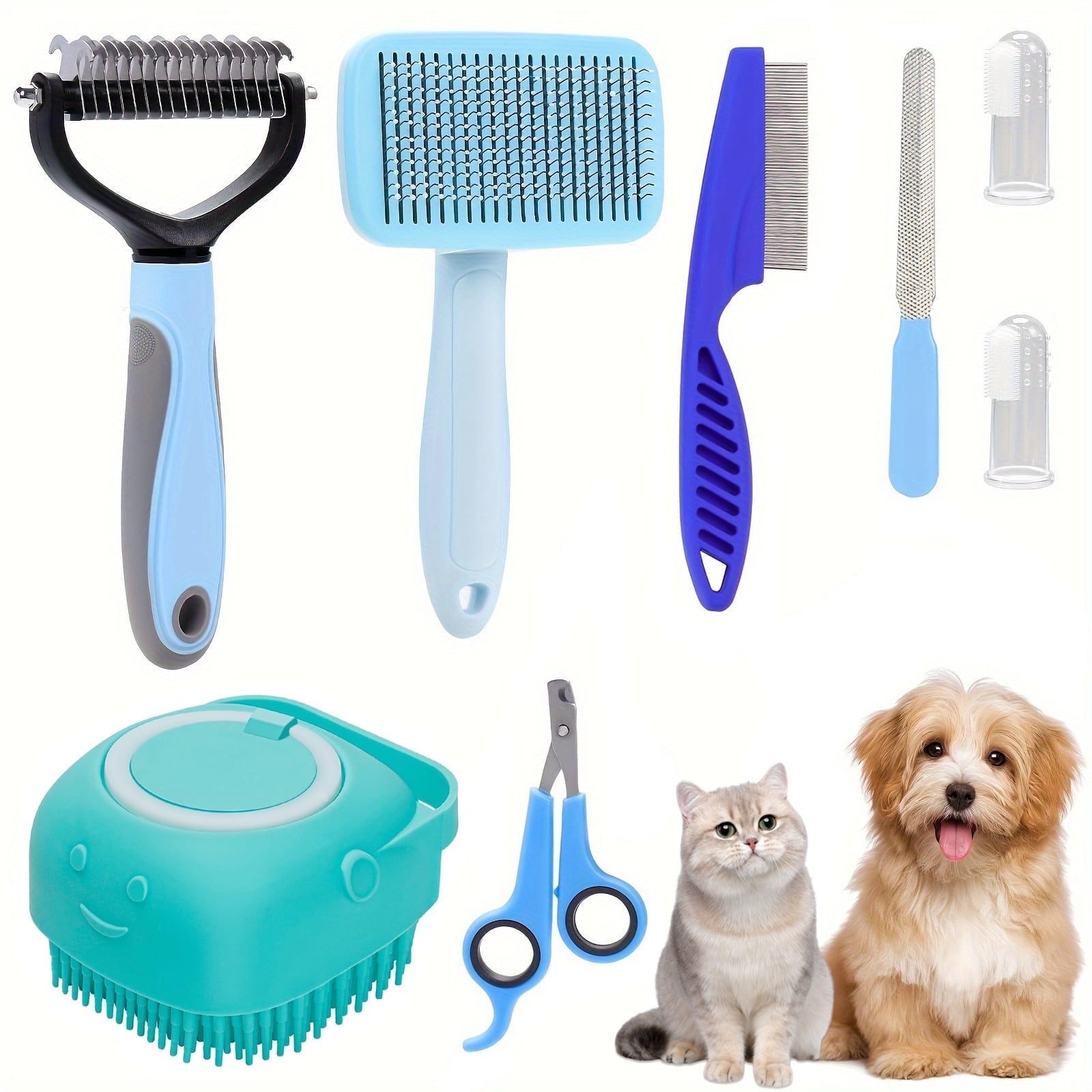
Cat grooming tools come in many types, each designed to handle matted fur gently and effectively. Using the right tool makes grooming easier and more comfortable for your cat. These tools help remove tangles and mats without hurting your pet’s skin.
Choosing the correct grooming tool depends on your cat’s fur type and the mat size. Some tools focus on loosening mats, while others remove loose fur. Understanding these tools helps keep your cat’s coat healthy and shiny.
Dematting Combs
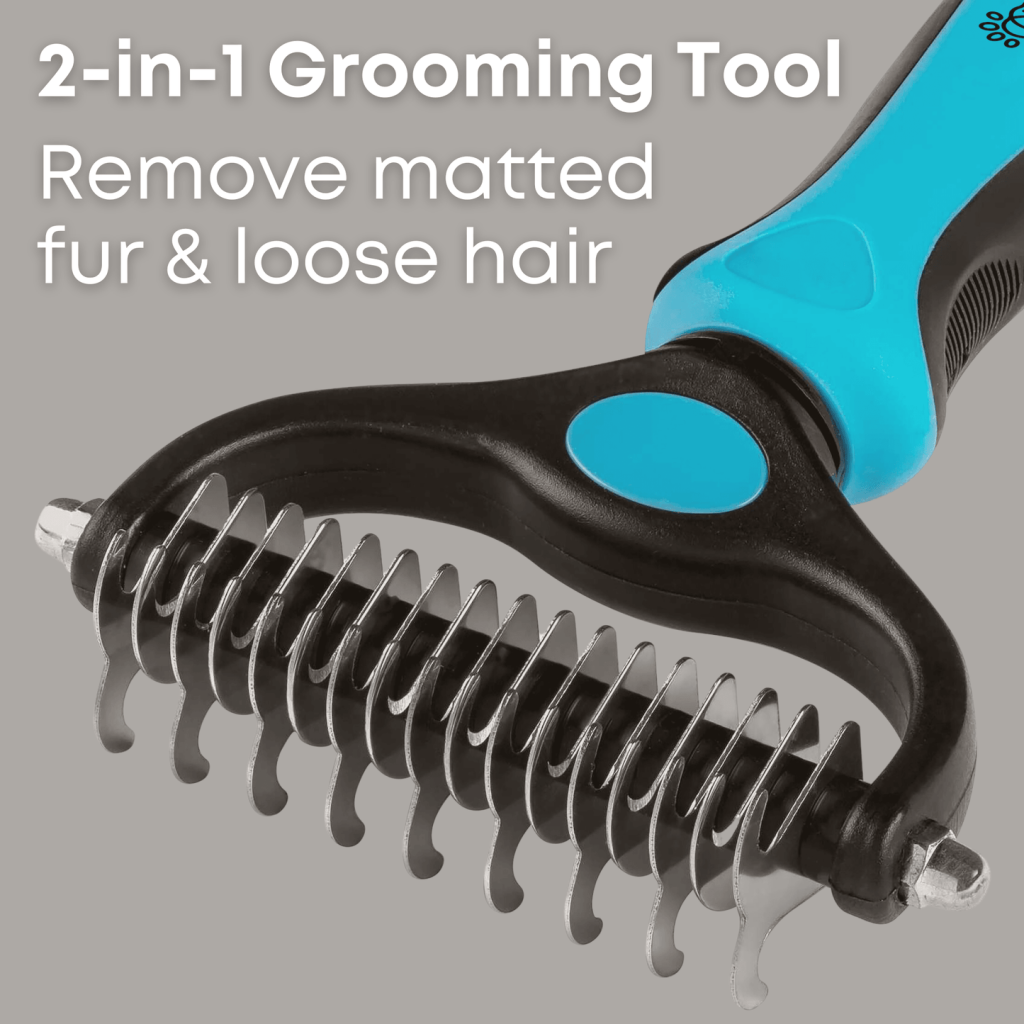
Dematting combs have sharp teeth that cut through tough mats. They help break up dense tangles safely. These combs work well on medium to large mats. Use gentle strokes to avoid pulling your cat’s fur.
Undercoat Rakes
Undercoat rakes remove loose fur from the thick undercoat. They reduce shedding and prevent new mats from forming. The wide teeth reach deep into dense fur. These rakes are perfect for cats with thick coats.
Slicker Brushes
Slicker brushes have fine wire bristles to smooth the fur. They remove loose hair and small knots. These brushes improve coat texture and shine. Use them regularly for maintenance and to prevent mats.
Mat Splitters
Mat splitters help cut large mats into smaller pieces. They make removing mats less painful for your cat. These tools work best on stubborn, thick mats. Use with care to avoid skin irritation.
Selecting The Right Tool
Selecting the right tool for grooming matted fur can make the process easier and less stressful for your cat. Using the proper tool helps remove mats gently without hurting your pet. It also saves time and keeps your cat’s coat healthy and smooth.
Fur Type Considerations
Different cats have different fur types. Long-haired cats need tools that can reach deep mats. Short-haired cats require gentler brushes to avoid skin irritation. Some tools work better on thick fur, while others suit fine coats.
Assess your cat’s fur before choosing a tool. This ensures the tool matches the fur’s thickness and length. It helps prevent damage to the skin and fur during grooming.
Tool Quality And Comfort
Choose grooming tools made from durable materials. Sharp blades or strong bristles work best for tough mats. Look for ergonomic handles to keep your hand comfortable.
Comfort is important for both you and your cat. A tool that feels good in your hand allows better control. Soft grips reduce hand fatigue during long grooming sessions.

Credit: www.amazon.com
Techniques For Removing Mats
Matted fur is uncomfortable for cats and needs gentle care. Removing mats requires patience and the right approach. Using proper techniques helps protect your cat’s skin and fur. Understanding how to groom effectively reduces stress for your pet. This section explains safe, clear ways to handle matted fur.
Step-by-step Grooming
Start by calming your cat in a quiet space. Use a wide-toothed comb to gently loosen the mat edges. Hold the fur close to the skin to avoid pulling. Slowly work through the mat, separating small sections at a time. Use a mat splitter or dematting tool for tough knots. Always comb in the direction of hair growth. Trim mats only if they are too tight to comb out. Use scissors carefully to avoid cutting the skin. Reward your cat with treats and breaks to keep it relaxed.
Safety Tips For Cats
- Check your cat’s skin for redness or sores before grooming.
- Never force a mat apart; stop if your cat shows discomfort.
- Use grooming tools designed for cats to prevent injuries.
- Keep your cat calm to reduce sudden movements during grooming.
- Avoid shaving mats unless recommended by a veterinarian.
- Watch your cat’s body language for signs of stress.
- Keep nails trimmed to prevent scratching during grooming sessions.
Preventing Future Mats
Preventing mats in your cat’s fur is easier than dealing with them once they form. Consistent care and attention to your cat’s grooming needs can save both of you from discomfort and stress. Let’s look at practical ways to keep your cat’s coat smooth and tangle-free.
Regular Grooming Schedule
Setting a regular grooming schedule is key to stopping mats before they start. Brushing your cat’s fur every day or every other day helps remove loose hair and prevents tangles from turning into mats.
Try different brushes to find what your cat prefers—some love soft bristle brushes, while others respond better to combs designed for detangling. Pay special attention to areas prone to matting, like behind the ears, under the legs, and around the collar.
Have you noticed how your cat behaves during grooming? A relaxed pet often means you’re using the right tools and technique, which encourages regular sessions. Make grooming a positive experience by offering treats or gentle praise.
Diet And Health Factors
Your cat’s diet directly affects the condition of their fur. A balanced diet rich in omega-3 and omega-6 fatty acids supports a healthy, shiny coat less prone to mats.
Dehydration or skin issues can also lead to dry, brittle fur that mats easily. Regular vet checkups help catch these problems early and keep your cat’s skin and coat in top shape.
Think about your cat’s overall health—are they grooming themselves properly? Sometimes, health issues or pain can reduce their grooming behavior, increasing mat formation. Observing these signs can help you intervene sooner.

Credit: www.amazon.com
Professional Grooming Services
Professional grooming services can help manage severe matted fur on cats. Expert groomers have the right tools and skills to handle tough mats safely. They reduce stress for both cats and owners during the grooming process. These services ensure your cat’s coat stays healthy and comfortable.
When To Seek Help
Seek professional grooming if mats are tight or close to the skin. Avoid cutting mats yourself to prevent injuries. Notice if your cat shows pain or resists brushing. Large mats can cause skin infections and need expert care. Regular grooming may not remove deep mats. Professional help is best for stubborn tangles.
What To Expect
Groomers will assess the condition of your cat’s fur first. They may use special tools to gently detangle mats. In some cases, shaving may be necessary for severe mats. The process is done carefully to avoid hurting your cat. Groomers also check your cat’s skin for irritation. Most sessions include nail trimming and ear cleaning. Your cat will feel cleaner and more comfortable afterward.
Frequently Asked Questions
What Are The Best Tools For Removing Matted Cat Fur?
The best tools include dematting combs, slicker brushes, and mat splitters. These tools gently detangle and remove mats without hurting your cat’s skin. Choose tools designed specifically for cats to ensure safety and effectiveness.
How Often Should I Groom My Cat’s Matted Fur?
Groom matted fur at least once a week to prevent mats from worsening. Regular grooming keeps your cat comfortable and maintains healthy fur. Frequent checks help catch mats early before they become severe.
Can I Use Human Brushes On My Cat’s Matted Fur?
No, human brushes are not suitable for cat fur. Cat fur is finer and requires specialized grooming tools. Using the wrong brush can hurt your cat’s skin and worsen mats.
Is Professional Grooming Necessary For Severe Cat Mats?
Yes, professional groomers have the right tools and experience to handle severe mats safely. They can remove mats without causing pain or injury. Seek professional help if mats are too tight or close to the skin.
Conclusion
Keeping your cat’s fur free from mats needs the right tools and care. Regular brushing stops mats from forming. Use combs and brushes designed for matted fur. Be patient and gentle to avoid hurting your cat. Small daily sessions work better than long ones.
Healthy fur means a happy cat. Choose tools that fit your cat’s fur type. Start grooming early to build trust. Good grooming helps your cat feel comfortable and clean. Simple steps make a big difference in your cat’s health.
