

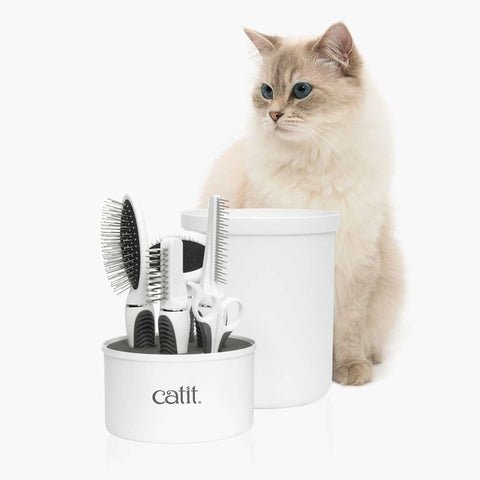
If you have a long-haired cat, you know how important it is to keep their coat smooth and tangle-free. But finding the right grooming tools can be tricky.
You want something that makes grooming easy, comfortable, and effective for both you and your furry friend. You’ll discover the best cat grooming tools designed specifically for long-haired cats. These tools will help you reduce shedding, prevent mats, and keep your cat looking their best.
Keep reading to learn how to make grooming a simple, stress-free part of your routine.

Credit: www.amazon.ca
Choosing The Right Brush
Choosing the right brush for a long-haired cat is essential for maintaining its coat. The perfect brush removes tangles and dirt without hurting your cat. Each brush type serves a special purpose. Knowing the benefits helps pick the right one for your furry friend.
Slicker Brushes
Slicker brushes have fine, short wires close together. They work well to remove mats and loose hair. These brushes reach deep into thick fur without scratching the skin. Regular use prevents tangles and keeps the coat smooth.
Pin Brushes
Pin brushes have widely spaced metal pins with rounded tips. They gently detangle and remove debris. These brushes help distribute natural oils, making fur shiny. Ideal for daily brushing to keep long hair neat.
Bristle Brushes
Bristle brushes have soft, natural or synthetic bristles. They polish the coat and remove surface dust. These brushes are perfect for sensitive skin and finishing touches. Use them after other brushes for a sleek look.
Combs For Tangles And Mats
Long-haired cats are beautiful, but their coats can quickly become a tangled mess. Combs designed specifically for tangles and mats help you manage those stubborn knots without hurting your furry friend. Choosing the right comb is key to making grooming a calm and effective routine.
Wide-tooth Combs
Wide-tooth combs are gentle heroes for detangling long fur. Their spaced-apart teeth slide through thick hair with less pulling, which keeps your cat comfortable during grooming. If your cat has large mats, start with a wide-tooth comb to carefully loosen them before using finer tools.
These combs are also great for daily use to prevent mats from forming. You’ll notice that your cat’s coat looks smoother and feels softer after regular combing. Have you tried a wide-tooth comb and seen how much easier grooming can be?
Flea Combs
Flea combs have very fine teeth close together, designed to catch tiny pests and their eggs. While their main job is pest control, they also help remove small tangles and loose fur. Using a flea comb after a wide-tooth comb can give your cat’s coat a thorough finish.
Flea combs require patience, as you’ll need to comb through small sections at a time. But they’re a great tool to keep on hand, especially if your cat spends time outdoors. Have you noticed how much cleaner and healthier your cat’s fur looks after a good flea comb session?
Clippers And Scissors
Clippers and scissors are essential tools for grooming long-haired cats. They help keep the coat neat and prevent mats and tangles. Using the right tools makes grooming safer and easier for both you and your cat.
Grooming Scissors
Grooming scissors have sharp, precise blades made for cutting fur gently. They come in different shapes, like straight or curved. Curved scissors help follow the body shape, giving a natural look.
Choose scissors with rounded tips to avoid accidental cuts. Lightweight scissors reduce hand fatigue during long grooming sessions. Regular cleaning keeps scissors sharp and safe.
Electric Clippers
Electric clippers cut thick fur quickly and evenly. Look for clippers with adjustable blades for different fur lengths. Quiet clippers reduce stress for nervous cats.
Use clippers with a comfortable grip to control better. Clean and oil the blades regularly to prevent pulling fur. Always test clippers on a small area first to check your cat’s reaction.

Credit: www.amazon.com
De-shedding Tools
De-shedding tools are essential for managing the thick undercoat of long-haired cats. These tools help reduce shedding by removing loose fur before it ends up all over your home. Using the right de-shedding tool not only keeps your cat comfortable but also saves you time cleaning up.
Undercoat Rakes
Undercoat rakes are designed specifically to reach deep into your cat’s dense fur. Their widely spaced, sharp teeth gently pull away loose undercoat without hurting your cat’s sensitive skin.
I once tried an undercoat rake on my Maine Coon, and it made a huge difference. Not only did it reduce the amount of fur she shed daily, but it also helped prevent painful mats from forming.
When using an undercoat rake, focus on areas where mats commonly appear, like behind the ears and around the neck. You’ll notice less fur on your clothes and furniture in no time.
Furminators
Furminators are popular de-shedding tools known for their stainless steel blades that effectively remove loose fur from the undercoat. They work best when used gently to avoid irritating your cat’s skin.
Many cat owners find Furminators helpful during seasonal shedding spikes. Using one on your long-haired cat can dramatically cut down the fur tumbleweeds that roll around your house.
Try to use a Furminator once or twice a week during heavy shedding periods. Your cat will thank you with a softer, healthier coat, and your vacuum cleaner will get a break.
Bathing Supplies
Bathing long-haired cats can be a challenge, but having the right supplies makes all the difference. Your cat’s thick fur needs gentle care to stay clean and tangle-free. Choosing the proper bathing tools helps protect their coat and skin while making the experience less stressful for both of you.
Cat Shampoos
Not all shampoos are safe for cats, especially those with sensitive skin. Look for shampoos specifically formulated for cats with long hair to avoid dryness or irritation.
Some shampoos contain conditioners that help detangle and soften your cat’s fur. If your cat has allergies or skin issues, hypoallergenic or oatmeal-based shampoos can provide extra comfort.
Have you ever noticed how certain shampoos leave a lasting scent? Pick one with a mild fragrance or unscented option to keep your cat relaxed during bath time.
Drying Towels And Brushes
After a bath, drying your long-haired cat properly is crucial to prevent mats and skin problems. Choose thick, absorbent towels designed to soak up water quickly without roughing up the fur.
Microfiber towels work wonders because they are gentle and dry your cat faster. You might find that wrapping your cat in a soft towel calms them down after the bath.
Once mostly dry, use a wide-toothed comb or a slicker brush to gently remove tangles. Regular brushing during drying not only detangles but also distributes natural oils, keeping the coat shiny and healthy.

Credit: catit.ca
Additional Grooming Accessories
Long-haired cats need more than just brushes and combs to stay healthy and comfortable. Additional grooming accessories help you manage their overall hygiene and prevent issues before they start. These tools can make a big difference in keeping your cat happy and looking great.
Nail Clippers
Keeping your cat’s nails trimmed is crucial, especially for long-haired breeds prone to matting around their paws. Using sharp, safe nail clippers designed for cats prevents overgrowth and reduces the risk of scratches or injury.
Look for clippers with a comfortable grip and a safety guard to avoid cutting too deep. If your cat resists, try clipping just one or two nails at a time and reward them with treats. Have you noticed how much calmer your cat becomes once their nails are regularly trimmed?
Ear And Eye Care Tools
Long-haired cats often have more debris and discharge around their ears and eyes. Gentle ear cleaners and soft cotton pads or wipes designed for cats can keep these sensitive areas clean.
Regular checks help you spot infections or irritation early. Be gentle and avoid using cotton swabs deep inside the ear canal, as this can cause damage. Do you check your cat’s eyes and ears during grooming sessions, or do you leave it to the vet?
Tips For Grooming Long-haired Cats
Grooming long-haired cats can be a rewarding experience if you know the right approach. Their thick, flowing coats need more attention than short-haired breeds, but regular care prevents mats and keeps your feline friend comfortable. Understanding how to handle sensitive spots and sticking to a consistent routine makes grooming less stressful for both of you.
Regular Grooming Schedule
Setting up a regular grooming schedule is essential. Long-haired cats should ideally be brushed daily or at least every other day to stop tangles before they form. Skipping days often leads to painful mats that can irritate your cat’s skin.
Try to pick a quiet time when your cat feels relaxed, like after a meal or nap. This can make the process smoother and more enjoyable. Have your grooming tools ready—like a slicker brush, wide-tooth comb, and detangling spray—to work efficiently.
Ask yourself: Could skipping grooming be causing your cat discomfort without you realizing it? Staying consistent helps you spot changes in your cat’s coat or skin early, giving you a chance to act before problems get serious.
Handling Sensitive Areas
Long-haired cats often have sensitive spots around their ears, belly, and behind their legs. These areas can be tricky and may cause your cat to react defensively if handled roughly. Approach these zones gently and watch your cat’s body language carefully.
Start by softly petting these spots to build trust. Use a soft-bristled brush or your fingers to detangle any mats carefully. If your cat resists, try breaking the grooming into shorter, more frequent sessions to avoid stress.
Have you noticed your cat flinching or moving away from certain touches? That’s a sign to slow down and be more patient. Handling sensitive areas with care not only helps keep your cat’s coat healthy but also strengthens your bond.
Frequently Asked Questions
What Are The Best Brushes For Long Haired Cats?
The best brushes for long haired cats are slicker brushes and wide-toothed combs. They remove tangles gently and reduce shedding. These tools prevent matting and keep the fur smooth and healthy.
How Often Should I Groom My Long Haired Cat?
Groom your long haired cat at least 3-4 times a week. Frequent grooming prevents mats and reduces hairballs. Regular brushing keeps their coat shiny and healthy.
Can Grooming Reduce Shedding In Long Haired Cats?
Yes, grooming helps reduce shedding significantly. Regular brushing removes loose fur before it falls off. This keeps your home cleaner and your cat more comfortable.
Are Grooming Tools Safe For Sensitive Cat Skin?
Yes, quality grooming tools are designed for sensitive cat skin. Use soft bristle brushes and gentle combs to avoid irritation. Always brush carefully to ensure your cat’s comfort.
Conclusion
Choosing the right grooming tools helps keep long-haired cats healthy and happy. Regular brushing stops mats and reduces shedding. Soft brushes and wide-tooth combs work well for gentle care. Nail clippers and ear cleaners keep cats comfortable and clean. Consistent grooming builds trust and strengthens your bond.
Enjoy the time spent caring for your furry friend. Simple tools and patience make grooming easier every day. Your cat will thank you with a shiny, soft coat.
