

Taking care of your cat’s coat is more than just keeping them looking good—it’s about their health and happiness too. If you want your furry friend to feel comfortable, avoid painful mats, and shine with a healthy glow, you need the right grooming routine.
But where do you start? This guide will give you simple, effective cat grooming tips that you can use right away. By the time you finish reading, you’ll know exactly how to make grooming a stress-free and enjoyable experience for both you and your cat.
Ready to transform your cat’s care? Let’s dive in!

Credit: www.youtube.com
Benefits Of Grooming Your Cat
Grooming your cat is more than just keeping it clean. It offers many benefits that improve your cat’s life and your home environment. Regular grooming helps maintain your cat’s health and comfort. It also creates a better bond between you and your pet. Here are some key benefits of grooming your cat.
Health Improvements
Grooming removes dirt and dead hair from your cat’s coat. It helps prevent skin problems like infections and irritation. Brushing stimulates blood flow and spreads natural oils for a shiny coat. Checking your cat during grooming helps find lumps or wounds early. This care supports your cat’s overall health and well-being.
Reducing Shedding
Regular brushing reduces loose fur around your home. It catches hair before your cat sheds it on furniture or clothes. This lowers allergies and keeps your living space cleaner. Grooming also prevents hairballs by removing excess fur your cat might swallow. Shedding control makes life easier for both you and your cat.
Strengthening Bond
Grooming time builds trust and comfort between you and your cat. Gentle brushing feels relaxing and shows love. It creates quiet moments that improve your relationship. Your cat learns to enjoy being handled, reducing stress during vet visits. These positive experiences deepen your connection every day.
Essential Grooming Tools
Essential grooming tools make cat care easier and more effective. Using the right tools keeps your cat clean and healthy. Grooming also helps build trust and comfort between you and your pet. Choosing the correct items depends on your cat’s coat type and needs.
Brush Types For Different Coats
Different coats need different brushes. Short-haired cats benefit from a soft bristle brush. It removes loose hair and dirt gently.
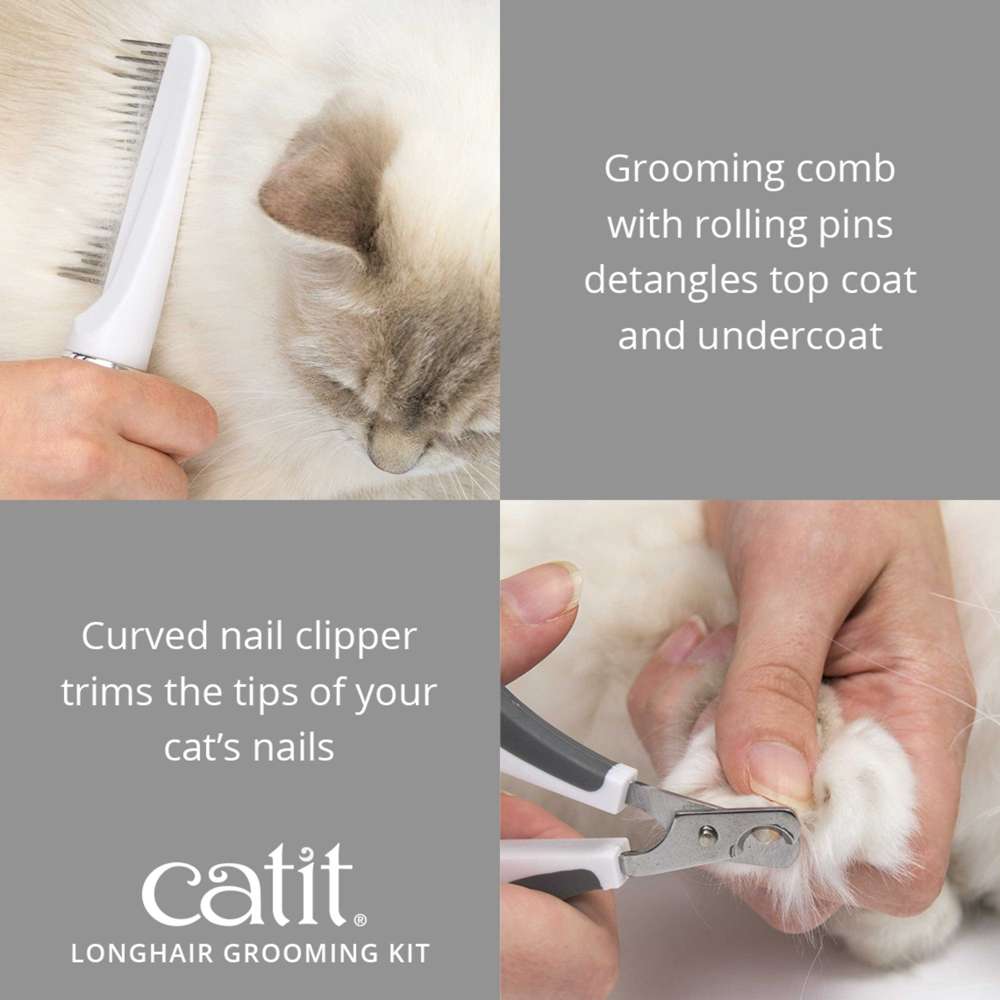
Long-haired cats need a slicker brush. It detangles and removes mats safely. A wide-toothed comb helps with stubborn knots.
For cats with sensitive skin, a rubber grooming glove works well. It massages and removes loose fur without causing pain.
Nail Clippers And Trimmers
Keeping your cat’s nails trimmed prevents damage and pain. Use clippers made for cats to avoid splitting nails.
Scissor-style trimmers suit thick nails. Guillotine-style clippers work well for small or thin nails. A nail file helps smooth sharp edges after clipping.
Shampoos And Conditioners
Choose shampoos designed for cats. Human or dog shampoos can irritate their skin. Mild, hypoallergenic formulas work best for sensitive skin.
Conditioners keep fur soft and shiny. They also help reduce tangles. Rinse thoroughly to avoid residue, which can cause itching.
Brushing Techniques
Brushing your cat is more than just a routine; it’s a chance to connect and keep your furry friend comfortable. The right brushing techniques can prevent hairballs, reduce shedding, and keep your cat’s coat shiny and healthy. Understanding how often and how to brush makes all the difference in creating a positive experience for both you and your cat.
Daily Vs Weekly Brushing
How often you brush your cat depends on their coat type and personality. Long-haired cats usually need daily brushing to avoid mats and tangles, while short-haired breeds might do well with a weekly session.
Pay attention to your cat’s response. If they seem stressed or try to escape, shorter but more frequent sessions might work better than one long brush.
- Daily brushing helps catch loose fur before it falls around the house.
- Weekly brushing is fine for low-maintenance coats but still reduces shedding and dirt build-up.
Handling Mats And Tangles
Mats can be painful for cats and tricky for you to remove. Start by gently separating the fur with your fingers to loosen the mat before using a comb or brush.
Use a wide-toothed comb for stubborn tangles. Work slowly and patiently, stopping if your cat shows discomfort.
- Try a detangling spray designed for cats to soften mats.
- Never pull hard; it can hurt your cat and make them wary of grooming.
Have you noticed where mats tend to form on your cat? Spotting these areas early makes your job easier.
Dealing With Sensitive Areas
Some cats are ticklish or sensitive around the belly, tail, or paws. Approach these spots with extra care.
Start by brushing less sensitive areas to build trust. Use gentle strokes and pause often to check your cat’s comfort.
- Distract your cat with treats or a soothing voice while brushing sensitive spots.
- If your cat resists, try brushing those areas last or break the session into smaller parts.
Think about how your own comfort affects patience. How would you feel if someone rushed through a sensitive touch? Your cat feels the same way.
Credit: catit.us
Bathing Your Cat
Bathing your cat can seem like a daunting task, but it’s sometimes necessary to keep your feline friend clean and healthy. Unlike dogs, cats usually groom themselves well, but certain situations call for a bath. Understanding the right time and the best way to bathe your cat can make the experience less stressful for both of you.
When To Bathe
Not every cat needs a regular bath. Bathing is best reserved for when your cat is particularly dirty, has gotten into something sticky or harmful, or has a skin condition that requires treatment.
If your cat has long fur, occasional baths can help prevent mats and tangles. However, cats with sensitive skin or certain health issues might need less frequent bathing, so always check with your vet.
Ask yourself: Has your cat rolled in something smelly or sticky? Or is your cat showing signs of skin irritation? These are good reasons to consider a bath.
Step-by-step Bathing Guide
- Prepare everything beforehand:Gather cat shampoo, a cup for rinsing, towels, and a non-slip mat for the sink or tub.
- Use lukewarm water:Cats are sensitive to temperature, so make sure the water is comfortable to the touch.
- Gently wet your cat:Use a cup or sprayer to wet your cat slowly, avoiding the head.
- Apply cat-specific shampoo:Lather gently, focusing on dirty spots but avoiding the face and ears.
- Rinse thoroughly:Ensure all shampoo is washed out to prevent irritation.
- Clean the face carefully:Use a damp cloth to wipe your cat’s face instead of pouring water.
Drying Tips
After the bath, wrap your cat in a large, warm towel to absorb most of the water. Pat dry instead of rubbing to avoid tangling fur or irritating skin.
If your cat tolerates it, a blow dryer on the lowest, coolest setting can speed up drying. Keep the dryer moving and maintain a safe distance to prevent burns.
Remember, cats dislike being wet and cold, so keep your home warm and cozy during drying. Have you noticed how your cat behaves after a bath? Their comfort during drying can make a big difference in how they feel about future baths.
Nail Care And Maintenance
Nail care is an important part of cat grooming. Keeping your cat’s nails trimmed prevents damage to furniture and skin. It also helps your cat stay comfortable and healthy. Proper nail maintenance reduces the risk of infections and painful nail breaks. Regular care keeps claws at a safe length and avoids overgrowth.
Trimming Basics
Use a sharp, small nail clipper made for pets. Hold your cat’s paw gently but firmly. Trim only the sharp tip of each nail. Avoid cutting the pink part called the quick, which has blood vessels. Cut a little at a time. Stop if your cat shows signs of stress.
Avoiding Common Mistakes
- Do not cut nails too short.
- Avoid rushing; stay calm and patient.
- Never pull the nail out to trim.
- Keep trimming sessions short to prevent fear.
- Do not ignore sharp or broken nails.
Using Scratch Posts
Scratch posts help cats maintain healthy nails naturally. They allow cats to shed old nail layers safely. Provide posts made of rough materials like sisal or wood. Place posts in favorite resting or playing spots. Encourage your cat to use them by rubbing catnip on the surface.
Managing Shedding And Hairballs
Managing shedding and hairballs is essential to keep your cat comfortable and your home cleaner. Excess shedding can lead to fur all over your furniture, and hairballs can cause discomfort or even health issues for your feline friend. Understanding how to control these problems will make grooming easier for both of you.
Diet And Hydration
Your cat’s diet plays a big role in the health of their coat and skin. Foods rich in omega-3 and omega-6 fatty acids help reduce shedding by keeping fur strong and less prone to breakage.
Hydration also matters. Cats often don’t drink enough water, which can dry out their skin and increase shedding. Try adding wet food to their diet or using a cat water fountain to encourage drinking.
Regular Grooming Routines
Brushing your cat regularly removes loose fur before it falls off around your house. Depending on your cat’s coat length, brushing once or twice a week might be enough, but long-haired cats often need daily attention.
Use the right tools: a slicker brush works well for thick coats, while a rubber brush suits short hair. Pay attention to your cat’s favorite spots to brush to make the experience pleasant and stress-free.
Hairball Prevention
Hairballs happen when cats swallow loose fur during grooming. To reduce hairballs, increase grooming sessions to catch loose fur early. You can also add hairball control treats or supplements that help fur pass through the digestive system smoothly.
Watch for signs of hairball trouble like frequent coughing or gagging. If your cat struggles, consult your vet for advice on safe remedies or diet adjustments.
Handling Grooming Challenges
Grooming cats can be tricky. Some cats do not like being touched or brushed. This can make grooming stressful for both the cat and the owner. Handling these challenges with patience and care helps make grooming easier and safer. Understanding your cat’s feelings and behavior is key to success.
Calming Anxious Cats
Anxious cats need a calm environment. Use a quiet room with few distractions. Speak softly to soothe your cat. Let the cat sniff the brush before starting. Short grooming sessions work best. Stop if your cat shows stress signs like growling or hiding. Try using gentle petting to build trust over time.
Dealing With Aggression
Some cats react with aggression during grooming. Watch for swatting, biting, or hissing. Use a thick towel to wrap your cat gently. This protects you and keeps the cat calm. Avoid forcing grooming; take breaks when needed. Give treats after each session to create positive feelings. Stay calm and patient to reduce aggression.
Seeking Professional Help
Professional groomers handle difficult cats daily. They have tools and skills to manage tough cases. Consider a groomer if grooming causes stress or injury. Vets can also help with grooming advice or sedation if needed. Professionals keep your cat safe and comfortable during grooming. Trust their experience to improve your cat’s grooming routine.

Credit: www.latimes.com
Frequently Asked Questions
How Often Should I Groom My Cat?
Cats with short hair need grooming once a week. Long-haired cats require grooming every day or every other day to prevent mats and tangles.
What Tools Are Best For Cat Grooming?
Use a soft-bristle brush for short hair. For long hair, a wide-toothed comb and slicker brush work best. Nail clippers and grooming wipes are helpful too.
Can Grooming Reduce Cat Hair Shedding?
Yes, regular grooming removes loose fur. This reduces shedding around your home and prevents hairballs from forming in your cat’s stomach.
How Do I Safely Bathe My Cat?
Use lukewarm water and cat-specific shampoo. Keep water away from ears and eyes. Rinse thoroughly and dry gently with a towel.
Conclusion
Regular grooming keeps your cat healthy and happy. Brushing removes loose fur and prevents mats. Check your cat’s skin for any problems. Trim nails carefully to avoid injury. Clean ears gently to stop infections. Make grooming a calm, fun time together.
Small efforts protect your cat’s coat and comfort. Healthy fur means a healthier, more content pet. Keep these simple tips in mind daily. Your cat will thank you with love and purrs.
