

Are you looking to give your cat a fresh, stylish look that suits their personality? Choosing the right cat grooming style can make a big difference—not just in how your furry friend looks, but in how comfortable and happy they feel.
Whether your cat has long, fluffy fur or a short, sleek coat, the grooming style you pick can help keep them clean, reduce shedding, and even prevent health issues. You’ll discover popular cat grooming styles, easy tips to try at home, and expert advice to keep your cat looking and feeling their best.
Ready to transform your cat’s grooming routine? Let’s dive in!
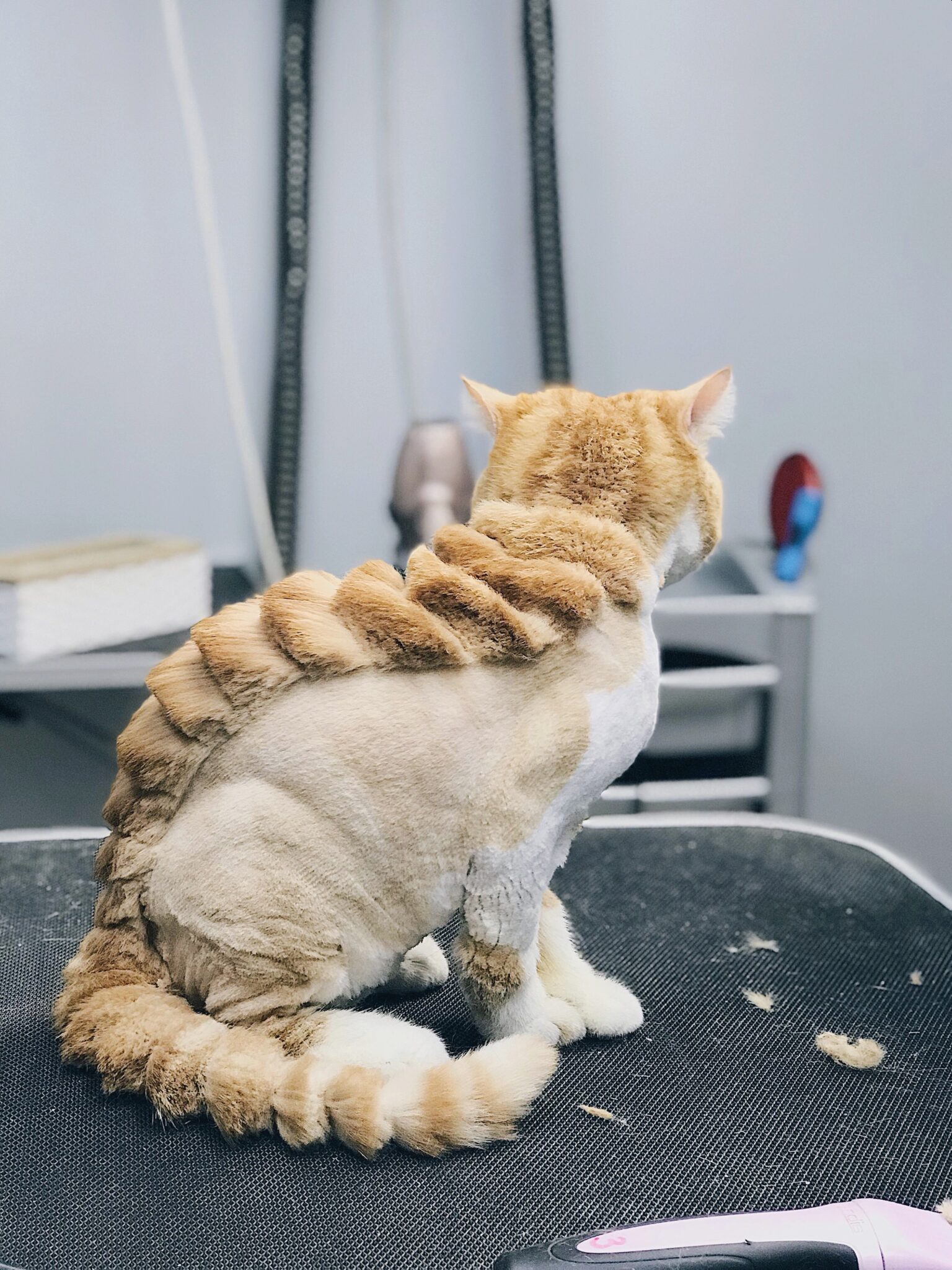
Credit: vogdog.com
Popular Cat Grooming Styles
Choosing the right grooming style for your cat can make a huge difference in their comfort and appearance. Popular cat grooming styles help manage fur length, reduce shedding, and keep your feline friend looking sharp. Each style fits different needs, whether it’s for easier maintenance or just a fresh new look.
Lion Cut
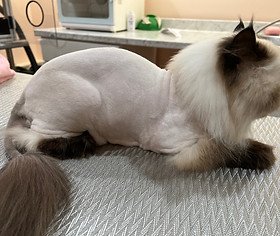
The Lion Cut leaves your cat with a mane around the head and neck, while the rest of the body is shaved close. It’s perfect for long-haired cats prone to mats and tangles. Many cat owners find this style helps their pets stay cool in warmer months.
Have you noticed how your cat reacts to a Lion Cut? Some cats enjoy the lighter feel, while others might take time to get used to the change.
Teddy Bear Cut
This style keeps the fur short but fluffy, resembling a soft teddy bear. It’s a great way to keep your cat neat without shaving them too close. The Teddy Bear Cut works well for cats with thick, plush coats.
Does your cat like to be cuddled? The soft texture after a Teddy Bear Cut might make snuggle time even better.
Short Trim
A Short Trim simply shortens the fur evenly all over the body. It’s a low-maintenance option that helps reduce shedding and hairballs. This style suits cats who don’t need a dramatic change but could benefit from a tidy look.
Think about your cat’s daily activity—does a Short Trim help keep them cleaner and more comfortable?
Natural Coat
Some cats look best with their natural coat untouched. Regular brushing keeps the fur healthy and shiny without cutting. This style respects your cat’s unique fur pattern and texture while preventing mats through proper care.
How often do you brush your cat? A consistent routine can maintain their natural coat beautifully.
Summer Cut
The Summer Cut is designed to keep cats cool by shaving most of the body while leaving a bit of fur on the legs and tail. It’s especially useful in hot climates or for cats that spend time outdoors. This style reduces heat stress and helps prevent overheating.
Have you considered how a Summer Cut might improve your cat’s comfort during hot days?
Choosing The Right Style
Choosing the right grooming style for your cat is essential for both their comfort and health. The style you pick should match their natural traits and lifestyle, not just what looks good. Paying attention to specific factors will help you find a grooming approach that keeps your cat happy and looking their best.
Consider Your Cat’s Breed
Different breeds have unique grooming needs. A Persian’s long, thick fur demands more maintenance than a short-haired Siamese. Knowing your cat’s breed can guide you toward styles that highlight their natural beauty and suit their coat’s requirements.
For example, some breeds benefit from a “lion cut” to reduce matting, while others might do better with simple trimming. Have you noticed how your cat’s breed influences their shedding or comfort? This insight can steer your grooming choices effectively.
Assess Coat Type
Is your cat’s coat fine and silky or dense and curly? The texture affects how often you need to groom and what style fits best. Thick coats may require regular trimming to prevent knots, while thinner coats might only need occasional brushing.
Consider if your cat’s fur easily mats or sheds heavily. These details help determine whether a full shave, partial trim, or just regular brushing is ideal. What coat challenges have you faced with your cat that grooming could solve?
Evaluate Your Cat’s Temperament
Your cat’s personality plays a big role in choosing a grooming style. Some cats tolerate full grooming sessions, while others get stressed easily. A calm cat might handle a detailed trim, but a nervous one may do better with minimal grooming.
Think about your cat’s reaction to brushing and clipping. You want a style that improves their comfort, not creates anxiety. How patient is your cat during grooming? This can guide how much grooming is practical.
Climate And Seasonal Factors
Where you live affects your cat’s grooming needs. In hot climates, shorter trims can help keep your cat cool. Conversely, in colder areas, leaving more fur can provide natural insulation.
Seasonal changes also matter. You might choose a lighter style in summer and a fuller coat in winter. Have you noticed your cat’s behavior or comfort shift with the seasons? Adjusting grooming styles accordingly supports their wellbeing.
Tools For Grooming
Choosing the right tools for grooming your cat can make a huge difference in keeping their coat healthy and shiny. Each tool serves a unique purpose, helping you handle various grooming tasks smoothly. Understanding these essentials will save you time and keep your cat comfortable during grooming sessions.
Brushes And Combs
Brushes and combs are the foundation of cat grooming. A slicker brush works wonders for removing loose fur and preventing mats, especially if your cat has long hair. For short-haired cats, a bristle brush helps distribute natural oils and keeps the coat smooth.
Combs are great for spotting tangles and mats early. Using a fine-toothed comb after brushing can catch hidden knots before they cause discomfort. Have you noticed your cat’s coat looking dull? Regular brushing with the right tools might be the simple fix you need.
Clippers And Scissors
Clippers and scissors are essential for trimming fur, especially around sensitive areas like the paws and belly. Clippers designed for pets are quieter and safer, reducing stress for your cat during grooming. Scissors with rounded tips help you avoid accidental cuts.
Many pet owners hesitate to trim their cat’s fur at home, but with the right tools and a steady hand, it’s manageable. Try trimming a small area first to see how your cat reacts. Have you considered a lion cut for your long-haired cat during hot months? Clippers make this style easy to achieve.
Nail Trimmers
Keeping your cat’s nails trimmed prevents scratches and damage to furniture. Nail trimmers designed specifically for cats make the task quick and safe. Avoid using human nail clippers, as they can split your cat’s nails.
If your cat resists nail trimming, try doing one nail at a time while offering treats. This builds trust and helps your cat associate grooming with positive experiences. How often do you check your cat’s nails? Regular trimming avoids painful overgrowth.
Shampoos And Conditioners
Choosing the right shampoo is key to maintaining your cat’s skin and coat health. Look for formulas made specifically for cats to avoid irritation. Conditioners help keep long fur soft and tangle-free after bathing.
Bathing your cat might seem daunting, but the right shampoo can make it easier and more effective. Use lukewarm water and keep sessions short to reduce stress. Have you tried a moisturizing conditioner to improve your cat’s coat texture? It can make a noticeable difference.

Credit: yandex.kz
Diy Grooming Tips
Grooming your cat at home can be a rewarding experience for both of you. It strengthens your bond and keeps your feline friend looking and feeling great. With the right approach, grooming becomes a calm and enjoyable routine instead of a stressful chore.
Preparing Your Cat
Start by choosing a quiet, comfortable space where your cat feels safe. Let your cat sniff and explore the grooming tools before you begin. This helps reduce anxiety and builds trust.
Try to groom your cat after a play session when they are more relaxed. Having treats on hand can also encourage positive behavior during grooming.
Step-by-step Grooming Process
- Brush gently:Use a brush suited to your cat’s fur type. Start with soft strokes and pay attention to sensitive areas like the belly and tail.
- Check for mats and tangles:Carefully work through any knots with a comb. Avoid pulling hard to prevent hurting your cat.
- Trim nails:Use a cat nail clipper and only trim the sharp tips. If your cat resists, try clipping just one or two nails at a time.
- Clean ears and eyes:Use a damp cotton ball to gently wipe away dirt. Never use cotton swabs inside the ear canal.
- Bathing:Only bathe your cat if necessary. Use lukewarm water and a cat-safe shampoo, and keep the experience brief and calm.
Safety Precautions
Always handle your cat gently but firmly to avoid sudden movements. Keep grooming sessions short to prevent stress and give your cat breaks if needed.
Make sure your tools are clean and sharp to reduce discomfort. If your cat shows signs of pain or aggression, stop immediately and try again later.
Be cautious with scissors near your cat’s skin. Using clippers designed for pets is often safer and more efficient.
Dealing With Grooming Challenges
Some cats resist grooming no matter what you try. Patience is key—offer praise and treats to create a positive association. Have you noticed your cat’s favorite spot to be groomed? Use that to your advantage.
If mats become severe, consider professional help instead of risking injury. For anxious cats, try using pheromone sprays or calming collars before grooming.
Remember, your calm attitude affects your cat’s mood. Staying relaxed can help your cat feel more secure during grooming sessions.
Professional Grooming Services
Professional grooming services offer a tailored approach to keeping your cat healthy and looking their best. These services go beyond simple brushing by addressing specific needs like mat removal, nail trimming, and coat styling. Trusting a skilled groomer can make a big difference, especially if your cat has a thick coat or is prone to skin issues.
When To Seek A Groomer
Consider professional grooming if your cat resists regular brushing at home or if you notice persistent mats and tangles. Cats with long or dense fur often benefit from expert care to prevent discomfort and skin problems. Also, if your cat shows signs of stress during grooming attempts, a professional can handle them with specialized techniques and tools.
What To Expect At The Salon
At the grooming salon, expect a thorough assessment of your cat’s coat and skin condition before the session begins. Groomers usually start with brushing and detangling, followed by trimming or shaving if needed. Many salons also offer extras like ear cleaning, nail clipping, and even gentle baths, all tailored to your cat’s tolerance level.
Cost And Frequency
Professional grooming costs vary widely depending on your location and the services your cat needs. Basic grooming sessions often range from $40 to $100, with extra charges for baths or specialty cuts. Frequency depends on your cat’s breed and coat type; some cats need grooming every 6 to 8 weeks, while others can go longer.
Choosing The Right Groomer
Look for groomers who specialize in cats and have positive reviews from other cat owners. Ask about their experience with your cat’s breed or coat type to ensure they understand specific needs. Visiting the salon beforehand to observe cleanliness and how staff handle animals can help you feel confident about leaving your cat in their care.
Credit: cats.com
Trends In Cat Grooming
Cat grooming has evolved far beyond basic brushing and bathing. Today’s trends show a creative and mindful approach, blending style with care. You might find yourself curious about what’s popular and how you can add a fresh touch to your cat’s look without compromising their comfort.
Creative Color Accents
Adding color to your cat’s fur is no longer just for special events. Subtle, pet-safe dyes highlight patches of fur, creating playful patterns or soft gradients. Imagine your cat sporting a gentle pastel streak along their tail or a splash of color around their ears—these accents can make grooming a fun way to express personality.
Have you ever thought about using color to make your cat stand out at the park or among friends? Just ensure the dyes are non-toxic and designed specifically for pets to keep your feline safe.
Seasonal Styles
Seasonal grooming is gaining traction, with styles shifting to match the weather and holidays. In summer, many owners opt for shorter trims to help their cats stay cool, while winter styles might feature fluffier cuts to retain warmth. You can even add themed accessories or temporary trims for holidays like Halloween or Christmas.
Do you pay attention to how your cat’s coat changes through the seasons? Adjusting their grooming routine can improve their comfort and health throughout the year.
Eco-friendly Grooming
More cat owners are choosing eco-friendly grooming products and methods. Natural shampoos, biodegradable wipes, and reusable grooming tools reduce environmental impact. This approach not only helps the planet but often results in fewer allergies or skin irritations for your cat.
What if your grooming routine could be kinder to both your pet and the environment? Trying eco-friendly options might surprise you with their effectiveness and gentle care.
Grooming Inspired By Celebrities
Celebrity pets set trends that many cat owners enjoy mimicking. From daring fur cuts to unique accessories, these styles inspire fresh looks. Following these trends can be a fun way to bond with your cat and show off their personality.
Have you noticed any celebrity cat looks you’d like to try on your own pet? Just remember to prioritize your cat’s comfort and safety above style.
Frequently Asked Questions
What Are Popular Cat Grooming Styles?
Popular cat grooming styles include the lion cut, teddy bear cut, and kitten cut. Each style suits different fur types and climates. Grooming styles help reduce shedding, matting, and keep cats comfortable and clean.
How Often Should Cats Be Groomed?
Cats should ideally be groomed once every 4 to 6 weeks. Long-haired cats may need grooming more often. Regular grooming prevents mats, reduces hairballs, and promotes healthy skin and coat.
Can Grooming Styles Affect Cat Health?
Yes, grooming styles can impact cat health. Proper grooming removes dirt and loose hair, preventing skin infections. It also helps detect parasites and abnormalities early. Avoid overly short cuts that expose sensitive skin to sunburn.
Is Professional Grooming Necessary For Cats?
Professional grooming is recommended for cats with thick or long fur. Groomers have tools and experience to handle mats safely. It reduces stress for both cats and owners and ensures thorough, safe grooming.
Conclusion
Choosing the right cat grooming style helps keep your pet happy and healthy. Regular grooming prevents mats and skin problems. Simple cuts can reduce shedding and make cleaning easier. Pay attention to your cat’s comfort during grooming sessions. Try different styles to find what suits your cat best.
Grooming also strengthens your bond with your furry friend. Small efforts bring big benefits for your cat’s well-being. Keep grooming gentle, short, and consistent for best results. Your cat will thank you with a shiny coat and bright eyes.
