

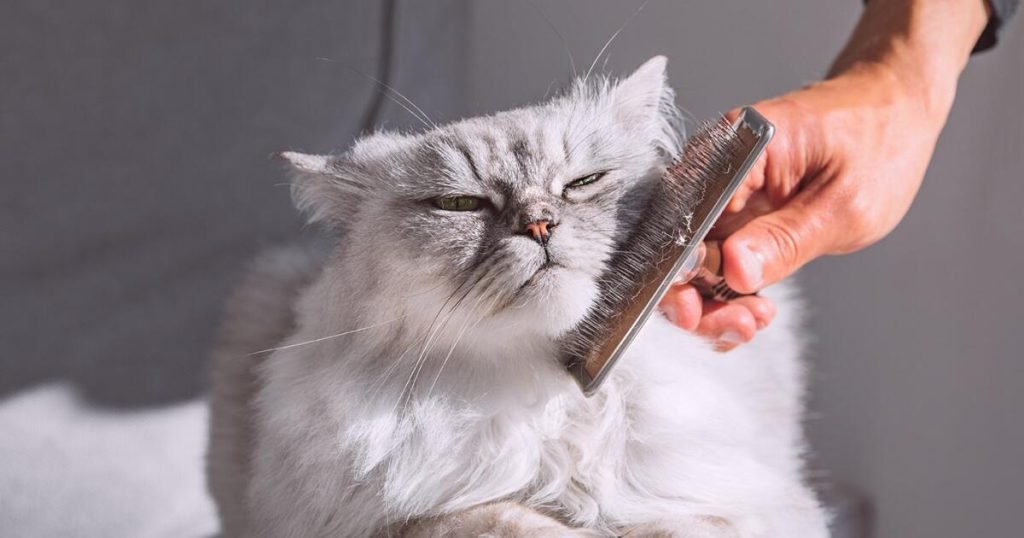
Taking care of your cat goes beyond feeding and playing. A good grooming routine is key to keeping your furry friend healthy and happy.
But where do you start? What steps should you follow, and how often? This guide will help you create a simple, effective cat grooming routine that fits your life and keeps your pet looking and feeling great. Keep reading—you and your cat deserve the best care possible.

Credit: danspetcare.com
Choosing The Right Grooming Tools
Choosing the right grooming tools is key to keeping your cat happy and healthy. The right tools make grooming easier and more effective. Different cats need different tools based on their coat type and grooming needs.
Using proper tools helps reduce hair loss and prevents skin problems. It also makes your cat feel more comfortable during grooming sessions. Knowing which tools suit your cat is the first step in a good grooming routine.
Brush Types For Different Coats
Short-haired cats need soft bristle brushes to remove loose hair gently. Medium-haired cats benefit from slicker brushes that can detangle and smooth fur. Long-haired cats require wide-tooth combs or pin brushes to prevent mats.
- Soft bristle brush: Ideal for short coats
- Slicker brush: Best for medium-length fur
- Wide-tooth comb: Prevents tangles in long coats
Essential Grooming Accessories
Besides brushes, some accessories are important. Nail clippers keep claws trimmed and safe. Grooming gloves help remove loose hair while petting. Ear cleaners maintain hygiene and prevent infections.
- Nail clippers: For safe claw trimming
- Grooming gloves: Remove loose fur easily
- Ear cleaner: Keeps ears clean and healthy
Safe And Comfortable Clippers
Clippers are useful for trimming thick or matted fur. Choose clippers with quiet motors to avoid scaring your cat. Blades should be sharp and safe to prevent skin cuts. Always use clippers designed for pets.
- Quiet motor: Reduces stress during grooming
- Sharp blades: Prevent pulling and skin injury
- Pet-specific design: Ensures safety and ease
Brushing Techniques For Cats
Brushing your cat is more than just a chore; it’s a chance to connect and care for their well-being. Using the right brushing techniques can keep your cat comfortable and their coat healthy. Let’s look at how you can brush effectively, making the experience pleasant for both of you.
Frequency And Timing
How often you brush your cat depends on their coat type. Short-haired cats usually need brushing once or twice a week, while long-haired breeds benefit from daily sessions to prevent tangles.
Choose a calm time when your cat feels relaxed, such as after a nap or playtime. This helps your cat stay patient and reduces the chance of resistance during grooming.
Handling Sensitive Areas
Areas like behind the ears, under the chin, and around the belly can be sensitive spots for your cat. Approach these gently by using soft, slow strokes to avoid startling them.
If your cat pulls away or shows discomfort, pause and try again later. Over time, this builds trust and helps your cat get used to being handled in these delicate zones.
Dealing With Mats And Tangles
Mats can be painful if left untreated. Start by using your fingers to gently loosen small tangles before brushing.
For stubborn mats, use a specialized dematting comb or scissors carefully, but only if you’re confident to avoid hurting your cat. If mats are severe, consulting a professional groomer can save stress for both you and your pet.
Have you noticed how your cat reacts differently to brushing in certain spots? Paying attention to these reactions can guide you to adjust your technique and timing for better results.
Bathing Your Cat
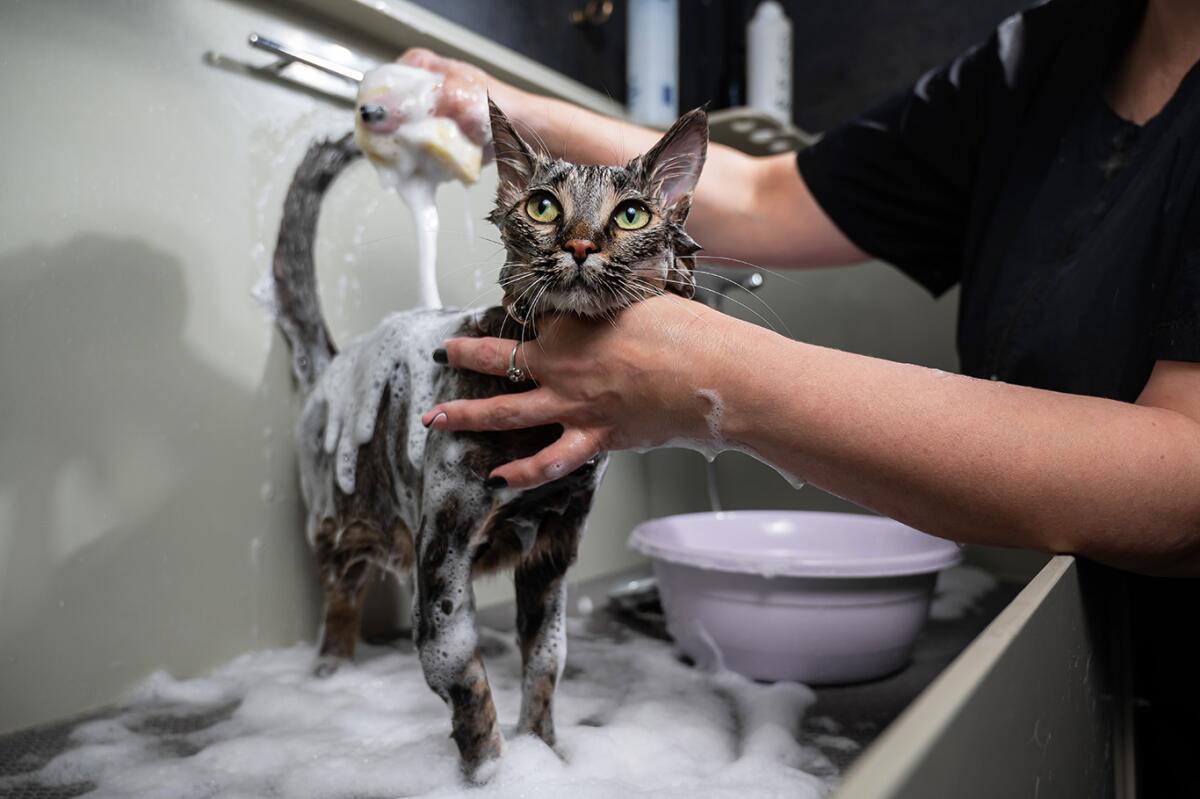
Bathing your cat can seem like a daunting task, but it’s an important part of their grooming routine when done correctly. Many cats groom themselves well, but occasional baths help keep their coat clean and healthy, especially if they get into something messy. Understanding the right timing and technique can make the experience smoother for both you and your feline friend.
When To Bathe Your Cat
Not all cats need regular baths, so it’s essential to know when it’s really necessary. If your cat has rolled in something sticky or smelly, a bath is a must to avoid lingering odors or skin irritation.
Older or overweight cats may struggle to groom themselves properly, so bathing can help maintain their hygiene. Also, cats with certain skin conditions or allergies might require medicated baths prescribed by a vet.
Ask yourself: Is your cat visibly dirty or uncomfortable? If the answer is yes, a bath might be due.
Step-by-step Bathing Guide
- Prepare everything beforehand: warm water, cat-friendly shampoo, a towel, and a non-slip mat for the sink or tub.
- Brush your cat gently to remove loose fur and tangles before the bath.
- Use lukewarm water to wet your cat slowly, avoiding the head and ears to prevent discomfort or infection.
- Apply a small amount of shampoo and lather gently, focusing on the body and legs.
- Rinse thoroughly to remove all shampoo residue, which can irritate your cat’s skin if left behind.
- Keep calm and speak softly to your cat throughout to reduce stress.
Drying Tips And Tricks
After the bath, wrap your cat in a soft, absorbent towel and gently pat them dry. Avoid rubbing, as it can tangle the fur and upset your cat.
If your cat tolerates it, use a hairdryer on the lowest heat and speed setting, keeping it at a safe distance. Many cats dislike the noise, so watch their reaction carefully.
Make sure your cat stays in a warm, draft-free room until completely dry to prevent chills or illness. Have you noticed how some cats act after a bath? Giving them a cozy spot to relax helps them feel safe and calm.

Credit: www.latimes.com
Nail Care Essentials
Caring for your cat’s nails is a vital part of their grooming routine. Healthy nails prevent discomfort and damage to your furniture or skin. Nail care isn’t just about trimming; it’s about understanding your cat’s needs and handling their nails with care.
Trimming Frequency
How often you trim your cat’s nails depends on their activity level and growth rate. Typically, trimming every 10 to 14 days works well for most cats. If your cat loves scratching posts or outdoor adventures, their nails may naturally wear down more, requiring less frequent trims.
Watch your cat’s nails closely. If you hear clicking on hard floors or notice snagging on fabrics, it’s a good sign they need a trim. Regular checks help avoid sharp tips that can cause pain or injury.
Using Clippers Safely
Choosing the right clippers makes a big difference. Use ones designed specifically for cats or small pets to avoid splintering nails. Before you start, have styptic powder or cornstarch nearby to stop bleeding just in case you cut too deep.
Gently hold your cat’s paw and press the pad to extend the nail. Cut only the sharp tip, avoiding the pink quick where nerves and blood vessels live. If your cat resists, take breaks and speak calmly to keep them relaxed.
Alternatives To Nail Trimming
Not all cats tolerate nail clippers easily. Consider alternatives like nail caps—small plastic covers glued onto nails to prevent scratching damage. These need replacing every few weeks and can be a good option for indoor cats.
Another option is providing plenty of scratching posts or pads. These can help naturally wear down nails and reduce the need for frequent trims. Have you noticed your cat’s favorite scratching spot? That’s a clue to where you should place their post.
Ear And Eye Care
Ear and eye care are vital parts of your cat’s grooming routine. These areas can easily collect dirt and debris, leading to discomfort or infections if ignored. Regular attention helps keep your feline friend healthy and comfortable, and it also gives you a chance to spot any problems early.
Cleaning Techniques
Use a soft, damp cloth or a cotton ball to gently wipe around your cat’s eyes and ears. Avoid inserting anything deep into the ear canal—just clean the visible outer part. For eyes, remove any discharge carefully without applying pressure.
Choose cleaning solutions made specifically for cats, or simply use warm water. Cleaning once a week usually works well, but adjust based on your cat’s needs. If your cat resists, try calming them with soft strokes or treats before and after cleaning.
Signs Of Infection
Watch for redness, swelling, or excessive discharge in your cat’s eyes or ears. Your cat may shake their head frequently or scratch these areas more than usual. A foul smell or crusty buildup is also a red flag.
Changes in behavior, like rubbing their face against furniture or avoiding touch, can indicate discomfort or pain. Catching these signs early helps prevent more serious issues. How often do you check your cat’s ears and eyes for these symptoms?
When To Consult A Vet
If you notice persistent redness, swelling, or discharge that doesn’t improve after cleaning, it’s time to see a vet. Sudden changes in your cat’s eye appearance, such as cloudiness or squinting, also require professional attention.
Don’t wait if your cat shows signs of pain or if symptoms worsen quickly. Ear infections can spread and cause hearing loss, while eye issues might lead to vision problems. Your vet can provide treatments that you can’t safely give at home.
Dental Hygiene For Cats
Maintaining your cat’s dental hygiene is essential for their overall health and happiness. Poor dental care can lead to painful infections and even affect vital organs. Taking simple daily steps can protect your feline friend from these issues and keep their smile bright.
Brushing Tips
Start brushing your cat’s teeth slowly to help them get used to the sensation. Use a soft-bristled toothbrush designed for cats and a toothpaste made specifically for pets. Never use human toothpaste—it can be harmful to cats.
Try brushing for just a few seconds at first, then gradually increase the time. Consistency is key, so aim to brush at least a few times a week. If your cat resists, try brushing after a play session when they are calm.
Dental Treats And Toys
Dental treats and toys can support your cat’s oral health by reducing plaque and tartar buildup. Look for treats approved by veterinary dental organizations, as they are formulated to be effective and safe.
Interactive dental toys encourage chewing, which naturally cleans teeth. Rotate different toys to keep your cat interested and engaged. Have you noticed your cat’s favorite toy helps with their teeth? This can be a great way to combine playtime with dental care.
Recognizing Dental Issues
Watch for signs like bad breath, drooling, difficulty eating, or pawing at the mouth. These symptoms may indicate dental pain or infection. Early detection can prevent serious problems and expensive treatments.
Regularly check your cat’s mouth for red or swollen gums and loose teeth. If you spot any issues, schedule a vet visit promptly. How often do you examine your cat’s teeth? Making it part of your routine can save your cat discomfort and you stress later on.
Creating A Stress-free Grooming Environment
Creating a stress-free grooming environment is essential for both you and your cat. Grooming can be a challenging experience if your cat feels anxious or scared. By making grooming a calm and positive time, you help your cat stay relaxed and even look forward to the sessions.
Calming Your Cat
Start by choosing a quiet, comfortable space where your cat feels safe. Soft lighting and a warm temperature can make a big difference. You might try gentle petting or speaking softly to soothe your cat before grooming.
Some cats respond well to calming pheromone sprays or diffusers. These products mimic natural scents that can reduce anxiety. Have you noticed how your cat’s body language changes when they feel calm? Look for relaxed ears and slow blinking as good signs.
Setting A Routine
Consistency helps your cat know what to expect. Try grooming at the same time and place each day or week. This regularity builds trust and reduces surprise or fear.
Keep sessions short, especially at first—just a few minutes of brushing or nail trimming. Gradually increase the time as your cat gets more comfortable. What small changes can you make to fit grooming into your daily rhythm?
Using Positive Reinforcement
Reward your cat with treats, praise, or play after each grooming session. Positive reinforcement links grooming to something enjoyable. This approach helps your cat associate grooming with good experiences.
Try breaking grooming into small steps, rewarding your cat at each stage. For example, give a treat after a few strokes with the brush, then again after nail trimming. This keeps your cat motivated and cooperative.
Credit: www.latimes.com
Frequently Asked Questions
How Often Should I Groom My Cat?
Groom your cat at least once a week to prevent matting and reduce shedding. Long-haired cats need more frequent grooming. Regular grooming promotes healthy fur and skin, and strengthens your bond with your cat.
What Tools Do I Need For Cat Grooming?
Essential tools include a slicker brush, comb, nail clippers, and grooming wipes. Use a deshedding tool for heavy shedding. Proper tools make grooming efficient and comfortable for your cat.
Can Grooming Prevent Cat Hairballs?
Yes, regular grooming removes loose fur before your cat swallows it. This reduces hairball formation and digestive issues. Frequent brushing is especially helpful for long-haired cats prone to hairballs.
How Do I Safely Trim My Cat’s Nails?
Use sharp, pet-specific nail clippers and trim only the clear tip. Avoid cutting into the quick, which causes pain and bleeding. Trim nails every two to three weeks to keep them healthy.
Conclusion
A regular cat grooming routine keeps your pet healthy and happy. Brushing removes loose fur and prevents mats. Cleaning ears and trimming nails avoid infections and discomfort. Bathing occasionally helps with dirt and odor. Pay attention to your cat’s needs and behavior.
A calm, gentle approach makes grooming easier for both. Healthy fur and skin show your care and love. Simple steps daily create a strong bond with your cat. Keep grooming consistent to enjoy a clean, content pet. Small efforts bring big benefits for your feline friend.
