

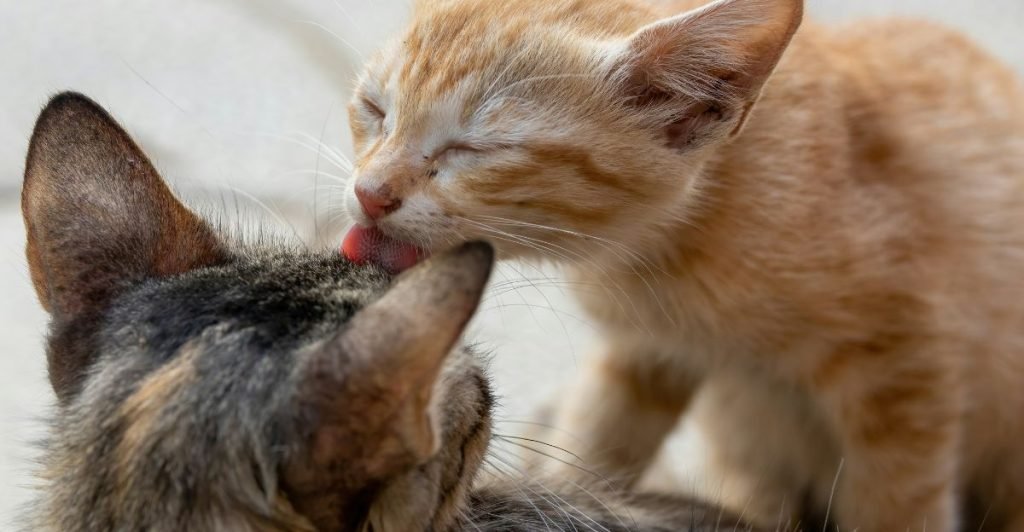
Have you ever noticed your cat gently licking another cat? This simple act is more than just a cute moment—it’s a natural way cats bond and show care.
But what does cat grooming another cat really mean for their relationship? And how can understanding this behavior help you keep your furry friends happy and healthy? Keep reading to discover the secrets behind cat-to-cat grooming and learn how it can improve your pets’ well-being.
You’ll soon see why this behavior matters more than you might think.
Why Cats Groom Each Other
Cats grooming each other is more than just a cute behavior—it’s an important part of how they communicate and maintain their relationships. You might notice your cats licking and cleaning one another, and wonder why this happens so often. This shared grooming serves several key purposes that help cats live better together.
Social Bonding Benefits
When cats groom each other, they strengthen their social connections. This act shows trust and friendship, helping to build a strong group dynamic. Have you ever noticed how your cats seem calmer and more relaxed after a grooming session? That’s because grooming reassures them and reduces social tension.
Mutual Hygiene
Cats are naturally clean animals, but some places on their bodies are hard to reach. Grooming each other helps them get to those spots, like behind the ears or around the neck. This mutual cleaning keeps their fur healthy and reduces parasites, which benefits their overall well-being.
Stress Reduction
Grooming isn’t just about cleanliness or bonding—it also helps cats feel better emotionally. When your cats groom each other, it releases calming hormones that lower stress levels. Have you ever seen your cat purr contentedly during grooming? That’s a clear sign they feel safe and comforted.

Credit: basepaws.com
Common Grooming Spots
Understanding where cats prefer to groom each other can make the experience smoother for both you and your feline friends. Cats often focus on specific spots that are hard for them to reach or areas that carry a lot of scent markers. Recognizing these common grooming spots will help you support your cat’s natural behavior and strengthen their bond.
Head And Neck
The head and neck are prime areas for mutual grooming. Cats often lick around the cheeks, under the chin, and behind the ears. These spots are important because cats have scent glands there, and grooming helps spread their unique scent.
If you watch closely, you’ll notice cats gently nibbling or licking these areas with care. You can mimic this by gently stroking your cat’s neck and head to encourage relaxation and trust.
Back And Tail
The back and tail can be tricky for cats to groom on their own. That’s why they rely on a friend to help reach these spots. Mutual grooming here helps remove loose fur and dirt, preventing matting and skin issues.
Sometimes, cats will arch their backs or lift their tails to invite grooming. Have you seen your cats do this? It’s a clear sign they trust each other and want some help staying clean.
Ears And Face
The ears and face need delicate attention during grooming. Cats often lick the base of the ears and around the eyes to keep these sensitive areas clean. However, these spots can be sensitive, so grooming should be gentle.
If your cat grooms another’s ears or face, it shows a deep bond. You can support this by keeping your cat’s ears clean and checking for any signs of irritation regularly.
Signs Of Affection In Grooming
Grooming between cats is more than just cleaning. It shows trust and love. Cats use grooming to connect and build bonds. Watching these signs helps understand their feelings. These clues reveal their affection during grooming.
Purring And Relaxed Posture
Purring is a clear sign of happiness. Cats often purr while grooming each other. Their bodies become loose and relaxed. A relaxed posture means the cat feels safe and calm. It shows comfort and trust in the other cat.
Slow Blinking
Slow blinking is a gentle way cats show love. During grooming, cats may slowly close and open their eyes. This action means they feel peaceful and secure. It is a silent message of friendship and care.
Tail Position
The tail tells a lot about a cat’s mood. A gently raised tail during grooming means friendliness. If the tail is still and relaxed, it shows calmness. Cats use tail movements to express warmth and acceptance.

Credit: www.youtube.com
How Grooming Strengthens Cat Relationships
Grooming between cats is more than just keeping clean. It plays a vital role in building and maintaining strong bonds. When cats groom each other, they communicate trust, resolve conflicts, and define their social roles.
Building Trust
When one cat gently licks another, it shows a deep level of trust. Cats only allow those they feel safe with to groom them. You might notice your cats pausing their play to groom each other, signaling they feel secure together.
If your cats are new to each other, encourage short grooming sessions by gently brushing them side by side. This can help them feel calmer and more connected over time.
Conflict Resolution
Grooming acts as a peace-making tool among cats. After a disagreement, you may see cats grooming to ease tension. This behavior helps repair relationships and reduce stress.
Have you ever seen your cats pause to clean each other after a squabble? It’s their way of saying, “I’m still your friend.” You can support this by giving your cats quiet spaces to retreat and groom each other peacefully.
Hierarchy Establishment
Grooming also helps cats understand their place in the group. Dominant cats often groom subordinates more than the other way around. This exchange sets clear social roles without fighting.
Observing who initiates grooming can tell you a lot about your cats’ social structure. If you notice changes, it might mean shifts in their relationships. Pay attention to these signals to better manage multi-cat households.
When Grooming Becomes Excessive
Grooming is a natural and important behavior for cats, helping them stay clean and comfortable. But sometimes, grooming can go too far and become a problem. Excessive grooming may signal stress, illness, or other issues that need your attention.
Causes Of Over-grooming
Over-grooming can happen for several reasons. Physical causes like allergies, parasites, or skin infections often make cats lick or scratch more than usual.
Emotional factors play a big role too. Cats facing anxiety, boredom, or changes in their environment might groom excessively as a way to cope.
Have you noticed your cat grooming more after a move or introduction of a new pet? These changes can trigger over-grooming behaviors.
Behavioral Indicators
How can you tell if your cat’s grooming has become a problem? Look for bald patches, redness, or sores on their skin.
Excessive grooming often comes with other signs like restlessness, hiding, or changes in appetite. These clues help you understand your cat’s well-being better.
Watch closely when your cat starts grooming repeatedly in one spot or seems unable to stop. This behavior is a strong indicator that something is wrong.
When To Seek Help
If your cat’s grooming leads to skin damage or behavioral changes, it’s time to act. A vet visit can rule out medical causes like allergies or parasites.
Sometimes, your cat might need support from a behaviorist to handle anxiety or stress-related grooming. Don’t hesitate to reach out for professional advice.
Remember, catching excessive grooming early can prevent pain and discomfort for your cat. What small changes in your cat’s routine or environment could help reduce their stress today?

Credit: www.shutterstock.com
Encouraging Grooming Between Cats
Encouraging grooming between cats can build stronger bonds and help keep their coats healthy. Cats often groom each other to show trust and affection, but sometimes they need a little encouragement to start this behavior. Creating the right setting and approach helps your cats feel comfortable enough to engage in mutual grooming.
Creating A Calm Environment
Stress can stop cats from grooming each other. Make sure the space is quiet, safe, and free from sudden noises or disruptions. Soft lighting and cozy spots where they both feel secure can make a big difference.
Have you noticed how your cats behave when the room feels tense? They might avoid each other or hide. Reducing stress encourages them to relax and be more open to grooming.
Introducing Cats Properly
Proper introductions lay the groundwork for grooming friendships. Let your cats meet slowly and on their own terms. Use scent swapping by exchanging bedding or toys before face-to-face meetings.
Allow short, supervised interactions at first. Watch for signs of curiosity rather than aggression. This gradual approach builds trust, making grooming between cats more likely.
Using Positive Reinforcement
Reward your cats when they show interest in grooming or being close. Use treats, gentle petting, or soft praise to encourage this behavior. Positive reinforcement helps cats associate grooming with pleasant experiences.
If one cat starts licking or cleaning the other, quietly reward them to reinforce the action. Over time, this can turn grooming into a regular, shared activity between your cats.
Capturing Adorable Grooming Moments
Capturing adorable grooming moments between cats shows their gentle bond. These scenes reveal affection and trust. Photos of cats grooming each other create heartwarming memories. Such images highlight natural behavior and the beauty of feline friendship.
Best Times To Observe
Look for grooming moments during quiet, relaxed times. Early morning or late afternoon works well. Cats often groom after naps or meals. Watch for calm moods and soft lighting. Avoid busy or noisy settings that distract cats.
Photography Tips
- Use natural light for clear, soft images.
- Stay patient and move slowly to avoid startling cats.
- Focus on close-up shots of faces and paws.
- Capture expressions showing care and tenderness.
- Try different angles for a unique view.
Sharing On Social Media
Share photos with simple, sweet captions. Use clear images to attract attention. Post during peak hours for better engagement. Invite followers to share their own grooming stories. Keep posts friendly and positive to build community.
Frequently Asked Questions
What Is Cat Grooming Another Cat Called?
Cat grooming another cat is known as allogrooming. It strengthens social bonds and helps cats clean hard-to-reach areas. This behavior is common among cats living together and promotes trust and companionship.
Why Do Cats Groom Other Cats Frequently?
Cats groom others to show affection and reinforce social bonds. It also helps reduce stress and maintain group harmony. Grooming shares scents, creating a familiar and safe environment among cats.
How Does Cat Grooming Benefit Feline Health?
Grooming removes dirt, loose fur, and parasites from a cat’s coat. It improves skin health and circulation. Social grooming also reduces stress and anxiety, contributing to overall well-being.
Can All Cats Groom Each Other Safely?
Most cats that live together and get along groom each other safely. However, some cats may not accept grooming if they feel stressed or threatened. Always observe their behavior to avoid conflicts.
Conclusion
Cat grooming each other helps build trust and friendship. It keeps their fur clean and healthy. Watching cats groom can be calming and sweet. This natural behavior shows they care and feel safe. Encourage gentle grooming to strengthen their bond.
Keep an eye to avoid rough play. Happy cats often groom and stay close together. Simple moments like these show love in quiet ways. Let your cats enjoy this special, shared habit daily.
