

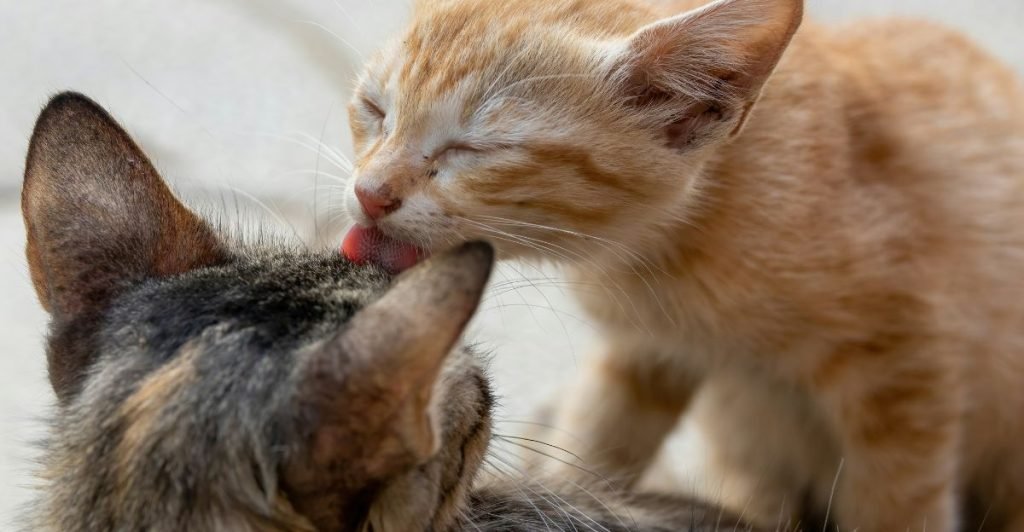
Have you ever wondered what cat grooming really means for your furry friend? It’s more than just keeping your cat looking neat.
Grooming plays a key role in your cat’s health, comfort, and happiness. Understanding what cat grooming involves can help you care for your pet better and strengthen the bond you share. Keep reading to discover simple tips and important facts that will make grooming a positive experience for both you and your cat.
Cat Grooming Basics
Cat grooming is a simple yet important part of pet care. It helps keep your cat’s coat clean and healthy. Grooming also supports skin health and reduces shedding. Regular attention to grooming creates a strong bond between you and your cat. Understanding the basics will make this task easier and more enjoyable for both of you.
Daily Grooming Habits
Daily grooming helps prevent mats and tangles in your cat’s fur. Use gentle strokes to remove loose hair and dirt. Pay attention to areas behind the ears and under the legs. Check your cat’s ears and eyes for any signs of irritation. Daily grooming also lets you spot any skin problems early.
Essential Grooming Tools
- Soft bristle brush for short-haired cats
- Wide-toothed comb to detangle fur
- Flea comb to check for pests
- Nail clippers designed for cats
- Pet-safe wipes for cleaning paws and face
Keep these tools clean and store them in a dry place.
Choosing The Right Brush
Choose a brush based on your cat’s fur type. Short-haired cats do well with soft brushes. Long-haired cats need brushes that reach deeper layers. Look for brushes with rounded tips to avoid scratching. A good brush makes grooming comfortable and effective. Try different brushes to see which your cat likes best.

Credit: www.youtube.com
Benefits Of Grooming
Grooming your cat offers more than just a clean coat. It supports their overall wellbeing and enhances your relationship. Let’s look at how regular grooming benefits both your cat and you.
Health Improvements
Grooming helps spot health issues early, like skin problems, lumps, or parasites. Brushing removes dirt and dead skin, preventing matting and infections. You can also check for ticks or fleas that might hide under their fur.
Regular grooming stimulates blood circulation, which promotes healthier skin and a shinier coat. Have you noticed how your cat’s coat looks after a good brushing? It often glows with better health.
Bonding With Your Cat
Spending time grooming builds trust between you and your cat. It’s a quiet moment where your cat feels safe and cared for. Many cats learn to enjoy grooming sessions and even seek them out.
Think about how your cat reacts when you pet or brush them gently. Those moments create a stronger connection and can reduce anxiety for shy or nervous cats. Have you felt your cat nuzzle you after a grooming session?
Reducing Shedding
Shedding can fill your home with loose fur, but grooming helps control it. Brushing removes loose hair before it falls off around your space. This means less fur on your clothes, furniture, and floors.
Try grooming your cat regularly during shedding seasons to keep the fur under control. You might find your vacuuming routine becomes much easier. What if a few extra minutes a day could cut down on fur cleanup?
Common Grooming Challenges
Grooming your cat can sometimes feel like a battle. You might expect a calm session, but challenges often pop up, testing your patience and skills. Knowing what obstacles you might face helps you prepare and keep your cat comfortable throughout the process.
Handling Difficult Cats
Some cats simply don’t enjoy grooming. They may squirm, scratch, or even try to escape. Understanding your cat’s body language can make a big difference—if you notice stress signals like flattened ears or twitching tails, it’s time to pause and calm them down.
Try breaking grooming into short sessions instead of long ones. Using treats or toys as rewards can turn grooming into a positive experience. Have you noticed any tricks that help your cat relax during grooming?
Avoiding Skin Irritations
Gentle brushing is key to preventing skin irritation. Using the wrong brush or too much pressure can cause redness or soreness. Always choose grooming tools suited to your cat’s coat type and check their skin regularly for any signs of irritation.
If your cat has sensitive skin, try using hypoallergenic wipes or consult your vet for safe products. How often do you examine your cat’s skin during grooming to catch problems early?
Dealing With Mats And Tangles
Mats can be painful and hard to remove if ignored. Regular brushing helps prevent tangles from turning into mats. When mats do appear, gently work them out with a comb or your fingers—never pull hard, as this hurts your cat.
For stubborn mats, consider trimming carefully or seeking professional grooming help. What’s your approach when you find a tough mat in your cat’s fur?
Special Grooming Techniques
Special grooming techniques help keep cats healthy and comfortable. These methods focus on areas that need extra care beyond regular brushing. Proper grooming reduces health risks and promotes a shiny coat. It also strengthens the bond between you and your cat. Understanding these techniques makes grooming easier and less stressful.
Bathing Tips For Cats
Bathing a cat requires patience and gentle handling. Use lukewarm water and cat-friendly shampoo only. Avoid getting water in the cat’s ears and eyes. Wet your cat slowly and speak in a calm voice. Rinse thoroughly to remove all shampoo. Dry your cat with a soft towel and keep it warm. Limit baths to a few times a year unless advised otherwise.
Nail Trimming Guide
Trim your cat’s nails carefully to avoid pain or bleeding. Use special pet nail clippers for safety. Hold the paw gently and press to extend the nails. Cut only the sharp tip, avoiding the pink quick inside. Stop if you see bleeding and use styptic powder. Regular trims prevent scratching and improve your cat’s comfort.
Ear And Eye Care
Check your cat’s ears for dirt, wax, or odor regularly. Use a soft cloth or cotton ball dampened with a vet-approved cleaner. Do not insert anything deep into the ear canal. For the eyes, wipe away discharge with a clean, damp cloth. Use separate cloths for each eye to prevent infection. Clean eyes and ears reduce the risk of disease and irritation.
Grooming For Different Cat Types
Grooming needs change depending on your cat’s coat type. Understanding these differences helps you keep your feline friend comfortable and healthy. Let’s look at how grooming varies across different cat types.
Long-haired Cats
Long-haired cats need daily brushing to prevent mats and tangles. Their thick fur traps dirt and loose hair, which can cause discomfort if not removed. Using a wide-toothed comb followed by a slicker brush works well to reach the undercoat without hurting your cat.
Have you noticed your long-haired cat grooming more during shedding season? That’s a sign they need extra care. Regular grooming reduces hairballs and keeps their coat shiny.
Short-haired Cats
Short-haired cats require less frequent brushing, usually once or twice a week. Their coat is smoother, so a soft-bristle brush or grooming glove often does the trick. This also helps distribute natural oils, which keeps their skin healthy.
Short-haired cats still shed, especially during seasonal changes. Regular brushing helps you spot skin issues early and reduces allergens around your home. Have you tried grooming while your cat relaxes on your lap? It can strengthen your bond.
Hairless Breeds
Hairless cats, like the Sphynx, need grooming that focuses on skin care rather than fur. Their skin produces oils that would normally be absorbed by fur, so they require regular baths to avoid buildup and irritation. Use gentle, cat-safe cleansers and warm water.
Don’t forget to clean their ears and trim their nails regularly, as these cats tend to get dirtier in those areas. Have you ever thought about how temperature affects a hairless cat’s comfort? They often need cozy clothing or blankets to stay warm.

Credit: weareallaboutcats.com
When To Seek Professional Help
Knowing when to seek professional help for your cat’s grooming can save you stress and keep your feline friend healthy. While basic grooming can often be handled at home, some situations call for expert care. Recognizing these moments helps you act before problems worsen.
Signs Your Cat Needs A Groomer
Does your cat have matted fur that you can’t untangle? Matted hair can cause discomfort and skin infections. If your cat is shedding excessively or has oily, dirty fur that doesn’t improve with brushing, a groomer’s tools and skills may be necessary.
Watch for changes in behavior during grooming attempts at home. If your cat becomes unusually aggressive or fearful, it might be safer to let a professional handle the task. Also, long-haired cats often need help managing their coats, especially during seasonal changes.
Choosing A Professional Groomer
Look for groomers who specialize in cats, not just dogs. Cats require gentle handling and patience, so ask about their experience and approach. Reading reviews and asking for recommendations can guide you to trusted professionals.
Visit the grooming salon before booking an appointment. Check if the environment is calm and clean, and if the staff treats cats with care. Don’t hesitate to ask about their safety protocols and how they handle anxious or aggressive cats.
Grooming Services To Consider
Professional groomers offer a range of services beyond a simple bath and brush. Nail trimming is crucial if your cat resists at home, preventing painful overgrowth or injury. Ear cleaning and teeth brushing are other services that can improve your cat’s overall health.
For long-haired cats, consider de-matting and trimming services to reduce discomfort. Some groomers also provide flea treatments and skin care for cats with allergies or sensitivities. What grooming tasks do you find challenging at home? A professional might be the solution you need.
Natural Grooming Enhancers
Natural grooming enhancers play a vital role in keeping your cat’s coat healthy and shiny without relying solely on commercial grooming products. They work from the inside out, improving skin condition and fur quality by supporting your cat’s overall health. Paying attention to diet, supplements, and simple home remedies can make a noticeable difference in your cat’s grooming routine.
Diet And Coat Health
Your cat’s diet directly affects the condition of its fur. Foods rich in omega-3 and omega-6 fatty acids, like fish oil or flaxseed, help maintain a glossy coat and reduce shedding.
Protein is another crucial nutrient since cats are obligate carnivores. High-quality animal protein supports hair growth and repair. Have you checked your cat’s food label recently to ensure it contains these essential ingredients?
Supplements For Shiny Fur
If your cat’s coat looks dull or dry, supplements can boost its natural shine. Adding fish oil capsules or vitamin E to their diet can improve skin hydration and reduce inflammation.
Be cautious with dosage, though; too much can cause digestive issues. Always consult your vet before starting supplements. Have you noticed a change in your cat’s fur after trying any supplements?
Home Remedies For Skin Care
Simple home remedies can soothe dry or itchy skin. Aloe vera gel (pure and free of additives) applied gently can calm irritation. Coconut oil is another option, either applied topically or given in small amounts orally, to enhance skin moisture.
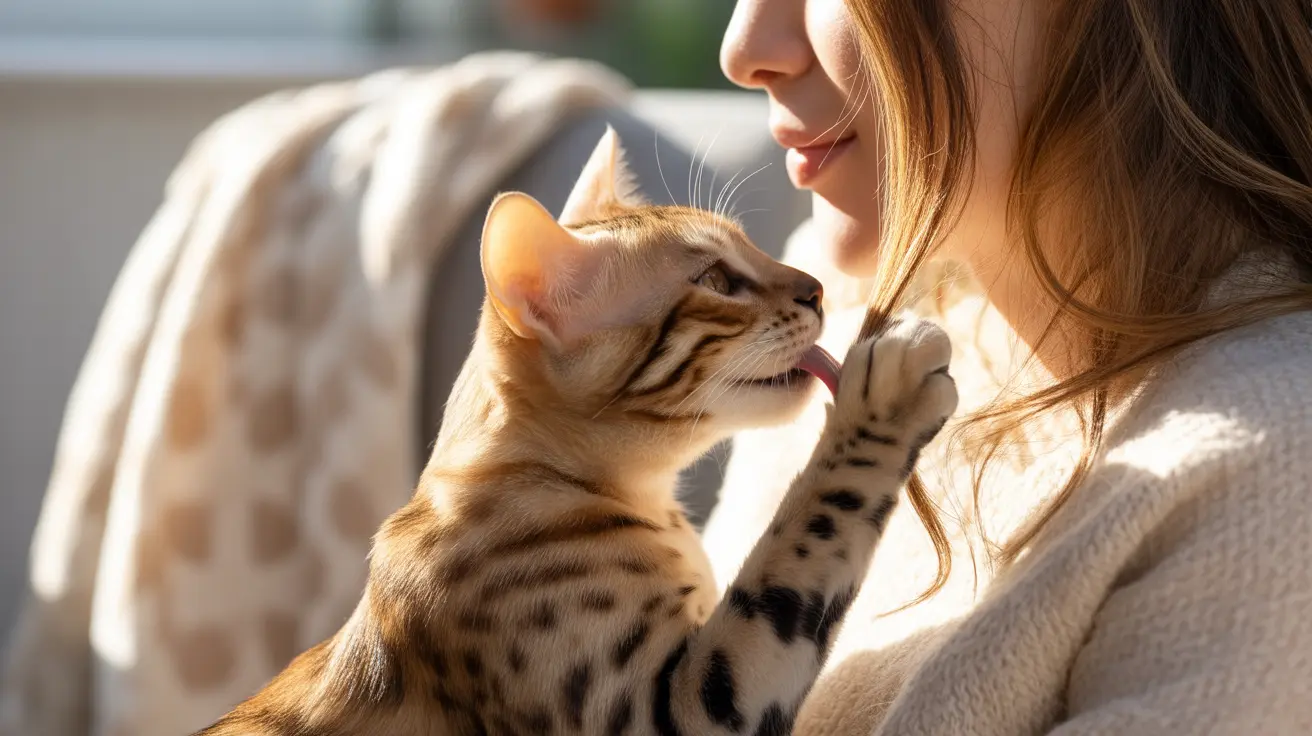
Brushing your cat regularly also stimulates natural oil production and removes dead fur. How often do you include skin care practices in your grooming routine?
Credit: www.petscare.com
Frequently Asked Questions
What Does Cat Grooming Mean?
Cat grooming means cleaning and maintaining a cat’s fur, skin, and nails. It helps keep cats healthy, comfortable, and free from dirt, mats, and parasites.
Why Is Cat Grooming Important?
Grooming prevents matting, reduces shedding, and promotes healthy skin. It also helps detect health issues early and strengthens the bond between you and your cat.
How Often Should I Groom My Cat?
Most cats benefit from grooming once or twice a week. Long-haired cats may need daily grooming to avoid tangles and mats.
Can Grooming Reduce Cat Hair Shedding?
Yes, regular grooming removes loose fur and reduces shedding. It keeps your home cleaner and your cat more comfortable during shedding seasons.
Conclusion
Cat grooming helps keep your pet clean and healthy. It removes loose fur and prevents mats. Regular brushing also reduces hairballs and skin problems. Grooming time strengthens the bond between you and your cat. It lets you check for ticks or injuries early.
A well-groomed cat feels comfortable and looks happy. Simple grooming steps make a big difference in your cat’s life. Keep grooming easy and part of your routine. Your cat will thank you with purrs and love.
