

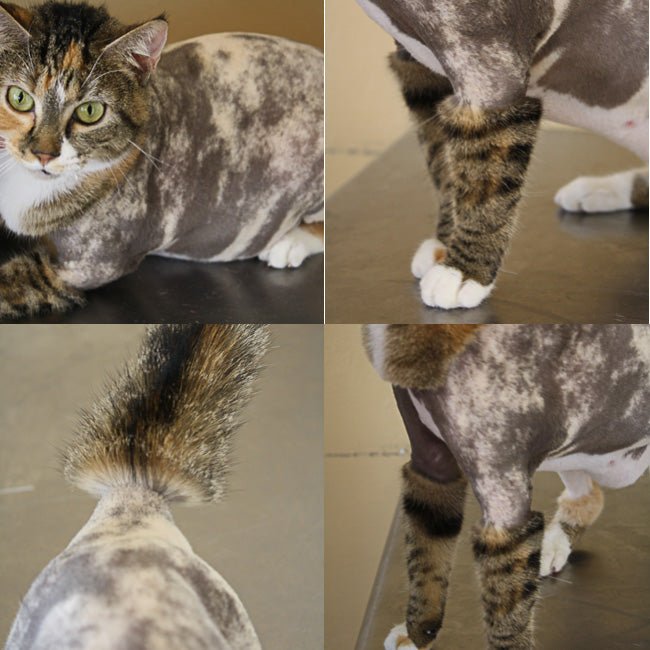
Have you ever wondered how to keep your cat cool and comfortable during hot months while still making them look adorable? The lion cut might be the perfect solution for you and your furry friend.
This unique grooming style trims your cat’s body fur short but leaves a fluffy mane around the head, giving them a regal, lion-like appearance. If you’re curious about how the lion cut works, its benefits, and what to expect during the grooming process, keep reading—you’ll discover everything you need to know to make the best choice for your cat’s comfort and style.
Benefits Of A Lion Cut
A lion cut is a special grooming style for cats. It trims most of the fur but leaves a mane around the head. This style offers many benefits for both cats and their owners. It helps cats feel better and makes care easier.
Improved Comfort And Hygiene
A lion cut removes tangled and matted fur. It stops hair from trapping dirt and moisture. Cats feel lighter and freer to move. Their skin can breathe better. This cut also helps prevent skin infections and irritations.
Reduced Shedding And Hairballs
Less fur means less shedding around the house. Owners spend less time cleaning fur off furniture. Cats swallow fewer hairs while grooming. This reduces hairballs and related stomach problems. A lion cut helps keep your home cleaner and your cat healthier.
Enhanced Cooling In Warm Weather
Thick fur can make cats very hot in summer. A lion cut helps cats stay cool by removing extra fur. It lowers their body temperature and prevents overheating. Cats feel more comfortable and active during warm days.
Choosing The Right Cat For A Lion Cut
Choosing the right cat for a lion cut is important for a successful grooming experience. Not every cat suits this style. Consider the breed, coat type, and personality before deciding. This helps ensure the cat stays comfortable and looks great.
Ideal Breeds And Coat Types
Long-haired cats benefit most from a lion cut. Their thick fur can mat and tangle easily. Popular breeds include:
- Maine Coon
- Persian
- Ragdoll
- Himalayan
These cats have dense coats that grow long and need regular care. Short-haired cats usually do not need lion cuts. Their fur is too thin to style this way.
Considering Your Cat’s Temperament
A calm and patient cat handles grooming better. The lion cut takes time and requires the cat to stay still. Cats that get anxious or aggressive might not tolerate the process well. Gently introduce grooming tools and sessions first. This helps your cat feel safe and relaxed.
Health Factors To Keep In Mind
Check your cat’s skin and health before grooming. Skin problems like wounds or rashes may worsen after clipping. Older cats or those with health issues might find the grooming stressful. Consult your vet if you are unsure about your cat’s health. Keep the lion cut safe and comfortable.
Preparing For The Lion Cut
Getting your cat ready for a lion cut takes more than just a pair of clippers. Proper preparation helps make the experience smoother and safer for both you and your feline friend. Setting the stage right can reduce stress and ensure the best results.
Gathering Necessary Tools
Before starting, gather all the tools you’ll need. Having everything at hand prevents interruptions that can unsettle your cat.
- Sharp clippers with different guard sizes
- Fine-toothed comb and slicker brush
- Styptic powder for any accidental nicks
- Towels to wrap or restrain your cat if needed
- Treats to reward calm behavior
Think about your cat’s behavior and whether you might need an extra set of hands. Preparing tools ahead keeps you confident and focused.
Creating A Calm Environment
Your cat’s comfort influences how well the grooming goes. Choose a quiet room where your cat feels safe and secure.
Dim the lights slightly and avoid loud noises or sudden movements. Play soft music or white noise if it helps your cat relax.
Have a familiar blanket or bed nearby. The goal is to create a space where your cat won’t want to run away or hide.
Brushing And Detangling
Start by gently brushing your cat’s coat to remove tangles and loose fur. This step prevents the clippers from snagging and causing discomfort.
If you encounter mats, work through them carefully with a comb or detangling spray. Cutting out mats should be a last resort.
Brushing also helps your cat get used to being handled and touched all over. Have you noticed how some cats become calmer the more you pet them? Use that to your advantage here.
Credit: www.downtowntabbycattery.com
Step-by-step Grooming Process
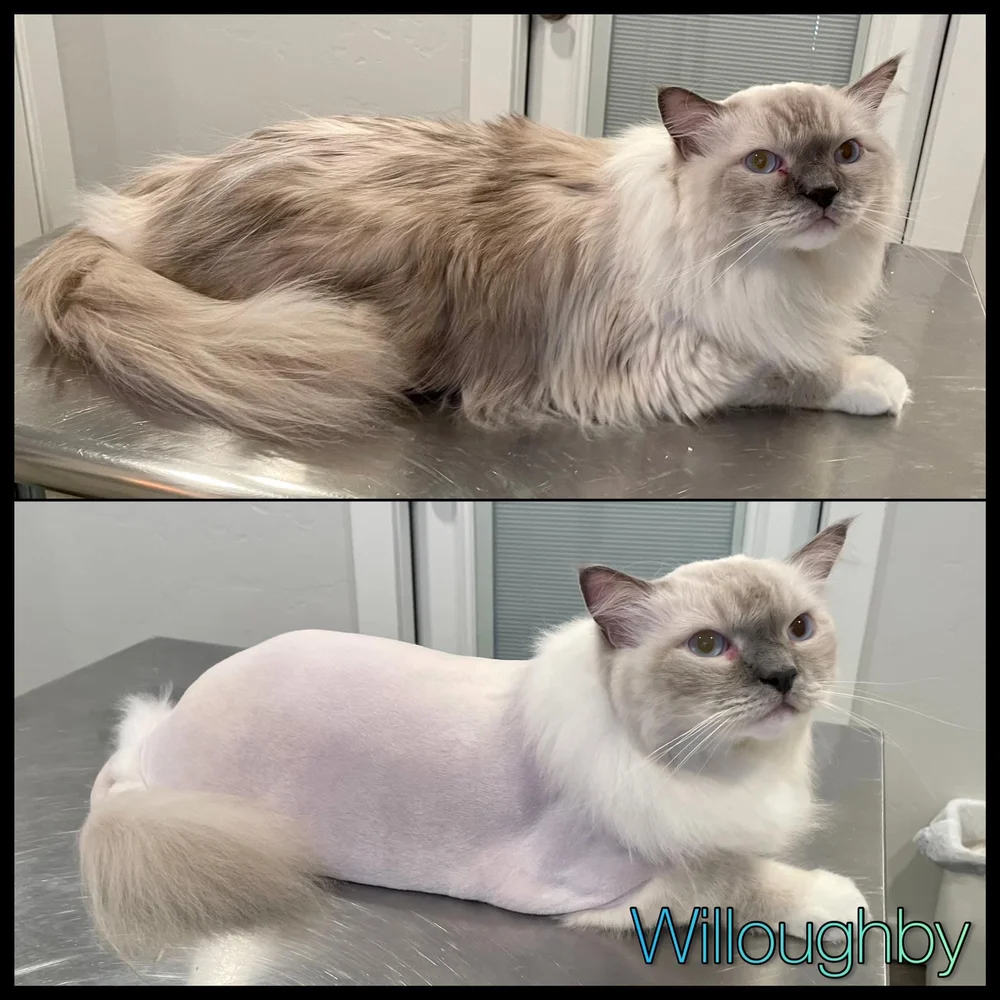
The lion cut is a popular grooming style for cats. It involves trimming most of the body fur short, while leaving a longer mane around the head and a tuft on the tail. This style helps keep cats cool and reduces shedding. The grooming process requires care and patience to achieve a neat look. Below is a simple guide to help you through the steps.
Trimming The Body Fur
Start by brushing your cat to remove any tangles. Use clippers with a guard to trim the body fur evenly. Move slowly and gently to keep your cat calm. Avoid sensitive areas like the belly and legs. The goal is to leave a short, smooth coat over the body.
Shaping The Mane And Tail
Leave a thick patch of fur around the cat’s neck to form the mane. Use scissors to shape it evenly in a circle. For the tail, trim most of the fur but leave a fluffy tuft at the tip. Make sure the mane and tail tuft look balanced and natural.
Finishing Touches
Check the coat for any uneven spots and trim carefully. Brush the mane and tail tuft to keep them fluffy. Clean your cat’s face and paws with a damp cloth. Reward your cat with treats to create a positive experience.
Aftercare And Maintenance
After your cat receives a lion cut, the journey doesn’t end at the grooming salon. Proper aftercare and maintenance are crucial to keep your feline friend comfortable and healthy. Paying close attention to their skin, grooming routine, and signs of irritation can make a big difference in how they adjust to their new look.
Skin Care Tips
Since a lion cut exposes more skin than usual, it’s important to protect it from dryness and sunburn. Use a gentle, cat-safe moisturizer if you notice any flakiness or dryness. Avoid human lotions; they can irritate your cat’s sensitive skin.
Keep your cat indoors or in shaded areas during peak sunlight hours to prevent sunburn. If you spot redness or unusual spots, consult your vet promptly. Your cat’s skin needs gentle care until the fur grows back.
Regular Grooming Schedule
Even with a lion cut, your cat needs regular grooming to avoid mats and tangles, especially around the mane and tail. Brush your cat gently every few days to keep the coat smooth and comfortable.
Set reminders for trimming the cut every 6 to 8 weeks to maintain the style and prevent uneven regrowth. You might find that maintaining a consistent schedule helps your cat feel more relaxed during grooming sessions.
Monitoring For Irritation
Watch your cat carefully for signs of skin irritation after the lion cut. Scratching, redness, or swelling can indicate discomfort or an allergic reaction.
Check the shaved areas daily, especially around sensitive spots like the belly and legs. If you notice your cat licking or biting excessively, it’s time to reach out to your vet for advice.

Credit: www.youtube.com
Common Mistakes To Avoid
Giving your cat a lion cut can be tricky. Many pet owners make mistakes that cause harm or stress. Avoiding these common errors helps keep your cat safe and comfortable. Understand what to watch for during grooming.
Cutting Too Close To The Skin
Cutting hair too close can hurt your cat’s skin. Clippers should have guards to prevent this. Always leave a little fur to protect from cuts and sunburn. Take your time and be gentle near sensitive areas.
Ignoring Your Cat’s Stress Signals
Cats show stress in many ways, like growling or trying to escape. Stop grooming if your cat looks scared or upset. Give breaks and calm your cat with soft words. Stress can make grooming dangerous for both of you.
Using Improper Tools
Wrong tools can cause pain or uneven cuts. Use clippers made for pets, not human hair tools. Sharp blades and proper combs help make grooming smooth and safe. Keep tools clean to avoid infections.
Professional Grooming Vs. Diy
Choosing between professional grooming and doing a lion cut yourself can affect your cat’s comfort and safety. Both options have pros and cons. Understanding these can help you decide the best care for your feline friend.
When To Seek Expert Help
Professional groomers have skills to handle difficult cats. They know how to use tools safely. If your cat is nervous or aggressive, experts can manage stress better. Complex lion cuts need precision, which pros provide. Also, cats with skin problems or mats require special care. In such cases, seek professional grooming to avoid harm.
Cost Considerations
DIY grooming saves money on appointment fees. You only need to buy tools once. But improper cuts might lead to vet visits, costing more. Professional grooming has a set price but includes expert care. Consider these points:
- DIY tools cost less upfront but require practice
- Professionals offer quick, safe grooming sessions
- Potential risks with DIY could raise future costs
Benefits Of Professional Grooming
Experts provide even, smooth lion cuts. They reduce risks of cuts or skin irritation. Professionals can spot health issues early. Grooming salons have calming environments and special equipment. They save your time and stress. Your cat feels more comfortable with trained hands. Overall, professional grooming ensures a neat, safe lion cut.

Credit: www.downtowntabbycattery.com
Frequently Asked Questions
What Is A Lion Cut For Cat Grooming?
A lion cut is a grooming style that trims most of a cat’s fur short. The fur on the head, feet, and tail tip remains longer. It resembles a lion’s mane, helping cats stay cool and reducing matting.
When Should I Consider A Lion Cut For My Cat?
Consider a lion cut if your cat has thick fur that mats easily. It’s helpful for older cats, those with skin issues, or during hot weather. Always consult a groomer or vet before choosing this style.
How Often Should I Get A Lion Cut For My Cat?
Typically, a lion cut lasts 6 to 8 weeks before needing a touch-up. Frequency depends on your cat’s fur growth and lifestyle. Regular grooming helps maintain cleanliness and comfort.
Is A Lion Cut Safe For All Cat Breeds?
Most cat breeds tolerate lion cuts well, but some with sensitive skin may not. Always check with a professional groomer or vet to ensure it’s safe for your specific breed.
Conclusion
Giving your cat a lion cut can help keep them cool and clean. It also makes grooming easier for you and your pet. Always use gentle tools and take breaks to keep your cat calm. Watch your cat’s skin for any irritation after grooming.
Regular grooming helps your cat stay healthy and happy. Try the lion cut if your cat has thick or long fur. It’s a simple way to care for your furry friend.
